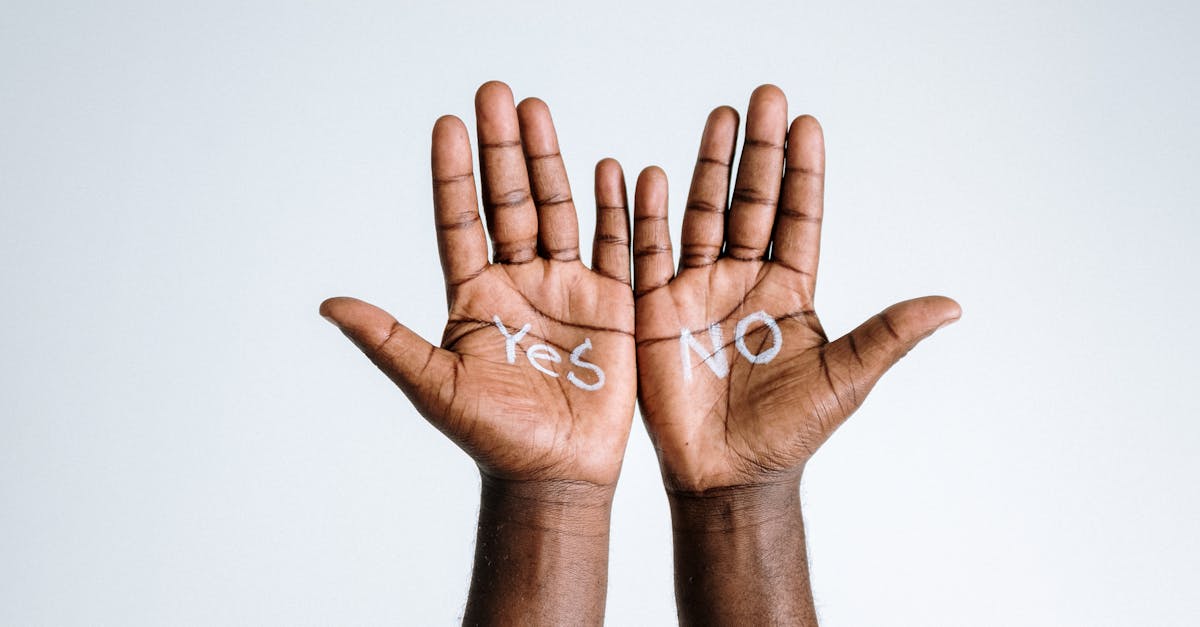
Completing a BTS opens up a range of career paths to explore. Often seen as a stepping stone to employment, this two-year post-secondary diploma is also a gateway to many other training options. So, how do you choose between continuing your studies, starting a career, going abroad, or even taking a break? The reality is that post-BTS options are highly varied, suited to a variety of profiles and projects. This breadth can make the choice difficult, but it’s also what makes this period so captivating and full of opportunities.
Sometimes, you want to deepen your knowledge, aim for positions of higher responsibility, or expand your professional network. Other times, you’d rather learn in a different way, either abroad or through practical work-study experience. And then there are those who seek to take a step back to better define their ambitions. It’s therefore important to consider each path carefully, based on your tastes, aspirations, and the current job market. In this article, we’ll explore all these possibilities. Whether it’s undergraduate programs at university or prestigious schools like business or engineering schools, or online training and professional certifications, each path deserves careful consideration. And that’s not all: work-study BTS programs, programs abroad, and even gap years all have their place here. In short, there’s something for everyone and every project. Let’s explore these options together to shed light on your professional future.
Continuing your studies after a BTS: the best university and professional programs to consider
You’re probably wondering what courses are actually available after a BTS (Higher National Diploma) to go further? It often starts with university, but it’s not the only path. For example, the general bachelor’s degree remains less popular among those graduating from a BTS (Higher National Diploma), mainly because access to the second year (L2) is assessed on a case-by-case basis. However, this option can open doors to broad disciplines such as the AES (Economic and Social Administration) bachelor’s degree, particularly suited to BTS (National Diploma of Civil Engineering) or MCO (Mandatory Engineering) programs.
The more popular professional bachelor’s degree is a smart choice for specialization. After a BTS (Higher National Diploma), it allows you to reach the Bac +3 level in a very specific field. Be careful, however, this program is selective: an interview before a panel is often required. Among professional BTS (Higher National Diploma) programs, the logical choice is to choose a bachelor’s degree that refines the specialty already acquired. For example, a student with a BTS (Higher National Diploma of Civil Engineering) in Systems Maintenance could very well aim for a professional bachelor’s degree in the same sector. 🎯 Selective but targeted access
🎯 Clear sectoral orientation
- 🎯 One-year degree after the BTS
- There is also the University Bachelor of Technology (BUT). Recently introduced, this Bac +3 level diploma is perfectly suited to BTS holders. Thanks to the bridges, you can enter the first, second, or third year depending on your background. The BUT offers versatile training, particularly through the University Institute of Technology. It is a politically valued springboard on the job market. To learn more about the BUT and how it compares to the BTS, there are detailed resources like
- this page dedicated to BTS in maintenance
that will help you. Training Duration Accessibility
| Benefits | General Bachelor’s Degree | 3 years | Selective access to L2 |
|---|---|---|---|
| Broad academic background | Professional Bachelor’s Degree | 1 year | Selective, application + interview |
| Targeted specialization | BUT (University Bachelor of Technology) | 3 years | BTS bridges |
| Professional training | You can also consider upgrading your skills through | online training | or preparing for |
professional certificates that complement your studies and boost your profile. Discover various options tailored to your needs: practical advice, innovative solutions, and varied alternatives to help you make the best choice. Pursuing a Master’s degree after a BTS Once you have successfully obtained a Bac +3 level diploma, a Master’s degree becomes a viable option. Completing a BTS is not enough in itself, but taking a bridge to a Bachelor’s degree can open the door. Generally, you need to plan one or two additional years before being ready for a Master’s degree, especially if you are pursuing a Grande École Program (PGE) at a business school or a Bachelor of Business Administration.

🎓 Necessary preparation with a bachelor’s degree or PGE
🎓 Access to master’s degrees at universities or schools
🎓 Improved career paths and research opportunities To learn more about how to start a master’s degree after a BTS, this article is a good guide: Doing a master’s degree after a BTS – Guide
- .
- Engineering schools and business schools: selective but promising paths after a BTS
- You’ve probably heard that BTS graduates have difficulty gaining entrance to engineering schools, but it’s not impossible! Some schools offer specific competitive exams for candidates with a BTS. However, the safest path remains the scientific ATS prep course (adaptation technicien supérieur), a year of refresher courses focused on scientific and technical subjects. This step significantly increases your chances of getting into reputable schools.
Given the wealth of technical BTS programs, several specializations are interesting for engineering: civil engineering, biology, chemistry, and even industrial engineering. When considering an engineering school, make sure it offers dedicated spots for two-year post-secondary students. For a more detailed overview, the content available on industrial product design provides a good overview. 🔧 Technical BTS programs compatible with engineering schools 🔧 Specific competitive exams and preparatory year recommended🔧 Varied programs depending on your profile
Business schools remain a popular destination. Through the Passerelle 1 competitive exam, BTS graduates can apply directly to a recognized business school. Some well-known schools participate in this program, such as EM Strasbourg, KEDGE Business School, and NEOMA Business School. They prepare for their PGE (Parisian Master of Business Administration), a comprehensive and demanding program. Type of School
Admission Requirements
Programs Offered Examples of Institutions Engineering Schools
- Competitive Exam + ATS Prep
- Civil Engineering, Chemistry, Biology
- INSA, Polytech
Business Schools Passerelle 1 Competitive ExamManagement, Commerce, Finance Bordeaux Business School, EM Strasbourg If you prefer a more flexible path, continuing education sometimes allows you to combine work and studies, particularly at certain schools that adapt their programs. https://www.youtube.com/watch?v=mVwokzhjbwAEntering the world of work directly: tips and sectors that recruit after a BTS
| Another very common alternative after a BTS is to dive right into the world of employment! And it’s a viable option: professional integration is generally favorable for BTS graduates. In particular, those who have completed a work-study BTS have a significant advantage. Immersion in the real world, the applicability of the courses, and a professional network: this is an effective combination to attract recruiters. Depending on the specialty chosen from the 150 BTS offers, some sectors recruit more than others: | 💼 Commerce: BTS in International Commerce, BTS in Operational Sales Management | 🏭 Industry: BTS in Mechanical Product Industrialization, BTS in Industrial Maintenance, BTS in Industrial Control | 🍽️ Hospitality and Catering: BTS in Tourism, BTS in Hospitality and Catering Management |
|---|---|---|---|
| 💳 Banking and Insurance: BTS in Banking, BTS in Insurance, BTS in NDRC | 💻 Information Technology: BTS in IT Services for Organizations, BTS in Cyber-Informatics | Graduates can also be offered leadership positions immediately, particularly if they have significant corporate experience, often acquired through work-study programs. To strengthen this link between training and employment, support structures such as the BTS in Cyber-Informatics provide valuable resources. Sector | Examples of related BTS programs |
| Job Types | Hiring Advantages | Commerce | BTS in MCO, BTS in International Commerce |
Salesperson, Sales Manager Work-study program, interpersonal skills Industry
Technician, Team Leader
Field experience, technical know-how
Hospitality & Restaurant Industry
- BTS in Hospitality Management
- Manager, Project Manager
- Business knowledge, versatility
- Banking & Insurance
- BTS in Banking, BTS in NDRC
Account Manager, Advisor Sales skills, customer relations Consider an
| internship after the BTS | is also a winning strategy for improving your CV and securing long-term employment. | Programs abroad: strengthening your profile with international experience | Studying abroad is a profitable gamble. In recent years, more and more BTS graduates have been crossing borders to pursue a bachelor’s degree or other internationally recognized degree. This is the case for destinations such as Canada, the United States, Switzerland, England, and even South Korea. |
|---|---|---|---|
| Why should you be interested? Overseas experience enriches not only your CV, but also your personality, thanks to the discovery of new cultures and enhanced language proficiency. Universities generally recognize French BTS programs, especially those with a technical and professional component. | ✈️ Bachelor’s or international diploma | ✈️ Cultural and linguistic openness | ✈️ Network strengthening and adaptive skills |
| The Erasmus program has also facilitated these exchanges in some cases, supplemented by university partnerships. To best prepare for this project, career counselors and specialized platforms can be a good resource. | Discover our wide selection of personalized options to meet all your needs. Whether it’s for product, service, or experience choices, we help you find the best solutions suited to your lifestyle. | Taking a gap year after a BTS: Enjoy a break to refocus | Taking a gap year may seem counterintuitive in the hustle and bustle of a BTS program, but it has its advantages! It’s a time to refocus on yourself, try out personal experiences, or even commit to projects that are close to your heart. For example, some choose volunteering, while others work for a few months to save up and prepare for a more ambitious project. |
| Regarding returning to school after this break, there’s no reason to worry: universities and schools generally welcome candidates who have been able to take this healthy break. | ⏸️ Time to mature your plans | ⏸️ Opportunities for social or community involvement | ⏸️ Opportunities to work to finance your future |
| A concrete example: Emma, a recent graduate with a BTS (Higher National Diploma in Business and Management), took a year to volunteer abroad before pursuing a professional degree. This experience allowed her to better understand her motivations and develop an atypical profile that recruiters value (read her story). | Reorienting or changing career paths after a BTS (Higher National Diploma): Saying Yes to New Opportunities | It may happen that the BTS obtained doesn’t match your real aspirations or the discoveries made during your studies. Don’t panic, changing career paths is a very common option. It’s possible to join a new program, sometimes even without starting from scratch thanks to certain bridge programs. | This flexibility offers several options: |
🔄 Take another BTS in a different specialty 🔄 Move toward a bachelor’s degree or additional professional training 🔄 Embark on a BUT in another field
These solutions allow you to avoid feeling locked in and broaden your horizons. To successfully make this shift, you must carefully analyze your career plan and don’t hesitate to seek advice from career centers.
What to do if you fail the BTS? Solutions and alternatives to consider
It’s not always easy to pass your BTS on the first try. If you don’t pass the exam, various options are available to students. For example, it is possible to:
- 🔁 Repeat the second year and prepare for the exam again through traditional training
- 🔁 Take the BTS as an independent candidate, a more flexible option
- 🔁 To pursue another BTS (Higher National Diploma) or a suitable degree
If you find yourself in this situation, rest assured: it’s not an end in itself. The important thing is to find a path that matches your ambitions and true motivation. For example, some students have successfully switched to accounting or boilermaking programs, such as the BTS CRCI (Higher National Diploma) in Boilermaking or accounting programs.

FAQ: Frequently asked questions about options after a BTS
Can you enter a business school directly after a BTS?
Yes, with the Passerelle 1 competitive exam, BTS graduates can apply to schools like Bordeaux Business School or KEDGE Business School.
- Is it possible to pursue a master’s degree without a bachelor’s degree after a BTS? No, you must complete a Bac +3 level program, such as a bachelor’s degree or a PGE program, before accessing a master’s degree.
- What is the added value of a work-study BTS (Higher National Diploma)?
- A work-study BTS (Higher National Diploma) allows for better professional integration thanks to the experience gained in a company, which is highly valued by recruiters.
Which sectors recruit the most after a BTS (Higher National Diploma)?Commerce, manufacturing, hospitality, banking and insurance, and IT are among the sectors with the most openings.Can you return to your studies after a gap year?