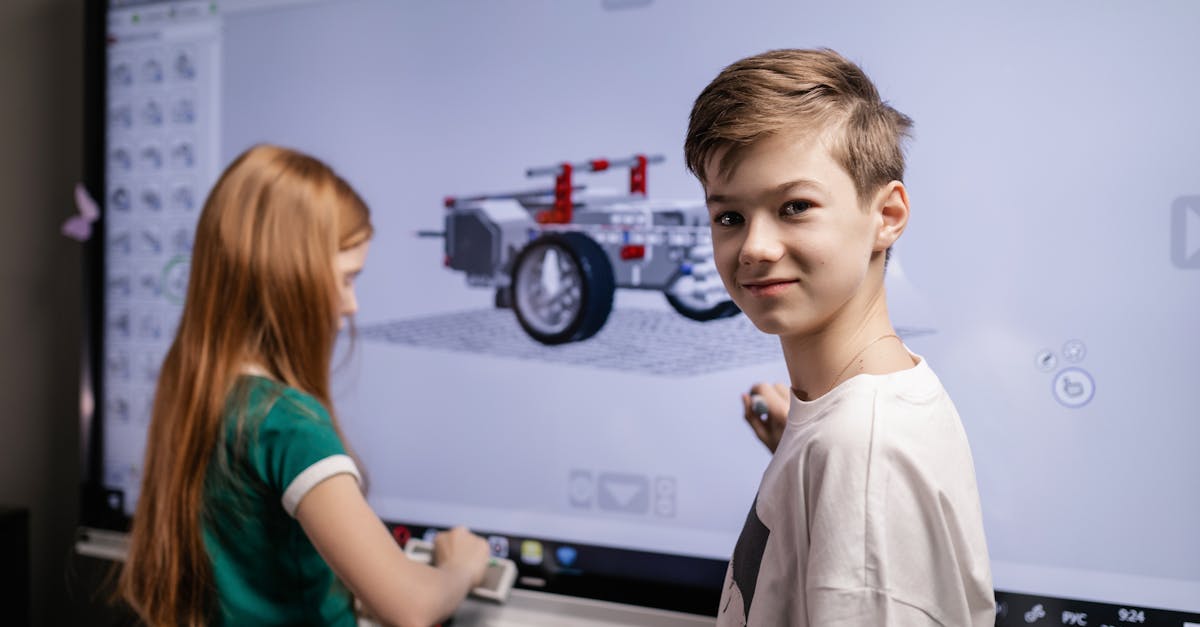
You may have wondered if it’s realistic to enter an engineering school after obtaining a BTS (Higher National Diploma) diploma. This question comes up often, especially considering that the royal road once seemed to be solely through the preparatory classes. Today, things have clearly changed. Several engineering schools, such as INSA Lyon, UTC Compiègne, and the École Polytechnique, offer parallel admissions open to BTS holders. This means that the BTS is no longer an end in itself, but a beginning to more ambitious programs. In 2025, this flexibility is a real opportunity for those who want to boost their skills and land skilled technical jobs. The diversity of competitive exams and programs offered by renowned institutions such as CentraleSupélec, ESIEE Paris, and the École des Mines increases the possibilities. But how does it work in practice? What are the admission pathways? What type of support is offered to help you make this transition a success? And above all, what are the advantages of joining an engineering school after a BTS (Higher National Diploma)?This spotlight answers these questions by shedding light on the recruitment procedures, the steps to follow, and the real benefits of such a choice for a solid and motivating professional future.Discover our engineering school, an institution of excellence dedicated to training future technology leaders. Our innovative programs and practice-oriented teaching prepare you to meet the challenges of the professional world.1. Is it really possible to join an engineering school after a BTS (Higher National Diploma)? To begin with, it’s important to understand that the door is not closed to students with a BTS (Higher National Diploma) degree. Indeed, thanks to parallel admissions programs, joining an engineering school without going through the traditional preparatory class is now entirely feasible.These admissions allow institutions to recruit a variety of profiles. While the majority of students enter schools through the CPGE (Preparatory School for Advanced Studies), approximately 11% of first-year admissions come from programs such as the BTS (Higher National Diploma), the BUT (Brevet de l’Université de Montréal), or a second or third-year degree. These figures clearly show that there is a real opening. Some schools, such as
ENSAM ,ISAE-Supaero , or UTBM, even organize specific integration programs. Admission can be based on application, an interview, or an entrance exam, depending on the school. The main requirement is that the BTS (Higher National Diploma) degree must correspond to a specialty related to the desired engineering field. For example, a BTS in electronics or electronic systems would be suitable for schools focused on electronics or IT.
🎯 Admission via competitive exam or application

👨🏫 Preparation possible with refresher classes (e.g., ATS prep)
💡 BTS specializations aligned with the target school
In summary, it is indeed possible to join an engineering school after a BTS, but it requires good preparation, demonstrated motivation, and, above all, a relevant choice of original course. Admission Type Main RequirementsSchool ExamplesAdmission YearParallel Competitive ExamsValidated BTS or BUT, relevant specialty INSA Lyon, ENSAM, UTBM1st or 2nd year as appropriateApplication + Interview
Grades, CV, cover letter
- ESIEE Paris, École Polytechnique
- First Year
- ATS Prep (Adaptation Technicien Supérieur)
- Resuming Studies with One-Year Additional Training
Écoles Centrales, INSA
| Special Year Before the First Year | https://www.youtube.com/watch?v=fLtfIidM6qk | 2. What competitive exams are available with a BTS (Higher National Diploma)? | The BTS (Higher National Diploma) opens several doors to engineering schools in 2025, thanks to dedicated competitive exams that take into account the Bac+2 (Master’s degree) pathway. These exams are selective but correspond well to the skills acquired during the BTS (Higher National Diploma). These include: |
|---|---|---|---|
| 🔹 | Avenir+ Competition | : provides access to schools such as ECE, EIGSI, or EISTI | 🔹 |
| ATS Competition | : a specific one-year refresher course before entering schools such as Centrale, INSA, or ENSAM | 🔹 | BTS Exam Bank (ENSEA) |
| : offers several options in mechanical, electrical, or civil engineering | 🔹 | Agro-Veto Bank | : for candidates with technical backgrounds related to life sciences |
GEI-UNIV Competition
: brings together schools from the Centrale group
- 🔹 ENI Competition : intended for national engineering schools such as Metz or Brest🔹Pass’Ingénieur: for admission to schools in the Polytech networkThese competitive exams do not cover all institutions, but they are an excellent starting point. Each competitive exam consists of several written and/or oral tests. Please note that some exams may include an English test with a minimum score required on the TOEFL, TOEIC, or IELTS.Therefore, foreign language preparation should be planned in advance.
- Competitive Exams Schools Relevant Type of Exams
- Language Prerequisites Avenir+ ECE, EIGSI, EISTI
- Written Exams + Interview TOEIC Recommended ATS
- CentraleSupélec, INSA Lyon, ENSAM Refresher Course + Specific Competitive Exams TOEFL/IELTS Tests Required by School
- BTS Test Bank (ENSEA) ENSEA Technical Exams + Writing
- B2 Level English Recommended Pass’Ingénieur Polytech
Application + Oral Minimum TOEIC Score
| Of course, the key to successfully passing these exams is preparation, rigor, and familiarity with the format. To best prepare, candidates can often rely on in-school preparation programs or tailored private prep programs. | You can also consult specific BTS resources, for example, for the BTS CIRA (https://www.oeuvray.fr/bts-cira-controle-regulation/) or BTS SIO (https://www.oeuvray.fr/apres-bts-sio/) to better understand the specific requirements in certain fields. | https://www.youtube.com/watch?v=H9TBHMkg8i4 | 3. What are the advantages of joining an engineering school after a BTS? |
|---|---|---|---|
| Transferring from a BTS to an engineering school is not trivial. The benefits are numerous, and many students attest to them. Here are a few that are definitely worth considering: | 🚀 | Recognized and professionally qualified training | : An engineering degree is highly sought after on the job market; it guarantees skills and the ability to manage complex projects. |
| 🌍 | International outlook | : Schools such as the École Polytechnique or ISAE-Supaero offer exchange programs and internships abroad, which is a plus for employability. | 🤝 |
| A rich professional network | : At engineering schools, networking is very important; accessing these schools also means entering an influential professional circle. | 💼 | Easier career integration |
| : It is often easier to land a long-term, well-paid job with an engineering degree than with a BTS alone. | Enrolling in an engineering school after a BTS also allows you to benefit from in-depth and diverse teaching. Students develop more advanced technical expertise and learn to work on larger projects with increased responsibilities. For example, at INSA Lyon or UTC Compiègne. | , students can participate in innovative projects from their first years. | Another important point: the opportunity to join specialized programs. These specializations facilitate adaptation to constantly evolving markets, whether in energy, the environment, digital technology, or mechanics. |
Advantages
Description
Recognized degree
Recognized by the CTI, a strong value on the CV
- INSA Lyon, École des Mines International mobility Internships and exchanges with foreign universities
- ISAE-Supaero, École Polytechnique Network Clubs, associations, alumniCentraleSupélec, ESIEE Paris InclusionHigh career opportunities and attractive salaries UTBM, ENSAM
- Discover our engineering school, where innovation meets academic excellence. Train in the technologies of tomorrow and develop practical skills to meet global challenges. Join us to shape your professional future in a stimulating and collaborative environment. 4. How do BTS students prepare to enter an engineering school? The transition from BTS to engineering school is a big leap, especially from an academic and organizational perspective. So how do you achieve your goals?
- Most students opt for a specific preparatory class called ATS (Adaptation Technicien Supérieur) prep. This approximately one-year program provides the scientific foundation needed to pass competitive exams and adapt to the level of the schools. For those who want to try their luck directly, another option is to carefully prepare their application. You will need to focus on:
✍ a convincing cover letter that explains your career plan📊 a detailed CV, possibly including internships and projects completed during the BTS program 📚 a good command of the targeted scientific subjects (math, physics, computer science)🗣Strong English proficiency
is often essential, with valid TOEIC or TOEFL scores.
| Schools like the | École d’ingénieurs de la ville de Paris | or |
|---|---|---|
| UTC Compiègne | even offer application support workshops or coaching for admission interviews. This is quite useful when you’re new to these types of exams. | Preparation Steps |
| Description | Practical Advice | ATS Prep |
| Intensive one-year training for scientific requirements | Register early, follow all subjects carefully, and complete past papers | Preparing the Application |
| Collecting notes, writing a CV/cover letter | Highlighting concrete experience, internships, and projects | Oral Preparation |

Simulating with a coach, preparing sample answers
One of the keys, in my opinion, is to plan ahead. Don’t wait until the last minute to register for the exam or train in English. Success depends on good organization and perseverance.
5. Which schools should you choose when joining a BTS program? Depending on the BTS specializations and career plans, some schools are known for favoring the admission of students from the BTS program.🏫
INSA Lyon
- : Renowned for its accessible program, it offers a comprehensive and diverse curriculum, with many specializations. 🏫 UTC Compiègne
- : Known for its attention to candidates from a variety of backgrounds, particularly BTS programs. 🏫 ESIEE Paris
- : Close to Paris, this school attracts students in electronics, computer science, and embedded systems. 🏫 École d’ingénieurs de la ville de Paris
- : Perfect for training focused on industry and urban engineering. 🏫 ENSAM
: With its branches throughout France, this school is known for welcoming students from preparatory classes as well as BTS programs. 🏫École Polytechnique orCentraleSupélec : If you’re aiming for the top level, these schools continue to recruit primarily through competitive entrance exams, but alternative admissions programs exist and are worth exploring.
| It’s also important to keep in mind that each school imposes its own criteria, and a strong application combined with solid preparation often makes all the difference. Don’t hesitate to consult the schools’ official websites directly to learn about their requirements. School | Strengths | Specificities for BTS |
|---|---|---|
| INSA Lyon | Varied programs, strong network | Highly developed ATS prep program, dedicated integration |
| UTC Compiègne | Innovative approach, welcoming BTS students | Personalized support |
| ESIEE Paris | Specializing in electronics and computer science | Application + interview |
Engineering school of the city of Paris
Industrial proximity
Integrated preparation
- ENSAM Strong national network ATS program possible
- École Polytechnique Very high level, excellence Qualification-based admissions rare but possible
- Discover our engineering school, where innovation meets excellence. Train with experts, develop your technical skills, and prepare for an exciting career in the world of engineering. 6. What are the career prospects after a BTS engineering school? Obtaining an engineering degree after a BTS opens many doors in the professional world, with varied careers spanning all industrial, technological, and digital sectors. The main careers available include:
- 🔧 Mechanical, design, or production engineer 💻 Computer and embedded systems engineer ⚡ Electronics and telecommunications engineer
- 🌱 Environmental and renewable energy engineer 🏗 Civil and public works engineer 🧪 Chemical engineer for the pharmaceutical or materials industries
- In many companies, dual technical skills (BTS + engineering degree) represent a real asset because they demonstrate progressive skill development and strong operational proficiency. This reassures recruiters and facilitates hiring. Networking established during studies also helps students find the right contacts and seize opportunities. For example, at UTBM, students benefit from partnerships with several leading industrial companies, promoting work-study programs and internships. Careers Sectors Key Skills
Mechanical Engineer
| Aeronautics, Automotive, Manufacturing | CAD, Project Management, Materials Knowledge | Computer Engineer |
|---|---|---|
| Industrial Computing, Software | Programming, Cybersecurity, Embedded Systems | Energy Engineer |
| Renewable Energy, Environment | Energy Saving, Sustainable Development | Civil Engineer |
| Construction, Public Works | Structures, Site Management | 7. What do you need to know about languages and international mobility? Many French engineering schools place a strong emphasis on international opportunities. English often becomes a key criterion for admission and further studies. |
| For students with a BTS (Higher National Diploma), it is therefore advisable to improve their English proficiency before applying. The most widely accepted tests are the TOEFL, TOEIC, and IELTS. | Some institutions require a specific score, particularly when they offer English-taught programs or exchange semesters abroad. It’s definitely worth it, as international mobility offers: | ✈️ The opportunity to discover another educational culture |
| 🌍 An international network of students and professionals | 💼 Internship and job opportunities abroad | 📈 A CV that enhances the profile of global companies |
| Schools like ISAE-Supaero or École Polytechnique | offer dual degrees with prestigious foreign universities. This can be a real asset for those dreaming of a global future. | Language |

Minimum Score
Benefits
English
- TOEFL
- 80 to 100 depending on the school
- Mobility, better chances of admission
- English
- TOEIC
- 750-850
International internships, exchanges
EnglishIELTS6.5
| International Company Certificate | 8. What are the steps to follow to apply to an engineering school after a BTS? | The last step, and not the least, is to master the administrative procedures. This may seem tedious, but it is truly crucial to ensure you don’t miss your opportunity. Here is an important list of steps to follow: |
|---|---|---|
| 📅 | Identify schools | that accept parallel admissions (e.g., BTS CIRA or BTS SIO and others) |
| 📝 | Prepare your application | by gathering notes, CV, and cover letter |
| 📚 | Prepare for the competitive exams | : register for sessions, work on the assessed subjects |
| 🗣 | Prepare for the interview | : defend your project, convince the committee |
📧 Submit your applications on time
🎯 Track responses and complete administrative registration
Steps
Useful resources
- Key tips
- Search schools
- Official websites + BTS guides
- Contact admissions services
Application formCV, notes, cover letter Proofread and have proofreadCompetition preparation Preparatory classes, past papers, study groups
| Rigorous organization | Oral interview | Coaching, simulations | Be clear and motivated |
|---|---|---|---|
| In summary, It’s often more of an endurance race than a sprint. It’s better to get started early and arm yourself with patience and a methodical approach to make the difference. | https://twitter.com/reporterdespoir/status/1788476498837713241 | FAQ: Frequently Asked Questions about joining an engineering school after a BTS (Higher National Diploma) | ❓ |
| Can you join an engineering school with a BTS (Higher National Diploma) in all majors? | A: Not all, but many. Above all, the specialty of the BTS must be in line with the chosen engineering sector. | ❓ | Do you necessarily have to go through ATS preparation? |
| A: It is not obligatory, but recommended for those who want to strengthen their scientific foundations before the competition. | ❓ | Are parallel admissions more difficult than traditional prep? | A: They are different. Less often practiced, these admissions involve good preparation and a clear professional project. |
❓
What are the main competitions to prepare for?
A: Avenir+, ATS, BTS test bank, Engineer Pass, depending on the school in question.
- ❓ What place do languages occupy in the admission process? A: A good level of English is often required, particularly via tests such as TOEFL or TOEIC.