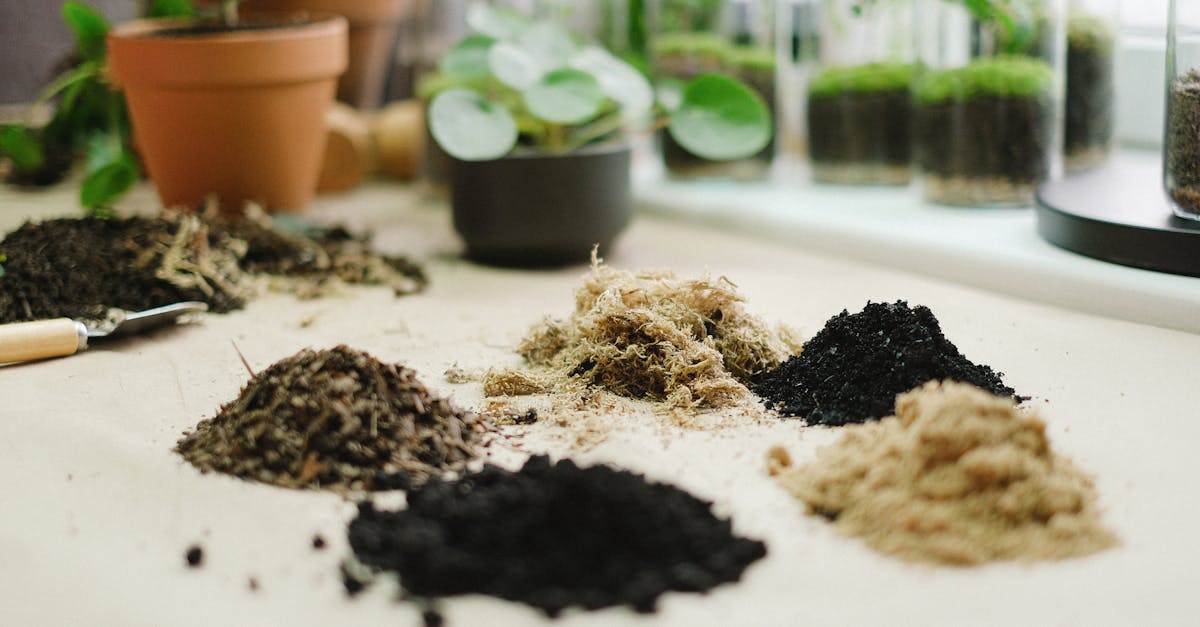
Soils are not simply a dull layer covering the ground. They are complex ecosystems, essential to life on Earth, and play a key role in climate regulation and biodiversity. In 2025, as sustainable agriculture and natural resource management become global priorities, a deep understanding of their composition and functioning is more crucial than ever. Whether to improve crop productivity, preserve biodiversity, or combat climate change, analyzing their characteristics is becoming a real challenge. For example, controlling soil pH or texture can directly influence the growth of Vines and Lands and Wines or the conservation of Earth and Nature. In this world, tools like TerraExpert, EcoSol, or SolPro facilitate this task by enabling precise soil analysis. The key now is to understand that each soil, its textures, structure, and pH, tells a story, challenging even our knowledge to better manage and protect it. Here, everything is based on field science, between observations, analyses, and interpretations, essential to soil formation and ever-more advanced soil laboratory research. So, let’s discover what makes these vital environments so rich or fragile. Discover the importance of soils in our ecosystem, their composition, their role in agriculture, and the challenges they face. Dive into the fascinating world of soils and learn how to preserve this precious resource for future generations. Why pH is an essential indicator in understanding soilsSoil pH isn’t just a number; it’s a true window into its chemical, biological, and even physiological state. In 2025, knowing the exact pH level will become even more critical as agricultural practices evolve to meet the challenges of climate change and sustainability. Acidic or basic soil influences nutrient availability, microbial life, and even structural stability. For example, a pH that’s too acidic can cause toxicity in certain elements like aluminum, which hinders crop growth. Conversely, a pH that’s too basic reduces the effectiveness of certain fertilizers. The good news is that with modern and precise tools like EvaluSol, farmers and gardeners can adjust pH to optimize fertility. Controlling pH is therefore a bit like a key to unlocking the potential of each soil. Furthermore, there is a wide range of pH in nature: acidic soils with a pH below 6.5, or more basic calcareous soils with a pH above 7.5. Balance is critical; rapid action is often necessary in the event of an imbalance to preserve the health of the soil and crops. The science of pH is not just about measurement; it is a process of continuous analysis and adaptation, notably by integrating the BTS Apv (Professional Vocational Training Certificate) profiles to train specialists capable of effective intervention. Understanding the oxidation-reduction potential, like the Eh (Economist’s Ethical Value), allows for a deeper understanding of soils, knowing that even a minimal imbalance can have major consequences on plant growth. Ultimately, everything depends on careful management, regulation, and an ecological understanding of the soil. Discover the importance of soils for our ecosystem. Learn how they influence biodiversity, agriculture, and water quality. Explore the different soil types and their characteristics. Soil Texture and Selection: How to Properly Characterize Them Soil texture is like its personality. It dictates its ability to retain water, allow air to pass through, and be worked. In 2025, precise knowledge of this texture is essential in conversion processes or in daily management. Texture depends on the composition of sand, silt, and clay, which vary according to grain size. Improper distribution can lead to problems such as compaction or erosion. For example, sandy soil is very well-draining but has problems retaining water and nutrients. Conversely, clay soil is often rich but heavy, making it difficult to work. The texture triangle classification allows us to identify whether a soil is loamy, sandy, or clayey, which guides the choice of crops or amendments. The particle size composition is determined based on laboratory analyses, such as the Soil Laboratory. Texture directly influences rooting capacity, permeability, and water storage. For example, in viticulture, a selection adapted to soil texture can make all the difference in developing Terres et Vins wines and expressing their terroir and character. Understanding texture also allows us to anticipate erosion or compaction. This requires analyzing the precise proportion of sand, silt, and clay and their organization. The more homogeneous this organization, the looser and more favorable the soil will be. A detailed understanding of texture is therefore an essential step for optimal management of suitable farmland and grasslands.

The main principles of soil structuring for sustainable agriculture
Soil structure is a living architecture. It is essential for crop health, combating erosion, and regulating water and air circulation. In 2025, more and more tools such as SOL Analyseor EcoSol allow for a detailed assessment of these structures. It is based on the formation of aggregates, these small assemblages of particles held together by elements such as organic matter or root exudates. The stability and size of these aggregates determine porosity, permeability, and resistance to erosion. The distinction between different structures is crucial: they can be compact, granular, or fibrillar. Best practice is to promote the formation of rounded aggregates, which improve overall structure and fertility. Aggregate formation depends on several factors, such as the presence of microorganisms and water storage management. The micro-lumpy or lamellar structure promotes aeration and water retention, essential for crops in arid or peri-urban areas. Innovating in soil management also means leveraging biological dynamics: many organisms such as bacteria and earthworms play a role in natural engineering, ensuring sustainable and resilient agriculture. Considering soil structure means anticipating the long-term impact, favoring methods such as reducing compaction or crop rotation to preserve this living architecture. Soil porosity: a key indicator for water balance Porosity is not simply a void; it is a true internal dynamic of the soil, revealing its ability to store or evacuate water. By 2025, controlling this property will ensure efficient irrigation and prevent drought or saturation. Porosity is divided into macroporosity, which allows rapid water flow and root growth, and microporosity, which retains precious fine water during dry periods. The distribution between these two forms determines soil health. For example, a very porous soil, with a high level of macroporosity, promotes rapid infiltration but can also lead to rapid loss of fertilizing elements. Monitoring hydraulic conductivity makes it possible to assess the soil’s water transfer capacity, which is essential for management in both agriculture and urban gardening. Porosity also depends on the composition of aggregates and organic matter, as well as the presence of organisms such as earthworms that dig favorable tunnels. Modern tools make it possible to precisely measure this property, in order to adapt cultivation practices, limit erosion or strengthen resilience against droughts. In short, controlling porosity ensures the stability of cultivated environments while respecting their biological and physical complexity. Soil Water Dynamics: Between Circulation and Availability Water in the soil is not static: it circulates, is retained, evaporates, or becomes inaccessible to plants. In 2025, these processes are being closely scrutinized to optimize irrigation and fertilization. The ability to retain water, particularly through field humidity, determines crop growth and underground biodiversity. The distribution of water into three main forms—gravity, usable, and unusable water—directly influences soil and plant health. Gravity water, often present after rainfall, can quickly dissipate if the soil is well-draining. Useful water, ideal for growth, remains in the accessible pores, while unusable, finer water remains trapped in the very fine pores, making its recovery difficult. Managing this water also relies on understanding two forces: gravitation and root suction. Measuring the matrix potential (pF) makes it possible to assess how difficult it is for a plant to extract this water. When we talk about water reserves, we must not forget the impact of cultivation practices or soil amendments. For example, in organic farming or viticulture, adjusting soil moisture ensures a sustainable balance between availability and conservation. In short, a better understanding of water circulation helps prevent soil degradation and ensure balanced growth, even in the most extreme environments. https://www.youtube.com/watch?v=qNK1TQJz-Mchttps://www.youtube.com/watch?v=AHiwHK_QxNw

The chemical properties of soil are like its identity card. In 2025, an accurate soil analysis goes far beyond a simple measurement of pH or element concentration—it also includes the capacity to bind and exchange ions.
Cation Exchange Capacity (CEC)is a fundamental indicator. It represents the soil’s ability to retain essential nutrients, such as calcium or potassium, making them available to plants. A high CEC, typical of clay or humus soils, guarantees sustainable fertility. Conversely, soils low in exchangeable cations require careful management. The value of the base saturation rate (V) varies depending on the soil type. For example, a calcareous soil will often have a saturation of 80-90%, which favors certain plants. pH also determines the solubility of toxic or valuable elements. In 2025, pH control is a key element in ensuring the optimal availability of trace elements and managing phytotoxic risks. Retention capacity, the nature of the humus, and pH therefore play a complementary role in the overall assessment of a soil’s fertility. On a practical level, this analysis allows for the guidance of treatments such as lime or soda ash, depending on needs. Soil chemistry also provides insight into humification or degradation processes, microbial interactions, and carbon stabilization. All of this serves to promote respectful, efficient, and sustainable agriculture. Soil organisms, from the infinitely small to the iconic earthworm Soil is like an underground city, populated by immense biodiversity. In 2025, their role in ecological balance is recognized as essential. Each gram of soil contains billions of microorganisms, ranging from bacteria to fungi and worms. This underground fauna ensures the decomposition of organic matter, the recycling of nutrients, and even the formation of soil structure. Microfauna such as protozoa and nematodes, often invisible, regulate the microflora.Mesofauna , such as springtails or mites, break up organic matter to feed the microflora. At the top of the pyramid, macrofauna, including the iconic earthworms, dig tunnels vital for water movement and aeration. Their activity shapes each horizon, the drilosphere, their domain. Beyond their simple mechanical functions, they play a role in climate regulation by storing carbon through the formation of humus. Sustainable management of soil organisms is becoming a lever for preserving the vitality of the territory, particularly in urban or agricultural contexts. These organisms, in symbiosis with vegetation, contribute to the resilience of the earth’s cycle. A detailed understanding of this biodiversity, through the integration of specialized training, is essential to ensure a future that is both productive and ecological. Public vigilance regarding this invisible biodiversity must evolve, as it constitutes the true foundation of Soil and Nature. Soil-related ecosystem services and their importance to society Soils are much more than the basis of food production. By 2025, their role in climate regulation, water filtration, and erosion protection will be recognized as essential services for modern societies. Pollination, water filtration, and carbon storage are all functions provided by soils. Carbon fixation in humus helps combat global warming by storing large quantities of CO2. In the context of Terres et Vins, soil health determines the quality of the wines produced and their distinctive character. Sustainable management of these ecosystems, through initiatives such as agricultural land conversion or continuing education, is becoming essential to preserve the capacity of these soils to provide these services. In cities, the necessary renaturation

Frequently asked questions about understanding soils
How can I easily determine the pH of my soil? It is recommended to use a commercially available test kit or to have a sample analyzed in a laboratory through specialized training. What are the main parameters for analyzing soil texture? Grain size, the proportion of sand, silt, and clay, as well as their organization into aggregates, are essential. The texture triangle method is the most common. What impact does pH have on soil biodiversity? A balanced pH promotes microbial diversity and structural stability, while an extreme pH can reduce biological richness, compromising soil resilience.How can the structure of heavy or compacted soil be improved?Crop rotation, the addition of organic matter (compost), and no-till cultivation promote aggregate formation and porosity. What are the modern tools for soil analysis? Technologies such as TerraExpert, EcoSol, and SolPro offer accurate diagnostics and facilitate integrated management of agricultural or urban land.