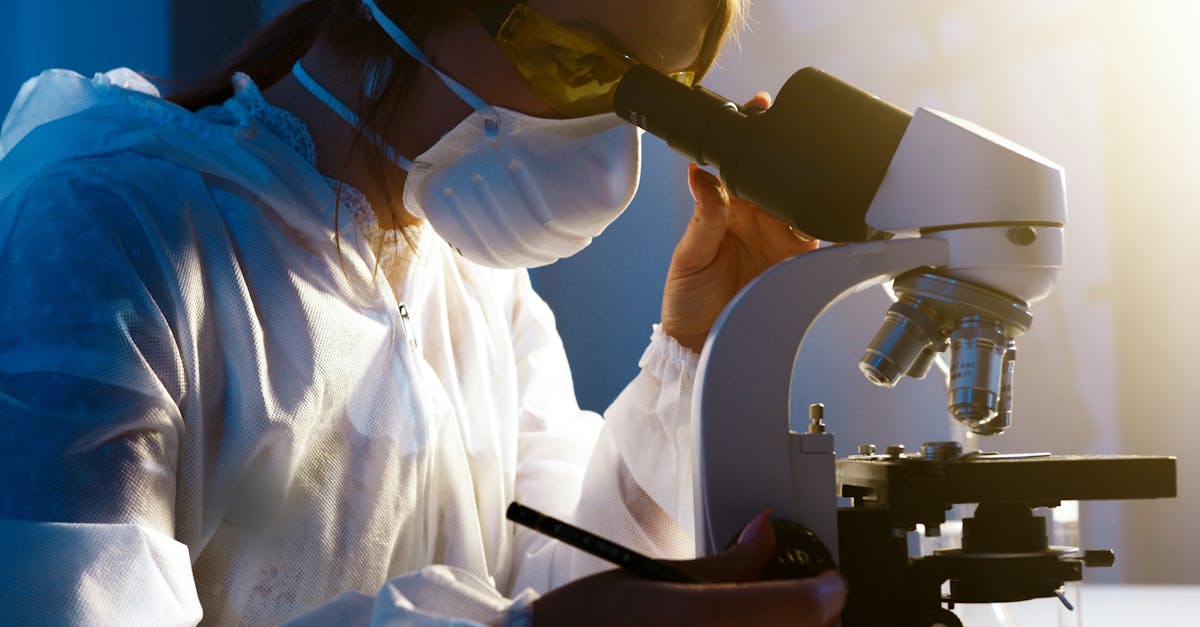
In the field of biotechnology, understanding the difference between bacteria, viruses and fungi is not a simple question of vocabulary. This is an essential step to master their roles, their applications and their impacts on health, the environment or industry. In 2025, with the rapid evolution of research tools and technologies, this knowledge becomes even more crucial. Whether to develop drugs, optimize food production or preserve the ecosystem, differentiating these microorganisms is putting your finger on the key to success. But then, how to navigate this microscopic diversity? What precisely are their fundamental differences, their lifestyles, their interactions with humans and their place in biotechnology? This is what I will help you untangle, in order to provide a clear and precise vision of what these terms cover, often confused among the general public but radically distinct in laboratories. It is a journey to the heart of the invisible, where each microbe has its own characteristics, challenges and uses, from biofilms to vaccines, including industrial fermentation.
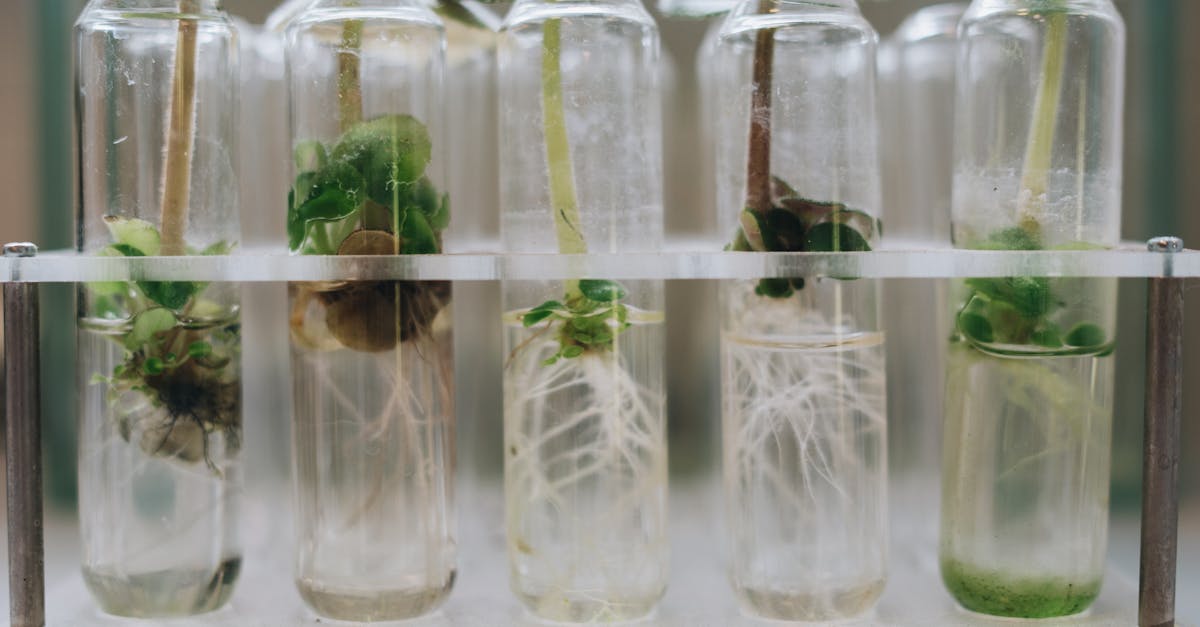
Bacteria: living organisms with multiple facets in biotech
Bacteria are a bit like these little artisans of nature: they are unicellular living beings that play a leading role in our planet, in our body, and in industry. But concretely, what distinguishes a bacteria?
- These are organisms prokaryotes, that is to say they do not have a defined nucleus, their genetic material being dispersed in their cytoplasm.
- There are some millions of species, each adapted to a specific environment, whether in water, soil or our own bodies.
- Bacteria are capable of multiply quickly, sometimes in a few hours, which gives them an exceptional capacity for adaptation in biotech.
For example, for the production of certain drugs, such as insulin or growth hormone, modified bacteria are used. The Roche firm, for example, uses advanced techniques to insert human genes into bacteria, allowing them to produce them in large quantities. Biotechnology is at the heart of the pharmaceutical industry, with players like Genzyme or Ipsen innovating in this area.
But bacteria are also a whole pathogenic universe. Some cause diseases like tuberculosis or salmonellosis, so how can we fight against them? The answer lies in a detailed understanding of their metabolism and structure, to develop antibiotics or rapid detection techniques — for example, UV-visible spectroscopy or electrophoresis methods.
In research and development, companies like Thermo Fisher Scientific offer sophisticated equipment to analyze these microorganisms. The key is to quickly identify their nature to effectively target their elimination or use. And if we want to go further, the modeling of biofilms or the study of microbiota, particularly those of the intestine, make it possible to make major advances in personalized medicine and nutrition.
| Characteristic | Description |
|---|---|
| Cell type | Prokaryotic, unicellular without nucleus |
| Reproduction | Fast binary division (Hrs to days) |
| Biotech applications | Drug synthesis, bioremediation |
| Dangerousness | Pathogenic or beneficial depending on the species |
Viruses: parasites incapable of living alone
Viruses are another story. Both fascinating and formidable, they challenge our vision of life. Because, in reality, they are not really living beings in the traditional sense. Are they microorganisms like bacteria or fungi? Not really.
- Viruses do not have their own metabolism. They cannot produce energy or reproduce on their own. Their function is based on a single thing: infecting a host cell. They are composed of a protective shell, called a capsid, which contains either DNA or RNA.Once inside a cell, they take control of the cellular machinery to produce copies of the virus.
- In biotech, this ability is exploited for the production of vaccines or gene therapies. For example, some COVID-19 vaccines use modified viral vectors, such as those produced by Sanofi or GSK, to teach the immune system how to recognize the virus. But the challenge with viruses is their ability to evolve rapidly. New variants are continually emerging, such as those of SARS in 2020 or the influenza virus, which complicates their control. Their spread, through coughing, contact, or even through the air, also makes them highly contagious infectious agents, requiring the development of effective prevention strategies.Specific vaccines for each virus
- Antivirals to slow their life cycle Strict health measuresResearch is also focusing on nanotechnology and synthetic biology to create safer viral vectors or to stop their ability to mutate. Some companies like GSK are innovating by offering messenger RNA vaccines, allowing rapid adaptation to new emerging viruses.
Appearance
Details
- Composition
- Capsid + genetic material (DNA or RNA)
- Method of reproduction
Infection of cells to produce new viruses
| Impacts in biotech | Vaccines, therapies targeting the viral cycle |
|---|---|
| Challenges | Emergence of variants, resistance to antivirals |
| Fungi: multifunctional eukaryotic organisms in biotech | Fungi are like the eukaryote family, with all their complexities. They include unicellular organisms such as yeast, but also multicellular forms known as molds or larger fungi. Their role is just as essential in many sectors. |
| They have a well-defined nucleus and a complex cellular structure, comparable to that of plants or animals. | Yeasts, in particular, are widely used in fermentation, for making bread, beer, and cheese. The Pierre Fabre company also relies on these microorganisms to produce innovative biomedicines. Molds, such as Penicillium, led to the discovery of penicillin, the first natural antibiotic, paving the way for a whole range of new therapeutics. |
| In biotech, their ability to produce enzymes and active substances is invaluable. Controlled fermentation enables the synthesis of drugs, vaccines, and environmentally friendly raw materials. It is a sustainable alternative, particularly in the face of dwindling natural resources. | Characteristics |
Key Information
Type of Organism Eukaryotes, Unicellular or Multicellular Applications in Biotech Production of Antibiotics, Enzymes, Vaccines Cell Structure
- Defined Nucleus, Organelles, Cell Wall Historical Significance Discovery of Penicillin, Industrial Fermentation
- Key Differences Between These Three Types of Microorganisms in Biotech To gain an overview, it is helpful to compare these three groups based on a few key points:Criteria
- Bacteria VirusesFungi
Structure
| Prokaryote, unicellular | Part of the living, no cell of its own |
|---|---|
| Eukaryote, unicellular or multicellular | Metabolism |
| Autonomous, feeds on its environment | Infects a cell to reproduce |
| Use fermentation or enzyme synthesis | Applications |
| in biotechnology | Medicines, bioremediation, agriculture |
Vaccines, antiviral therapies
Food, drugs, industrial enzymes
| Risks | Pathogenic or beneficial | Highly contagious diseases | Often harmless, except for certain toxic fungi |
|---|---|---|---|
| The impacts of these microorganisms on health and the environment in 2025 | Advances in biotechnology mean that these microbes are not only harmful or beneficial, they are also becoming levers for treating, protecting, and preserving our planet. How? Beneficial bacteria, such as those in the intestinal microbiota, aid digestion and strengthen our defenses. | Modified or synthetic viruses give rise to new vaccines, sometimes requiring a boost in just a few weeks. | Fungi, through fermentation, contribute to the production of bioplastics or anti-infectious substances. |
| Manufacturers such as Biomerieux, Novartis, Sanofi, and GSK are investing in research to exploit these modern microorganisms. With tools such as genome sequencing and advanced cell culture, they are paving the way for increasingly personalized, environmentally friendly, and innovative medicine in its biotechnological applications. | Discover the fascinating world of biotechnology, a discipline that combines biology and technology to develop innovative solutions in medicine, agriculture, and the environment. Explore how biotechnological advances are transforming our future. | Frequently asked questions about the difference between bacteria, viruses, and fungi in biotech | What is the main difference between bacteria and viruses? |
| Bacteria are autonomous living organisms, capable of reproducing by division. Viruses, on the other hand, cannot live alone and depend on a host cell to multiply. Are all fungi harmless in biotech? | No, some can produce toxins or cause disease, but many are used for the production of drugs or sustainable bioproducts. | How can these microorganisms be differentiated during technological research? | Analytical techniques such as electrophoresis, spectroscopy, and cell culture allow them to be distinguished quickly and precisely. |
| What future does these microbes hold in the medicine of tomorrow? | They will pave the way for more targeted treatments, the fight against resistance, and the development of vaccines at the cutting edge of modern biotechnology, with players such as Ipsen and Pierre Fabre leading the way. |