
In the French agricultural landscape, land management relies on a specific legal framework that governs the relationship between landowners and farmers. Since the 1946 law, the status of tenancy and rural leases have formed the cornerstone of this organization, ensuring stability, security, and harmony in land exploitation. Yet, despite their vital importance to the sector’s sustainability, these rules often remain unknown or even misunderstood. In 2025, as agriculture faces new ecological and economic challenges, it has become crucial for associated farmers, agricultural cooperatives, and all those involved in rural management to master its intricacies. This system, shaped by decades of legal developments, continues to evolve to adapt to modern realities, such as urban agriculture and the ecological transition. But how does the status of tenancy work in practice? What are its fundamental rules? And how can we ensure that the rural lease contract meets current issues while protecting everyone’s interests? Let’s unpack these essential elements that form the foundation of modern French agriculture.
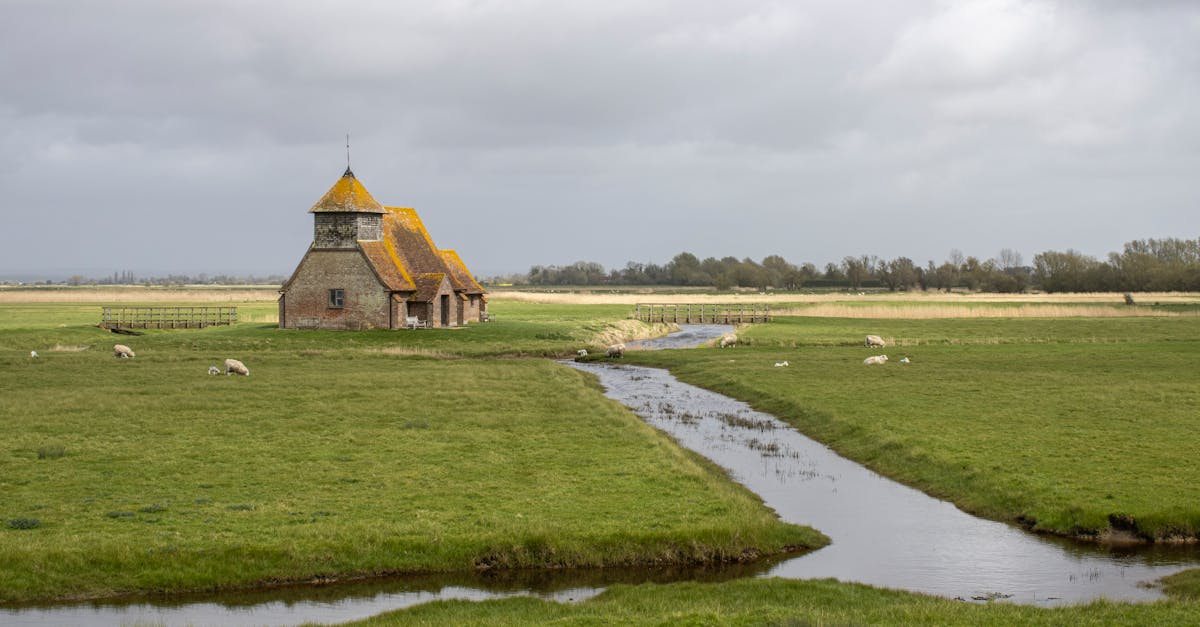
The fundamental principles of the status of tenancy and rural leases in France
Since its inception, the tenancy agreement has been based on principles of security and balance between the parties. Specifically, it is an agreement between a landowner and a farmer, allowing the latter to use the land for agricultural purposes. The Rural and Maritime Fisheries Code, which governs these relationships, strictly regulates their content and duration. The tenancy agreement thus guarantees a number of rights but also imposes specific obligations.
Here are some key elements that illustrate its solidity and simplicity:
- 🔒 Minimum term of 9 years: Stability❗ is guaranteed for the farmer, who can invest with complete confidence.
- 🔁 Automatic renewal: The lease is automatically renewed for the same period, unless the owner decides to take back the land under strict conditions.
- 💰 Tenancy supervision: The amount of the rent (closed) is set according to regular prefectural decrees to prevent any abuse. 🚫
- Restrictions on transfer: Rights cannot be transferred to a third party without specific agreement, with some exceptions. This legal framework is designed to encourage sustainable investment in agriculture while protecting the economic stability of the farm. The key to success lies in respecting these principles, which help maintain the balance between farmer security and the sustainability of rural properties.
Rural leases are not limited to simple rentals. Depending on the law and specific needs, they can take various forms, particularly in terms of duration and environmental clauses. The variety of these contracts offers great flexibility, but also challenges in terms of management and adaptation to the changing agricultural world in 2025.
The main types of leases encountered today include:
📝
- Short-term lease: Less than 9 years, often used for temporary or seasonal activities. Its main disadvantage is its uncertain renewal, which can weaken the farm. 🔄
- 9- to 18-year lease: More stable, ideal for young farmers looking to establish a long-term business. 🏡
- Long-term lease (up to 25 years): Promotes security and succession, particularly for family farms or agricultural cooperatives. 🌱
- Environmental lease: Includes clauses aimed at preserving biodiversity, soil, and water, essential for modern, environmentally friendly agriculture. These various forms are adapted to different farmer profiles, depending on their project, environment, and investment capacity. A thorough understanding of these options is essential to optimize rural management and secure the future of all parties. Lease Type 📄
Duration
| Main Objectives 🎯 | Short Lease | Less than 9 years |
|---|---|---|
| Seasonal activities or experiments | Medium Lease | 9 to 18 years |
| Support for sustainable settlement | Long Lease | Up to 25 years |
| Transfer, stability, family management | Environmental Lease | Variable, with specific clauses |
| Protection of biodiversity and natural resources | Discovering all possible options is a real asset in meeting the challenges of 2025, particularly in the attempt to evolve land management in favor of sustainable development. | Discover rural leases: a suitable legal solution for farmers. Learn all about the rights, obligations, and benefits of rental agreements in rural areas to optimize your business and take advantage of this unique environment. |
Environmental clauses: a new dimension of rural leases in 2025
Environmental clauses can cover various actions such as:
🌿 Limiting or banning the use of pesticides and plant protection products
🌾 Creating or maintaining permanent plant cover
- 🌳 Planting hedges, trees, or wildlife refuge areas
- 💧 Preserving water resources, particularly through erosion control measures
- This type of lease requires legal and agronomic expertise to define appropriate and sustainable clauses. It represents an excellent opportunity for farmers wishing to combine profitability and ecological responsibility, in line with the national strategy “Pathways to Sustainable Land Management.” Rural Lease Disputes: Understanding the Legal Issues in 2025
- Disputes are common in the area of rural leases. Easy to understand, they often involve disagreements over the calculation of the rent, the termination, or the assignment of the lease. The legal complexity, inherited from several decades of legislation, often forces the parties to resort to specialized legal proceedings: the Joint Rural Lease Tribunal.
The main grounds for disputes relate to:
⚖️ The fair amount of the rent, often questioned during periods of inflation or economic fluctuation
🚫 Challenging the termination or non-renewal of the lease without compliance with legal rules
🤝 Misinterpretation of contractual clauses, leading to protracted disputes
- 🔍 Verifying compliance with environmental clauses in rural leases
- It is strongly recommended to prioritize amicable resolution, particularly through mediation or negotiations assisted by Rural Law specialists such as Fermage Expert. This often helps preserve the common interest and avoid lengthy and costly litigation.
- https://www.youtube.com/watch?v=Uky2PhclYcM
- Future Challenges for Rural Law and Agricultural Lease Management in 2025
Faced with increased globalization, major environmental issues, and the digital transition, rural law must evolve. Farm transfer, for example, remains a major challenge, with an urgent need for legislative adaptations. The aging of farmers and the difficulty of young people establishing themselves are forcing a rethink of lease management and duration.
To better anticipate these changes, it is essential to follow the recommendations of
Fermage Expert
and rural management stakeholders, who are working to adapt the legal framework to the challenges of 2025 and beyond.
FAQ on the status of tenancy and rural leases in France What are the main rights of the tenant in a rural lease? The possibility of renewing the lease, benefiting from a framework for tenancy, and transferring the contract to descendants.
How long does a rural lease last on average?
- The standard term is 9 years, but it can be extended up to 25 years for long-term and environmental leases. Can a rural lease evolve into an environmental lease?
- Yes, these clauses allow for the integration of ecological measures while respecting the principles of the status of tenancy. What are the main disputes encountered in rural management?
- The most common issues are rent calculation, termination, and contesting environmental clauses. How can we anticipate the transfer of farms?
- By adapting the legal framework and favoring leases adapted to the new requirements of the rural world.