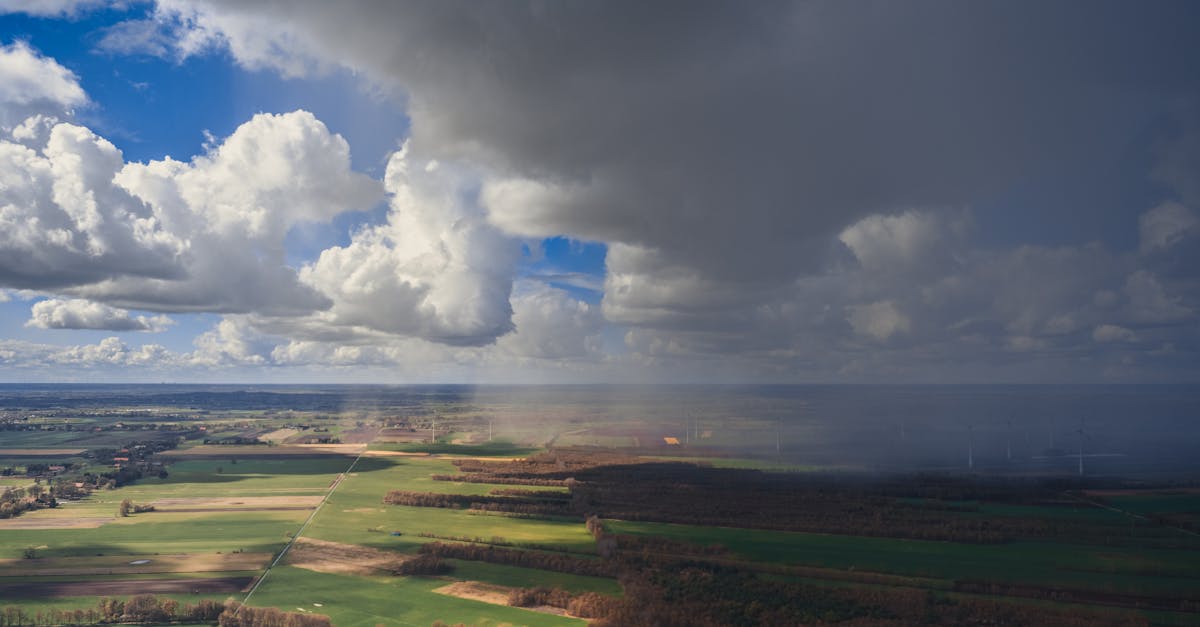
Optimizing Crop Rotation: A Crucial Issue for Sustainable Farmland Management
In a context where pressure on natural resources will become increasingly significant in 2025, mastering crop rotation optimization appears essential to ensure the sustainability of farms. Effective crop rotation management improves productivity, reduces the use of plant protection products, and, above all, preserves soil health. Major players in the sector, such as Syngenta, Bayer, and Limagrain, are now promoting innovative solutions and simulation tools to support farmers in this approach.
Proper crop rotation planning is also a matter of resilience in the face of climate hazards, particularly in 2025 when droughts and floods are expected to increase. It is becoming crucial to rethink cropping methods, notably by integrating more resistant varieties and water management techniques. The key to success therefore lies in a comprehensive strategy, combining technological innovations, field experiments, and respect for economic and environmental constraints. How can we optimize crop rotation to meet these complex challenges?

The fundamentals of crop rotation optimization according to 2025 agricultural research
- Understanding crop rotation: why varying crops improves soil health 🌱
- Integrating cover crops: how to reduce erosion and increase soil fertility 🛡️
- Using digital tools: which applications like Asalée can simulate different scenarios? 🚀
- Managing water consumption: what strategies for efficient irrigation? 💧
- Complying with regulations: how to reconcile productivity and the current regulatory framework? 📝
| Criterion | Example | Impact |
|---|---|---|
| Profitability | Reduction in fertilizer inputs through rotation | 15% increase in margins by 2025 💶 |
| Climate resilience | Introduction of drought-resistant crops | Greater yield stability 🌞🌧️ |
| Environmental impacts | Use of cover crops | 20% reduction in carbon emissions 🚜🌿 |
The key steps to developing an optimal crop rotation system in 2025
It all starts with precise knowledge of your land. Analyzing the soil, topography, and local climate are essential first steps. Next, you need to define the farm’s objectives: maximize profitability, reduce environmental impact, or strengthen resilience to hazards.
Once these elements have been identified, the next step is to model different scenarios. Tools like Asalée can predict the effect of each rotation on fertility, water consumption, and profitability. It’s also important to choose suitable crops, taking into account their compatibility with each other and their contribution to the system’s balance. Here’s a concrete list of steps to help you get started:
Study soil composition with a soil analysis expert 🌱
- Develop a rotation plan adapted to the region and technical constraints ⛰️
- Use simulation software to test multiple configurations 📊
- Integrate cover crops to improve soil health 🦋
- Adopt specific irrigation practices to limit water consumption 💦
- Check compliance with local and European regulations 📜
- The concrete benefits of an optimized crop rotation in 2025
Farms that have adopted this approach are rethinking their management with a clear objective: doing more with less, while respecting the environment. A well-thought-out rotation achieves several benefits:
A significant reduction in the use of plant protection products 🌿
- Improved profitability through more efficient use of resources 💰
- Better crop resilience to extreme weather events 🌪️
- Increased soil value, a source of long-term income 💪
- A better reputation among environmentally conscious consumers 🌍
- Discover the importance of crop rotation to maintain soil health, improve biodiversity, and optimize agricultural yields. Learn the techniques and benefits of sustainable land management. Technological innovations to optimize crop rotations in 2025
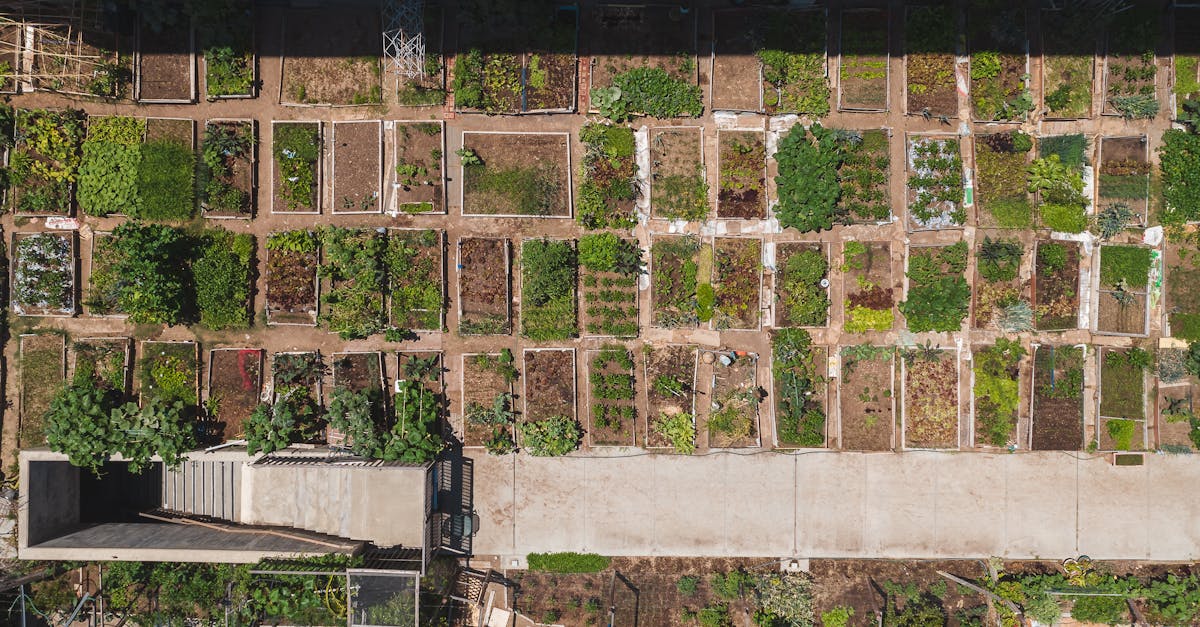
Simulation software: such as Asalée or Grainvest, which allows for testing different action scenarios 🌐
Connected sensors in soils and on crops to precisely monitor water and nutrient needs 🌡️
- Innovative seed varieties, more resistant to disease and drought 🌟 Drones and photogrammetry to quickly analyze crop conditions in large areas 🚁
- The use of these technologies is an essential step in achieving the 2025 targets, particularly within the framework of sustainable and economically viable management. Concrete examples of integrating crop rotation optimization into innovative economic systems
- Many farms are already experimenting with these innovations. For example, a farm in Lot-et-Garonne has been combining conventional agriculture and agroforestry since 2023. It began by diversifying its crops using seed varieties from Bayer and Limagrain, while reducing its water consumption through smart management via Fertilidées and Société Générale des Semences.The results are encouraging: an average yield increase of 20% and a profitability increase of 12%, while reducing chemical use by 15%. Raising awareness among farmers through ongoing training, organized by Terres Inovia, also represents an essential step in accelerating this transition. https://www.youtube.com/watch?v=QC5HC7lUISo
- https://www.youtube.com/watch?v=TfwKOE_bv4g FAQ: Everything you need to know to successfully optimize a crop rotation in 2025
How do I start optimizing my crop rotation?
You must first carefully analyze your soil composition, set your goals, and, if possible, use simulation tools like Asalée to test different options.
What are the main levers for improving climate resilience?
Integrating drought-resistant crops, promoting cover crops, and optimizing irrigation using connected sensors remain the key solutions.
Which technological tools should you prioritize? Simulation software, connected sensors, and innovative seed varieties offered by major players such as KWS and RAGT Semences.
- What role will regulations play in 2025?
- It imposes a strict framework but also encourages the adoption of environmentally friendly agricultural practices, particularly in the use of water management and plant protection products.