Corn Pests: Prevention and Control, a Crucial Challenge for 2025
In the current agricultural context, where global demand for corn continues to grow, protecting this crop from pests is becoming a major challenge. In 2025, with the rise of sustainable techniques and the need to reduce pesticide use, it is more essential than ever to understand which pests are endangering our fields. Economic interests, as well as the health of our crops, require increased vigilance regarding prevention and control methods. Comprehensive and rational control of these pests relies as much on preventive strategies as on targeted interventions, integrating chemical, biological, and agronomic solutions. The complexity of the life cycle of the main pests, their ability to adapt to new climatic conditions, as well as their potential harmfulness, require careful management. In particular, it is essential to know how to quickly detect the first signs of infestation to avoid often irreversible losses. The key lies in a proactive approach, combining technological innovation, respect for the environment, and compliance with pest thresholds. In this article, we provide you with all the keys to understanding, preventing, and effectively combating these corn pests.
Why is crop protection essential to preserving corn yield potential in 2025?
Protecting corn from pests isn’t just a matter of control. It’s truly a strategic approach aimed at preserving plant health, ensuring optimal growth, and ensuring farm profitability. In 2025, with increasing seeding rates and the need to optimize each hectare, each pest attack can have a devastating impact. Indeed, pests like the European corn borer or wireworms responsible for root damage can significantly reduce harvests and even compromise the health of the final product. An uncontrolled infestation can lead to a sudden drop in productivity, as well as high costs related to treatments or replanting. This is why it’s crucial to adopt an early, proactive approach, particularly with regular monitoring. Technology also plays a key role: sensors, drones, and mobile applications now make it possible to observe warning signs with even greater precision. Ultimately, anticipating and controlling pests is the best way to address the duality of economic pressures and environmental challenges, particularly by using biodiversity-friendly solutions. By following this logic, stakeholders in the agricultural sector, whether small farms or agribusiness giants, can face 2025 with confidence.
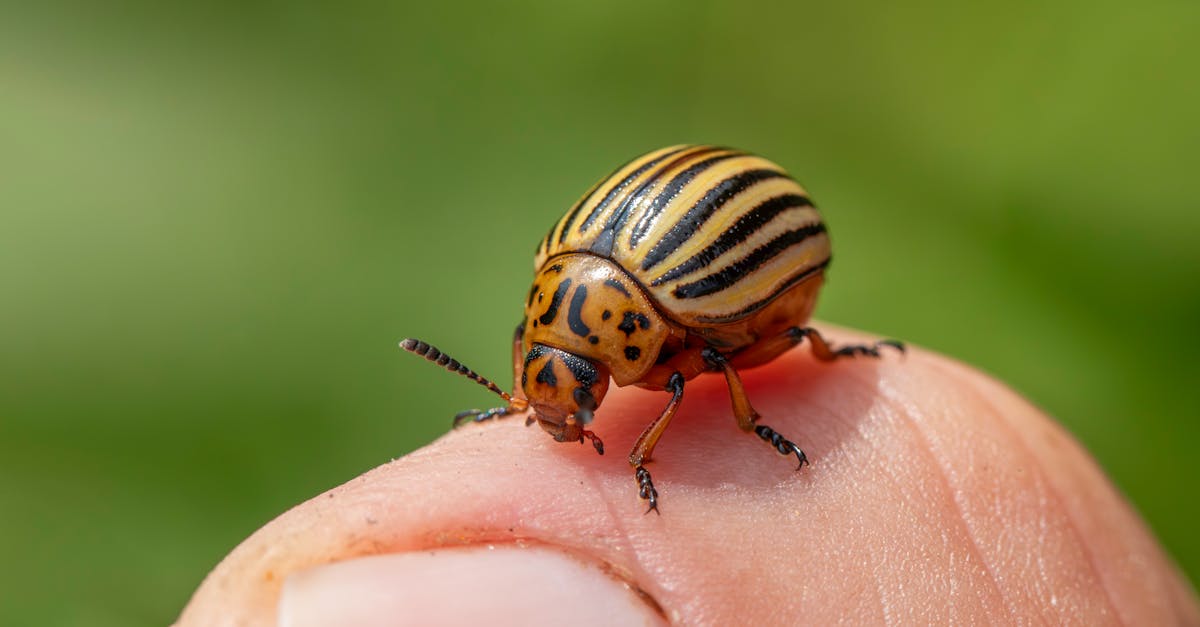
The main corn pests to know in 2025: identification, damage, and pest thresholds
Providing an accurate overview of pests is the first step toward effective action. In 2025, the list of these pests has expanded, with new species or variants capable of adapting quickly to modern agricultural practices. Among them, some are better known: the European corn borer, the Sesamia nonagrioides caterpillar, and wireworm larvae, which primarily attack roots. Others, less visible, can nevertheless cause considerable losses if their development is not controlled in time. Understanding their life cycle helps plan interventions: for example, detecting the presence of galleries, observing deformations, or identifying degraded areas. Harmfulness also varies depending on their stage of development: an alert must be issued as soon as the harm thresholds, often expressed as a percentage of attack or damage density, are exceeded. It is also essential to know these thresholds to avoid unnecessary treatment, which contributes to rational and sustainable management. Controlling these parameters requires regular monitoring and in-depth knowledge of the species concerned, particularly with the availability of modern diagnostic tools. By integrating these elements into a comprehensive strategy, farmers gain efficiency and sustainability, while reducing their dependence on chemicals.
| Pest | Signs of attack | Impacts on the crop | Preventive measures |
|---|---|---|---|
| European corn borer 🦋 | Perforations, galleries in stems, deformed ears | Yield reduction of 10-30%, decreased quality | Biological control, rotation, early treatment |
| Sesamia nonagrioides 🐛 | Galvanization at the base, broken plants | Premature fall, biomass loss | Installation of nest boxes, monitoring of thresholds, integrated pest management |
| Wireworms 🐞 | Yellowing plants, gnawed roots | Slow growth, poor root development | Crop rotation, deep plowing |
Effective prevention strategies for corn pests in 2025
Prevention is often better than cure, especially when it comes to corn pests. In 2025, prevention relies on a multitude of techniques aimed at limiting the establishment or proliferation of pests, even before they appear. The first step is to regularly monitor your crops. Careful monitoring of symptoms allows for early identification of an ongoing or imminent attack. As soon as the first signs are noticed, action must be taken in a reasoned manner, using natural methods if possible. These include installing bat boxes, which particularly consume corn borers, or planting trichogramma—micro-wasps that parasitize eggs—which are very effective. Crop rotation is also essential: regularly changing crop types to limit the presence of specific pests. Managing field residues, starting seeds early or late, and choosing varieties with high vigor also help limit their development. Understanding the local context, particularly with the help of digital tools, facilitates the implementation of these measures. Finally, diversifying techniques before resorting to chemical treatments helps preserve biodiversity while keeping costs reasonable. Prevention, when properly implemented, becomes an essential ally for maintaining crop health while respecting the environment.
Corn Pest Control Methods: Chemical, Biological, and Agronomic Combinations in 2025
Corn pest control must combine several levers to be effective while remaining sustainable. In 2025, the deployment of integrated techniques is part of a targeted protection approach, reducing environmental impact and overall cost. Chemical control, for example, now relies on highly targeted products, often based on innovative active ingredients from major companies such as Syngenta, Bayer, or BASF. Seed treatments, notably using technologies from Dupont or Monsanto, limit the proliferation of pests from the outset. However, these products are becoming less versatile, requiring the use of agronomic methods as well. Crop rotation, for example, limits continuity for certain pests. Residue management and the selection of resistant varieties also play a key role in pest control. In addition, biological control is emerging as an innovative solution: releasing microorganisms, introducing beneficials, or encouraging biodiversity around fields can reduce pesticide use. The key to this approach lies in the synergy between these different methods to optimize protection and limit pest resistance. Moreover, the use of new technologies, such as big data, makes it possible to unify all of this and ensure intervention at the most opportune time.
| Control Method | Examples of Actions | Advantages | Disadvantages / Precautions |
|---|---|---|---|
| Chemical 🧪 | Localized treatments, treated seeds | Rapid, targeted protection | Possibility of resistance, environmental impact |
| Agronomic 🌱 | Rotation, early sowing, residue management | Sustainable, compatible with sustainability | Complex management, dependent on climatic conditions |
| Biological 🦋 | Trichogramma, nest boxes, microorganisms | Respect for biodiversity, few side effects | Slower effect, requires precise monitoring |
Best practices for integrated pest management of corn in 2025
In 2025, the most effective approach to managing corn pests combines constant vigilance and intelligent integration of control methods. Integrated pest management is not a magic formula, but rather a philosophy that involves balancing prevention, monitoring, and targeted interventions. The first, essential step is the establishment of a precise schedule for regular monitoring, particularly during sensitive periods. Then, the selection of diversified methods helps avoid the development of resistance or the overuse of certain products. The most recommended practice remains crop rotation, reinforced by residue management and variety diversification. Biological control, with its natural agents such as Trichogramma and bat boxes, offers encouraging results. As soon as a pest threshold is reached, precise and reasoned treatment must be considered, taking into account the recommendations of suppliers such as InVivo or Corteva. The use of modern technologies, such as drones or connected sensors, allows for optimized intervention timing. This integrated strategy, exemplified on several farms in France, guarantees cost reductions, biodiversity preservation, while maintaining crop profitability. Success depends above all on the ability to adjust these practices according to local conditions and pest development.
Innovations and Future Outlook for Corn Pest Control in 2025
In 2025, technological advances will bring a new dimension to corn pest control. Research and development have led to the creation of resistant, genetically resistant, or tolerant varieties, often resulting from collaborations between Monsanto, Syngenta, DuPont, and InVivo. Furthermore, artificial intelligence, coupled with robotics, facilitates the early detection of infestations. Drones equipped with multispectral cameras scan fields in minutes, identifying at-risk areas with near-surgical precision. Geolocation of attacks allows for less global, but more targeted intervention, thus limiting the use of plant protection products. Modeling pest development, based on climate and agronomic data, also optimizes treatment planning. Another promising area of development concerns biotechnology: GMOs such as Bt corn remain an excellent means of control, but their use must be integrated into comprehensive management to avoid resistance. Finally, digital tools, such as collaborative platforms or mobile applications, allow farmers to share their observations and monitor pest progression in real time. All of this helps reduce dependence on chemicals while increasing crop sustainability.
Frequently asked questions about corn pest control in 2025
- How can a European corn borer attack be detected early? The main signs are perforations in the stalks, the presence of sawdust, or visible deformations on the ears. Regular monitoring, coupled with the use of modern tools such as drones, allows for very early detection.
- Are organic methods really effective in 2025? Yes, with the advent of new techniques based on microorganisms or beneficial organisms, their effectiveness continues to increase. Solutions such as trichogramma or the installation of a bat habitat have shown very good results on several farms.
- Is the use of GMOs still a viable option? Bt corn, in particular, offers effective protection against certain adult and larval insects. However, their use must be accompanied by integrated management, with appropriate rotation, to limit the risk of resistance.
- Why is it so important to avoid excessive use of pesticides? To preserve biodiversity, limit pest resistance, and comply with the strict 2025 regulations aimed at reducing environmental impact. Integrated pest management guarantees sustainable crop management.