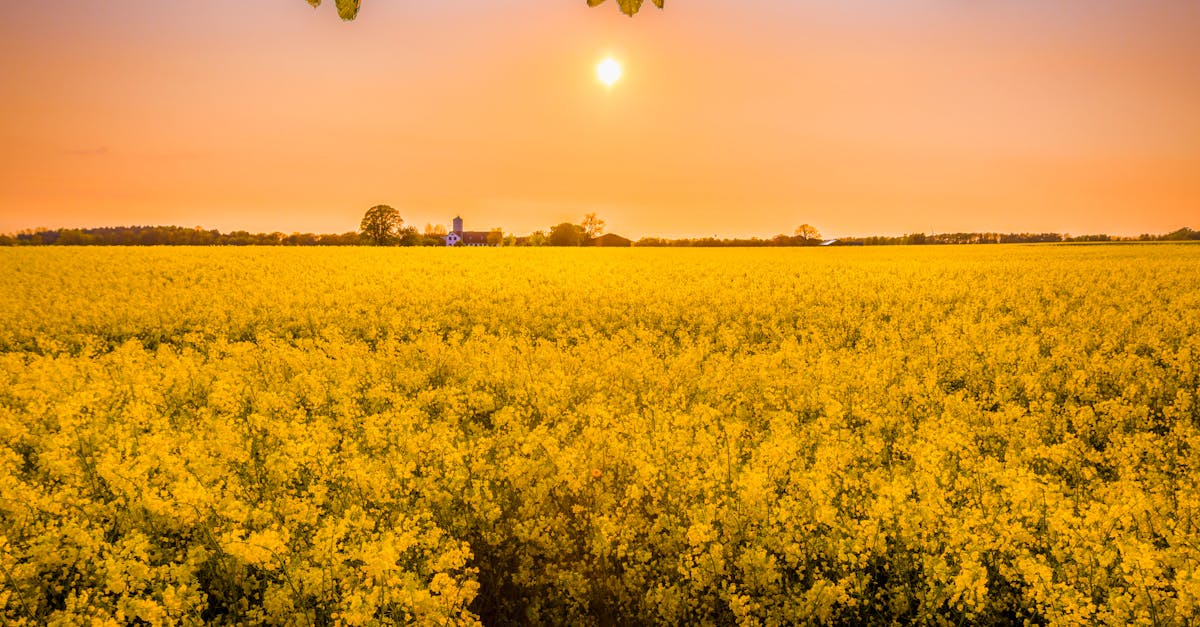
Why monitoring a rapeseed plot in 2025 is becoming crucial for productivity
In today’s vigorous and ever-changing agricultural environment, monitoring rapeseed plots is no longer an option but a necessity. The 2025 season, for example, is marked by challenges related to climate change and disease control. So, why implement precise and regular monitoring of this important crop? The answer lies in the ability to anticipate, react, and optimize each stage of the crop to maximize yields. Monitoring not only allows for observing growth, but also for the early detection of problems such as insect infestations or diseases, which are often invisible to the naked eye. When it comes to rapeseed plots, proactive management must be considered, incorporating regular observations, the use of management tools, and the use of partners such as Agriconomie or TerraNova, who are true allies in this approach. In 2025, this method will become an essential lever in the face of weather uncertainties, new regulatory challenges, and the need for more sustainable agriculture. It’s not enough to just sow, but to monitor, adjust, and harvest at the right time. The ability to do this monitoring effectively, using tools like the Cultiv’Avenir software or the EcoCultures program, is what differentiates an innovative producer from one struggling. In short, plot monitoring is the key to adapting to a rapidly changing environment while ensuring profitable and environmentally friendly production.
The essential tools for precise and efficient monitoring of your rapeseed plot
So, what are the tools, methods, or technologies that will enable rigorous monitoring of your plot in 2025? With technological advances, several tools are emerging and being integrated into a SmartFarming approach. GPS and drone technology, for example, allow for extremely precise mapping of the plot. These images are used to quickly detect problem areas, such as areas of the crop that are suffering or overrun by pests. Furthermore, the use of sensors integrated into the soil allows for real-time monitoring of soil moisture, temperature, and composition—fundamental elements for adjusting fertilization or irrigation. There are also dedicated software programs like AgriPartner, which centralize all this data to facilitate analysis. The TerraNova platform or Cultiv’Avenir software allow you to monitor each stage of the crop, anticipate future operations, and collaboratively manage interventions. The trend is clear: combining field observations, connected technologies, and databases for integrated management. For example, using EcoCultures, it becomes possible to remotely monitor plant health and adjust pest or disease control, thus avoiding unnecessary or ineffective treatments.
Monitoring Tools in 2025
Key Features
| Benefits | Drone + Sensors | Mapping, Sensitive Area Detection |
|---|---|---|
| Speed and Accuracy | Agribio or Cultiv’Avenir Software | Analysis, Planning, and Management Informed Decisions and Time Savings Ground Sensor Systems |
| Real-Time Monitoring of Moisture and Fertilization | Input Optimization and Cost Reduction | Discover canola, an oilseed plant with multiple benefits. Learn more about its nutritional properties, its uses in cooking, and its impact on health. Explore canola varieties and their role in sustainable agriculture. Regulatory and practical monitoring: how to measure the health of your rapeseed in 2025 |
| In the current context, monitoring your crop is not limited to visual observation. Regulations require increased vigilance regarding the use of plant protection products and pest management. What concrete practices can be adopted to comply with these standards while ensuring plant health? The key lies in implementing meticulous regulatory monitoring, which introduces an integrated pest management approach. Pest management thus becomes more targeted, prioritizing prevention and early detection. With tools such as | Opting for resistant varieties | or Regular monitoring |

Key Regulatory Monitoring Actions 2025
Points to Monitor Tools or Methods Regular Inventories Aphids, Diseases, and DamageObservation Sheets and Mobile Apps
Rational use of products Compliance with doses and timing Risk analysis with EcoCultures or AgriPartner
| Specific pre-harvest monitoring | Health quality and regulatory compliance | Visual and technical inspections |
|---|---|---|
| Discover everything about canola, an oilseed plant with multiple benefits. Learn about its nutritional benefits, its uses in cooking, and the importance of its cultivation for sustainable agriculture. | Best practices for a rapeseed cultivation journal in 2025 | Keeping an accurate cultivation journal is not an optional step, but an essential one. How can you capture all the nuances of your rapeseed’s growth? First of all, it is essential to document each step: from planting, to phytosanitary treatments, including fertilization and harvesting. This practice allows you to take stock of the situation and anticipate interventions for the following season. When comparing plots or relying on historical data, the accumulated knowledge becomes a real asset in effective crop management. |
| Furthermore, to facilitate traceability, it is recommended to use digital tools, such as Rural Connect or Agriconomie software, which centralize observations and automate report generation. The crop log, updated at each stage, also serves to better manage interventions such as pest control or fertilization, while respecting the prescribed doses. By 2025, this practice will become an essential habit for any farmer concerned about the performance and sustainability of their crops. | Examples of data to record in the log | Benefit |
| Best tools | Sowing date and conditions | Reproduce the right conditions or adjust future plantings |

Phytosanitary observations
Anticipate and act quickly against diseases/pests
Digital Records and Mobile Apps
| Fertilization and Treatments | Optimize Inputs and Monitor Efficiency | Excel Spreadsheet or Specialized Software |
|---|---|---|
| Discover everything about canola, a plant with multiple benefits. Learn about its origins, uses, and the benefits of canola oil for your health and cooking. Ideal for a healthy and balanced diet. | Integrating Digital Technologies to Improve Your Monitoring Log in 2025 | How are digital innovations transforming crop log management? The year 2025 will see the rise of integrated solutions, combining data collection, analysis, and sharing. Applications such as AgriPartner or SmartFarming offer the ability to monitor the status of each plot in real time, while facilitating communication with partners or agricultural advisors. The TerraNova platform, for example, allows you to track the history of interventions, plan future ones, and produce accurate assessments. The latest generation of tools also integrate artificial intelligence to offer automatic recommendations based on collected data. With these technologies, the crop diary becomes dynamic, interactive, and, above all, much more accurate. Continuous data collection, automatic geolocation, predictive analysis, and cloud storage make each step simpler, faster, and, above all, more reliable. If we give ourselves the means, this digital management is truly an asset for improving the overall performance of rapeseed crops in 2025. |
| Digital Solutions for Crop Diaries | Features | Benefits |
| Mobile Applications | Observation, Tracking Sheets, Alerts | Accessibility and Speed |
Data Storage and Sharing
Simplified Collaboration
AI Analysis
| Automatic Recommendations, Forecasts | Increased Accuracy and Efficiency | Frequently Asked Questions About Monitoring a Rapeseed Plot in 2025 |
|---|---|---|
| Why is regular monitoring of your rapeseed crop so important? | Because it helps anticipate problems and improve management for more profitable and sustainable harvests. | What tools are essential for effective monitoring in 2025? |
| Drones, connected sensors, software like Cultiv’Avenir, and collaborative platforms like Rural Connect play a key role. | How can I comply with regulations while effectively managing my crop? | By using integrated pest management tools, regular monitoring, and keeping an accurate log of all interventions. |
| Do digital logs really provide a benefit? | Absolutely! They facilitate data collection, analysis, and sharing, reduce errors, and improve traceability. | What is the best way to anticipate weather-related risks? |