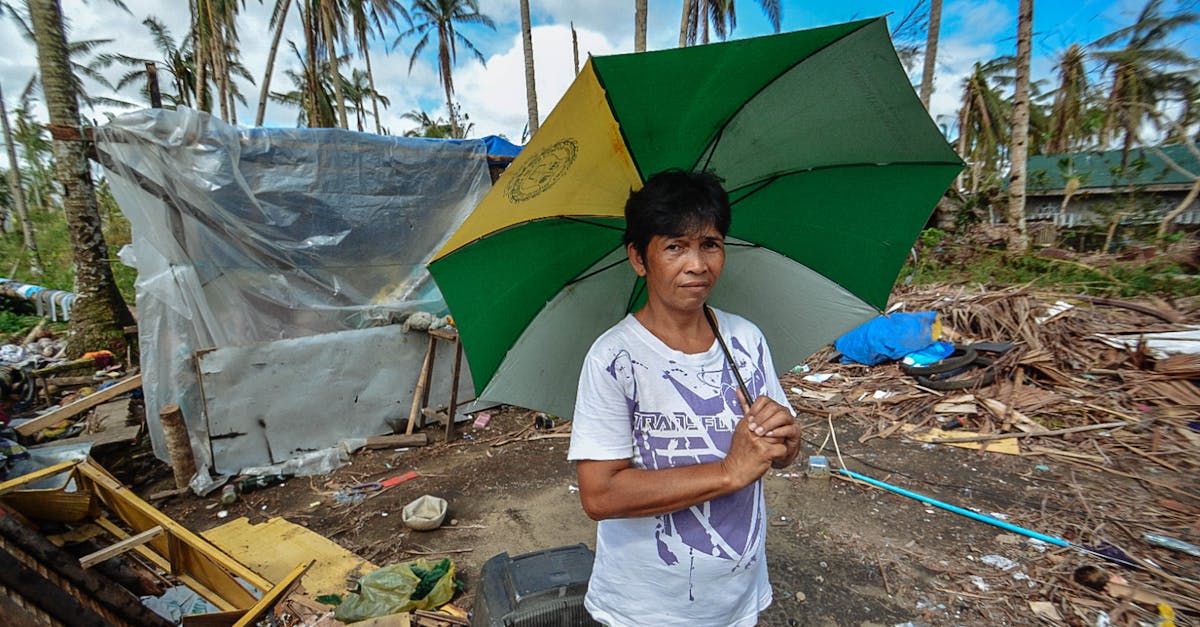
Construction sites are not only subject to traditional human and technical challenges, they must also face a silent but constant threat: climatic hazards. In the year 2025, taking extreme weather conditions into account has become an essential step to ensure safety, compliance with deadlines, and the quality of works. Faced with the increase in phenomena such as storms, heat waves, and exceptional precipitation, how can they influence the progress of a project? What strategies can be adopted to anticipate these risks and preserve the sustainability of infrastructure? Between proactive management, innovative technologies, and collaboration with players such as Bouygues Energies & Services and Vinci Construction, it is becoming clear that the key to success lies in preparation and responsiveness. Discover in this article how to analyze a construction site by integrating climatic hazards, while drawing on the experience of major names such as Groupe SEB and Société Générale d’Ingénierie. These concrete examples illustrate how weather-related risk management is becoming a truly strategic skill in the modern construction sector.
Major climate risks on construction sites: an unavoidable reality in 2025
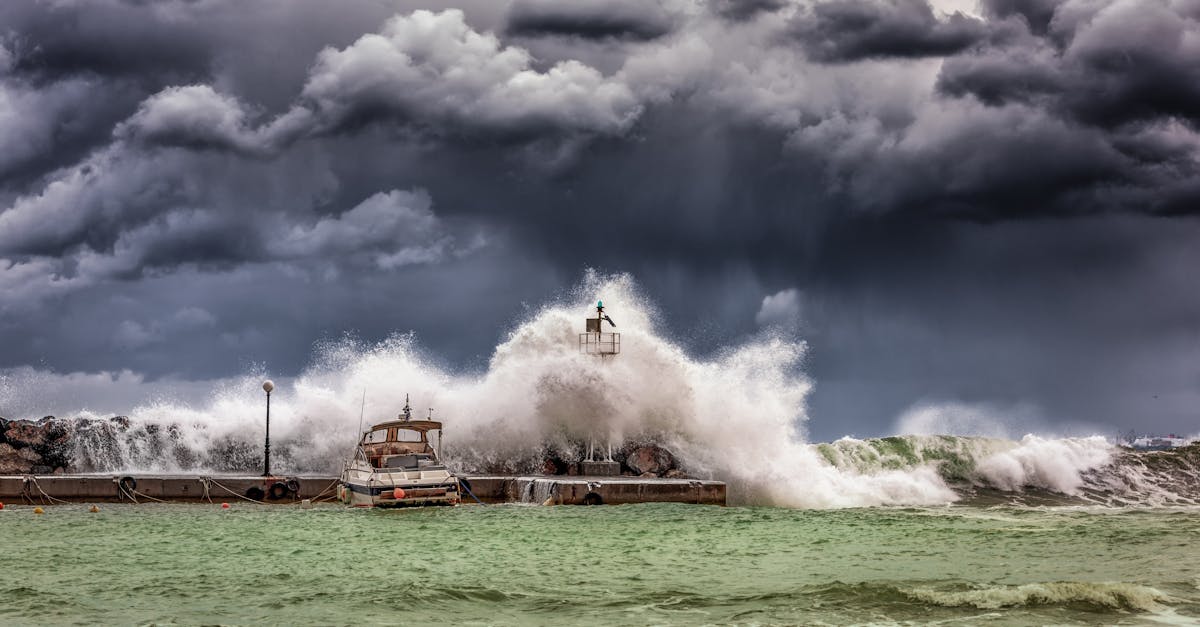
The climate context of 2025 can no longer be ignored when discussing construction sites. Inclement weather is no longer a mere inconvenience but a real threat that can lead to total or partial work stoppages. To understand the impact, we must first identify the main weather-related risks that can affect a construction site. In 2025, the frequency and intensity of these phenomena have increased further, and our major groups like Eiffel Construction and Colas must integrate this reality into their risk management plans.
Here is a list of major climate risks and their possible impacts:
- 🌡️ Extreme Temperatures : heat or cold waves, which can lead to dehydration or hypothermia among workers.
- 🌧️ Heavy Rainfall : flooding, landslides, and slippery surfaces that slow or halt construction progress. 🌬️
- Strong winds : storms causing temporary structures or equipment to collapse, accidents related to the volatility of suspended objects. 💧
- Excessive humidity : material degradation, accelerated corrosion, mold growth, and health risks. These factors, if not anticipated, can derail a carefully planned schedule by contractors like Ingerop or Setec. Risk management then becomes essential to limit damage and protect teams. A detailed understanding of these risks also allows for the adaptation of construction techniques, favoring resistant materials or flexible methods, thus offering a tailored response to each hazard.
Type of risk
| Potential impact | Preventive measures | 🌡️ Extreme heat |
|---|---|---|
| Causes heatstroke, reduced vigilance, slowdown of work | 💧 Regular checks, hydration of teams, adapted schedules | 🌧️ Heavy rain |
| Flooding, interruptions, material degradation | 🔧 Reinforced drainage, temporary cover, weather forecasts | 🌬️ Strong winds |
| Falling scaffolding, overturned equipment | 🛠️ Structural reinforcement, temporary suspensions | 💧 Humidity |
| Mold, corrosion, poor quality materials | 🧴 Secure storage, surface treatments, regular monitoring | Analyzing a construction site while integrating climate hazards: a strategic challenge |
How can we conduct an accurate analysis when the weather is bordering on extremes? This is a question that every project manager, whether from Citadis or Bouygues Energies & Services, must ask themselves upfront. The key lies in combining climate forecasting tools, scenario studies, and vulnerability assessments. By 2025, methods must evolve to adapt to a rapidly changing climate. It is therefore essential to implement a structured approach involving several steps:
💡
Gathering field information
- : condition of infrastructure, materials used, high-risk areas. 🔎 Using climate models
- : integrating likely scenarios from IPCC or IPCC reports to anticipate future hazards. 📊 Vulnerability assessment
- : identifying which parts of the construction site or which materials are most exposed to climate risks. 🛠️ Implementing an action plan
- : strategies to limit the impact, such as modifying schedules or strengthening structures. Modern tools for reliable analysis By 2025, several tools have made this analysis more precise and operational:
🌍
Interactive maps
- : displaying high climate risk areas for Vinci and Eiffel Construction sites in real time. ⚙️ Modeling software: simulations to test different weather scenarios and predict their effects. 📈
- Vulnerability Indicators : exposure metrics, resilience capacity of materials, specific sensitivities depending on the region. Whether within the framework of the engineering company or via partnerships with players such as Bouygues Energies & Services, these technologies make it possible to act upstream to avoid the unexpected and quickly adapt strategies. Managing weather hazards thus becomes a real performance lever, provided that all this data is integrated into detailed planning.
- https://www.youtube.com/watch?v=zsoYmY9Ogrw Preparing for climate hazards: the essential proactive response in 2025 In 2025, prevention must take precedence over reaction. When a storm or heatwave threatens, the only real way to avoid chaos is to plan, anticipate and act accordingly. Large groups such as Colas or Vinci Construction have implemented strict protocols based on effective weather monitoring and increased team awareness. Indeed, training plays a crucial role in this strategy. How can we best prepare workers to face these challenges?
🌟
: regular campaigns on climate risks, and practical demonstrations.
🔧
- Adapted equipment : heat protection equipment, mobile shelters, anti-flood equipment. 🗓️
- Organization of work : modification of schedules depending on the weather, suspension in the event of violent winds or high risks. 🤝
- Partnerships with weather authorities : monitor alerts in real time and quickly adjust activity. These measures, when coordinated within a comprehensive plan, ensure greater resilience. Collaboration with Société Générale d’Ingénierie and Setec, in particular, enables the development of innovative solutions. For example, the design of structures resistant to extreme winds or excessive humidity has become commonplace.
- Moreover, communication must be fluid so that everyone involved can react instantly. Proactive management also helps preserve the mental health of teams by preventing the accumulation of stress in the face of the unexpected. Key Actions Objectives Concrete Examples
🌍 Enhanced weather monitoring
Anticipate hazards in real time
| Monitoring by partners such as Météo France | 💼 Regular training | Maintain vigilance and preparation |
|---|---|---|
| Storm or heatwave simulations | 🛠️ Adapted equipment | Protect teams and limit material damage |
| Protection against heat or rain | 🤝 Collaboration with weather stakeholders | React quickly to alerts |
| Instant notification via specialized applications | Effective climate risk management: a key to sustainable performance | Large companies are not only reacting to hazards; they are also seeking to integrate climate management into their overall strategy. Société Générale d’Ingénierie and Vinci Construction have already developed internal frameworks, ensuring not only the safety but also the sustainability of their investments. |
| What does this mean in concrete terms? An ability to: | 🛡️ reduce infrastructure vulnerability by improving design | 🔧 quickly adapt working methods |
💼 allocate a budget dedicated to climate resilience
To illustrate, some large bridges, such as those of Groupe SEB or Bouygues Energies & Services, incorporate materials that are resistant to extreme conditions. Their experience shows that planning and innovation are the levers for sustainable management of climate hazards.
Discover how weather conditions influence various aspects of our daily lives, from agriculture to health, including transportation and leisure. Stay informed about the impact of weather on our environment and our activities.
Strategies to adopt to maximize resilience
- Here are some best practices:
- 🔍
- In-depth preliminary studies
: analyze local weather risks.
Flexible contingency plans
: provide options for rapid replacement or adjustment.
- 🔧 Innovative materials : use future weather-resistant materials based on these techniques.
- 🤝 Strategic partnerships : with meteorologists, institutions, and insurance companies. Concrete examples of climate management across the construction industry
- Exemplary projects in 2025 bear witness to this. At Vinci and Bouygues, climate risk management has become an integrated step in each phase. For example, during the renovation of the Pont de Lyon bridge, a specific climate model was used to simulate the impact of future storms, enabling preventive interventions. The same dynamic is evident at Eiffel Construction, which has integrated a continuous monitoring system into its practices. These innovations illustrate a paradigm shift in weather hazard management. https://www.youtube.com/watch?v=oaAubkADHEk The responsibilities of stakeholders in the face of climate hazards: how can safety be guaranteed?The regulatory framework now requires all construction industry stakeholders to integrate these risks into their approach. Engineering firms, such as Setec and Ingerop, have already developed strict protocols to ensure this compliance. By 2025, collective responsibility is essential to reduce construction site vulnerability.
- What are the key points? 🛡️ Compliance with international and national standards (e.g., EN 1991 standards) 📝 Drafting of climate risk management plans, validated by independent organizations
🤝 Necessary collaboration between the project owner, project manager, and specialized departments such as the French Highways Department
🔍 Continuous monitoring of hazards with periodic audits
It is also necessary to raise awareness among everyone involved, from the site manager to the engineer, so that all parties are aware of the impact of the weather. Prevention thus becomes a collective issue, with shared responsibilities. Key Responsibilities
Vigilance Principles
📝 Plan Development
Project Owner, Engineering, Design Offices
- Payment, Monitoring, Regular Updates
- 🤝 Collaboration
- Public and Private Stakeholders
- Information Sharing and Coordination
🔍 Monitoring
| Weather Experts, Inspection Bodies | Periodic Audit and Adaptation | 🛡️ Training |
|---|---|---|
| All Teams | Daily Vigilance, Stress Management | Towards Integrated Climate Resilience: The Future of Construction Sites in 2025 |
| In 2025, the construction sector will see the emergence of a new culture where managing climate hazards is no longer a constraint but an opportunity for innovation. With the rise of digital tools, collaboration between companies like Bouygues Energies & Services, Vinci, and regulatory bodies is intensifying. The trend is toward active prevention and the integration of sustainable solutions, in line with the global challenges of sustainable development and resource management. | Sector players, particularly those collaborating with institutions like Eiffel Construction and Société Générale d’Ingénierie, are now integrating resilience into the very design of structures. The key? A holistic approach combining climate studies, innovative materials, and continuous adaptation. This is how future projects will be built that are more robust against storms or extreme heat, ensuring their durability for decades to come. | |