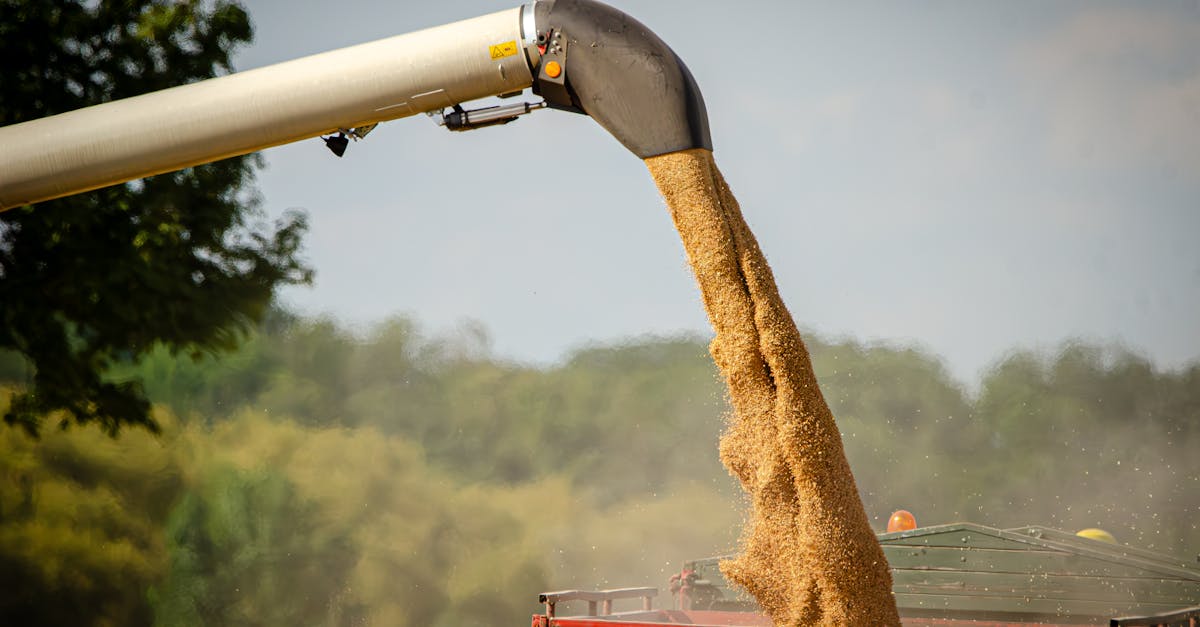
Technological Advances at the Heart of Precision Agriculture in 2025
As we approach 2025, precision agriculture continues to transform the face of our fields. With the rise of technologies such as integrated GPS, smart sensors, and especially agritech drones, farm management is becoming more refined, more sustainable, and above all, more profitable. Imagine a world where every plot is monitored in real time, where decisions are made based on precise data, helping to reduce resource consumption while maximizing yields. The key? Intelligent integration of modern tools such as John Deere or Topcon guidance systems, which enable ultra-precise control, or Sentera’s Sentinel sensors, which monitor crop health at every stage. The digital revolution is also accompanied by robotization and artificial intelligence, offering farmers new opportunities to address environmental and economic challenges. Increasingly connected, these innovative systems are revolutionizing the way agriculture is practiced, making every decision more informed and every plot more productive.
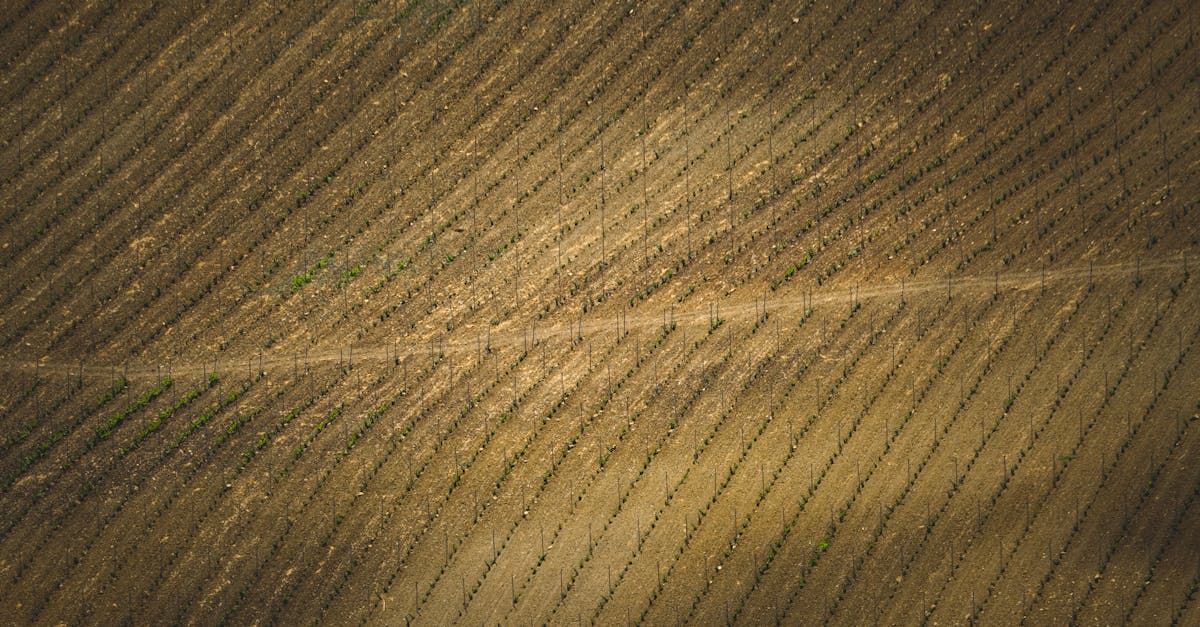
How will GPS optimize crop management in 2025?
GPS, or Global Positioning System, is now the cornerstone of modern agriculture. Whether for precise field mapping or machine guidance, its ability to provide exact coordinates allows for precise management. In practice, this means that tractors equipped with GPS systems like those from Trimble or AG Leader Technology can navigate with an accuracy of a few centimeters. The result: less overlap when sowing or spreading, significantly reduced fuel consumption, and optimized use of chemical inputs or fertilizers. An example? When a farmer uses GPS to delineate their fertilization zones from integrated software, they can apply the perfect dose of fertilizer to each plot, avoiding waste and environmental impact. Furthermore, by synchronizing with Sentinel data, it is possible to predict areas where growth is slowing or where disease could appear. This ultimately increases profitability while reducing environmental impact. Refining these technologies, combined with tools like Topcon, enables near-autonomous crop management with greater control.
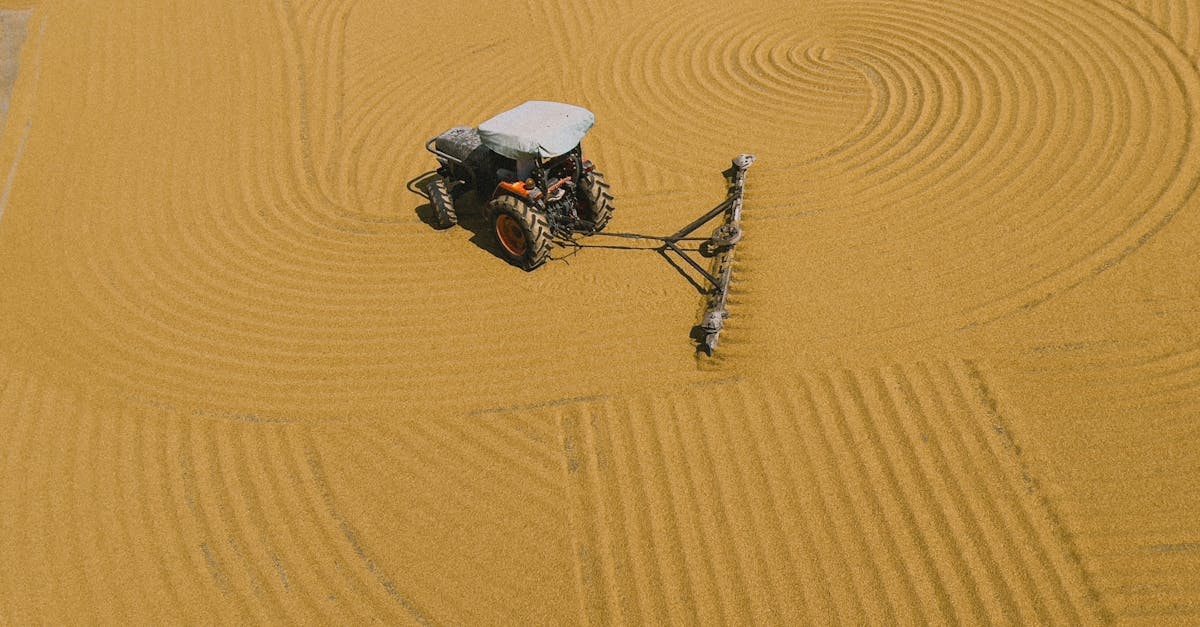
Smart sensors: granular monitoring of soil and crop health in 2025
Sensors are now ubiquitous in modern farms. They provide precise monitoring of essential environmental parameters: humidity, salinity, soil oxygen levels, temperature, and even nutrient concentration. These connected devices, such as those from Raven Industries or Fieldin, continuously send data to a cloud platform where it is analyzed by artificial intelligence algorithms. For example, by detecting a drop in humidity in a specific area, the system can recommend targeted irrigation or warn of disease risks. The monitoring’s precision also makes it possible to adapt fertilization based on the actual needs of each area, limiting the excessive use of chemicals. These sensors, sometimes installed a few centimeters deep via probes, allow for the creation of very detailed fertilization maps, thus avoiding waste. The technology has also become more widespread thanks to interconnections with drones equipped with hyperspectral sensors like those from Sentera. Together, these tools provide unparalleled visibility into the health of each plot, enabling rapid and targeted interventions to address soil and crop variability.

How are agritech drones revolutionizing large-scale farm monitoring in 2025?
Agritech drones, or agricultural drones, are a real asset in the precision farming toolbox. Remotely controlled and equipped with multispectral or thermal cameras, they roam fields to provide high-resolution images. These images make it possible to identify stressed areas, suffering from drought or infestations very early on, sometimes at the first signs visible to the human eye. With brands like Sentera or Topcon, farmers can map the condition of their crops at the hectare or even square centimeter level. In just a few minutes, the drone provides valuable insights, essential for decision-making. The benefit: precise and opportunistic intervention, whether for irrigation, spraying, or fertilization. For example, a drone can identify an area where crops are experiencing a nitrogen deficiency and allow for immediate adaptation of the spreading strategy using aerial spreaders like Farmstar. These technologies, combined with software such as EOSDA Crop Monitoring, provide real-time insight into crop health while reducing the frequency of field inspections and operational costs.
Automated spreading and spraying systems: precision and sustainability in 2025
Aerial spreaders and automatic sprayers are taking on a new dimension with the integration of latest-generation technologies. In addition to the precision offered by GPS, sensors, and management software, these devices, such as those from Precision Planting and Raven Industries, are now capable of adjusting the dosage of applied products in real time. The combined use of drones and spreaders controlled by advanced systems allows for targeted spraying, thus avoiding excessive spillage. The result: a drastic reduction in the use of pesticides or fertilizers, which are applied only when necessary. A recent study shows that by 2025, thanks to these systems, chemical consumption could be reduced by 25% while maintaining or even increasing yields. This is based on variable-area management models, notably using Topcon technology for precise guidance, and Sentera sensors to adjust the dosage based on the vegetation. The synergy between these tools also means a reduced environmental impact and economic optimization for the farmer. The increasing role of Artificial Intelligence in agricultural management in 2025
This year, Artificial Intelligence has become an indispensable partner in precision agriculture. It analyzes thousands of data points in real time to help make complex decisions: when to irrigate, when to fertilize, or even anticipate disease. Thanks to connected platforms, such as those offered by EOSDA or Fieldin, AI optimizes every stage of the crop cycle. For example, by integrating data from sensors, satellites, and climate data, an AI system can develop a customized management plan, adaptable to weather hazards or pest infestations. This also allows for harvest predictions with greater precision, by modeling probable yields or identifying high-potential areas. The rise of this technology is helping the entire sector meet the challenges of climate change and reduce their carbon footprint. The fusion of robotics, big data, and AI thus enables smarter, more sustainable agriculture, capable of ensuring global food security. Cybersecurity challenges for connected farms in 2025
With increasing digitalization, data security is becoming a major issue for farmers using these advanced technologies. Increased connectivity, via platforms such as Farmstar or EOSDA, exposes farms to cyber risks. Hacking, data theft, or sabotage of remote control systems can compromise an entire season. Cybersecurity must become a priority, including stronger authentication protocols and the implementation of specific firewalls. Protecting intellectual property, especially for technological innovations from companies such as Topcon or John Deere, is also essential to prevent copying or counterfeiting. Furthermore, raising staff awareness of these risks is crucial to avoid phishing attacks or malware. IT security is no longer an option, but an essential component to ensure farm continuity and the confidentiality of sensitive data.
The concrete benefits of precision agriculture for global sustainability
The integration of advanced technologies into agriculture in 2025 plays a vital role in combating soil degradation, water scarcity, and biodiversity loss. By optimizing water use, reducing dependence on chemical inputs, and improving land management, this approach contributes to more environmentally friendly agriculture. The use of tools such as those from Topcon, AG Leader, or Trimble, for example, allows for careful zonal management, which limits runoff and water pollution. By allowing farmers to monitor the condition of their soil in real time via sensors or predict the weather with connected stations, these techniques also contribute to the stabilization of agricultural ecosystems. In concrete terms, reducing chemical inputs and improving water management can reduce the ecological footprint of each farm by 30 to 40%. Beyond the economic benefits, precision agriculture thus offers a concrete response to the global climate crisis. https://www.youtube.com/watch?v=CncZdWq9QpQ
The Limits and Challenges for the Deployment of Precision Agriculture in 2025
Despite all its advantages, this technological revolution still faces obstacles. The high cost of certain equipment, particularly for small farms, is hampering its adoption. Furthermore, technical complexity requires regular intervention by specialists or the training of qualified personnel. Reliance on connectivity and cybersecurity remain crucial issues in the face of risks of hacking or breakdowns. Finally, there is still a certain gap between data collection and its effective use. All these technologies can produce mountains of information, but their processing and interpretation are not always within the reach of all farmers. The proliferation of technological partners, such as Sentera or Farmstar, also requires organized management to avoid information overload. More generally, we must ensure that innovation remains accessible and adapted to all agricultural structures so that the benefits are shared equitably. Technology
Limitations
GPS (Trimble, Topcon)
| Precision in operation, reduced inputs 🚜 | High initial cost 💰 | Sensors (Sentera, Raven) |
|---|---|---|
| Real-time monitoring, targeted interventions 🎯 | Maintenance and training required 🛠️ | Agritech drones (Farmstar, Sentera) |
| Rapid monitoring, early detection of anomalies 🚁 | Need for qualified pilots and strict regulations ⚠️ | What are the impacts on the agricultural socio-economic sphere in 2025? |
| The digital transformation also involves a change in work organization. Robotics and artificial intelligence are changing the skill profiles sought. Farmers must train in new technologies and collaborate with data or mechanical specialists. Furthermore, these innovations are fostering the emergence of new sectors, such as drone maintenance or agritech data management. The concentration of farms around the use of these systems could also accentuate the disparity between large and small farms, raising the question of access to these tools. However, in the long term, digitalization should make agriculture more resilient to climate hazards by enabling proactive rather than reactive management. The need for political support and integration into a sustainable development approach are now levers for ensuring that this revolution benefits everyone. The concerted implementation of these tools, coupled with initiatives such as support for agricultural training, will ensure a balanced transition. FAQ: Key Questions About Precision Agriculture in 2025 | What are the main environmental benefits of precision agriculture? | By enabling targeted use of inputs, this approach reduces water pollution, limits soil degradation, and decreases water consumption. It also contributes to reducing greenhouse gas emissions by optimizing the use of machinery and energy. |
Are the technologies accessible to small farms?
Cost remains a barrier for many. However, budget-friendly solutions and support or financing schemes are being developed to make their use more widespread.
How can the security of agricultural data be guaranteed?
- With increasing connectivity, it is essential to implement robust cybersecurity protocols. Raising farmers’ awareness of these issues is also becoming a key step. What training is available to master these new technologies?
- Many organizations offer specialized training, in partnership with companies such as Topcon and AG Leader, so that farmers can fully exploit these tools. What future developments are envisaged?
- Convergence with robotics, blockchain for traceability, and the integration of artificial intelligence will be at the heart of future innovations, making agriculture even more efficient and sustainable.