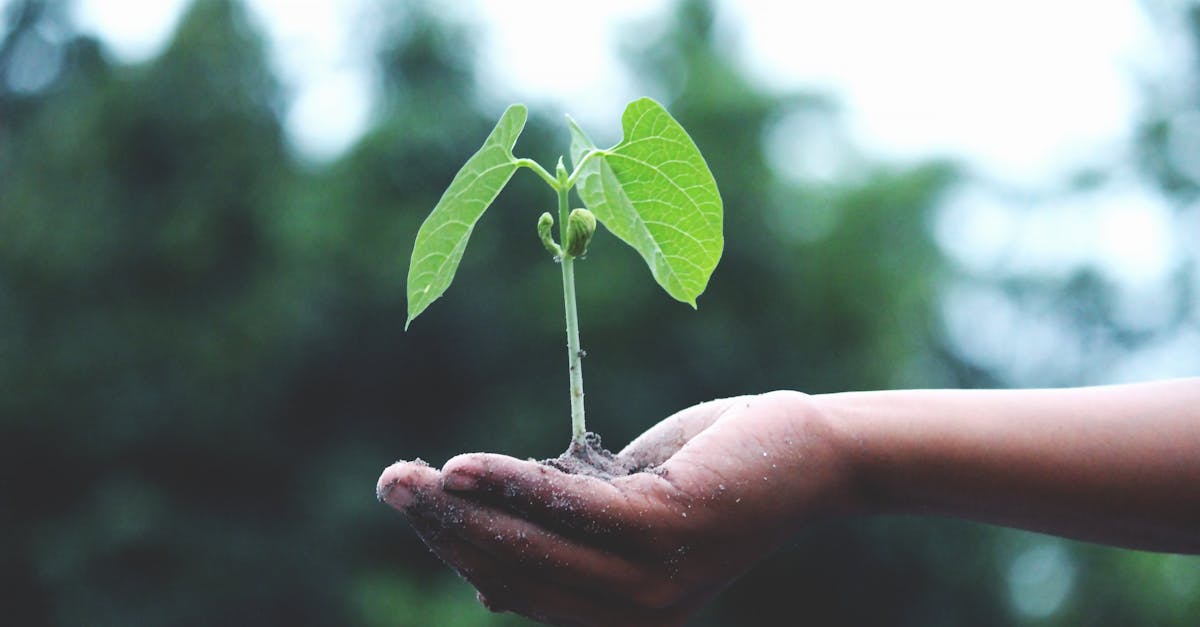
In 2025, French agriculture will undergo a true revolution thanks to the integration of artificial intelligence, or AI. At a time when the pressure to feed a growing population while respecting the environment is increasingly intense, technological innovations are now taking on their full meaning. The rise of solutions such as Agrilogic, AgroTech Solutions, and CultivAI offers farmers a range of powerful tools to improve productivity, sustainability, and resource management. At the La Ferme Digitale booth at the 2025 Paris Agricultural Show, many people are coming to discover how AIgriculture, DataAgro, and GreenAI are concretely shaping the face of tomorrow’s agriculture.
The challenges of contemporary agriculture, such as climate change, the scarcity of arable land, and market volatility, make the adoption of AI a necessity to remain competitive. Between crop monitoring, task automation, and decision-making based on precise data, farmers now have access to a veritable digital toolbox. These solutions, often presented at hackathons like the Gaia project, dedicated exclusively to the agricultural sector, prove that innovation will accelerate. By 2025, the sector will be moving towards hyper-connected agriculture, where technology and tradition combine to meet the social, economic, and environmental challenges of the future.
How artificial intelligence is revolutionizing French farm management
You may be wondering how a simple startup or software can really transform a farm in 2025? The answer lies in concrete tools, integrated directly into the daily lives of operators. The concept of Connected Farms, for example, today makes it possible to automate most operations. Thanks to intelligent sensors, it becomes possible to monitor crop growth, local weather and even animal health in real time. This data, core to the DataAgro universe, gives farmers total visibility of their farms.
Even more, AI solutions for optimization and forecasting are now essential. AI agents, like those developed by TerraGrow or Hectar, offer personalized and instant assistance. For example, an AI agent can analyze satellite or drone images to detect a disease or pest early, thereby avoiding significant losses. The key to success is to put these tools at the service of a sustainable and efficient economic model, while simplifying the lives of farmers.
We are also observing a significant movement towards integrated management, where software such as Excel Operations Management or operations management software makes it possible to anticipate, plan and optimize each stage of production. The convergence between traditional and digital agriculture is then becoming the new norm, promoting more resilient and more efficient agriculture.

New AI technologies for monitoring and precision
In the agricultural world, precise crop monitoring will become a reality in 2025. Drones equipped with multispectral cameras, supported by solutions like AgriSense, fly over fields to analyze plant health. These images allow for highly accurate detection of at-risk areas, avoiding wasted resources. The technology will soon also be accessible via smartphone or tablet, simplifying its adoption by all farmers, including the smallest.
Early detection AI systems, such as those offered by Agrilogic or GreenAI, also incorporate contextual intelligence. For example, they can predict a disease outbreak or water stress, based on the analysis of climate and growth data. With these tools, targeted treatment is becoming the norm: fertilizers or pesticides are no longer applied across the board, but only where they are truly necessary. This ensures a reduced environmental impact while maximizing yields. Implemented directly into the production chain, these systems play a key role in the transition to precision agriculture, whose goal is to optimize every input and every output, in a sustainable manner. By integrating these technologies, the farm becomes a veritable laboratory for modern agroecology.
The impact of artificial intelligence on livestock farming and management
How can we effectively monitor a herd in an often vast and difficult-to-access environment? The answer lies in the artificial intelligence integrated into modern livestock farming. By 2025, connected sensors and cameras will monitor the behavior, health, and reproduction of animals in real time. Startups such as AgriSense and FarmConnect have developed solutions capable of immediately alerting in the event of a problem or malnutrition.
AI applications in livestock farming also help optimize reproduction by calculating the best breeding period or identifying delays or anomalies. Sophisticated algorithms, powered by data from farmers or provided by management tools, help adjust feeding to maximize growth while respecting animal welfare.
The autonomy offered by artificial intelligence facilitates daily management: administrative tasks, such as reporting movements or traceability, are automated by AI agents offered by platforms such as
Farm management software . The combination of these technologies plays a central role in a more sustainable, efficient, and environmentally friendly beef and sheep industry.Discover the world of agriculture: sustainable practices, technological innovations, and environmental issues. Explore how agriculture is shaping our society and meeting the challenges of tomorrow.
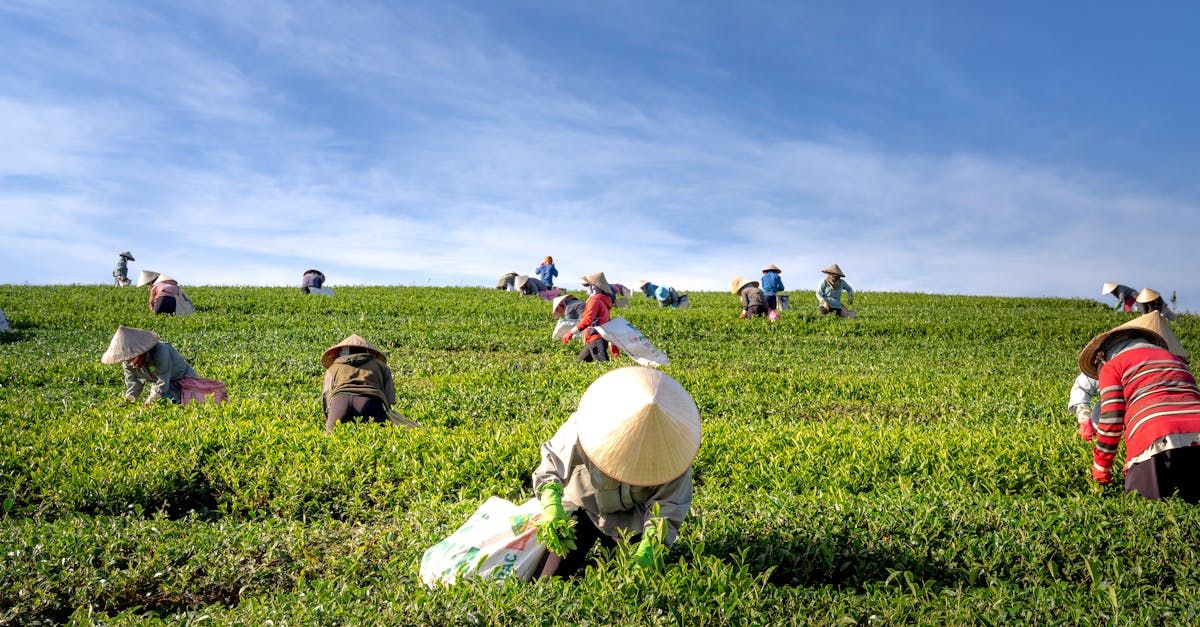
Imagine a weeding robot that works non-stop, or a machine that harvests with surgical precision. In 2025, these innovations will become increasingly common. Agricultural robotics, driven by players like AgriTech Solutions and CultivAI, makes it possible to automate repetitive or difficult tasks.
Furthermore, robotization is no longer limited to the simple autonomous tractor. Robots capable of planting, weeding, watering, and harvesting are now on the market. Their integrated artificial intelligence allows them to adapt to conditions in real time. This reduces the use of chemicals, limits human fatigue, and, above all, increases productivity while respecting the planet.
Farmers could thus devote their time to higher value-added tasks, such as planning or innovative research. According to research, these robots could cover up to 80% of field operations by 2030, enabling increasingly autonomous and intelligent agriculture.
Discover the world of agriculture: techniques, innovations, and sustainability for a better future. Dive into the importance of agricultural practices for food security and the environment.
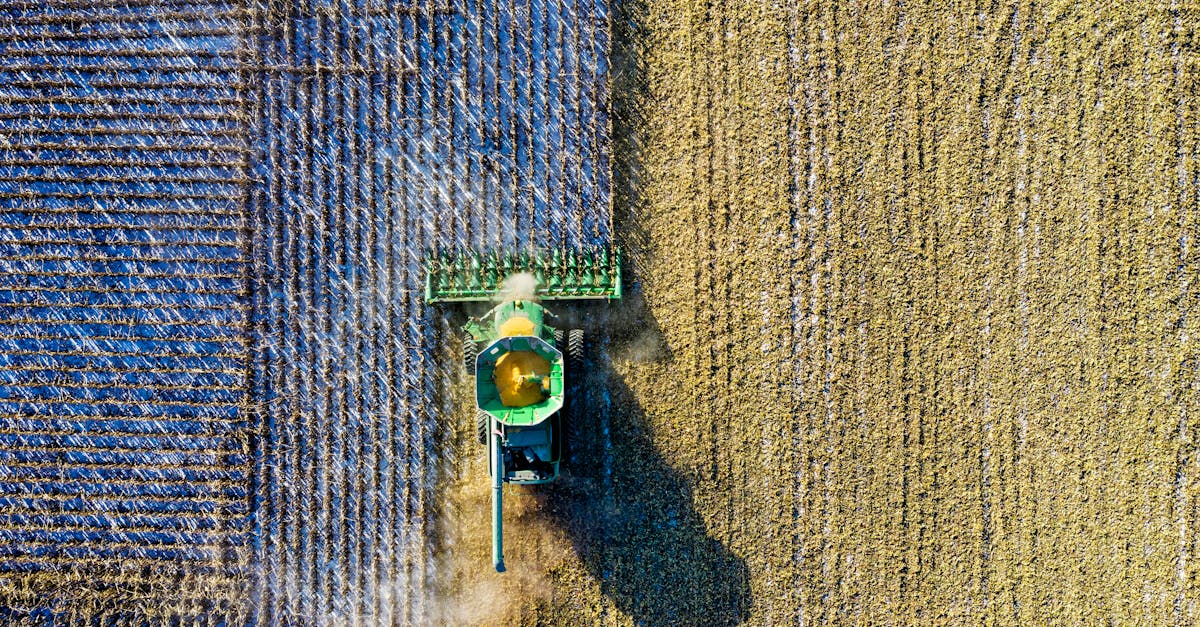
Should we fear or, on the contrary, value artificial intelligence in the face of environmental challenges? The answer lies above all in balance. By 2025, AI will become essential for reducing the carbon footprint of agriculture. For example, smart irrigation, using sensors and predictive models, helps limit water consumption. Careful management of inputs and the targeted use of fertilizers and pesticides reduce pollution. Moreover, the responsible use of AI also contributes to improving social conditions. Digitalization promotes access to training for young farmers, facilitates recruitment, and limits the isolation of rural farmers. Finally, by making production more efficient, AI contributes to stable agricultural product prices, preventing speculation and food waste.
The challenge is to ensure that these technological advances are accessible to all, within the framework of sustainable rural development. The key also involves appropriate regulations to ensure that these tools are used ethically and responsibly.
Future prospects and expected innovations for agriculture with AI
What will be the next major leaps forward for artificial intelligence on our farms? In 2025, research is advancing rapidly on concepts such as generative AI for decision-making or soil assessment using augmented reality. The trend is toward ever-deeper integration with other technologies, notably blockchain for traceability or advanced robotics.
There is also much talk of regenerative agriculture, where AI and agroecology combine to restore biodiversity and improve soil fertility. The implementation of long-term predictive models, based on climate modeling or precision biology, offers promising prospects for anticipating and mitigating the effects of climate change on our farms. Industry players are not lacking in ambition. According to all projections, by 2030, the impact of AI in agriculture could reach 30 to 40% improvement in terms of yield and sustainability. This entire revolution relies on collaborative innovation, where startups, large companies, research institutes, and farmers cooperate to sustainably transform our production methods.
Frequently asked questions about the impact of AI in agriculture in 2025
How does AI improve farm profitability?
By optimizing input use, better predicting yields, and automating certain tasks, AI can reduce costs and increase productivity.
Are these AI solutions accessible to all farm sizes?
- Yes, more and more software and tools are designed to be adaptable to both small and large farms, with affordable options, particularly thanks to farm management software.
- What role does training play in the adoption of these new technologies?
- Very important: most stakeholders offer training, often online or in the form of workshops, to help farmers master these new tools and get the most out of them.
- Are there ethical or environmental risks associated with the use of AI? They exist, particularly regarding data protection or technological dependency. However, with appropriate regulation, these risks can be controlled.What will be the next step in the digitalization of agriculture?
- The convergence of AI, blockchain, augmented reality, and robotics. The goal: to build a fully connected, environmentally friendly, and economically viable agriculture.