Why choose a BTS in Biotechnology after a year of medical school?
In a world where biotechnology plays an increasingly crucial role in the medical field, many people wonder if pursuing a BTS in Biotechnology after a year of medical school is a wise option. In reality, this path may seem surprising at first glance, especially for those who started out in medicine. Yet, it offers countless opportunities, whether in the pharmaceutical industry, research, or quality control. The key to success lies in understanding the deep connections between these two fields and the ability to make an informed choice. Many young people have already chosen this path, attracted by a passion for life, but also by the desire to quickly enter the professional world. The current trend, particularly among large groups such as Sanofi, Ipsen, and Novartis, shows that biotechnology is becoming a true platform for those who want to combine science and innovation. Learning more about this unusual choice also means understanding how it can open unexpected doors in a rapidly expanding sector. To better understand this dynamic, we must explore what motivates this change of direction and how a medical career can enrich biotechnology training. Beyond appearances, this career change appears to be a real springboard to the future, if we give ourselves the means.

The advantages of choosing a BTS in Biotechnology after a year of medicine
Going from a year of medicine to a BTS Biotechnologies may seem unexpected or even risky, but in reality, this path has several advantages. First, this transition allows you to strengthen your knowledge in life sciences, while acquiring advanced technical skills. For example, learning to manipulate laboratory instruments or analyze biological data becomes more concrete and practical. Then, this sector is very popular with employers in the pharmaceutical, cosmetics or agri-food sectors. Large companies like Boehringer Ingelheim, Genzyme or even Danone are often looking for profiles that are both versatile and specialized. On a personal level, this choice also offers an opportunity to deepen one’s interests without feeling limited by traditional training. We are leaving medicine, of course, but we are approaching related fields which can be just as fascinating, if not more so. The diversity of courses, combining theoretical courses and internships in companies, allows you to acquire concrete experience, essential for quickly integrating into working life. In addition, the BTS often offers the possibility of continuing towards a professional license or an engineering diploma, which multiplies the opportunities. It is a strategic path, which promotes rapid integration into growing sectors.
| Highlights of choice | Impact on career |
|---|---|
| Technical skills in the laboratory 🧪 | Access to positions in R&D, quality control, production |
| Versatility in biotechnology 🌱 | Ability to evolve in various sectors |
| Professional network 🏢 | Mastery of the industrial and academic sector |
| Academic evolution 🎓 | Possibility of continuing towards higher qualifications |
How can the medicine course enrich the BTS Biotechnologies?
Many people think that medicine and biotechnology are two separate worlds, but in reality, they complement each other quite well. For example, having completed a year of medicine allows one to approach the BTS program with a unique perspective. A thorough understanding of human physiology, pathologies, or pharmacology provides a definite advantage during internships or laboratory projects. Knowledge of the medical field also helps one better target issues related to public health or drug production. This makes all the difference for those who wish, for example, to work in translational research or the development of new treatments. Beyond that, this experience also allows one to grasp the scientific rigor required in the sector, while maintaining a critical approach. At the risk of oversimplifying, a student with a medical background can easily bridge the gap between the laboratory and the clinical setting, which is an added value for interdisciplinary projects. It should also be noted that this merger offers a certain flexibility in the choice of careers, for example in regulation or the analysis of biological products. Discover the exciting world of biotechnology, an innovative discipline at the intersection of biology and technology, transforming the health, agriculture, and environmental sectors through revolutionary scientific advances.
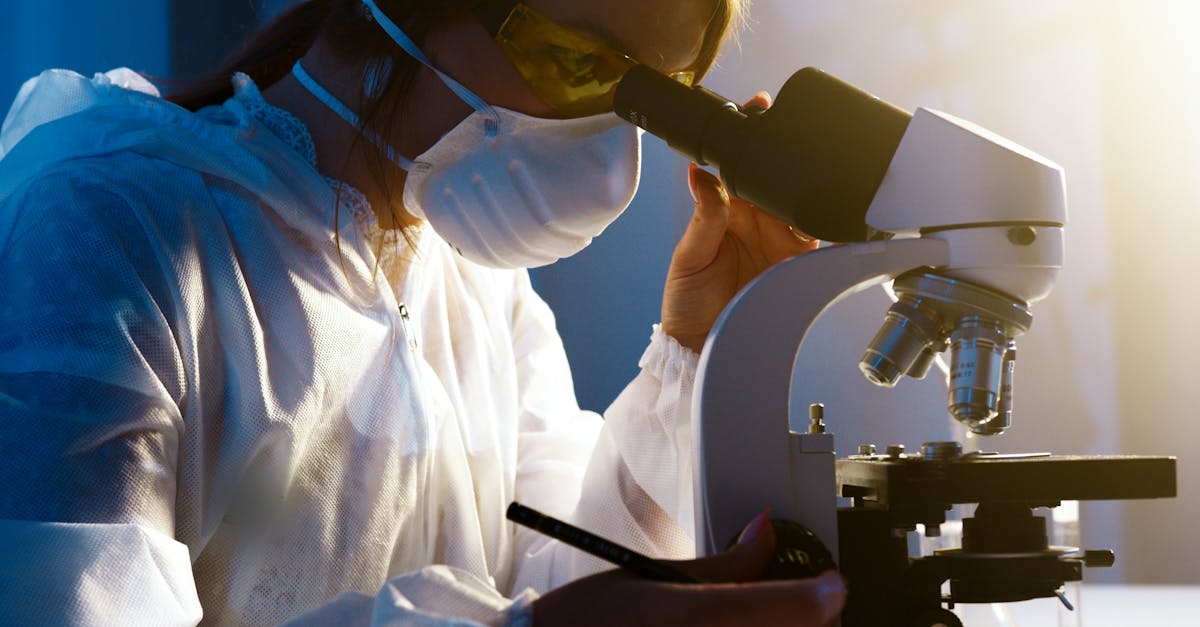
One of the great strengths of the BTS Biotechnologies program lies in the diversity of sectors it can lead to. Whether in research, production, or quality control, each field offers its own opportunities. For example, in the pharmaceutical industry, companies like Merck, Ipsen, and Sanofi recruit technicians and engineers. Cosmetics with L’Oréal or the food sector with Danone are also involved, particularly through innovation in formulation or sustainable development. In addition to these large companies, there are also regulatory bodies, private research laboratories, and even innovative startups. Biotechnology is also making inroads into more recent fields such as gene therapy or green bioproduction, all of which require hybrid profiles. The key to making the most of this diploma is to identify the sector that best matches your aspirations and to integrate into a professional network. In practice, this means participating in trade shows, completing targeted internships, or even pursuing additional training. What we’ve seen is that the biotechnology sector is booming, and with the right profile, every opportunity is within reach.
Sectors of Activity
| Job Examples | Pharmaceutical Industry 💊 |
|---|---|
| Research, Production, Quality Control | Cosmetics 🎨 |
| Formulation Development, Reformulation | Food 🥗 |
| Innovation, Control, Food Safety | Environmental Biotechnology 🌍 |
| Bioremediation, Green Bioproduction | Additional Training to Strengthen Your Profile After a BTS in Biotechnology |
Once you’ve got your BTS (Higher National Diploma) in hand, it’s often advantageous to pursue additional training to stand out from the crowd. These include university degrees in biology, microbiology, or biochemistry, which allow you to deepen your theoretical knowledge. It’s also possible to consider engineering degrees in biotechnology or agri-food, which open doors to positions of responsibility. Continuing education in laboratories, research centers, or large companies is also an excellent way to acquire new skills. Mastering advanced methods, such as molecular biology or bioinformatics, is a real asset. For example, internships offered by companies like BioCodex or Boehringer Ingelheim provide valuable, hands-on experience. Specializing in growing sectors, such as cell therapy or vaccine production, also helps you develop a sought-after profile. Finally, pursuing training in project management or scientific communication can also make a difference when looking for a job. Discover the exciting advances in biotechnology, a discipline that transforms science into sustainable innovations. Explore its impact on health, agriculture, and the environment, and how it shapes our future.
Future prospects for those who choose the BTS in Biotechnology after medicine
Tips for making the right choice between medicine and a BTS in Biotechnology
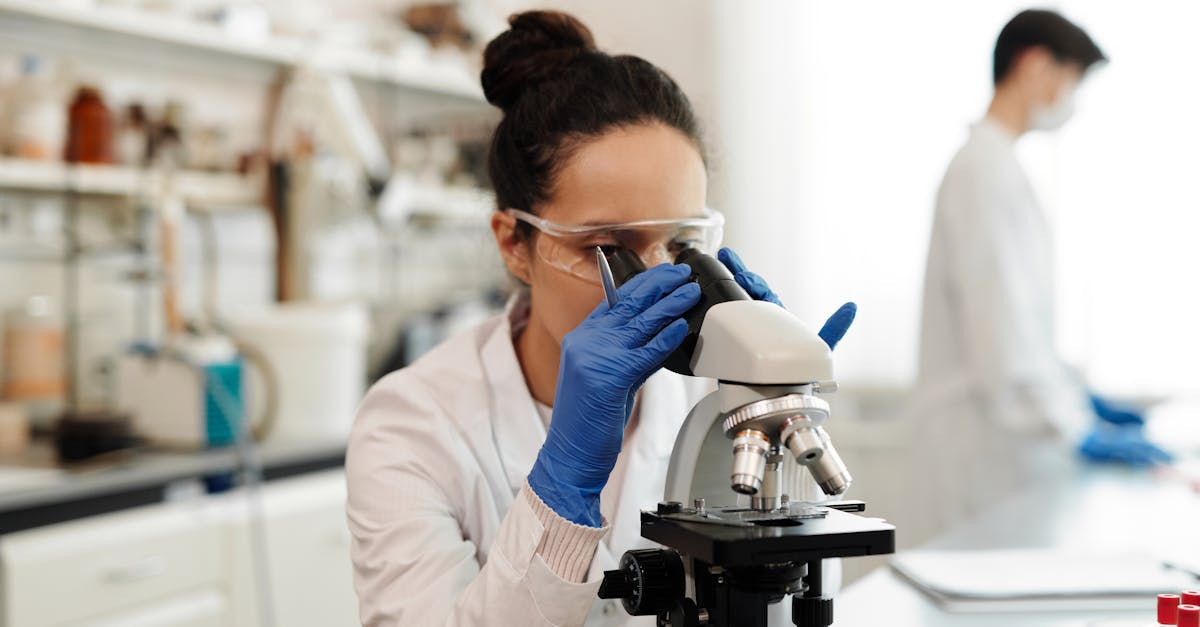
Deciding between pursuing a BTS in Biotechnology or continuing with a medical degree isn’t always easy. The first rule is to know yourself well and assess your interests. If biology and laboratory work appeal to you more than medical practice, a BTS can be an excellent alternative. You also need to consider time, cost, and availability. Medicine requires several years of study, often with high competition. Conversely, a BTS offers a shorter, more practical program with good job prospects. Another key point is to take stock of your career ambitions. Do you want to work directly with patients, or rather in research and development? The answer to this question often guides your choice. In any case, you should consult professionals, obtain information through specialized websites, such as
Oeuvray.fr
, or talk to students or alumni. The best approach? Rely on your passions, while being honest with yourself. Frequently Asked Questions (FAQ)Can a BTS in Biotechnology really replace a year of medical school?No, it’s not a direct alternative. But it provides a solid foundation for careers in sectors related to health, research, or production.
What are the main career paths with this BTS?
- They include research, pharmaceutical production, quality control, cosmetics, and even the environment.
Is it possible to continue your studies after a BTS? - Yes, most students pursue a bachelor’s degree, an engineering school, or a master’s degree. Some also pursue training in management or scientific communication.
What is the benefit of a combined medicine and biotechnology program? - It allows for a multidisciplinary approach, highly valued in translational research and biomedicine.
How to choose the right institution? - You should check the institution’s reputation, the internships offered, the professional development support, and its suitability for your goals.