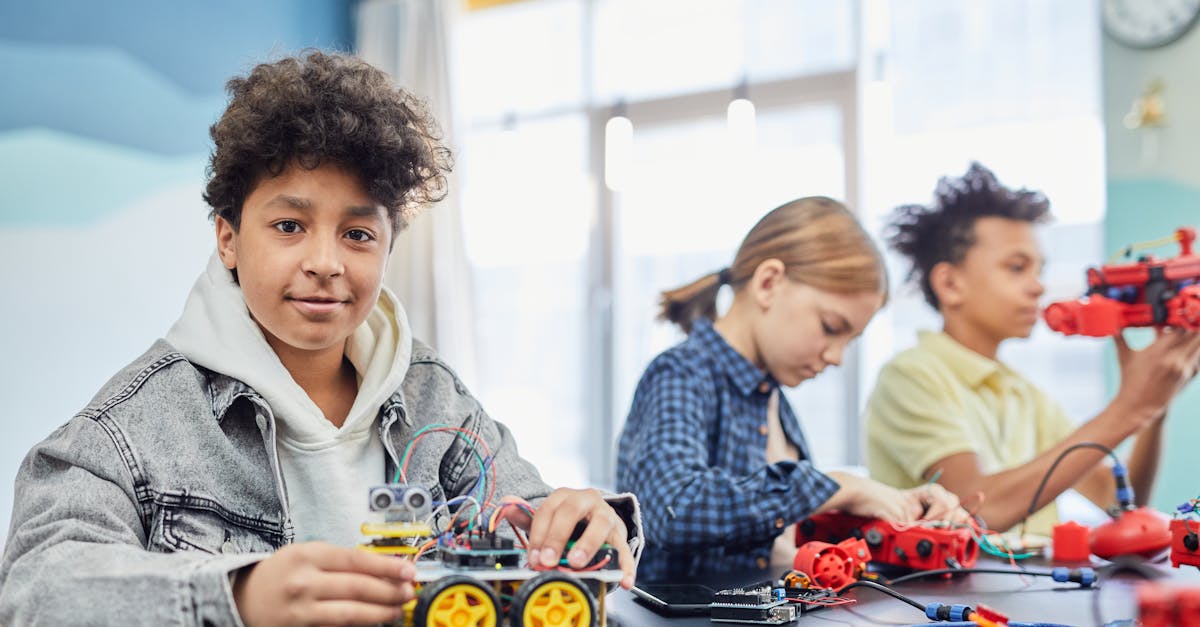
A glimpse into the daily life of a BTS Biotech student: challenges, ambitions, and discoveries
Discovering the life of a BTS Biotech student means entering a world where science, innovation, and real-world projects passionately intertwine. Between lectures, practical work, and immersion in the professional world, this program prepares students to become key players in the biotechnology sector. In 2025, when the sector is at a turning point, this stage represents a real opportunity for those who dream of joining major industries such as Biomérieux, Sanofi, or Thermo Fisher Scientific. But what does a typical week of this program really look like? What skills are developed, the interactions with professionals like those at the Institut Pasteur or Pierre Fabre, and how do students build their future? This article attempts to answer these questions, revealing the reality, challenges, and secrets of this exciting program.

What does a typical week in a BTS Biotech program look like?
A week in the shoes of a BTS Biotech student is a clever mix of theoretical and practical learning. Generally, beginners begin by learning fundamental concepts in biology, chemistry, microbiology, and biotechnology, often during two to three days of lectures. These courses are held in lecture halls, with modern and interactive resources to make learning engaging. Afterward, the majority of the time is devoted to practical work, putting these concepts into practice, whether it’s performing cell cultures or handling laboratory equipment such as those from Sandoz or Eurofins. Their days are often organized according to this type of schedule:
Day
| Main Activity | Approximate Duration | Monday, Tuesday |
|---|---|---|
| Theoretical classes (biology, chemistry, physical chemistry) | 8:00 a.m. – 4:00 p.m. | Wednesday |
| Practical work (cell culture, PCR, analysis) | 9:00 a.m. – 5:00 p.m. | Thursday |
| Small group workshops or projects | 10:00 a.m. – 4:00 p.m. | Friday |
| Industry visits or external presentations | Variable, often in the afternoon | This schedule allows them to combine knowledge acquisition, technical skills, and exposure to the industry. For example, during projects in partnership with Merck or Total Quartze, students learn how to manage a study or experiment from start to finish, a real challenge for their future career path. |
Discover everything about student life: advice, tips, and resources for students to succeed in their studies and fully enjoy their academic experience. Concrete contributions of training: from the laboratory to the company

To meet these expectations, the program provides specialized modules that often resemble real internships. For example, a student can carry out a project on intestinal microbiota fermentation with the help of the Institut Pasteur, or participate in the design of biomedicines in a Sanofi lab. These practical experiences not only allow students to apply theory but also acquire specific know-how to quickly integrate into cutting-edge industries.
In addition, numerous visits are organized, whether at Thermo Fisher Scientific or innovative startups in the biotech sector. These meetings provide a clear vision of what awaits the future professional and reinforce the motivation to pursue this path. The key is to truly ground theory in real-life situations, so that students emerge from their training with a solid foundation, ready to be deployed in high-level laboratories.
Discover resources and practical advice for students. Whether you’re looking for learning tips, time management, or student life, we have what you need to succeed in your academic career.
The skills developed: the true value of the BTS Biotech program

But the benefits don’t stop there. The program also focuses on complementary qualities:
🔬 Rigor and accuracy, essential during experimental protocols
🧪 The ability to analyze and synthesize to interpret results
- 🤝 Teamwork during interdisciplinary projects
- 🌍 Fluency in scientific English, essential since many articles and presentations are written in a foreign language
- 💻 Data management and the use of specialized digital tools
- According to a 2025 employability study, more than 85% of graduates quickly find employment in biotechnology or pharmacy, proving that these skills perfectly meet market needs. For example, a student who has completed an internship at Biomérieux or in a Sandoz laboratory is quickly offered a contract, given their sought-after expertise.
- Challenges faced by students: between technical expertise and career plans
The program is not without its challenges. The technical nature of the topics covered can sometimes be daunting, especially for those with less of a scientific background or whose first language is not French. The pace of classes, the need for self-discipline, and time management are all challenges to overcome.
For example, some students must devote their weekends to catching up on highly specialized chemistry or biochemistry concepts. Furthermore, their involvement in projects is demanding, sometimes with very tight deadlines, such as analyzing samples for a laboratory like Eurofins or Total Quartze. But this difficulty also has its benefits: it builds resilience and autonomy, key qualities in the job market.
Students also experience a certain need to clarify their career goals. Many begin by hesitating between becoming a laboratory technician, a bioinformatician, or a regulatory analyst. Internships in companies and meetings with professionals in the sector, such as those at the Institut Pasteur or Sandoz, allow them to gain clarity. Perseverance in the face of these challenges is often what makes the difference between a good student and a seasoned professional.
Career Opportunities in 2025 after a BTS in Biotech
This degree opens many doors in the biotechnology sector. From research to development, including quality control and production, graduates can advance in several areas. The market is booming, thanks in particular to companies like Sandoz and Pierre Fabre, which are constantly innovating in healthcare and dermocosmetics.
Key sectors in 2025 include:
🔍 Basic and applied research (Pasteur Laboratories, Merieux)
🧪 Manufacturing and quality control (Abbott, Total Quartze)
- 💉 Production of biological or biosimilar drugs (Sandoz, Sanofi)
- 🌱 Green biotechnology, with projects related to the environment and agriculture
- 🧬 Bioinformatics and genomics, for those who enjoy manipulating big data
- A recent report indicates that more than 75% of recent BTS Biotech graduates land a job quickly, often within six months of completing their studies. Innovative startups and large corporations are now collaborating to create continuing education and internal mobility programs. For example, collaborating with L’Oréal or Abbott allows students to develop R&D skills while offering immediate career advancement opportunities.
- For those who want to go further, a growing number of students are pursuing a bachelor’s or master’s degree in biotechnology, often in programs partnered with universities such as CY Cergy Paris or Lancaster. Continuing education therefore represents a real opportunity to advance into leadership positions in a rapidly changing sector.
The international dimension: a real springboard for future biologists
In 2025, the international dimension is a key factor in the attractiveness of the BTS Biotech program. Many partners, such as Sandoz, Thermo Fisher Scientific, and the Institut Pasteur, offer exchange programs and internships abroad. Participating in Erasmus+ or missions in the European Union allows students to gain a comprehensive view of the sector and gain an understanding of different methods.
For example, a student can complete a three-month internship at BioNTech in Germany or at Sandoz in Poland, thus developing their linguistic and technical skills. These experiences are highly valued on resumes, particularly in a sector where international collaboration is omnipresent. Fluency in languages such as English, Chinese, or German becomes a real asset for entering international projects or research programs in collaboration with major institutes such as Eurofins or Abbott.
The institutions also offer modules dedicated to intercultural communication and global problem solving, making students more competitive and able to adapt to an increasingly connected workplace. The international dimension, combined with the highly technical nature of the program, makes it a highly sought-after program for building a global career.
Resources and partners enriching the program in 2025
To ensure the program is as comprehensive as possible, numerous industry players participate in program development and contribute their expertise. Among them, giants such as Biomérieux, Sandoz, and Total Quartze offer internships, conferences, and research support.
The schools also collaborate with research centers and institutes such as Pasteur, which offer specific internships or workshops to discover innovative techniques, such as chromatography or stem cell manipulation. Partnerships with major groups such as L’Oréal and Abbott provide access to cutting-edge equipment, facilitating practical training. This network of stakeholders guarantees students a real immersion in the professional world and gives them a head start. For example, participating in EPLEFPA days or events in partnership with Sandoz allows them to make contacts, expand their network, and plan their professional future with greater confidence.
Useful links to further your career choices
Creating a student web series: a real-life experience
AERAS agreement for students and funding
Intra-community VAT: what you need to know
- Employment insurance for BTS students
- Methodological foundations for BTS construction
- Frequently asked questions about a week in the life of a BTS Biotech student
- What are the main advantages of a BTS Biotech program in 2025?
- The program combines advanced technical skills and professional development, with internships in innovative sectors in France and abroad.
How can you succeed in your first year?
- By being rigorously organized, actively participating in practical work, and connecting with professionals during visits and immersion days. Which companies are recruiting first?
- Biomérieux, Abbott, Pierre Fabre, Sandoz, Eurofins, and Total Quartze offer internship or employment contracts for future technicians or researchers. What are the career paths after the BTS?
- Research, development, quality control, production, or even bioinformatics. Many pursue a bachelor’s or master’s degree to access management positions. How does the international dimension influence the future? It offers opportunities for internships and collaborative projects to work in a global context, with partners such as the Pasteur Institute or Eurofins.