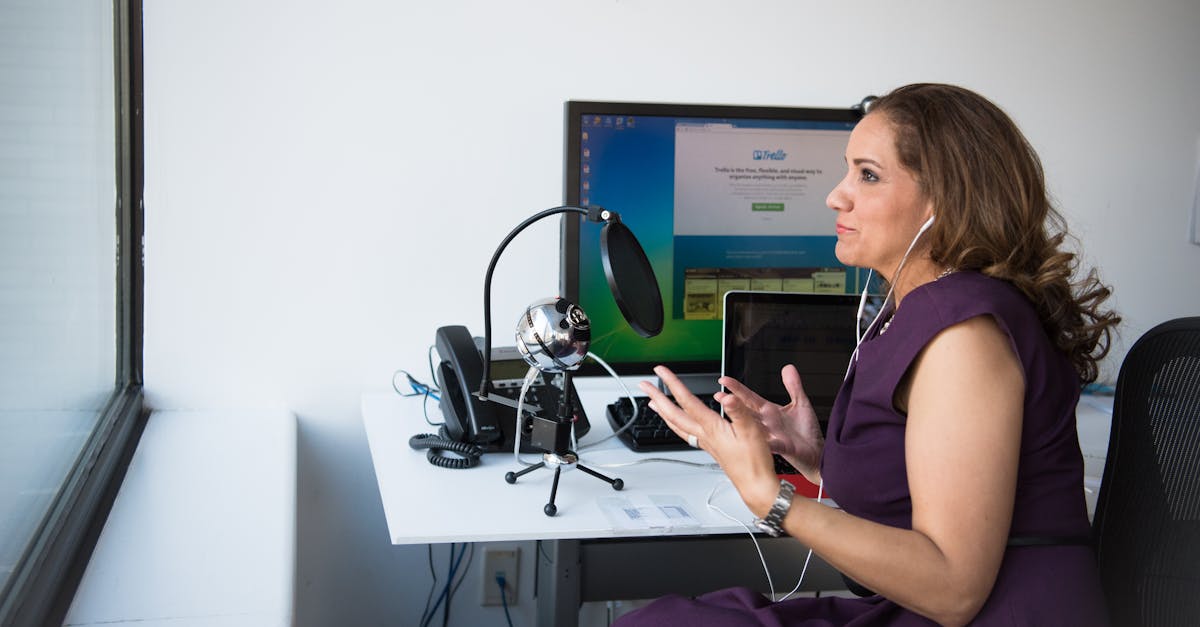
Why ask the question: Is the Audiovisual BTS right for you?
You’ve probably already heard of the Audiovisual BTS, the program that fascinates so many young people passionate about video, cinema, or photography. But before embarking on this path, it’s essential to ask yourself if this path truly matches your expectations, skills, and professional ambitions. In this article, we’ll look at everything you need to consider to answer this big question. Are you more of a creative, technical, or dreamer? The audiovisual sector invites you into a rich world, but also requires very specific qualities. So, how do you know if your profile is suited to this direction?
Above all, it’s important to understand that the Audiovisual BTS isn’t just a bridging program. It’s a real springboard to exciting careers, but ones that also require a lot of commitment. Whether you’re already enrolled at a school like Gobelins, IESA, or another, or you’re still undecided, this guide will help you take stock. You may be wondering if this path is right for you or if you should explore other options, such as schools specializing in VFX or Studio M. And beyond that, what are the pitfalls to avoid? What qualities do you need to succeed in this dynamic sector?
What is certain is that the audiovisual sector is evolving rapidly. Digitalization and the democratization of content have opened up a multitude of opportunities, but also challenges. If you want to enrich your culture, particularly by discovering renowned programs like La Fémis or the École du Cinéma, this article is an important step. It will also help you discover whether the pace and workload of the BTS program are right for you. Because ultimately, the real challenge is also knowing whether you can see yourself in this adventure in the medium and long term. So, ready to take stock?
The prerequisites and essential qualities for joining a BTS in Audiovisual
Starting a BTS in Audiovisual means first taking stock of your skills and personal qualities. This path requires, above all, a certain curiosity for the world of image, sound, and teamwork. But what exactly is expected? You need to have a fairly versatile profile, with a good dose of creativity but also technical analysis skills. For example, proficiency in editing software like Adobe Premiere or After Effects is highly valued. But that’s not all: a sense of aesthetics, the ability to tell a story through images, and good organizational skills are also key criteria.
Personal qualities also play an important role. Patience, rigor, and the ability to work under pressure are essential. The ability to adapt to rapid changes in the industry, particularly in schools like Sup’Biotech or the VFX School, can make all the difference. Also, good teamwork and strong communication skills with colleagues or clients are always a plus.
To get into a BTS (Higher National Diploma) program, you often need a good level in general subjects, but above all, a strong motivation for audiovisual. Don’t hesitate to take a career test to see if your profile truly matches this exciting field. And if you already have a background in drawing, photography, or video, that’s even more of an advantage.
In short, if you recognize these qualities and have a burning creative streak, then yes, the BTS (Higher National Diploma) in Audiovisual could be for you. The key is, above all, passion and a taste for experimentation. To delve deeper, don’t forget to check out the different schools and their prerequisites, such as the École Cinéma or the famous La Fémis, which offer sometimes highly specialized programs.
Tip:
Consider testing your skills with online programs or open-access modules like those offered by Oeuvray. This will give you a clear idea of your affinity for the field. Discover additional training and specializations in audiovisual The world of audiovisual isn’t limited to the traditional BTS (Higher National Diploma in Technology). In fact, several specialized programs allow you to deepen your skills according to your interests: VFX, editing, sound design, auteur cinema, or even special effects. So, how do you choose the one that’s right for you? Schools like Gobelins, Studio M, or IESA offer cutting-edge options for mastering advanced creative techniques. If you enjoy everything related to special effects, training at a school like VFX School can open doors to the film or video game industry. However, if your passion lies in editing or sound editing, programs at Sup’Biotech or even online programs with flexible pathways may be right for you.Having a specialization not only allows you to acquire advanced skills, but also to better stand out in the job market. Some schools even offer work-study or internship programs, which is very useful for gaining real-life experience.
You should also consider compatibility with your career goals. For example, if you dream of working at Fémis or the Cinémathèque, it’s essential to understand the specific requirements. Be aware that an audiovisual degree can also open doors to careers in communications, advertising, or digital production.
To narrow your choices, it’s helpful to review the content of several programs, compare their curriculum, and compare their reputations. Don’t hesitate to attend open days or meet with alumni. To further your thinking, explore the various online programs offered by renowned schools. For example, more information on online programs at Oeuvray can help. Type of Program
Main Objectives
School Examples
Average Length
Format VFX Specialization Special Effects, Advanced Post-Production
The pace of work in a BTS Audiovisual program can be surprising at first, especially if you’re not yet well-organized. But it’s also very revealing of what you’ll have to do in a profession where pressure and time management are constant.
The days are generally structured around practical classes, group projects, and internships. You’ll have to learn to juggle theory, practice, and creativity. This can sometimes be challenging, especially if you’re not used to working under pressure or meeting tight deadlines.
Schools like École Cinéma or Gobelins encourage project-based learning, which means you’ll often be required to create short films, videos, or technical models. Collaborating with other students, sometimes from different majors, is an enriching experience, but it also requires discipline and good organizational skills.
Volunteering, participating in festivals, or joining film clubs can also enrich your experience, allowing you to expand your network and gain hands-on experience. Student life is also marked by competitions, exhibitions, and sometimes international exchanges, particularly with partner schools abroad. It’s therefore important to plan to have some time for these extracurricular activities.
To succeed in this context, it’s advisable to start developing good work habits now, using tools like Trello or Notion, or online training courses accessible via Oeuvray. Project-based learning also teaches you to never lose sight of your long-term goals.
The challenges you’ll face by choosing a BTS in Audiovisual
From choosing a program to achieving professional success, several challenges await you in the audiovisual field. Some technical aspects, such as mastering software or understanding formats, may seem complex at first. Other, more personal challenges concern endurance, stress management, and adaptability. The sector is highly competitive. At a school like ESRA or Fémis, selection is rigorous, and only those with true motivation, strong technical skills, and the ability to work in a team have a chance of success.Another challenge is the need to stay constantly informed about trends and technological developments. Virtual reality, motion design, and even producing content for social media require regular monitoring. Initial training is not always enough; you must continue learning throughout your career.
More concretely, you also have to learn how to manage your finances, internships, and sometimes your personal life in a very busy student environment. Perseverance is often the key to overcoming these obstacles. Finally, it’s essential not to focus solely on the diploma, but rather on the skills acquired and the professional network you build. Credibility and practical experience will always be more important than the school’s name alone.
To prepare for these challenges, it may be helpful to consult online courses or specialized forums, such as those available on Oeuvray. Motivation, organization, and passion remain the best allies for overcoming these challenges.
FAQ: Frequently Asked Questions About Choosing a BTS in Audiovisual
What are the main career paths after a BTS in Audiovisual?
— Most graduates find jobs in video production, editing, sound design, or directing. Many also continue on to schools like La Fémis or ENS Louis-Lumière.
Is the BTS Audiovisual program suitable for beginners? — Yes, provided you have a true passion and curiosity for the field. Several schools offer programs accessible even without prior experience, particularly through online courses.Do you have to choose a specialization from the start?
— Not necessarily. It’s advisable to start with a general program, then specialize according to your preferences and market opportunities.
How much does the program typically cost?
— Costs vary depending on the school and format, ranging from a few hundred to several thousand euros. Most also offer work-study programs or programs funded through Pôle emploi or other programs.
What are the criteria for admission to a school like Gobelins or La Fémis? — The selection process is rigorous: you need a good file, sometimes you need to pass technical tests, and above all you need to be highly motivated and have a solid portfolio.