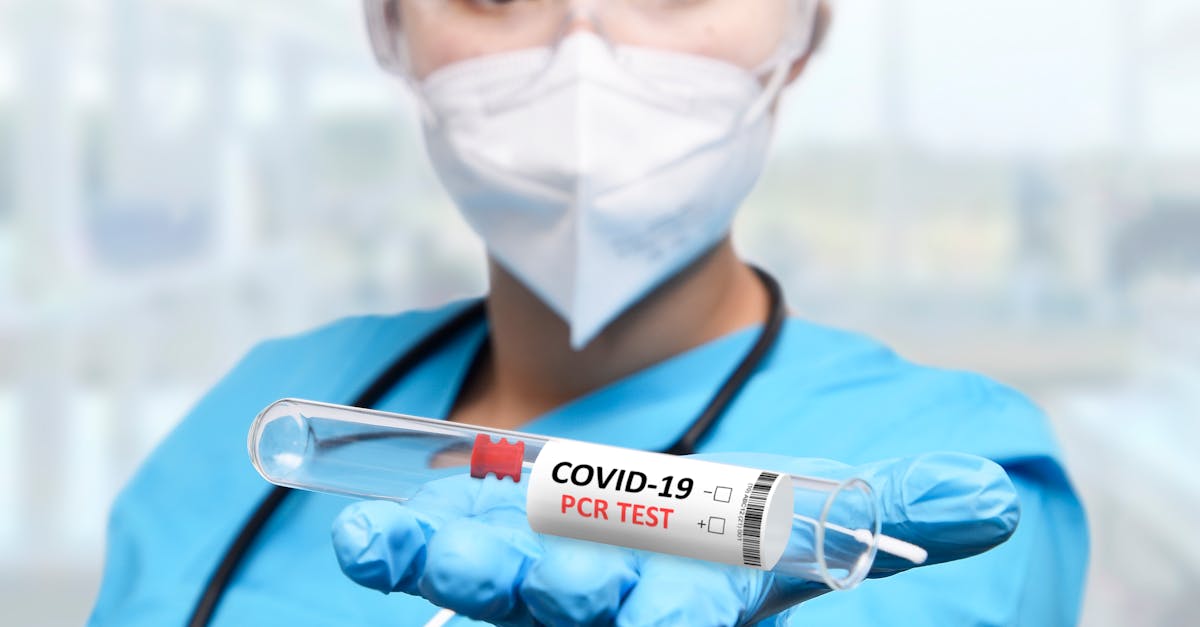
The polymerase chain reaction (PCR) will occupy a central place in modern laboratories in 2025. With its diverse applications, it can detect, identify, and quantify the DNA or RNA of various pathogens or genetic elements. Its efficiency and speed make it an essential tool for medical diagnosis, research, biological safety, and even the food industry. By combining sensitivity, specificity, and ease of use, this technique has revolutionized the way scientists analyze samples, sometimes in just a few hours. The presence of major companies such as Biomérieux, Qiagen, and Cepheid in the field attests to the significant importance of this technology in the sector. PCR has also become a real tool for addressing crucial issues, particularly those related to emerging infectious diseases or high-risk genetic mutations. In this article, through various real-life cases, we will discover how this technique is infiltrating daily laboratory practice to answer the essential questions of today and tomorrow. Why PCR Has Become the Key Tool for Diagnosing Infections in 2025
Since the dawn of molecular biology, PCR has experienced exponential growth. Its major advantage? Its ability to amplify a specific fragment of DNA or RNA in record time, making it possible to detect infinitesimal traces of genetic material. But what makes this technique so effective in the modern context?
First parameter: its high sensitivity.
In 2025, detecting a pathogen with just a few copies in a sample can make all the difference, particularly during silent transmission or the very beginnings of infection. This is a real asset for preventive medicine or epidemiological surveillance. Second point: its specificity. PCR relies on primers designed to target only a specific sequence of the genome of the agent being tested. This avoids false positives and allows for reliable diagnosis, even from complex samples such as blood, respiratory secretions, or biological tissues. Secondly, the speed at which results are obtained allows doctors and researchers to act quickly, which is crucial for containing an epidemic or adjusting treatment. Finally, the ease of integration into automated, often compact, devices allows for widespread use in routine diagnostics or high-performance research laboratories. The use of reagents from industry giants such as Thermo Fisher Scientific or Agilent Technologies ensures maximum reliability of results. The essential steps for performing an effective PCR: from sampling to analysisFor a successful PCR test, each step must be mastered. The first is obtaining a quality sample. Depending on the type of analysis, this can range from a nasopharyngeal swab for viral detection to a tissue or saliva extract. Next, a DNA or RNA extraction process is required. This involves specialized kits, often produced by Qiagen or Cepheid, to ensure optimal purity. After this crucial step, we move on to preparing the reaction itself. The extracted material is mixed with primers, enzymes such as Taq polymerase, nucleotides, and buffers. Precision is essential: the choice of primers must target the specific sequence to avoid confusion or contamination. Manufacturers such as Roche Diagnostics offer kits optimized for different uses, allowing you to automate your protocol.Once the reaction is prepared, it is placed in a thermal cycler. This heats and cools the samples according to a precise protocol. The increase in temperature promotes DNA denaturation, primer binding, and extension of the new strand. After 30 to 40 cycles, quantification or qualitative detection is obtained. Results can be read by fluorescence, particularly with real-time systems such as those designed by Promega or Cepheid, which allow immediate analysis.
Finally, the results must be interpreted with caution. The presence of a signal indicates specific fragmentation of the material, but pollution or contamination can distort the reading. This is why repetition and quality control remain essential. Mastering each step will ensure diagnostic reliability, both in research and medicine.
Practical Uses of PCR in the Detection of Infectious Diseases
PCR in the laboratory is a true Swiss Army knife in the fight against infectious diseases. Take, for example, the detection of Mycobacterium tuberculosis. PCR can identify the DNA of this bacterium very quickly, often in less than a day, whereas conventional tests take several weeks. Kits from Roche Diagnostics and Takara Bio offer solutions dedicated to this pathology.
Another area of application: respiratory infections such as influenza or Covid-19. Quantitative PCR, or qPCR, not only confirms the presence of the virus, but also assesses viral load. This information helps better target therapeutic management and monitor patient response. In the case of Covid-19, the speed and sensitivity of the PCR test were decisive in 2020-2022. In 2025, this method remains the gold standard for diagnosis and monitoring. Companies such as Cepheid and Abbott have released tests capable of obtaining results in less than 30 minutes, integrating real-time PCR into a lightweight, portable device.
These techniques don’t stop at detection. They also make it possible to differentiate strains or mutants, particularly with mutational tests developed by Qiagen or Agilent Technologies. For example, distinguishing the H1N1 strain from avian flu or detecting drug-resistant mutations in Mycobacterium tuberculosis. Advanced applications: quantification and detection of specific mutations
Beyond simple diagnosis, PCR also enables precise quantification of genetic material. This is fundamental in biomedical research or environmental monitoring. For example, to monitor the progression of cancer or measure a virus’s resistance to treatment. Real-time quantitative PCR (qPCR) offers increased sensitivity thanks to fluorescent probes such as those offered by Promega or Roche.
Furthermore, mutation detection is becoming a key step with the rise of personalized medicine. How can we differentiate between a wild virus and a resistant variant? The answer lies in the use of specific probes designed to recognize point mutations. For example, the identification of mutations in the Covid-19 spike protein or in the resistance gene of Mycobacterium tuberculosis. These advanced tools, often based on digital PCR or multiplex formats, enable rapid and accurate diagnosis, essential for adjusting treatment.
Modern techniques also integrate digital platforms and automated systems to spontaneously analyze thousands of data sets. Compatibility with software such as those from Agilent Technologies or Eppendorf simplifies the unification of results and accelerates decision-making.
Choosing the Right PCR Equipment for Your Lab in 2025
The PCR market continues to expand with a multitude of devices. So, how do you make the right choice? The selection depends on several criteria: sample volume, required accuracy, ease of use, and budget. Manufacturer Cepheid offers automated cyclers for rapid routine use, with cables connected to a cloud for storing results.
Major brands such as Eppendorf and Agilent also offer modular and scalable systems, suitable for all lab sizes, from the smallest to the most advanced. Reagent kits provided by Biomérieux or Qiagen guarantee compatibility with multiple devices and enhance test reliability.
By 2025, the integration of artificial intelligence into the results reading process will also become a determining factor. It allows for the immediate identification of potential anomalies or contamination. The key to success therefore lies in high-performance equipment, a reliable supply chain, and solid staff training.
Challenges Related to Standardization and Quality in the Use of PCR in the Laboratory
For optimal reliability, the standardization of PCR protocols is essential. Each laboratory must follow standards established by organizations such as ISO or the CDC. The reproducibility of results relies on rigorous mastery of protocols, regular quality controls, and perfect traceability of reagents.
Method validation must be an integral part of the process, particularly for regulated diagnostic tests. The availability of approved kits, such as those certified by the FDA or the European Union, facilitates this step. Furthermore, ongoing staff training ensures a thorough understanding of the processes and limits the risk of error. By 2025, the emergence of digital PCR, combined with improved standardization, will enable even more accurate and comparable results between different laboratories around the world. International collaboration and method certification provide greater confidence in addressing global health challenges.
FAQ: Frequently Asked Questions About the Use of PCR
Can PCR detect a past infection?
PCR is highly sensitive, but it requires the presence of active genetic material. It can therefore detect a recent or ongoing infection, but not necessarily a past condition if the material is degraded.
What are the risks of false positives or negatives?
False positives can result from contamination, while false negatives can result from poor preparation or improperly collected samples. Rigor at each step limits these risks.
Is PCR adaptable for animal or plant diagnostics?
Absolutely! PCR is also used in disease detection in animals and plants, particularly to prevent the spread of diseases on a global scale.
Who are the main suppliers in 2025?
- Among them, Biomérieux, Qiagen, Cepheid, Thermo Fisher Scientific, and Agilent Technologies play a major role in providing reagents, devices, and complete solutions. What is the future trend for PCR?
- The trend is toward increased automation, miniaturization of devices, and, above all, the integration of artificial intelligence for immediate and reliable data reading.