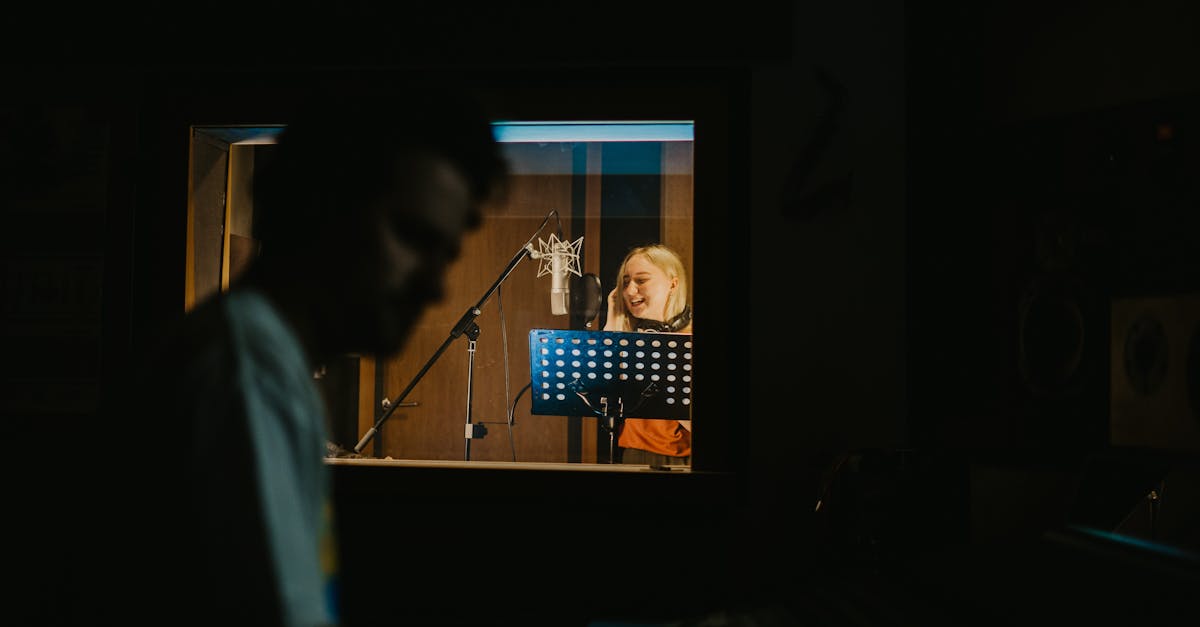
When discussing the success of a short film, the importance of soundtrack design is often underestimated. Yet, in 2025, this component remains essential to captivate the viewer and bring each scene to life. Whether through music, effects, or sound design, sound has become a true language, capable of reinforcing emotion, accentuating the action, or fully immersing the viewer in the film’s universe. With technological advancements and the proliferation of accessible tools like Mac Sound, Audiotech, or Sonovision, creating a quality soundtrack has never been more accessible for amateur and professional filmmakers. The key lies in mastering the techniques, choosing the right resources, and a keen understanding of the role sound plays in visual storytelling. So, how can you create a soundtrack that doesn’t just accompany the story, but becomes a character in its own right? This question arises at every stage, from conception to post-production, including composition and effects integration. In this article, we’ll explore the art of creating memorable sound design, step by step, with concrete examples and practical tips to make every frame of your short film resonate. Ready to make your sound vibrate like a true cinematographer? Let’s go!

Understand the importance of sound design in a short film
In the world of cinema in 2025, it’s often assumed that the image must say everything. Yet, it’s the blend of image and sound that gives a work its full power. Good sound design doesn’t just add sounds or music. It creates an atmosphere, evokes emotions, and guides the viewer through the experience. Did you know that the emotional impact of a short film can be multiplied by the judicious use of the soundtrack? Music, for example, isn’t raw with emotion, but chosen to support the narrative and enhance the atmosphere. When well integrated, the soundtrack becomes a visual extension, a vector of sensations. At the risk of falling into kitsch or cliché, successful sound design harmoniously balances music, sound effects, and silence.
What are the effects of quality sound design?
- 🎶 Reinforcement of key moments and emotional scenes. 🌍 Creation of an immersive and believable universe.
- 🔔 Amplification of dramatic impact, innuendo, or suspense.
- 🎧 Reinforced viewer engagement in the story.
- Artists like Mélodie Production and Écho Studio have understood that this sound ally is a true lever for differentiation. The synergy between image and soundtrack generates a captivating, almost cinematic experience. In 2025, it’s becoming clear that the best sound design should not be left to chance. It requires in-depth thought, technical mastery, and artistic sensitivity to enhance the narrative.
Discover the art of sound design, an essential discipline that shapes the sonic identity of audiovisual projects. Learn the techniques for creating immersive atmospheres and captivating sound effects that enchant audiences.

Creating a unique soundtrack is an art form. It requires juggling multiple musical techniques, from composition to digital manipulation. Simplicity can often be effective. Repetitive melodic motifs, such as a recurring theme, can bring cohesion to the whole. These motifs then become the common thread of the story, allowing viewers to connect emotionally. In addition to motifs, you need to play with harmony and rhythm.
But what about originality?
🎼 Mixing musical genres from different cultures: for example, combining Middle Eastern and electronic music.
- 🎛️ Using platforms like Logic Pro or Cubase to experiment with new sounds and textures.
- 🧩 Combining different styles to enrich the musical atmosphere.
- 🎷 Playing with dynamics: speeding up or slowing down to enhance the dramatic impact. A major trend in 2025 is the integration of sounds from nature or previously unreleased recordings. Composers like those at Sonovision are harnessing these resources to create unique atmospheres. For example, the sound of wind or leaves can become the central element of a mysterious or poetic scene. The key is to ensure that the music and sound effects complement each other and tell a story without words, in symbiosis with the image.
- Discover the art of sound with our complete guide to sound design. Explore the techniques, tools, and expert advice to create immersive and captivating soundscapes that enrich your audiovisual projects.
Sound Design: Enhancing the Viewer’s Experience

For example, for a forest scene, simply playing a pre-recorded sound isn’t enough. You can record the rustling of leaves or a bird’s song on location, then transform it in the studio to enhance the dramatic or mysterious effect. The subtlety of silences is just as important. A well-placed silence can heighten tension or create an atmosphere of uncertainty.
How can you effectively combine music and sound effects?
🎼 Synchronize musical accents with visual or narrative effects. ⏱ Adapt the sound dynamics to the action for greater impact.
🎥 Use the contrast between silence and sound effects to emphasize emotion.
- 🎚️ Mix in software like Audioscene or Echo Studio for optimal results.
- By perfectly integrating effects and music, each scene becomes a sonic poem, captivating without the slightest overload. The constant search for originality and harmony is the key to success in the subtle art of sound design.
- Synchronizing Image and Sound: The Magic of Rhythm and Dynamics
- A good sound design must interact with the image, like two partners in a dance. Synchronization between the two is essential. In 2025, this step relies on advanced techniques to ensure that each musical transition, each sound effect, corresponds precisely to what is happening on screen.
How can we ensure this translation is perfect?
🎼 Use visual cues or markers in editing software.
⏩ Speed up or slow down the tempo to match the action.
🎯 Use musical accents to emphasize important moments.
- 🎥 Respect the natural pace of the scene to increase immersion.
- Variations in rhythm also add dynamics to the narrative. For example, a crescendo of sound can accompany a buildup of tension, while a return to calm signals a resolution or the end of the action. With tools like Soundwave or CinéSon, it becomes easier to perfectly match image and sound.
- The essential tools for professional sound creation
- More than just software, the choice of tools makes all the difference in 2025. Studios like Sonovision or Écho Studio offer powerful applications for composing, mixing, and finalizing soundtracks. Some, like Studio GEMA, offer precise control when capturing or processing sounds.
Here are some must-haves:
Tool / Software
Main Features
Benefits 🌟
| Logic Pro / Cubase | Composition, editing, audio manipulation | Flexibility, large sound library, intuitive interface |
|---|---|---|
| Audioscene / Echo Studio | Mixing, mastering, sound effects | Precision, professional quality, collaborative |
| Sound and Light | Outdoor recording, digital processing | Authenticity, rich textures |
| In these tools, compatibility with other resources like Soundwave or Melodie Production allows for the creation of complex soundscapes. Mastery of these software programs, coupled with quality equipment, guarantees a professional final result. In 2025, technical mastery is inseparable from artistic sensibility so that each sound tells a story. | Inspiration and case studies of memorable sound creations | Films like “La Jetée” and “Amélie” have made their mark on cinematic history thanks to their innovative use of sound. Their success is based on total sonic immersion, where every sound, every piece of music, contributes to the atmosphere. In 2025, these examples remain benchmarks for anyone wishing to explore the art of sound design. |
Testimonials from professionals, such as those collaborating with CinéSon or Sonovison, show that boldness and the pursuit of originality pay off. The search for new textures or surprising sound effects allows for a difference. Taking risks, by experimenting with location recordings or digital manipulations, opens new horizons.
What are the levers for inspiration?
🎧 Study award-winning soundtracks or influential films.
📚 Participate in workshops or masterclasses organized by Soundwave or Écho Studio. 📝 Analyze the synchronization between image and sound in recognized works.
🧪 Experiment on your own, using tools like Mac Sound or Audiotech.
- To make your short film a benchmark, you need to combine technique and artistic sensitivity. Sound creativity is a constant testing ground where every detail counts to create emotion and immersion.
- FAQ: Creating a sound design for a short film in a few questions
- How do you begin creating a sound design for a short film?
- You must first analyze the script and visualize key moments, then choose or create sounds adapted to each scene. Planning transitions and researching moods are essential from the start.
Which software should you prioritize in 2025?
Tools like Logic Pro, Cubase, and Echo Studio are widely acclaimed for their power and ease of use. They allow you to experiment and refine every sonic detail.
-
How can you achieve original sound effects?
By recording on location or manipulating existing sounds with software or platforms like Sonovision, you can create new textures. The important thing is to remain creative and, above all, relevant to the story.
-
What is the role of silence in sound design?
Silence is a powerful tool for emphasizing emotion or creating tension. In 2025, it is often used with finesse to reinforce the impact of a scene.
- Creating a sound design therefore requires perfect technical mastery, artistic sensitivity, and a great deal of experimentation. With the help of platforms like Studio GEMA or Sonovision, and by drawing inspiration from the great names in cinema sound, each creator can bring to life a unique sound universe, so that each short film becomes an unforgettable experience. ✨