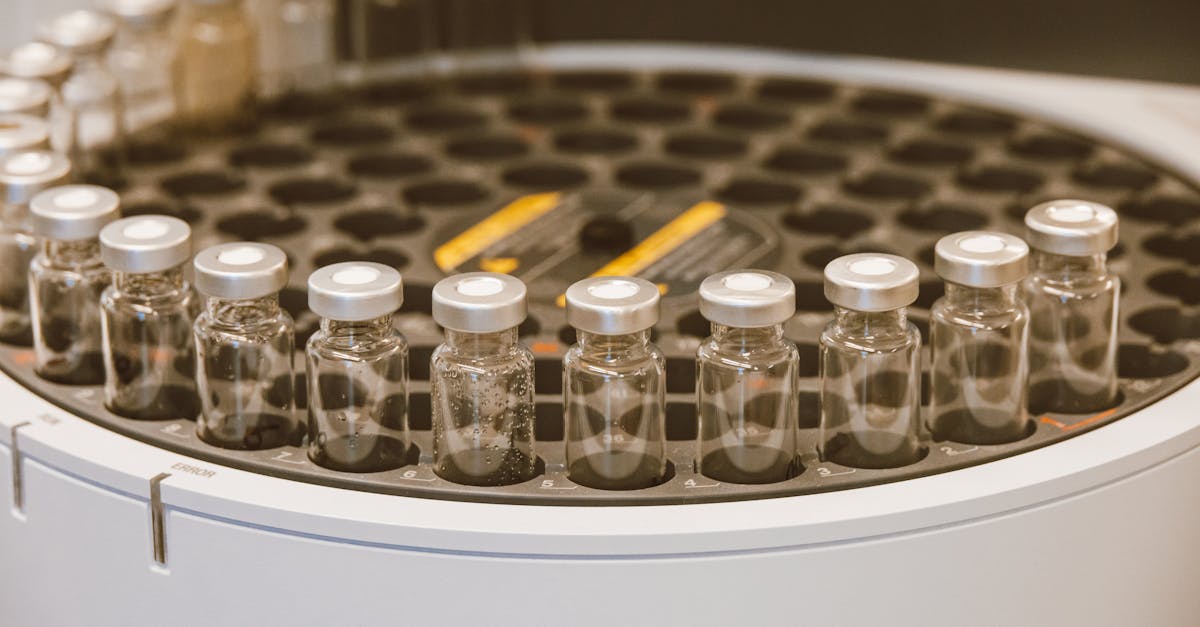
The Critical Challenges of Quality Assurance in the Pharmaceutical Industry in 2025
In 2025, ensuring the safety and efficacy of medicines has never been more vital. Quality assurance must comply with strict regulations while adapting to technological innovations. The sector’s rapid growth, coupled with risks associated with contamination, counterfeiting, and errors, is forcing companies to strengthen their systems to avoid costly recalls and preserve their reputations. The convergence of regulations, innovations, and consumer demands makes this mission more complex than ever. Today, the key to success lies in rigorous management, both proactive and reactive, which integrates risk management, full traceability, and the involvement of all stakeholders. Collaboration with regulatory bodies such as Bureau Veritas, SGS, and TÜV Rheinland is becoming essential to ensure ongoing compliance. The race for quality now goes beyond simple regulatory compliance; it translates into a continuous improvement approach, a key factor in preventing any problems before they affect public health. What strategies are these stakeholders implementing to address these issues? What role do new technologies play? The answer lies in the integration of a robust quality assurance system capable of addressing all these challenges.

How are they structuring their quality assurance systems in the pharmaceutical industry in 2025?
The foundation of effective quality assurance rests on a precise framework that covers the entire drug lifecycle. It all begins with the implementation of strict standards, particularly those set by ISO 9001 and GMP, which are essential to guarantee error-free production. Digital document management, with software such as Veeva Vault or TrackWise, allows each step to be precisely tracked. Then, scheduling regular audits, in conjunction with organizations such as Dekra or Intertek, serves to ensure compliance and quickly detect any deviations. 🌍 Compliance with local and international regulations (e.g., Afnor, AFSSET, EMA)
- 🔍 Systematic inspection of raw materials and finished products
- 📋 Implementation of written and scalable procedures
- 🤝 Close collaboration between production, R&D, and quality control teams
- 💻 Automation via integrated artificial intelligence systems
- This framework is not static: it evolves with innovations and feedback. Deviation management, for example, becomes faster thanks to predictive analytics solutions. Internal and external audits are orchestrated by organizations such as Lloyd’s Register and Eurofins, ensuring continuous monitoring. Transparency and traceability are becoming fundamental pillars. In 2025, evolving your quality assurance system is a necessity to remain competitive and ethical.
Discover the importance of quality assurance in the pharmaceutical industry. We address standards, procedures, and best practices to ensure the safety and efficacy of medicines.

In 2025, compliance with international standards is more than a necessity; it’s a guarantee of credibility. Certifications such as ISO 13485, ISO 9001, and GMP certification have become the universal benchmark. These approaches go beyond regulatory requirements; they establish a culture of excellence, validated by organizations such as TÜV Rheinland and SGS through periodic audits. Standard
Main Objective
| Certification Bodies | Impact on the Industry | ISO 9001 | Global Quality Management |
|---|---|---|---|
| Bureau Veritas, Dekra | Continuous Improvement, Increased Confidence | GMP (Good Manufacturing Practices) | Optimal Manufacturing Conditions |
| Eurofins, TÜV Rheinland | Increased Safety, Regulatory Certainty | ISO 13485 | Quality Management of Medical Devices |
| SGS, Intertek | Sector Specialization, Enhanced Reliability | Obtaining and maintaining these certifications requires genuine commitment, particularly in staff training. It also involves regular audits, often under the supervision of organizations such as Dekra or Lloyd’s Register. Transparency is crucial: documentation must be impeccable, with full process traceability. Certification then becomes a true differentiator for an industry subject to fierce competition and stricter regulatory requirements. Discover best practices in pharmaceutical quality assurance to ensure the safety and efficacy of medicines. Explore the essential standards, methods, and tools to ensure compliance and excellence in the pharmaceutical industry. | Key practices for ensuring quality in pharmaceutical manufacturing in 2025 |
To ensure flawless production, the pharmaceutical industry relies on a set of best practices. These include process validation, real-time monitoring, and rigorous risk management. Equipment validation, for example, has become more sophisticated thanks to modern digital tools. The goal: to ensure that every step, from blending to packaging, is perfectly controlled.
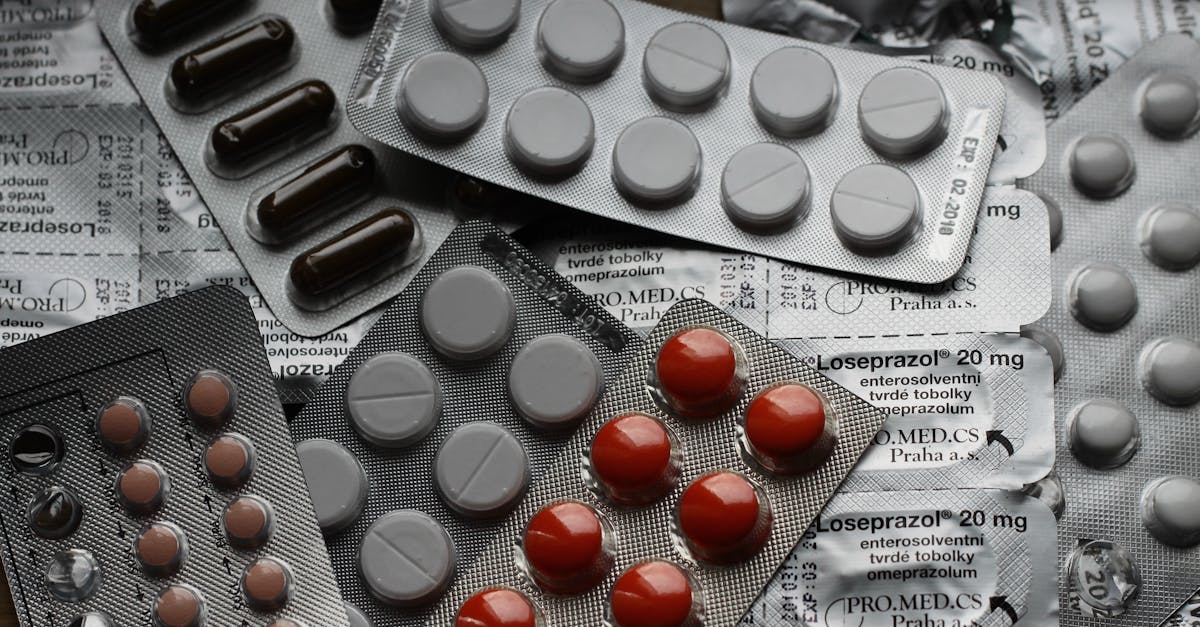
🔧 Preventive maintenance and regular equipment calibration
🔍 Quality controls throughout the process
- 🧪 Use of advanced analytical methods (spectrometry, chromatography)
- 📊 Real-time monitoring using the Internet of Things (IoT)
- Systems such as those provided by Dekra or Intertek enable continuous monitoring, thus reducing human error. The implementation of quality management software also facilitates the documentation and tracking of corrective actions. Full traceability, with a digital audit trail, limits the risks of contamination or tampering. The Strategic Role of the Quality Assurance Manager in the Face of Industry Challenges in 2025
- This position, often central to the organization, requires advanced expertise. It is no longer limited to process verification: today, the quality assurance manager must anticipate, innovate, and coordinate. They must understand the regulatory, technological, and human factors to ensure ongoing compliance.
- ⚙️ Develop and implement specific action plans
🧑💼 Continuously train and raise awareness among your teams
📈 Analyze KPIs to anticipate deviations
🤝 Work closely with regulatory bodies (EFSA, ANSM, US FDA)
- 🔒 Guarantee data traceability and security
- Risk management is at the heart of their responsibilities. Implementing an early warning system, combined with active regulatory monitoring, can significantly limit incidents or recalls. The trust of partners and patients today depends on the quality manager’s ability to effectively mobilize all these resources.
- Technological innovations revolutionizing quality assurance in 2025
- Increasingly, artificial intelligence, blockchain, and robotics are transforming quality management. For example, AI can predict failures based on historical data, significantly reducing errors. Blockchain provides tamper-proof traceability, strengthening supply chain security. 🤖 Artificial intelligence for automatic anomaly detection
- 🔗 Blockchain for data transparency and integrity
🧬 Biocontrol technologies for contaminant detection
🚀 Automation and robotization for manufacturing and control
📡 IoT for continuous monitoring in production
- These innovations aren’t just gimmicks: they’ve proven their effectiveness. With advanced digitalization, players like TÜV Rheinland and Eurofins now offer integrated solutions that enable quality assurance in real time, 24/7, and with unprecedented precision. The race for innovation must continue to ensure safety, compliance, and competitiveness.
- FAQ: Everything you need to know about quality assurance in the pharmaceutical industry in 2025
- 🔎 How can we ensure ongoing regulatory compliance?
- Regular regulatory monitoring is essential, quality management software is used, and audits are conducted by organizations such as Bureau Veritas or Lloyd’s Register. Continuous training and the integration of best practices remain essential.
- 🛡️ What impact do new technologies have on quality management?
Innovations such as AI, blockchain, and IoT enable faster detection, enhanced traceability, and better anticipation of failures. These tools also facilitate documentation and auditing, thus limiting errors.
🏥 Why is quality more than a regulatory requirement?
- Because it constitutes a true business differentiation and a guarantee of patient trust. Rigorous and innovative management also helps reduce costs related to recalls and non-compliances, while strengthening the company’s reputation.
- 🌱 How can we ensure an eco-responsible approach while ensuring quality? By integrating renewable energy, limiting waste, favoring sustainable raw materials, and respecting ESG standards, quality must also be part of a sustainable development approach.

