
Obtaining your BTS (Higher National Diploma) isn’t just about mastering your coursework. Success in oral exams, often perceived as a formidable challenge, depends primarily on a well-honed strategy. Between stress management, presentation techniques, and self-confidence, each step must be carefully planned to optimize performance. In 2025, the key to success lies in targeted preparation, appropriate communication techniques, and regular practice. Candidates who adopt an organized approach, avoid mental distraction, and focus on their ability to convince with confidence have every chance of shining during their oral exam. Whether in a BTS Commerce, SAM, or other field, the method is built with rigor and practice, to transform every doubt into confidence and every intervention into a strong message. Success wouldn’t be complete without solid mental preparation, effective time management, and perfect mastery of expression techniques. It is this synergy that allows each candidate to achieve their goals and stand out from the crowd during the essential tests. In this article, discover all the practical strategies to make your oral exam a real asset to your overall success in the BTS.
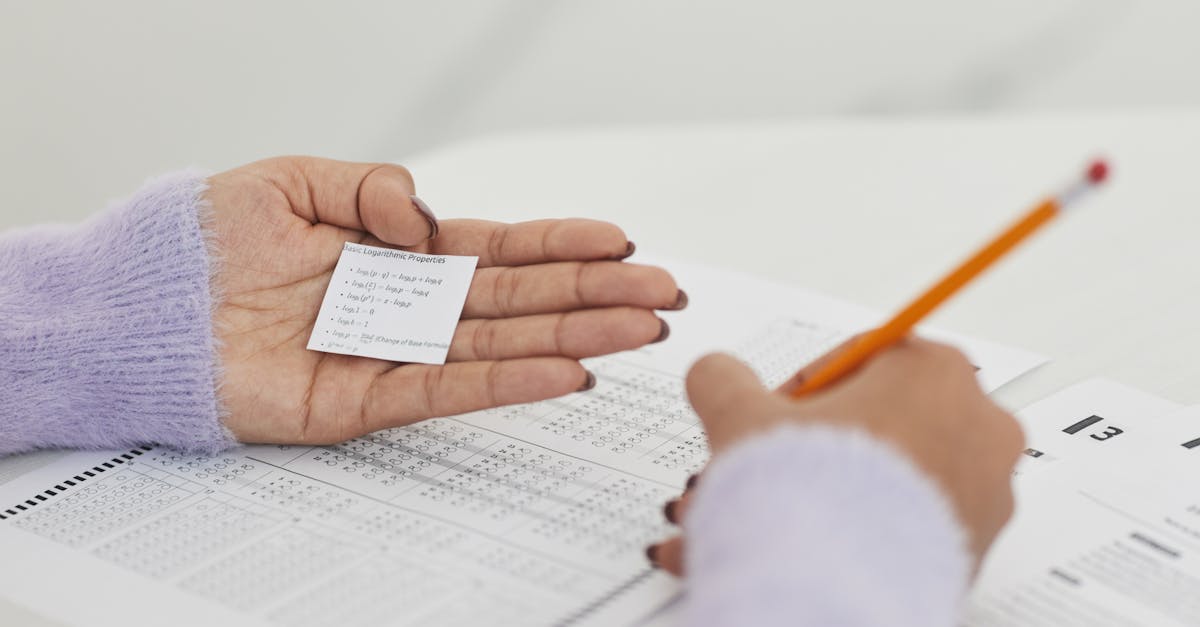
Why solid preparation is the cornerstone of the BTS oral exams
Seriously preparing for the BTS oral exams means, above all, ensuring you master the content. But beyond pure knowledge, it’s also about learning how to present yourself, communicate effectively, and confidently answer the jury’s questions. In 2025, many students simplify their preparation by focusing on the oral part at the last minute. However, this is a mistake that can be costly. The winning strategy is to spread out your revision, create summary sheets, and practice regularly. Effective preparation goes far beyond simple rehearsal; it also involves knowing your weak points. For example, if you tend to lose words or speak quickly, you need to act now by rehearsing in front of an audience or on camera. To boost self-confidence during the oral exam, it’s also essential to work on breathing and stress management, all of which contribute in their own way to fluent and convincing communication. Proper preparation also helps avoid panic on the big day and allows you to maintain control over the entire process. The key, therefore, is to have a clear strategy, integrated into a precise schedule, to avoid leaving room for improvisation. If you’d like to strengthen your preparation, don’t hesitate to consult this article on (Diversification in the BTS ACSE) which details how to anticipate your projects and presentations.
How to develop an effective preparation plan for the BTS oral exams?
Building a preparation strategy first involves understanding the challenges and structuring your efforts. Planning plays a fundamental role: it helps avoid rushing and last-minute stress. To begin, you need to establish a precise schedule that breaks down the different phases. For example, plan for at least two months of preparation by integrating successive steps: reviewing key concepts, practicing in real conditions, refining weak points, etc. A good plan should also include practice sessions in front of a panel or an audience to simulate the test and refine your public speaking skills. Regularity is the golden rule: studying or practicing every day, even for a short period, is more beneficial than blocking out long sessions spaced apart. Moreover, this page (an example of an effective schedule for a learning project) provides advice on organizing your days and weeks. The key also lies in setting specific objectives: each session should be geared toward a concrete result, such as mastering an exercise or completing a summary sheet. In summary, a structured, coherent, and adaptable plan allows you to cover all the aspects necessary for a successful performance during the oral exams.
Presentation techniques to capture the jury’s attention during the BTS oral exam
Standing out during the BTS oral exam is, above all, about knowing how to capture attention and establish a real connection with the jury. Communication plays a central role: it’s not just what you say, but how you say it. Especially since in 2025, juries are sensitive to candidates who know how to combine authenticity and professionalism. To achieve this, there are several essential techniques. The first is to take care of your posture: ensure good gestures, maintain eye contact, and have an open attitude. Then, it’s crucial to structure your speech with a clear introduction, an organized development, and a powerful conclusion. Using visual aids or concrete examples can also strengthen the impact and make your presentation more lively. Mastering your tone, rhythm, and voice also allows you to adapt your presentation to the audience. For example, by working on your voice modulation, you avoid monotony and maintain interest. To learn more, you can explore this article (Communication Strategies for Success in the BTS) which details how to use practice to improve your presentation skills. Remember: being convincing is, above all, about knowing how to communicate effectively and practicing regularly.The Keys to Managing Stress and Building Confidence During the BTS Oral ExamStress is the number one enemy of most candidates. However, you shouldn’t eliminate it completely, but rather learn to manage it so it doesn’t interfere with your performance. Self-confidence, on the other hand, is built with practice and preparation. In 2025, many people are using relaxation techniques such as deep breathing, visualization, or meditation to refocus. It’s also recommended to do some light physical exercise before the test, as this reduces anxiety and increases concentration. The day before, avoid anything that can increase stress: disconnecting from social media, getting restful sleep, and eating a balanced diet. Another tip is to master your speech through rehearsal, by practicing the oral presentation several times in real conditions. These training sessions build confidence and gradually eliminate doubts. Furthermore, it’s helpful to transform nervousness into positive energy, telling yourself that it’s simply an exchange of ideas. Finally, to make stress management a habit, there are also mobile apps focused on mindfulness or breathing. By adopting these techniques, you promote natural and confident communication during your exam, which is often the difference between success and failure. If you’d like to learn more about stress management, check out this article (on assessing your own mental readiness) which will help you boost your overall confidence.
Practices to incorporate for effective communication during BTS oral exams
Transforming a simple presentation into a truly compelling argument requires practice and specific techniques. Communicating during an oral presentation must reassure the jury, demonstrate your mastery of the subject, and also your oral fluency. To achieve this, it’s essential to practice regularly. For example, you can record yourself to analyze your speech, your gestures, and even your intonation. Practicing by simulating the test with colleagues or in front of a mirror allows you to identify and correct your mistakes. Posture plays a key role: a relaxed but confident stance helps build self-confidence. Using precise gestures to emphasize your points, adopting a clear and controlled tone, and demonstrating enthusiasm are all assets for captivating the jury. Time management is also essential: avoid going over the allotted time or rushing through certain points. In 2025, fluent and authentic communication makes all the difference during the exam. Consult this article (to discover different effective communication techniques) to further develop your methods. Ultimately, consistent practice and confidence in your preparation will allow you to make your oral exam a success, reflecting your seriousness and professionalism.
FAQ: Frequently asked questions for effective preparation for the BTS oral exams
How should you organize your oral practice time?The best method is to divide your practice sessions into small, regular chunks, while incorporating full simulations based on real-life conditions. Use a detailed schedule (example here).How can you boost your confidence before the big day?
By practicing intensely, visualizing yourself in a successful situation, and mastering your breathing techniques to manage stress. Repetition is key.
- What methods can you use to improve your oral communication? Work on posture, articulation, voice modulation, and speech structuring. Practicing in front of a mirror or with a partner helps enormously.How can you avoid stress on test day?By preparing your outfit, having a calming routine beforehand, and using breathing or meditation techniques. Confidence comes with preparation.
- What attitude should you adopt when faced with difficult questions? Remain calm, take the time to think, rephrase the question if necessary, and provide an example or a realistic solution. Honesty and transparency are always appreciated.