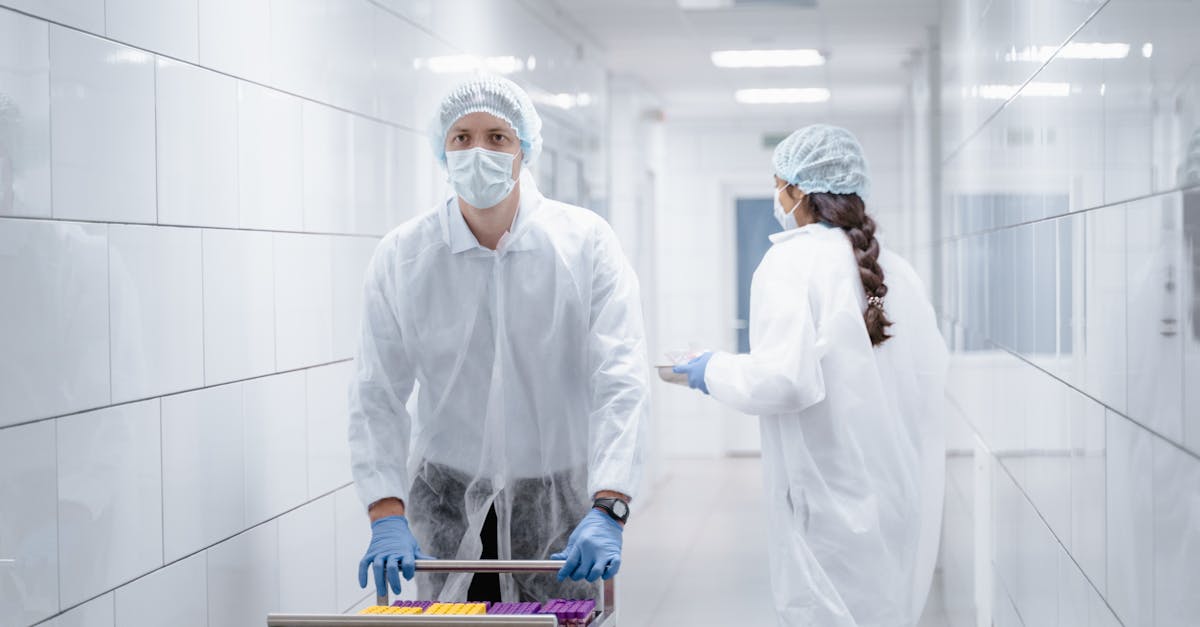
In a world where biotechnology and medical research are advancing rapidly, laboratory biosafety is becoming a crucial issue for protecting human health and the environment, and preventing any accidental or intentional release of pathogens. In 2025, faced with health risks amplified by new pandemics and the handling of increasingly dangerous microorganisms, controlling containment levels is the key to success. From the analogy between an ordinary doctor’s office and a high-security center, to the strict measures adopted in cutting-edge laboratories, the system is based on a precise hierarchy. It is the set of procedures, equipment, infrastructure, and regulations that ensures that innovation does not lead to disaster. You may be wondering how these levels differ, what precautions are taken, and who they are for? Let’s dive into this complex but essential world to understand how containment in a laboratory guarantees everyone’s safety. How does biosafety define protection in laboratories?
Biosafety isn’t just a rule to follow; it’s a coherent set of measures designed to minimize all risks associated with handling dangerous biological agents. It covers several aspects, from staff awareness to rigorous environmental management. Its goal? To prevent contamination, dissemination, or even malicious use of pathogenic organisms. In practice, biosafety translates into precise protocols, specific equipment, and strict organization. But what are its essential components? Here’s a list to help you better understand:
🚨 Prevention: risk anticipation and staff training
- 🛡️ Control: Containment and physical protection measures
- 🔒 Protection: Personal protective equipment (PPE) and decontamination protocols
- 🧪 Management: Secure storage, traceability, and access control for biological agents
- 📝 Regulation: Compliance with local, European, and global standards
- Key stakeholders such as the Institut Pasteur and INSERM are leading these strategies, coordinating implementation based on identified risks. For example, when researching highly contagious viruses, such as Ebola or avian flu, these protocols become fundamental. The window of action must always remain vigilant, proactive, and adaptable.
Discover the importance of biosafety in protecting human health and the environment. Learn the best practices and regulations to ensure a secure laboratory and facilities.
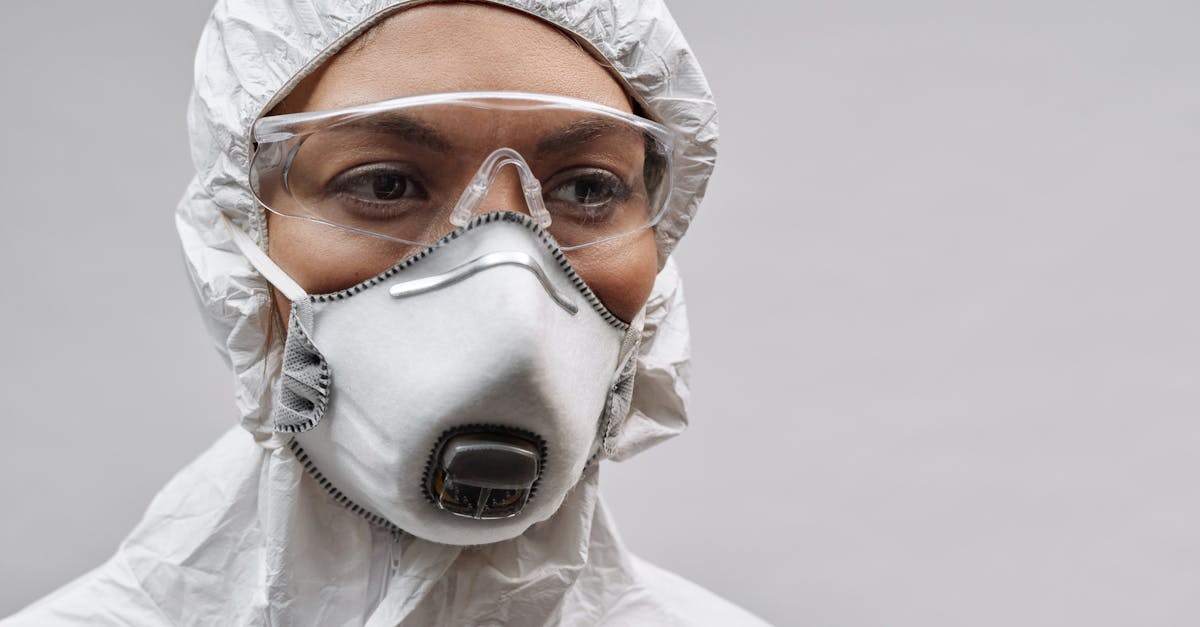
The power of good containment should not be underestimated. Biosecurity must ensure optimal protection by reducing any potential hazards. Here are some concrete benefits that illustrate the importance of these measures:
✨
- Personnel protection : the use of appropriate equipment limits any direct exposure to hazardous agents. 🌱
- Environmental protection : prevention of accidental release into the environment or into the food chain. 🦠
- Fighting the spread of diseases : especially in the context of established or emerging epidemics. This prevents a new global health crisis in 2025, such as those discussed at the WHO or ANSES conferences. 🤝
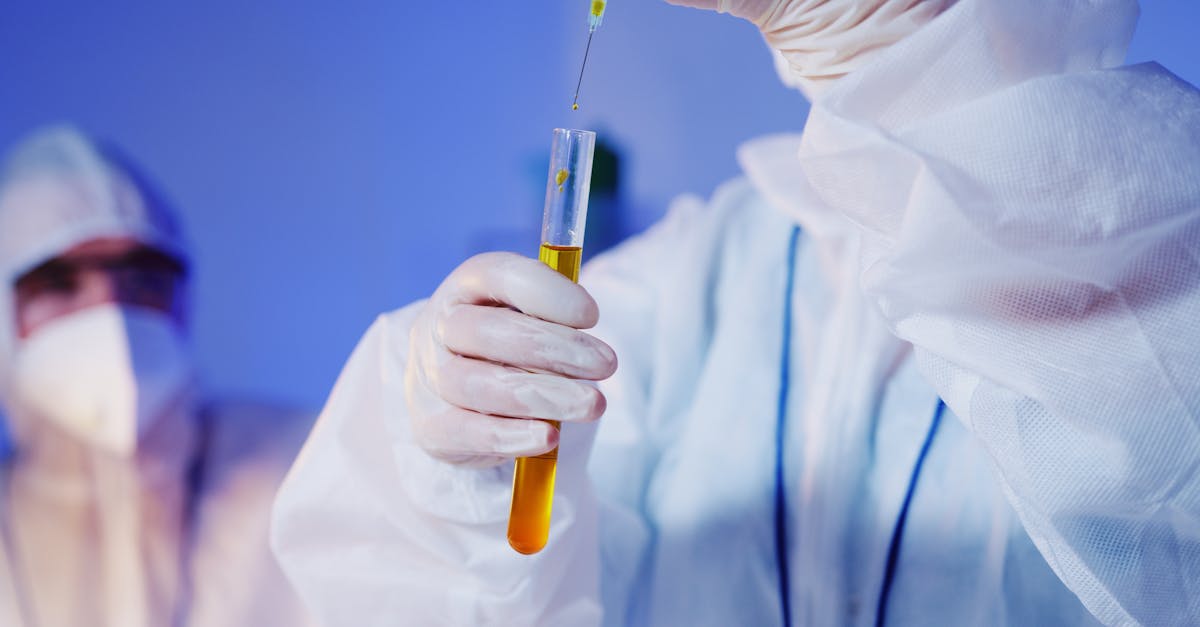
- Assurance for research and innovation : ensuring that scientific efforts do not lead to catastrophic scenarios. Ventilation systems, HEPA filters, and protective equipment, such as those approved by laboratories like Eurofins or Sanofi, play a central role. For example, in a BSL-4 unit, each handling step is scrupulously controlled to prevent any incidents.
The different sectors applying biosafety: from the field to the forest
Biosafety isn’t just a concern for laboratories. It extends to a variety of sectors where handling biological agents or risk prevention is crucial. Here’s an overview:
🚜
- Agriculture : Prevention of animal diseases, pest control, among other things, on farms or livestock farms. Screening by organizations such as the CNRS (French National Center for Scientific Research) or the French National Institute of Health and Medical Research (INSERM) is common. 🛒
- Food : Risk management to ensure food safety, particularly through collaboration between the WHO, the FAO, and companies like Biomerieux and Thermo Fisher Scientific. 🌍 Environment
- : Control of genetically modified organisms, fight against invasive species, and the spread of zoonoses. Eurac Research, for example, conducts studies to limit their spread in flora and fauna. An integrated approach, combining surveillance, prevention, and intervention, can radically limit the impact of these risks in every area of activity. Discover the importance of biosecurity to protect human, animal, and environmental health. Explore the essential practices, regulations, and innovations to prevent biological risks and ensure a safe and sustainable future.
The four levels of laboratory containment: a detailed explanation
Biosafety Level
Agents Relevant 🦠
| Main Requirements | Infrastructure and Measures | BSL-1 | Low-pathogenic, non-infectious agents 🧬 |
|---|---|---|---|
| No strict isolation, basic hygiene | Simple laboratory, danger signs, minimal PPE | BSL-2 | Common pathogens (e.g., measles virus) |
| Local containment system, PPE | Airlock, decontamination, controlled ventilation | BSL-3 | Serious agents (e.g., tuberculosis, H5N1 virus) |
| Biosafety cabinet, directed-flow ventilation | Suction system, advanced decontamination | BSL-4 | Highly hazardous agents (Ebola, Marburg) |
| Hermetic systems, diving suit, negative-pressure room | Extreme isolation, specific and redundant equipment | The adaptations between these levels result in : | 🔧 Specific architectural design, such as airlocks or sealed rooms |
🧴 Reinforced protective equipment
- 💨 Laminar flow or negative pressure air circulation
- 📝 Systematic decontamination protocols
- For example, handling a highly contagious virus like Ebola requires level 4 containment, with personnel trained and equipped according to the strict standards of the Institut Pasteur or the Laboratoire de Santé.
- Regulations: a framework to ensure effective biosecurity
Regulating, monitoring, and adjusting: this is the role of the authorities responsible for biosafety. These bodies, such as ANSES (French Agency for the Safety of Animals and Plants) or the National Technical Commission for Biosafety (CTNBio), ensure that each laboratory complies with current standards. French legislation, particularly the decree of July 16, 2007, defines minimum technical measures based on biorisk. In addition, European legislation imposes a uniform framework. Organization
Main Role
Examples of Regulations
| ANSES | Risk management related to biological agents, pathogen control | Guidelines for the establishment and monitoring of laboratories |
|---|---|---|
| CTNBio | Regulation of biotechnology activities, including GMOs | Approval of research projects and compliance with biological standards |
| National Health Laboratory | Monitoring and validation of containment measures | Certifications for Level 3 and 4 laboratories |
| In addition, each facility must conduct a regular risk assessment in their Single Risk Assessment Document (DUER). This allows containment measures to be adapted based on the agents handled and their hazards. | Specific technical measures and their implementation in 2025 | To ensure optimal biosafety, each containment level requires specific measures: construction, equipment, and best practices. For example, in a level 3 laboratory: |
– The doors must be opened using a servo-controlled system. – The premises must have a double airlock to prevent accidental leaks.
– Ventilation must maintain a constant negative pressure, drawing unwanted air into a filtration system.
– Personnel clothing must include a full-body suit with overboots, a hairnet, and a filter mask.
etc.
Equipment such as Type II or III MSCs (Microbiological Safety Cabinets) ensure active containment during handling. These precautions, in accordance with the recommendations of the WHO or the European Regional Agency, ensure that any release of infectious material outside the containment system remains impossible.
Discover the importance of biosafety in protecting human health and the environment. Learn best practices to prevent microbiological risks and ensure the safety of research facilities.
Citizen involvement, training, and awareness in 2025
Training plays a key role in this process. Prevention must begin at recruitment, with training programs approved by INSERM or Eurofins, to ensure perfect mastery of protocols. Biosafety awareness also concerns all administrative staff, technicians, and researchers. Continuous training ensures adaptation to new threats, for example, when a new virus or mutant strain emerges. Furthermore, transparent communication about measures, via platforms like TikTok or Instagram, helps ensure better understanding for the public and all stakeholders involved. Trust relies on rigorously systematized procedures, transparency regarding risks, and rapid response in the event of failure.
Frequently Asked Questions (FAQ) about Biosafety and Containment Levels
What is the difference between a BSL-2 and BSL-3 laboratory?
BSL-3 concerns more dangerous agents, requiring containment chambers, specific ventilation, and full protective clothing, while BSL-2 concerns common agents with less strict containment.
Who decides the appropriate containment level for an agent or research?
- Regulatory authorities, based on risk assessment, the agent’s characteristics, and the techniques used. The decision is often made in consultation with experts such as those from the Institut Pasteur or INSERM.
- Are there innovative technologies to strengthen biosafety in 2025?
- Yes, particularly with the use of automated decontamination systems, AI for surveillance, or robotic isolators to limit human exposure.