
Faced with growing environmental and health concerns, reducing pesticide use appears to be an essential necessity in 2025. Dependence on these products, once considered essential to ensure abundant harvests, is now being called into question. The shift toward alternative solutions is part of a profound ecological transition. On the one hand, European governments like France have launched ambitious plans, such as the Ecophyto plan, aimed at halving pesticide use by the end of this year. On the other, citizens, farmers, and consumers are seeking environmentally friendly methods capable of preserving biodiversity while maintaining agricultural productivity. The climate crisis, accelerated biodiversity loss, and public health concerns are raising awareness of the need for a paradigm shift. In this article, we explore concrete, effective, and accessible solutions to sustainably reduce pesticide use, with a particular focus on agroecology, biodiversity, and innovation. From olfactory trapping to microbial solutions and crop diversification, each alternative can contribute to building a healthier, more resilient agriculture that is more respectful of natural balances. A true revolution, the result of a collective effort, will usher in a new agricultural era by 2025.

Why using natural methods is essential to reduce pesticides
The use of pesticides has long been perceived as the only solution to guarantee productive harvests in the face of diseases and pests. However, this insurance comes at a high ecological and health cost. The contamination of soil, water, and even air by these chemicals is a growing concern. A CNRS study published in 2018 revealed that France had lost a third of its agricultural bird populations in just fifteen years. The disappearance of insects, the main food of these birds, is partly explained by the massive use of pesticides, which also destroy biodiversity. Furthermore, in 2021, Inserm confirmed that exposure to pesticides significantly increases the risk of serious diseases, such as certain cancers, in agricultural populations. This alarming context is forcing us to rethink our agricultural methods. The transition therefore requires the adoption of natural, sustainable, and innovative solutions based on simple laws: preserving human health, promoting biodiversity, and ensuring responsible food production. The key to this transformation lies in an integrated approach combining prevention, diversification, and green technologies. These methods, in abundance, will help achieve important goals: first, comply with the regulatory framework set for 2025, but above all, ensure the sustainability of our ecosystems.
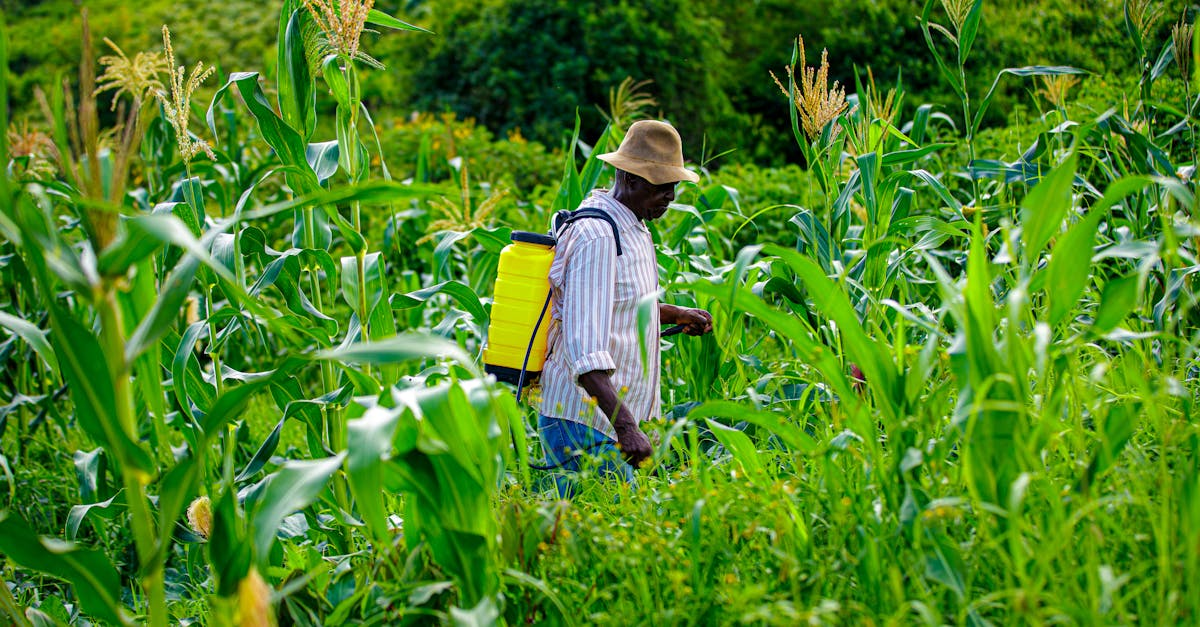
Different solutions for reducing the use of plant protection products: focus on agroecology
To meet this challenge, several strategies have emerged, proving that it is possible to grow without pesticides, or almost. The first step is to favor a preventive rather than a curative approach. Thus, in committed farms such as those certified in Organic Agriculture or proposed by Terre de Liens, we focus on crop diversification. Sowing several varieties, alternating crops or creating flower strips at the edges of fields helps limit the spread of diseases and the multiplication of pests. Moreover, the practice of crop rotation, often recommended by Ecovégétal, plays a key role in soil health and plant resistance. Another method consists of using mechanical or physical methods, such as thermal or pressure weeding, to limit the use of chemicals. More innovative, the use of microorganisms, notably bio-pesticides based on Neem Oil or Solabiol, makes it possible to precisely target certain pests without harming other non-harmful insects. Natural protection also relies on the introduction of beneficial insects, such as ladybugs or lacewings, which naturally regulate certain aphid or moth populations. The creation of a local biodiversity database, in partnership with organizations such as Botanique & Pesticides or Naturalia, facilitates the selection of the most suitable species. Diversification, prevention, and the integrated use of biopesticides form the backbone of a peaceful agricultural revolution, which promotes the resilience of agricultural systems while reducing dependence on chemical pesticides.
| Pesticide Reduction Techniques | Advantages | Disadvantages |
|---|---|---|
| Crop Rotation 🔄 | Reduces the spread of disease, improves soil health | More management, sometimes lower yields |
| Use of microbiota 🦠 | Precise, ecological, targeted | Techniques still under development, high cost |
| Resistant plants 💪 | Fewer treatments required | Risks of disease adaptation |
| Mixed or intercropping 🌱 | Promotes biodiversity, limits pests | Complex implementation |
| Allied or anti-pest plants 🐝 | Attracts beneficial insects, protects crops | Effective only if well managed, dependent on local biodiversity |
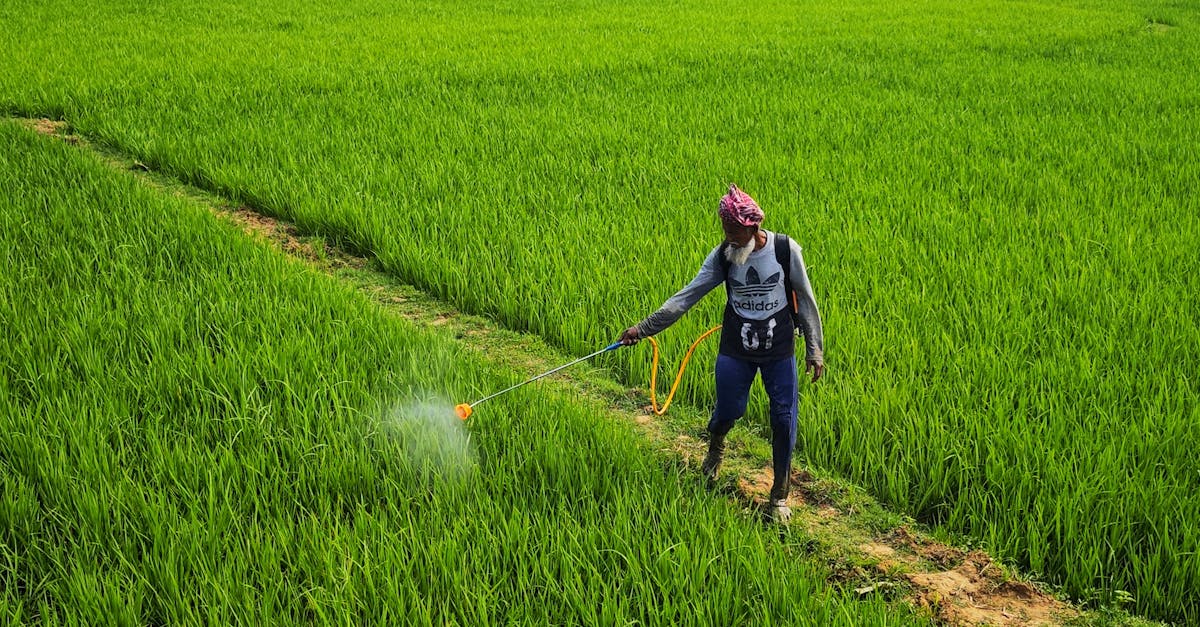
How biodiversity is an essential weapon against pesticide use
The power of biodiversity in reducing dependence on pesticides should not be underestimated. Studies such as the one by the CNRS in 2018 show that welcoming more plant and animal species into fields strengthens crop resilience. Diversity promotes the self-control of pest and pathogen populations. For example, the establishment of hedges, flower strips, or birdhouses, as with the initiatives of Terre de Liens or Nature & Progrès, helps attract natural auxiliaries. Their role: to eat harmful insects, pollinate, or even stabilize populations to avoid massive infestations. This approach, which some call integrated agroforestry, also relies on the creation of a habitat favorable to a variety of wildlife. Biodiversity also helps reduce the extent of monocultures, which are an easy target for diseases and pests. By promoting this diversity, we also limit the need to use chemicals, since each species plays a protective role. Changing our view of nature is actually the best way to ensure a sustainable agricultural model, as several experiments in Réunion and the Southwest demonstrate.
| Biodiversity Stakeholders in Agriculture | Their Main Roles | Concrete Examples |
|---|---|---|
| Pollinating Insect Populations 🐝 | Pollination, Ecosystem Maintenance | Biodiversity Reserves, Beehives on Farms |
| Flower Strips and Hedges 🌸 | Habitat, Beneficial Insect Refuges, Windbreaks | Planting Nectar-Producing Plants, Ecological Corridors |
| Insectivorous Birds 🦉 | Mosquitoes, Aphids, Small Rodents | Nesting Boxes, Nesting Areas, Environmental Restoration |
| Beneficial Microorganisms 🦠 | Protection Against Disease, Improve Fertility | Green Manures, Composting, Microbial Inoculants |
| Companion Plants 🌿 | Repel pests, fix nitrogen | Marigold to repel the tomato leaf miner, poppy to attract beneficial insects |
The benefits for human health and environmental protection
of abandoning pesticides
The challenges of reducing pesticide use go far beyond simple crop protection. By reducing chemical pollution, public health benefits. The contamination of water and soil by these chemicals poses a real danger to populations living near treated areas, particularly on agricultural land. A 2021 INRAE study revealed that prolonged exposure, particularly among farmers, increases the risk of cancer, hormonal disorders, and neurological diseases. Environmentally, the reduction in toxicity promotes biodiversity and the hierarchization of ecosystems. The gradual disappearance of pollinating insects and birds, already observed, is directly attributable to the unbridled use of pesticides. The reduction in their employment, driven by legislation and citizen will, is fostering the emergence of a new, healthier and more nature-friendly agricultural model. This approach is also part of a responsible consumption dynamic, which encourages companies like Biocoop, Naturalia, and Ecovégétal to offer products from environmentally friendly agriculture. The positive impact is also measured in the long term: more fertile soils, less pollution, and a rapidly reviving biodiversity. The transition concerns not only farmers, but society as a whole.
| Positive Impacts of Reducing Pesticide Use | Concrete Examples | Long-Term Effects |
|---|---|---|
| Improved health for farmers and consumers | Reduction in pesticide-related illnesses, organic products sold in BioCoop or Naturalia stores | More fertile soils, protected biodiversity |
| Water and soil protection | Reduction of chemical residues in drinking water, absence of excessive pollution | Restored ecosystems, greater sustainable agricultural potential |
| Biodiversity protection | Rebuilding bird populations, pollinating insects | Increased resilience of natural and agricultural landscapes |
| Reduced health risks | Less exposure for agricultural workers and citizens | Better quality of life, prevention of chronic diseases |
| Impact on society and the economy | Adoption of more sustainable lifestyles, support for local agriculture | Transition to a circular economy, green industries |
Frequently asked questions about pesticide reduction and alternatives
- What are the most effective natural solutions to replace chemical pesticides? Bio-pesticides based on neem oil or microorganisms, crop diversification, and beneficial insects are among the most promising. These methods specifically target pests while respecting biodiversity. How can we encourage farmers to adopt these new practices?
- Training, financial support through projects like Terre de Liens, and organic farming certifications can encourage the transition. Raising public awareness also plays a major role. Are natural alternatives as effective as chemical pesticides?
- When properly managed, these alternatives can definitely ensure crop protection. However, their success depends on commitment, training, and management adapted to each specific context. And regarding legislation, what are farmers’ obligations?
- The Future of Agriculture Act aims to encourage a gradual reduction in the use of pesticides, while still allowing room for innovative solutions like those presented by Ecovégétal. With regulations becoming stricter, each stakeholder must adapt quickly. Can we really completely eliminate pesticides in all crops? Perhaps not yet for certain highly sensitive crops or crops grown in extreme conditions. However, with research and innovation, most sectors can significantly reduce their use, or even eliminate it altogether, relying in particular on techniques such as those from Agricultural Technologies.