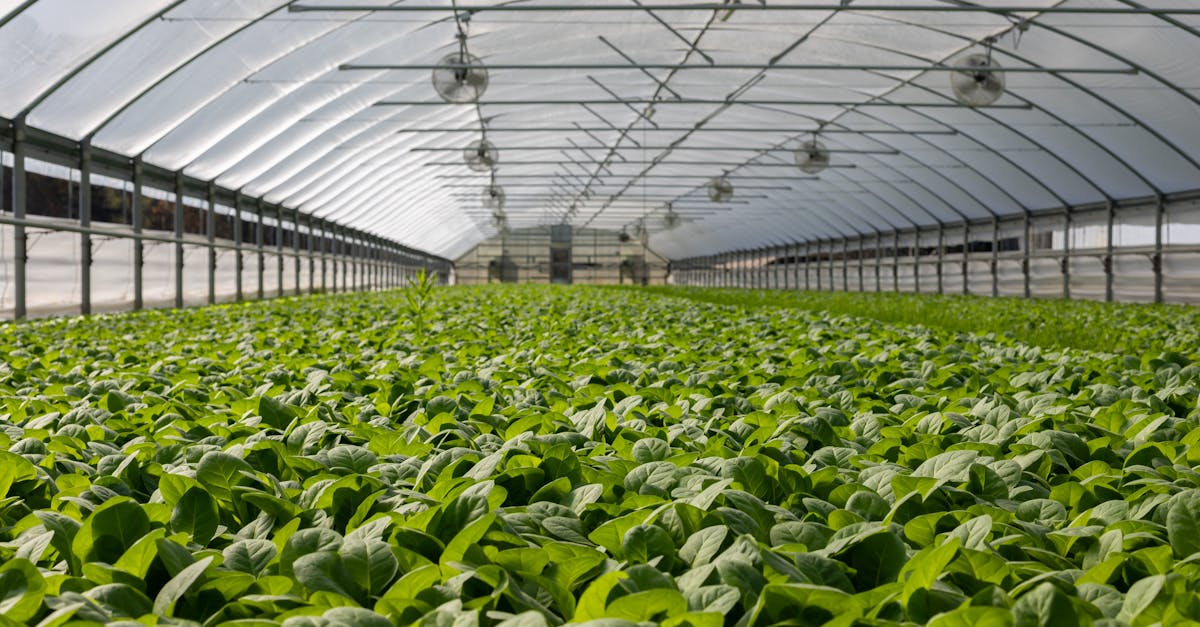
Greenhouses, a true bastion of agricultural modernity, have evolved over the past decade to become an essential benchmark in plant production. In 2025, they represent both a promise of increased productivity and a technological challenge for farmers, gardeners, and innovators like AgriTech and SerreScience. Yet, behind this apparent success, lie very real limitations that deserve to be recognized. Air conditioning, automated irrigation, and innovative materials like those offered by HortiGerme and SerreInnov have opened up new horizons, but not everything is without compromise. Between initial costs, environmental management, and spatial limitations, each technique comes with its own constraints, and the right mix becomes the key to transforming these protected spaces into true sustainable, efficient, and resource-friendly plant factories. This detailed article offers a comprehensive overview of these techniques and a clear look at their limitations, helping every enthusiast and professional make the best choices for their green project in 2025 and beyond.

Innovative greenhouse growing techniques: a breeding ground for progress
Technological advances in 2025 have pushed the boundaries of traditional greenhouses. Today, innovative solutions like SerreSmart and BioSerre embody this revolution by integrating cutting-edge technologies. But what sets these methods apart? The key lies in automation and precision. For example, connected sensors, like those offered by SerreScience, monitor temperature, humidity, and pH in real time, allowing for instant adjustments. We’re also seeing more and more integration of artificial intelligence to optimize growth, reduce water consumption, and anticipate pests. Soilless cultivation, with hydroponics and aeroponics, also plays a major role in this new era. Here are some key techniques:
Use of IoT sensors for precise environmental management 🌡️
- LED lighting technologies with adjustable spectrum to simulate daylight all year round 💡
- Rainwater harvesting and recycling for an ecological approach 🌊
- Automated shading systems to regulate light ☂️
- These practices enable faster growth, better quality, and increased profitability, even if it means addressing new technical challenges. Techniques
Advantages
| Disadvantages | IoT Sensors | & AI |
|---|---|---|
| Precise optimization, cost reduction, time savings 🚀 High initial cost, technical skills required 📚 | LED Lighting | Light cycle control, accelerated growth 🌱 |
| Electricity consumption, hardware investment ⚡ | Hydroponic Systems | Efficient water use, no soil, increased yield 💧 |
| Management complexity, installation costs 💰 | Discover the advantages of greenhouse growing: an innovative and sustainable way to optimize your harvests while protecting your plants from the elements. Learn the essential techniques and best practices to maximize your production in all seasons. | The Technical Limitations of Greenhouse Growing Systems |
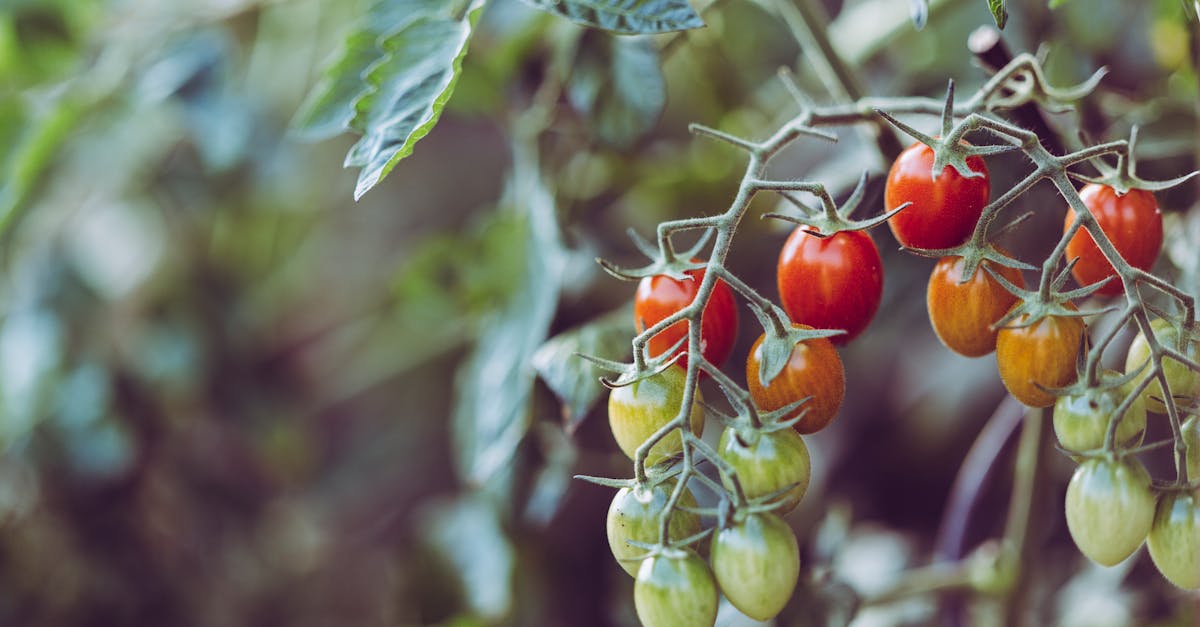
Another limitation concerns equipment compatibility: not all materials work well together, and each new technology may require adaptation. For example, some sensors can malfunction in excessive humidity or dust, complicating their maintenance. Reliance on specialized suppliers can also pose a problem if a part or software becomes obsolete.
In short, innovation must always be accompanied by the ability to manage technical complexity and unforeseen costs. The constant search for alternatives or efficient maintenance solutions becomes a necessity.
https://www.youtube.com/watch?v=5Qp7s28b6dw
Environmental Challenges of Greenhouse Production in 2025
Furthermore, even if recycled irrigation limits water consumption, the use of certain equipment can generate a significant carbon footprint. The manufacturing of materials, particularly glass and polycarbonate, requires a lot of energy, and their recycling will still be limited in 2025. Finally, the management of waste from the facilities—old sensors, plastics, or supports—also poses a real ecological challenge. Faced with these realities, some players, such as BioSerre and EcoHorticulteur, are seeking to integrate bio-sourced materials or promote short supply chains to limit their impact. At all levels, environmental awareness is now guiding innovations.
Environmental Impact
Effects
Possible Solutions
| Energy Consumption | Increased CO₂ emissions if not controlled ⚠️ | Use of renewable energies ☀️ |
|---|---|---|
| Material Manufacturing | Significant Carbon Footprint 🚧 | Bio-sourced materials, increased recycling |
| Waste Management | Pollution, plastic accumulation ♻️ | Recycling, short supply chains, circular economy |
| Discover the benefits of greenhouse growing, an innovative method that optimizes plant production while preserving the environment. Learn the best techniques to maximize your harvests and create a sustainable ecosystem. | Hazards Associated with Managing Extreme Climates in Greenhouse Growing | Extreme weather events pose a distinct challenge. Excessive heat in summer or intense cold in winter can destabilize the greenhouse ecosystem. The key to controlling them lies in adapting ventilation, shading, and heating systems. The goal? To prevent the greenhouse from becoming a giant oven or refrigerator. |
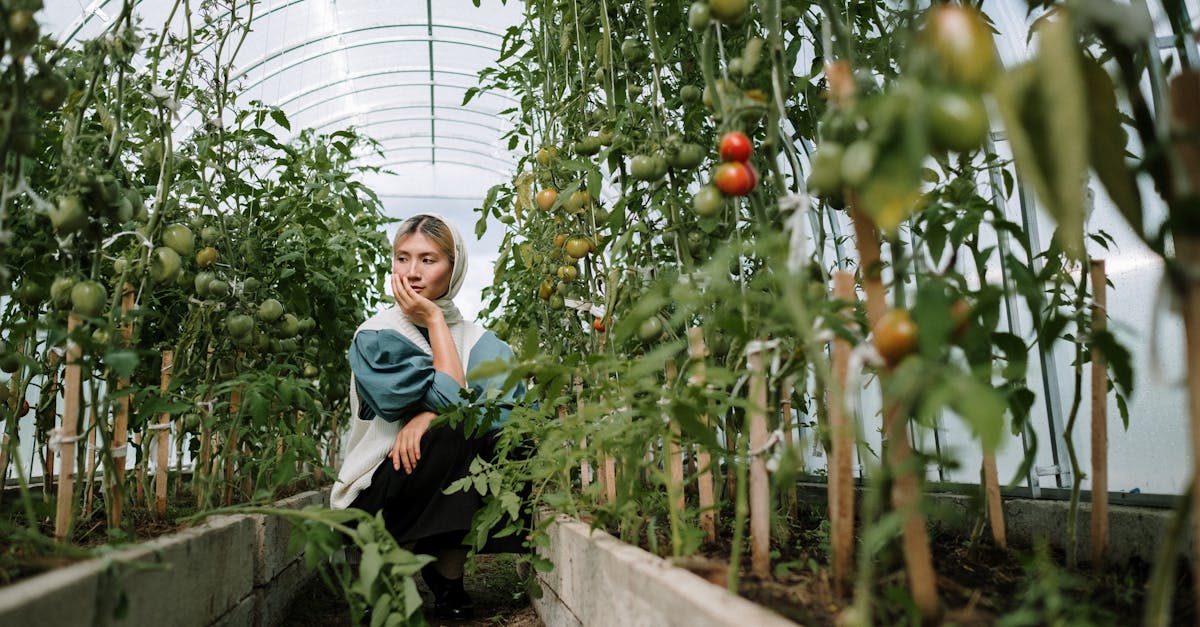
But all of this requires regular monitoring and maintenance. The absence of warning or backup systems can lead to the total loss of a crop in the event of a breakdown. Planning these backup measures then becomes essential. https://www.youtube.com/watch?v=3CtaeMYQ9ao
The Space Challenge and Plant Diversity Management in 2025
The available surface area in a greenhouse remains an unavoidable physical limitation. If we want to increase crop diversity, we must optimize every square meter. Companies such as Serres et Solutions and Cultiv’Air offer modular architectures, allowing us to adapt to different crops and maximize space.
But what’s the reality? Managing crop rotation, selecting compatible plants, and ensuring the compatibility of irrigation systems are all factors that must be managed simultaneously. The search for innovation therefore opens up new horizons, particularly with vertical or hydroponic crops integrated into limited spaces.
Innovative Solutions
Impact
Limited Surface Area
| Vertical & Modular Crops 🧱 | More Plants Grown Per Square Meter 📈 | Plant Diversity |
|---|---|---|
| Automated Rotation Systems 🔄 | Greater Crop Variety 🌿 | Resource Management |
| Water and Energy-Saving Infrastructure 🌍 | Increased Sustainability ♻️ | The Economic Limits of Greenhouse Growing in 2025 |
| All of the above must also be considered in light of the available budget. Building, operating, and maintaining a greenhouse represents an investment that only seasoned growers or entrepreneurs like SerreInnov or AgriTech can easily afford. For small gardeners or hobbyists, these costs can quickly become prohibitive. Profitability must therefore be carefully analyzed before taking the plunge. | One of the major challenges lies in controlling operating costs: electricity for ventilation, heating, and lighting constitutes a significant portion of the budget. The fluctuation of energy prices in 2025, particularly for some suppliers, exacerbates this difficulty. Cost management must therefore be accompanied by a solid profitability plan. | Furthermore, dependence on a specific technology or supplier can create additional financial risks, particularly in the event of failure or obsolescence. Solidarity between producers, through short supply chains or cooperatives such as Cultiv’Air or BioSerre, could represent a solution for cost sharing and pooling. |
Economic Factor
Challenges
Possible Solutions
Initial Investment
| High amount, long return on investment 💸 | Subsidies, tax credits, modular solutions 🔧 | Energy Costs |
|---|---|---|
| Fluctuating, impact on profitability ⚠️ | Renewable energies, system optimization | Technological Dependence |
| Risk of obsolescence or breakdown 🚧 | Open-source solutions, regular maintenance 🔧 | Frequently Asked Questions about the Limits of Greenhouse Crops in 2025 |
| What are the main costs associated with an innovative greenhouse? | Installation costs, maintenance, and energy consumption represent the largest investments, especially for advanced automated systems. | Can a greenhouse be managed efficiently and independently? |
This depends on the complexity of the equipment and the manager’s training, but intelligent management with modern tools makes the task much easier.
- How can the environmental impact be limited? By prioritizing renewable energies, recycling, and using bio-sourced materials, it is possible to reduce the ecological footprint.
- Can sensors and technology fail? Yes, but regular maintenance, backup, and training can minimize these risks.
- Will greenhouse cultivation remain profitable in 2025? It all depends on the context, the type of production, and cost optimization. However, it remains a powerful lever for improving productivity.