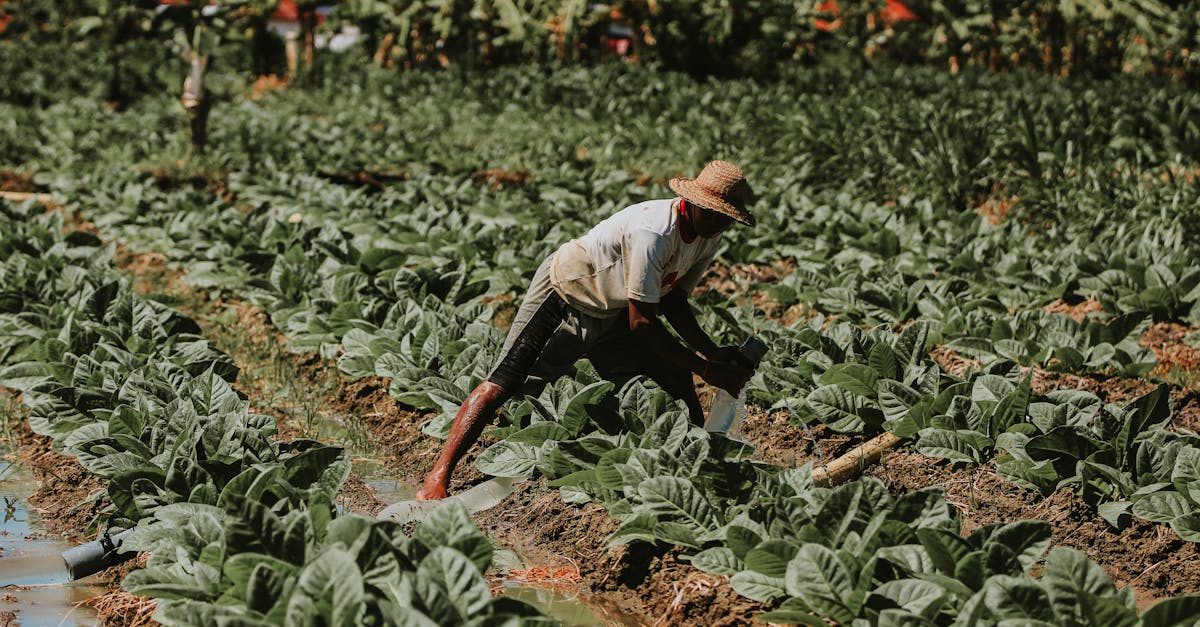
In the agricultural world, each day holds its share of surprises, well-defined tasks, and unforeseen events that must be managed with precision. Life in an agricultural cooperative like Terres Unies or Coopérative du Terroir is far from monotonous, combining passion, organization, and a bit of sweat. In 2025, this reality has become even more pronounced with the integration of new technologies, heightened environmental awareness, and economic challenges to be met every day. A typical day in an agricultural cooperative, like Cultivons Ensemble or BioCoop, offers a detailed look at the lives of farmers, their organization, and their daily involvement. Whether in crop management, equipment maintenance, or relations with members, each step is essential to ensuring the sustainability and quality of agricultural production, while respecting the environment and meeting consumer expectations.
The first tasks of the morning: cleaning, preparation, and organization
The day often begins very early for farmers and cooperative employees. Typically, the alarm goes off at 5:30 or 6:00 a.m., as it’s important to take advantage of the cooler hours to get off to a good start. The first step is to quickly check the condition of the equipment, farm machinery, and facilities. Next, a visit to the cold rooms or storage sheds allows for the preparation of produce and planning for the day ahead.
These first few hours are crucial to ensuring smooth operations. Time and priority management are essential when it comes to optimizing productivity while respecting the natural cycles of crops and livestock. With this in mind, many cooperatives have adopted digital tools, such as mobile apps or software, to track tasks in real time. For example, at Le Réseau Coop, everything is centralized so that each member has a clear view of activities, inventory, and available resources.
A morning to-do list might look like this:
- Check irrigation equipment 🚜
- Check the weather to anticipate the day 🌤️
- Prepare tools for the day’s work 🔧
- Plan the order of activities according to priority 🔢
These initial steps are key to avoiding wasted time and ensuring smooth operations. Morning discipline allows cooperatives like Soleil & Terre or La Ferme des Deux Rivières to maximize their resources from the very beginning, while aligning production with respect for the environment.
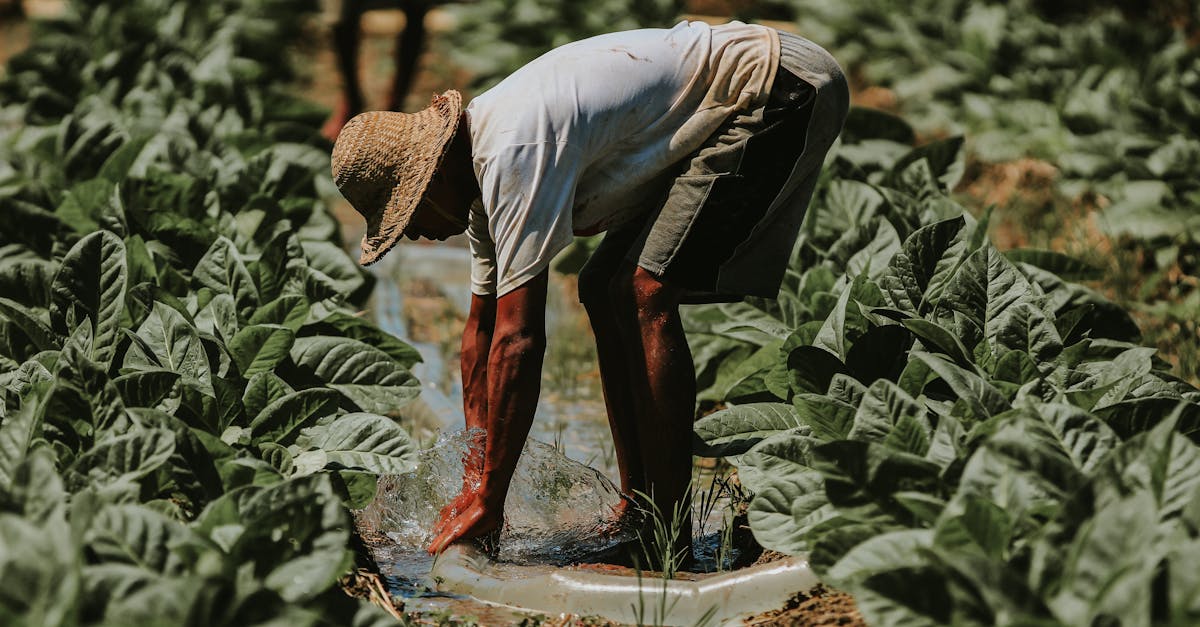
Main activities: from cultivation to animal care
After this preparatory phase, it’s time for the major activities. Depending on the season, the pace changes, but the goal remains the same: ensuring healthy crop growth or proper livestock maintenance. By 2025, the digitalization of farms often allows for optimal management: connected sensors, drones, and specialized software facilitate field and livestock monitoring.
For example, in a cooperative like Cultivons Ensemble, we can see farmers using drones to monitor the health of their organic cereal or greenhouse vegetable crops, as found on some organic farms in the Valley. When it comes to crops, the main tasks are:
- Sowing or planting operations 🌱
- Irrigation and fertilization 💧
- Disease or pest control 🐞
- Mechanical interventions such as weeding or flagging 🚜
At the same time, animal care is another essential aspect. Denis, for example, works on a local dairy farm, where his daily routines include:
- Milking the cows morning and evening 🐄
- Checking their health and feed 🍽️
- Cleaning and maintaining the barns 🧹
- Managing fodder storage 🌾
It’s also this regular care that guarantees quality production and herd health, a key factor in continuing to provide healthy and responsible products to consumers. The key, according to all these cooperatives, remains consistency between interventions to ensure sustainability and efficiency.
Breaks and Discussions: The Importance of Social Time Between Colleagues
Around noon, the pace slows down with a well-deserved break. In 2025, managers of cooperatives like BioCoop and Sociétés Agricoles also advocate time for discussion among colleagues. It’s not just for eating; it’s often an opportunity to discuss professional challenges, innovations, or simply to share a little of their experience.
A break that can last between 30 minutes and 1 hour, depending on the workload. Over coffee or a hot meal, lively discussions emerge, addressing, for example:
- Tips for pest control 🌿
- Composting or crop rotation techniques 🌻
- Steps to comply with current regulations 📜
- Marketing or product processing procedures 🚛
Some farmers also take advantage of this time to take stock with their team or partners. In 2025, this internal communication becomes vital to anticipate unforeseen events and strengthen cohesion within cooperatives like Le Réseau Coop or Agriculteurs Solidaires.
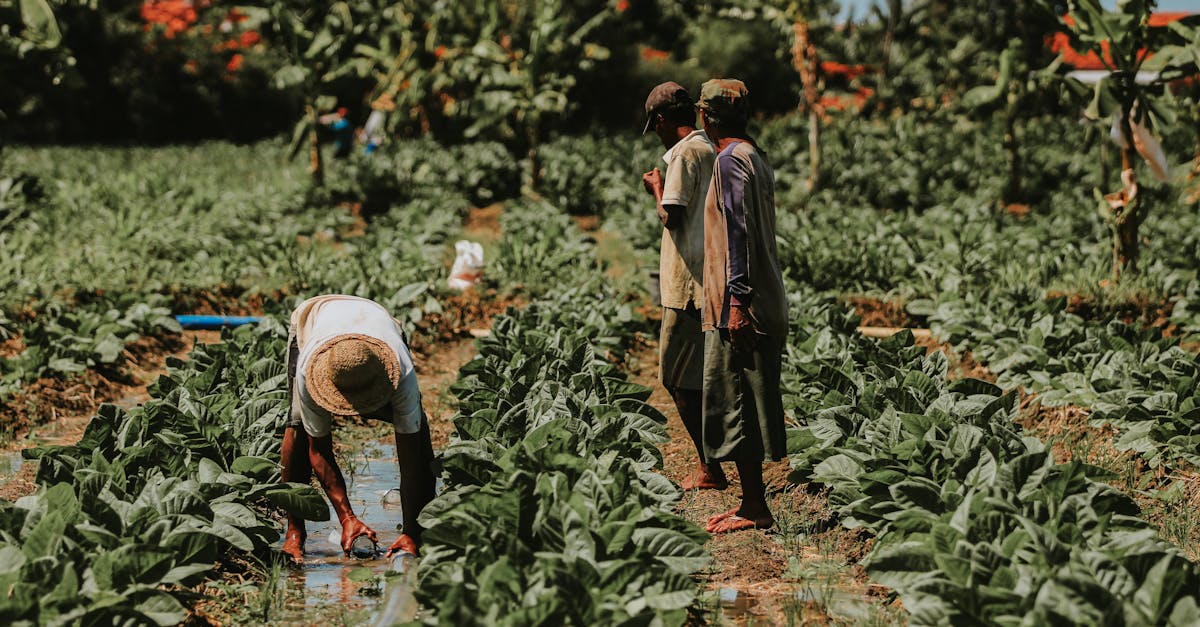
Afternoon Activities: Maintenance, Specific Work, and Management
After the break, the afternoon is often devoted to more targeted activities based on the day’s needs. In a cooperative like Jardin de France or La Ferme des Deux Rivières, the focus is also on maintaining equipment and spaces. Time management becomes strategic to meet the planned schedule.
Common tasks during this period include:
- Overhaul of irrigation and storage facilities 💧
- Farm equipment maintenance and repair 🛠️
- Administrative management and inventory monitoring 📋
- Preparation for future planting or harvesting 🌽
It’s important to remember that this step is essential to avoid breakdowns that could jeopardize an entire campaign. For example, in an organization like Cultivons Ensemble, regular equipment maintenance helps ensure a season without major interruptions.
End of the day: milking resumes and final check
The end of the afternoon often marks the final stage of the cycle, especially for those with dairy farms or crops requiring special attention. Milking the cows, for example, generally takes place around 4 p.m. After that, the day slowly ends with a final check of the facilities, cleaning, or preparations for the next day.
For some, this closing is also a time to take stock with their team, noting what needs to be fixed or corrected the next day. Managing the day is crucial to respecting the biological rhythm of the animals or crops, thus ensuring optimal production. Many cooperatives emphasize this discipline: it’s the best way to ensure business continuity and meet market expectations.
A day in the life of a farmer: between passion, effort, and reward
For many farmers in 2025, their day isn’t just a series of technical tasks. It’s also a passion, a way of life that extends well beyond working hours. Denis, for example, often evokes the magic of seeing nature awaken in spring or the pride of feeding the local population. His job as a dairy farmer, like many others, requires total commitment, with few days off and many sacrifices.
The advantages are nonetheless numerous. The freedom to manage one’s own schedule, the closeness to nature, and the satisfaction of producing healthy food are just a few points Denis readily cites. It’s hard to compete with this feeling of being part of the cycle of life, especially when you actively participate in initiatives like those promoted by Le Réseau Coop or Agriculteurs Solidaires.
This portrait shows that beyond the clichés, the profession remains a choice of the heart, driven by a deep love of the land, the craft, and sharing with the community. The key to success in this life punctuated by the seasons is undoubtedly passion combined with solid organization, to meet both market demands and personal obligations.