
Diving into the world of cosmetics also means taking an interest in the safety these products offer millions of consumers every day. From the launch of a new skincare product by giants like L’Oréal or Chanel to natural products like those from Caudalie or La Roche-Posay, one crucial step is often overlooked: microbiological testing. Why is it so essential? Because, behind their glamorous appearance and promises, these products must meet strict standards to avoid any health risks. In 2025, as the cosmetics market continues to grow, particularly with innovations in organic or vegan formulations, microbiological testing is becoming a keystone in quality control. It helps anticipate contamination, guarantee product stability, and thus maintain consumer confidence. But what are these criteria? How can these assessments be carried out in an increasingly demanding European regulatory context, particularly with Regulation (EC) No. 1223/2009? What techniques can ensure accurate and reliable analysis? This article answers these questions in detail, revealing the behind-the-scenes implications for any company or laboratory concerned with protecting public health and ensuring the effectiveness of their creams, lotions, or gels. Let’s discover everything you need to know about the microbiological study of a cosmetic product, from sampling to interpreting the results.
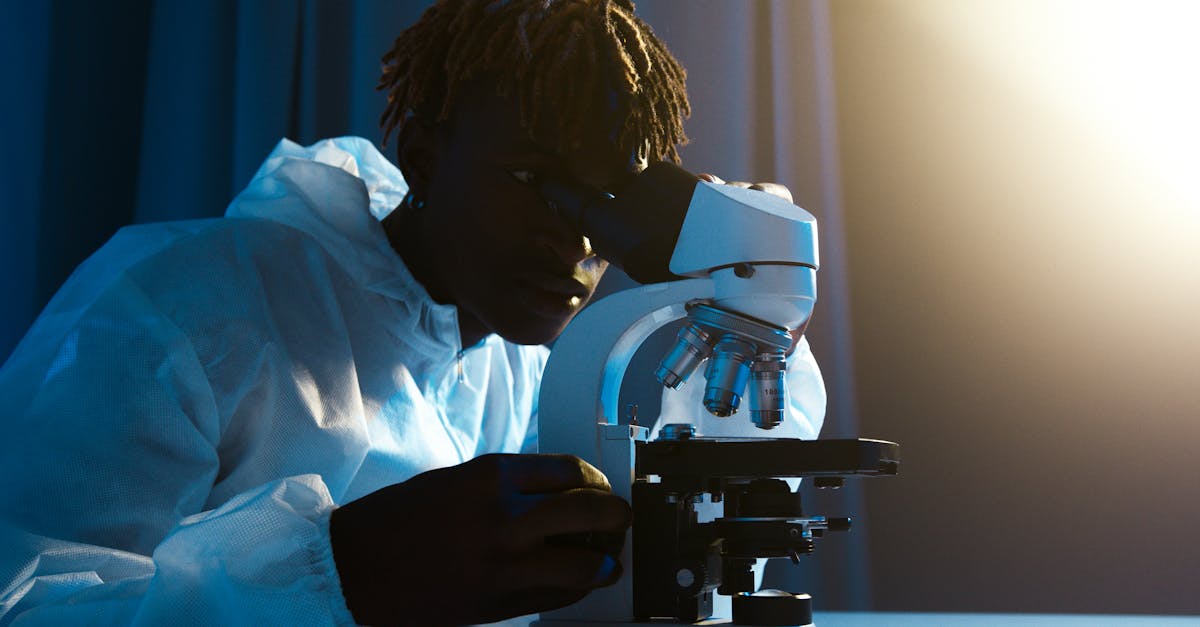
The fundamental challenges of microbiological studies in cosmetics
In the cosmetics industry, microbiology plays a crucial role in product safety and performance. Why this special attention? Because all cosmetics, whether facial cream, shampoo, or body lotion, come into direct contact with the skin or mucous membranes. However, the skin is a natural environment where microorganisms proliferate. If a product is not properly controlled, microbial contamination can occur, leading to health risks. For example, bacterial contamination could cause irritation, infection, or an allergic reaction, especially if the product is intended for sensitive areas such as the eyes or oral mucosa. This is especially true since the 2025 regulatory framework requires manufacturers to be completely transparent. Indeed, the European regulation requires proof that each product is free from pathogenic microorganisms such as Staphylococcus aureus, Pseudomonas aeruginosa, or Escherichia coli. The key to success is knowing how to analyze, prevent, and guarantee microbiological quality throughout the manufacturing process. It would therefore be wrong to think that only the finished product matters: the entire manufacturing environment, raw materials, and packaging must be controlled to minimize any risk. How then can such an approach be implemented? What methods should be favored to ensure optimal reliability? The answer lies in a clear strategy, integrating prevention, regular monitoring, and mastery of analytical techniques.

Factors influencing the microbiological quality of cosmetic products
Several factors play a decisive role in the microbial contamination of a cosmetic product. This fact sheet highlights the main factors:
- 🌊 Water content : The more water a product contains, the more prone it is to microbial growth. Moisturizing creams and gels are therefore particularly susceptible if they are not properly stored.
- 🌿 Formulation : The composition will influence resistance to contamination. The presence of preservatives, their concentration, and the pH have a direct impact. For example, products with a pH close to 5 are often more stable against microbes.
- 💼 Packaging : Airtight or single-use containers limit contamination, while open jars or exposed containers promote microbial growth.
- 🌡️ Storage conditions : Temperature, humidity, and light also play a role. Storing at room temperature in a dry place helps maintain microbiological stability. Managing these elements allows for the refinement of the control strategy, ensuring that each step limits contamination. Monitoring must also be regular, particularly through specific validation tests for each type of product.
Discover our in-depth microbiological study, exploring the complex interactions between microorganisms and their environment. Analyze the results, which reveal essential information on health, ecology, and industrial applications.

The European regulatory framework is clear to ensure consumer safety. Regulation (EC) No. 1223/2009 is the essential reference. It defines the acceptable limits for microorganisms for different types of products. The ISO 17516 standard is often cited to establish these thresholds, proposing precise thresholds for each category. For example, for products with sensitive uses (eyes, mucous membranes), the tolerance is extremely strict. The number of aerobic mesophilic microorganisms must not exceed 100 CFU (Colony Forming Units) per gram or milliliter. Yeasts and molds must remain below 10 CFU. For other products, such as shampoo, these limits are more flexible but remain regulated: up to 1,000 CFU/g for bacteria, 100 CFU/g for yeasts and molds. However, certain pathogenic microbes must be completely eliminated. The presence of Staphylococcus aureus or Pseudomonas aeruginosa in a product is completely unacceptable. These strict requirements limit any risk of infection or allergy, ensuring better protection for consumers.
Product Type
| Mesophilic Microorganisms | Yeasts & Molds | Pathogenic Microorganisms | Sensitive Products |
|---|---|---|---|
| 🌸 100 CFU/g or/mL | 10 CFU/g or/mL | Absent | Conventional Products |
| 🧴 1,000 CFU/g or/mL | 100 CFU/g or/mL | Absent | Meeting these thresholds is the first step in ensuring product compliance and safety. Whether it’s anti-aging creams or children’s shampoos, each formula must undergo rigorous laboratory testing. |
Different Microbiological Analysis Methods for Testing the Safety of Cosmetics
How can a cosmetic product be scientifically analyzed to verify its microbiological compliance? Several techniques exist, each adapted to a specific context. The most common remains the culture method on specific media, which allows for the isolation and quantification of microorganisms. It is based on incubation at a defined temperature, generally 30 or 37°C, for several days. The resulting colonies are then counted, expressed in CFU. It has the advantage of being reliable, allowing for the precise identification of the microbes present. In addition, a more recent technique, PCR (polymerase chain reaction), allows for the rapid detection of specific microbes, including pathogens, with greater accuracy. While this method is more expensive, it is invaluable for detecting in a few hours what could take several days with conventional culture. Method
Principle
| Advantages | Limitations | Culture on selective media 🌱 | Incubation of microorganisms on specific agar |
|---|---|---|---|
| Reliability, precise identification | Long waiting time (3-7 days) | PCR 🔬 | Microbial DNA amplification |
| Fast and accurate results | High cost, requires experts | Regardless of the method, it is essential to ensure regular testing and retain samples for any subsequent monitoring. This allows for monitoring the evolution of contamination or the stability of the formula over time. | Key steps in the microbiological evaluation process for a cosmetic product |
Validating the microbiological safety of a product is not a simple task, but a well-managed process. It all begins with a clear definition of the parameters. The first step is to choose the appropriate type of test, taking into account the product category, its formulation, and its method of use. Next, a precise sample must be taken, respecting the cold chain if necessary. Next, in a specialized laboratory, the sample is inoculated onto the culture media or a PCR analysis is performed. The results must then be compared to regulatory limits. If the product exceeds these thresholds, a rapid diagnosis must be made and adjustments considered. Finally, this entire process must be documented in an analysis report that the manufacturer will include in the product safety file, in accordance with the CPSR (Cosmetic Product Safety Report) requirements.
Main Challenges Encountered During Analysis
Conducting an accurate microbiological study requires overcoming several challenges. The first concerns cross-contamination or sample loss, which can distort the results. Another critical issue is the presence of microorganisms that are difficult to cultivate or detect, such as certain viruses or strict bacteria. Finally, the speed and reliability of testing are essential, particularly for new product launches or in-process testing. Staff training and regular equipment maintenance are also essential to ensure the quality of analyses. To avoid the risk of falling behind schedule or having to restart several times, it’s best to have strict procedures and competent staff.
The role of microbiological control in the manufacture of high-performance cosmetics
Microbiological control isn’t just about regulatory compliance. It directly impacts product performance and consumer satisfaction. A product that remains stable after several months of use must be free of any microorganisms that could develop within it. Otherwise, it risks deteriorating, impairing its effectiveness, or even causing adverse reactions. Regular checks during manufacturing, as at Vichy or Nuxe, allow for early detection of any contamination and adjustments to the formula accordingly. This vigilance also helps optimize storage and avoid waste. A proactive approach thus ensures that each cream, gel, or lotion meets both standards and consumer expectations, who demand safe, effective, and sustainable products.
Best practices for effective microbiological control
Improperly conducting microbiological control can have serious consequences. The key is to adopt good practices throughout the process. These include:
🧪
Continuing Training
- : Staff must be fully conversant with sampling techniques, laboratory handling, and result interpretation. 🔬 Equipment Maintenance
- : Incubators, autoclaves, and other instruments must be calibrated regularly to ensure their accuracy. 📝 Rigorous Documentation
- : Each step, from sampling to final reporting, must be documented in a quality management system. 🛡️ Compliance with Standards
- : Refer to ISO recommendations and European regulatory requirements for each analysis. 💡 Innovation and Adaptation
- : Integrate modern methods such as PCR or rapid detection to improve responsiveness. By following these rules, laboratories ensure the reliability of analyses, strengthening market confidence. Furthermore, this avoids the need for costly repeat tests or the risk of product recalls. Constant vigilance is the best defense against any microbiological risk. Technological innovations in cosmetic microbiological analysis in 2025
The cosmetic microbiology sector is not static. Recent technological advances are revolutionizing the way products are controlled and secured. One of the major trends is the use of real-time PCR detection, which allows results to be obtained within 24 hours, compared to several days previously. Furthermore, the introduction of artificial intelligence facilitates the interpretation of the vast data generated during testing. Intelligent software automatically detects deviations from regulatory thresholds, thus accelerating decision-making. The automation of laboratory operations also limits human error. All of this contributes to strengthening the reliability, speed, and precision of microbiological controls, essential to support the growth of the cosmetics market in 2025. These innovations are also part of a desire to reduce environmental impact by limiting the consumption of reagents and energy.
https://www.youtube.com/watch?v=q-m7bXGDbqM
Frequently Asked Questions about the Microbiological Study of Cosmetic Products
Because regulations require guarantees that the product is free from microorganisms that are harmful to health, particularly in sensitive areas such as the eyes or oral mucosa.
- Which microorganisms must absolutely be absent from a cosmetic product?
- The main ones are Staphylococcus aureus, Pseudomonas aeruginosa, Escherichia coli, and Candida albicans, as they can cause infections or allergic reactions.
- What are the most reliable analysis methods in 2025?
- Culture on selective media remains the standard, now complemented by PCR for rapid and accurate detection of unwanted microbes.
- How can regulatory compliance be ensured at every stage of manufacturing?
- By adopting good laboratory practices, regularly training staff, and following strict protocols for microbiological control.
- What innovations will further facilitate microbiological control in the future?
- Artificial intelligence, automated detection, and the miniaturization of testing equipment will continue to make controls faster and more accurate, while reducing environmental impact.

