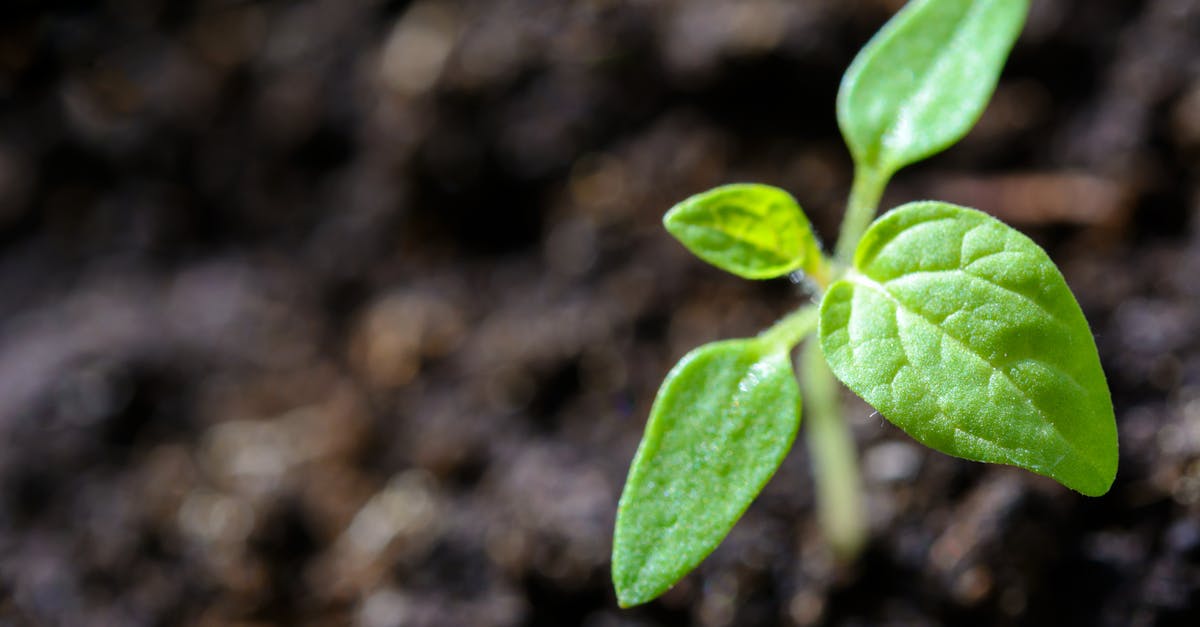
Why a soil diagnosis under real-world conditions is essential for optimizing your crops in 2025
Soils play a fundamental role in the success of any agricultural or gardening activity. In 2025, with rapidly evolving technologies and increasing pressure on sustainable management, it is becoming crucial to adopt a precise approach to understand the true state of the soil. This soil diagnosis under real-world conditions helps avoid costly errors, adapt cultivation practices, and ensure the sustainability of farms.
Thanks to innovative tools such as Soiltest, Agrodiagnostic, and TerraSol, it is now possible to obtain a precise and concrete reading of the various soil components. Detailed knowledge of horizons, texture, pH, and useful nutrient reserves is the key to optimizing fertility and limiting environmental impact. In 2025, the trend is toward rapid, accurate, and simultaneous diagnoses, allowing every farmer or gardener to better manage their resources. In this article, we will explore in detail how these diagnostics are organized, which tools to use, and, above all, how they are revolutionizing the way we cultivate in real-world conditions.
Soil Complexity: A Succession of Horizons to Understand for Better Cultivation
Soil is more than just a simple layer of earth. It is a veritable mosaic of layers, called horizons, that reflect geological history, climate, and human activity in the field. The formation of these layers is a slow process, taking between 1 and 10 centuries for a single centimeter of soil to form. During this time, various natural and biological forces shape the structure: water, temperature, vegetation, animals such as earthworms, and, of course, microorganisms.
Horizons vary from one region to another, depending on the parent rock and climatic conditions. For example, in a clayey area, the proliferation of microorganisms can give a darker shade to the upper layer, which is rich in organic matter. Conversely, in sandy soil, organic matter will be less present, making the structure less fertile. Color, density, and the presence of roots and worms are all indicators for detecting soil health.
In summary, knowing these horizons and their condition is the first step in making a good diagnosis. In the field, this translates into precise observations and an understanding of the evolution of the soil genotype. By 2025, tools like SolCheck or BioSols will enable rapid analysis of the composition and structure of these horizons using cutting-edge technologies. This eliminates the need to rely solely on visual observations, which are often imprecise. Understanding your horizons better also means understanding their ability to retain water, provide nutrients, and support root growth.
| Soil Horizons | Main Characteristics | Implications for Crops |
|---|---|---|
| O Horizon | Fresh organic matter, dark colors 🟤 | Rich in nutrients, favorable to growth |
| A Horizon | Zone of biological activity, dark soil, abundant roots 🌱 | Establishment potential, maintenance required if degraded |
| B Horizon | Mineral accumulation, lighter color 🟡 | Water retention capacity, linked to fertility |
| C Horizon | Altered parent rock, little or no biological life 🪨 | Not directly cultivable, influences overall structure |
The different tools for diagnosing your soil in real-life conditions
To make an accurate diagnosis, various methods and tools are now available. Some, such as chemical analysis, provide a precise reading of the soil’s fertilizing potential. Others, such as 3D profiling or the spade test, allow for rapid, on-site observation and enable informed decisions to be made in a short time. Here is a summary table of the main tools and their uses in 2025:
Tool
| Advantages | Limitations | Recommended Use | Soil Analysis (Laboratory) |
|---|---|---|---|
| Accuracy ✓, Nutrients, pH, organic matter | Cost, laboratory time 🕒 | Annual or five-year monitoring 🌱 | 3D Profile (Front Loader) |
| Fast, accessible, visual 🌍 | Observation limited to the surface | Field diagnosis, local correction | Spade Test |
| Simple, visual, direct 🌿 | Preferred for analyzing immediate structure | One-off sampling | Particle size analysis |
| Water retention, texture 🌊 | Once installed | Specific study | BioAnalyses (microbiology) |
| Biological life assessment 🔬 | Need for local references 📍 | Innovative approach in 2025 | 3D Profiling: A Revolution in Field Diagnostics |
What sets the 3D profiling method apart is its simplicity. Using a loader equipped with two forks, it’s possible to remove a clod of soil to a depth of approximately 50 cm for direct observation. This minimally invasive tool allows farmers to take an active role in their own diagnostics, without necessarily requiring laboratory assistance. The speed of execution and immediate visualization facilitate understanding of the constraints inherent to each plot.
For example, observing soil density, color, or the presence of roots or worms provides an immediate indication of soil condition. If the soil is compacted or if horizons are [read], this indicates areas requiring treatment, such as aeration or loosening. Implementation takes only a few minutes but provides valuable results for adjusting crop management.
Discover our soil diagnostic service, an essential solution for analyzing the quality of your soil. Using advanced methods, we assess the composition, fertility, and specific needs of your soil to optimize your gardening, farming, or landscaping. Improve the health of your soil and ensure the success of your projects with our expertise.

Once the diagnostic is complete, the next step is to plan concrete actions to improve or maintain soil health. By 2025, the use of tools like SolResearch or EcoAnalyses will enable the establishment of a real action plan based on precise data.
These actions include:
🔧 Improving soil structure with organic fertilizers or tillage
- 💧 Managing irrigation based on water retention capacity
- 🌿 Applying specific fertilizers or amendments based on the analysis
- 🛠️ Improving biodiversity with perennial crops or plant associations
- 🔎 Regular monitoring using automated solutions like TerraExpert or SolCheck
- This collaborative effort, which also includes consultation with specialists or agricultural groups, ensures the best approach to preserving long-term fertility. Soil fertility must reflect a balance between its physicochemical and biological parameters, as well as organic matter management. Responsiveness to diagnostic results then becomes key to avoiding yield losses or costly degradation.
In concrete terms, what are the preferred strategies for maintaining or improving soil health? By 2025, the use of methods such as crop rotation, plant cover, and the incorporation of organic matter will be essential. These practices stimulate microbial life, improve structure, and balance nutrients. Here is a simplified table of commonly recommended techniques:
Technique
Objective
| Benefits | Reference | Crop Rotation | Avoid nutrient depletion and fight disease |
|---|---|---|---|
| Maintain yield, reduce chemical inputs 🌱 | More info | Ground Cover | Protect soil against erosion, increase organic matter |
| Improve structure, beneficial insects 🐞 | Discover | Incorporate organic matter | Stimulate biodiversity and enhance fertility |
| Water retention, enhance microbial activity 🌿 | More information | Light Tillage | Preserve structure, avoid compaction |
| Improve air and water circulation 💧 | Consult | Discover the importance of soil diagnostics to optimize the health of your crops and improve land management. Learn the best practices and technologies to analyze soil composition and anticipate plant nutrition needs. | BioSols and Innovation for Accurate Soil Diagnosis in 2025 |
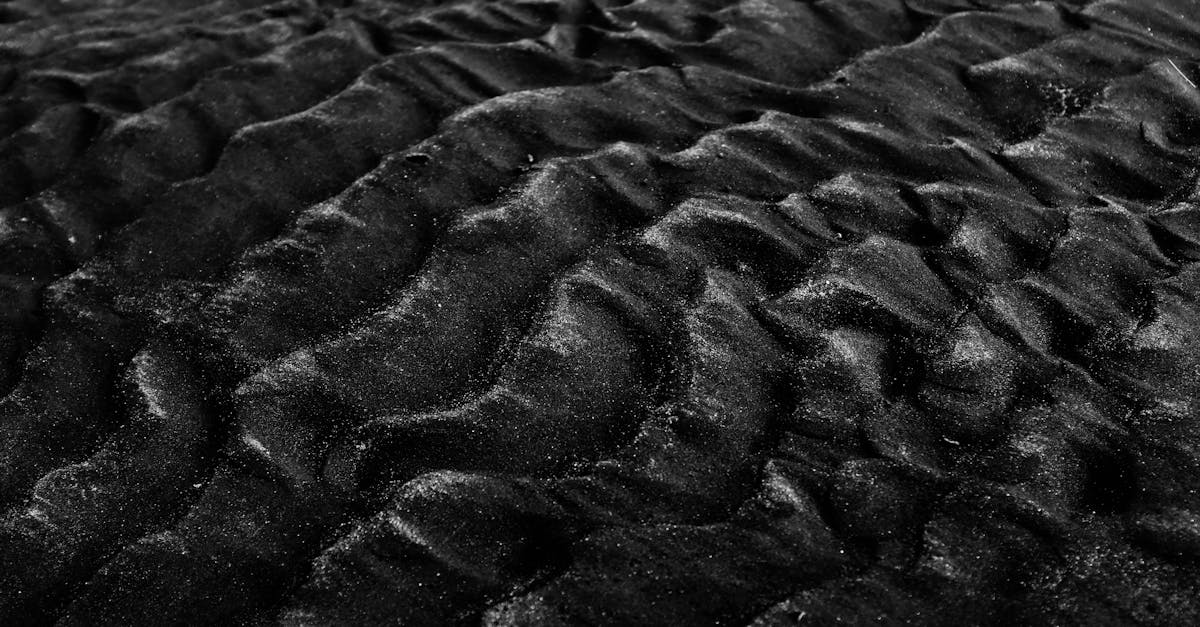
Microorganisms play a key role in the availability of nutrients, the decomposition of organic matter, and resilience to stress. In 2025, their approach will become essential for sustainable management. Early detection of microbiological issues prevents serious and costly damage. These innovations are also fueling local projects, such as SolResearch, which aim to make this type of analysis accessible to all stakeholders in the agricultural and gardening world.
Frequently Asked Questions about Soil Diagnosis in Real-World Conditions
How to choose between laboratory analysis and field observation?
For a complete diagnosis, it is recommended to combine these methods. Laboratory analysis provides an accurate snapshot of chemical parameters, while 3D profiling or the spade test offer an immediate reading of the soil’s structural condition.
- What tools are recommended for a small garden plot? For a small plot, the spade test method or a portable bioanalyzer are often sufficient. Solutions like SolCheck or EcoAnalyses also offer easy-to-use kits for quick self-analysis.
- How often should a soil health assessment be performed? Generally, annual monitoring or every 2-3 years is sufficient, but in the event of significant changes or observed deterioration, it is advisable to perform more frequent assessments. The key is regular observation and responsiveness.
- Is microbiological analysis essential? Yes, they provide a new perspective on soil vitality. With tools like BioSols, we can quickly detect potential microbial imbalances that could impact crop growth.