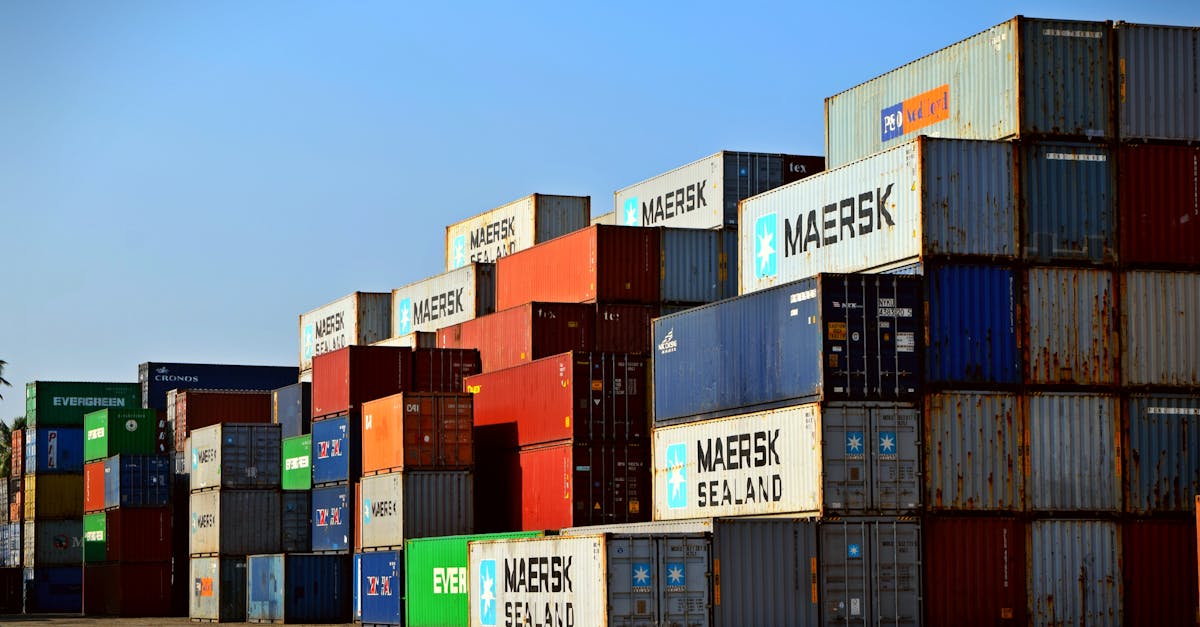
The keys to building an effective export product sheet adapted to global markets
In a context where internationalization is becoming an essential step for any company wishing to expand its customer base, creating an export product sheet takes on new meaning. In 2025, clear, precise communication tailored to the requirements of foreign markets is more crucial than ever. From the careful selection of information to the integration of visual elements, every detail counts when attracting potential customers on the other side of the world.
Giants like IKEA and Leroy Merlin, as well as more specialized players like Castorama and Lapeyre, have shown that the finesse of the product sheet can make all the difference. Their secret lies in their ability to manage marketing, SEO, and translation to maximize impact. Want to know how to build an export product sheet that combines performance, compliance, and attractiveness? The answers lie in a structured approach, where each step is essential for success in markets as diverse as North America, Asia, and Europe. Discover everything you need to know about exporting: strategies, regulations, and business opportunities to expand your international market.

First and foremost, it’s essential to understand the precise purpose of your export product sheet. Is it a simple technical presentation, a conversion tool, or a medium for communicating specific added value? The answer guides the entire process. In 2025, the sheet must meet customer expectations while complying with local regulations and the standards of each target country.
So, what are the main objectives to keep in mind?
Optimize SEO in each market: Use local keywords and specific phrases.
- Generate interest and create immediate trust through credibility.
- Facilitate decision-making by providing all essential information.
- Comply with each country’s regulations and standards (certifications, local standards, etc.).
- Maximize conversion by integrating clear and visible calls to action.
- For successful exports, these objectives must be aligned with the specific characteristics of each market. For example, a product intended for Belgium must display compliance with the CE standard, while a product intended for Asia must highlight its benefits to meet specific cultural expectations. The key, therefore, is an in-depth understanding of the target markets, combined with a precise content strategy.
Discover the world of exporting: strategies, advice, and opportunities to develop your business internationally. Explore our resources to successfully export and reach new markets. The essential elements for an effective export product sheet

Essential Element
Description
| Concrete Examples | Accurate Translation | 🌐 |
|---|---|---|
| A faithful translation adapted to the local dialect, incorporating market expressions Ensure that “high-end quality tools” becomes “high-end tools” for the European market, or “premium professional tools” for the Chinese market | Technical Specifications | ⚙️ |
| Detail all product specifications, including local units and reference measurements. Weight, dimensions, compatibilities, etc., in kg or lb depending on the country. | Standards and Certifications | ✅ |
| Clearly indicate whether the product complies with local or international standards. ISO standards, CE, UL certification, or other certifications specific to the region. | Images and Videos | 📸🎥 |
| Present the product from multiple angles with content adapted to the local culture. Contextual images, explanatory videos, and presentations in a local environment. | Logistics Information | 🚚 |
| Detail availability, delivery times, delivery methods, and guarantees. Shipping from France, delivery within 5-7 days throughout Asia. | Call to Action | 🛒 |
| Clear call-to-action, adapted to the local language and culture. “Add to cart” translated as “加入购物车” | Frequently Asked Questions (FAQ) | ❓ |
| Anticipate common questions, in a localized version Warranty, compatibility, usage in a given environment | Discover everything you need to know about exporting: processes, strategies, and tips for successful international sales. Maximize your chances of success in the global market. | The subtleties of international SEO: how to optimize your product page for foreign markets |
What are the levers to achieve this effectively?
In-depth local keyword research
🔍: use tools like SEMrush or Ahrefs to identify relevant phrases in each country
- Use of local semantics 🧠: Insert terms, idioms, or references specific to each market to strengthen proximity
- Technical optimization ⚙️: Hreflang tags, adapted URLs, international sitemap, etc.
- Adapted and unique content ✍️: Avoid duplication, create market-specific descriptions
- Local netlinking 🌍: Develop internal links to other pages in the same language, or hunt for credible backlinks
- A well-ranked listing in each market ensures qualified traffic, which directly impacts the conversion rate. In 2025, we’ll no longer be talking about simple translation, but about true linguistic and cultural marketing, so that your listing becomes a real driver of international growth. https://www.youtube.com/watch?v=eyZRMasnsMI
Design and content trends for a modern export product listing
How can you stand out?
Sleek design
🎨: prioritize clarity and prioritize information
- Impactful visuals 🌟: appropriate staging for each market, even on a limited budget, thanks to automated tools
- Interaction 🖱️: 360° integration, augmented reality, or videos for total immersion
- Narrative content 📖: tell the product’s story, incorporating local cultural references
- Personalization ✨: adapt the message based on customer segments
- A product sheet that’s in keeping with the times builds trust and encourages purchases. It also becomes a lever for differentiation, especially when compared to market giants like Bricorama or Point.P, which have already grasped the power of these trends in customer experience. Innovative tools to facilitate the creation and management of export product sheets
To support international growth, technology is a key ally in 2025. Artificial intelligence software, multilingual management platforms, and 3D modeling tools are revolutionizing the way exported product sheets are created. This significantly improves speed, consistency, and quality.
Here are some key tools:
Pizi
🤖: automatic generation of descriptions and titles, integrated with WiziShop. Perfect for large and consistent product listing flows
- Packshot Creator 📷: Create professional visuals in less time, with augmented reality integration options
- Omi 🧑🎨: 3D modeling, staging, interactive viewers for a highly engaging product listing
- WiziShop AI 🌐: Advanced content management and optimized machine translation
- By combining these tools, a company can easily deploy a product listing for each market without compromising on quality. In 2025, mastering multilingual and visual content management will become a prerequisite for successful exports. FAQs on building an effective export product listing
What is the most important thing when creating a product listing for export?
An accurate translation, accompanied by technical information adapted to the local market and a visual in context.
- How can I optimize the international SEO of my listing?
- By creating country-specific content, using local keywords, and respecting the SEO standards specific to each region.
- What tools can help me quickly create product sheets for export?
- Pizi, Packshot Creator, Omi, and WiziShop AI are innovative solutions that improve speed and quality.
- Is it always necessary to use a professional translator?
- Yes, especially for sensitive or technical markets. Machine translation is practical, but must be verified by a local expert.
- How can I ensure regulatory compliance for my products when exporting?
- By incorporating all the required certifications, verifying local standards, and clearly stating these elements in the sheet.


