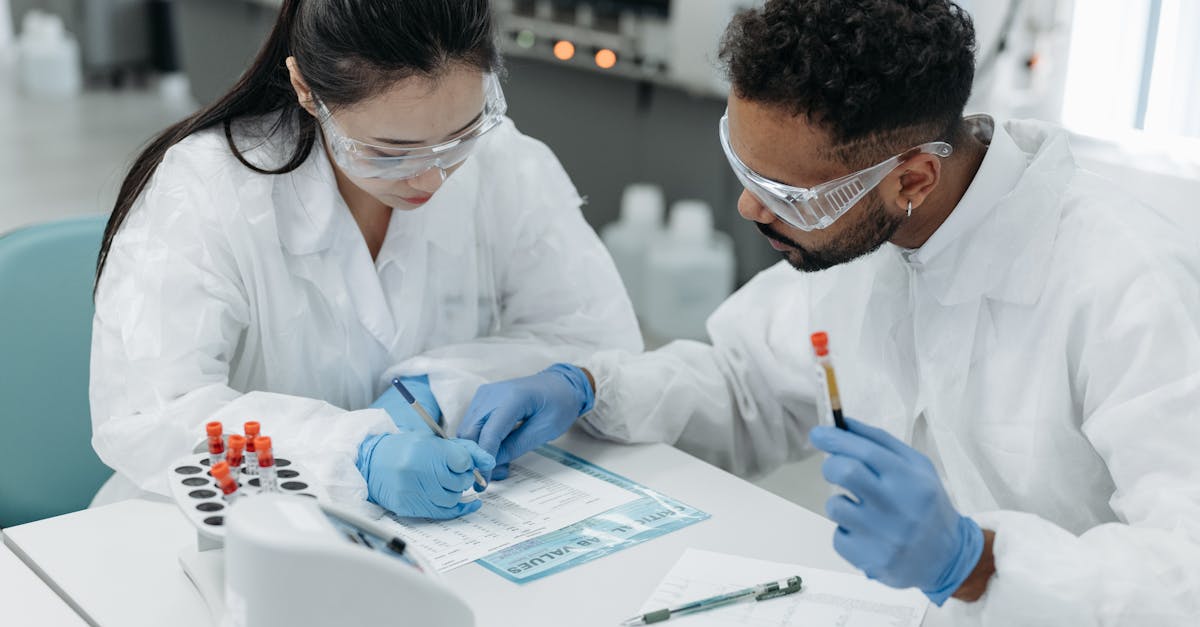
Essential steps to take in the event of an accident or breakage in the lab to ensure safety
Laboratories are environments where the risk of accident or breakage is never completely absent, especially with sophisticated chemicals or equipment. In 2025, the priority remains unchanged: acting quickly, efficiently, and safely to limit the consequences. Whether you are a student, researcher, or technician, knowing how to react in these situations can make all the difference. The first rule: don’t panic and follow a specific procedure, while using the prevention tools at your disposal, such as those offered by Securitech or LabProtec. Rapid response, knowledge of first aid, and a well-oiled organization are the key to preventing the situation from escalating. Today, accident management is not limited to providing first aid; it is part of a proactive approach to protect each staff member as much as possible, while respecting LabPrecautions. To achieve this, it’s vital to implement emergency plans, train staff, and have the right equipment. Ensure the safety of your laboratory with our essential advice on best practices for safety, protective equipment, and risk management. Protect your employees and promote a safe and compliant work environment. Understanding the different types of laboratory accidents and breakages: risks and real-life examples Lab accidents can take many forms, each requiring an appropriate response. Common incidents include falls, cuts from equipment, or broken glass from a container containing dangerous substances. Breakage of equipment, product leaks or even an accidental spill of chemicals can lead to emergency situations. A precise understanding of these accidents makes it possible to best adapt the immediate response. For example, a chemical splash requires specific treatment, such as rinsing with plenty of water, while broken glass may require systematic waste collection. Prevention also involves better organization, compliance with PrecautionsLab and continued awareness. In 2025, many labs will integrate technological tools such asAccident Management
Type of accident
Examples Appropriate reactions Falls
| Slippery floor, poorly stabilized shelves | Check the scene, secure the surroundings, notify staff | Cuts or broken glass |
|---|---|---|
| Broken equipment, blades, glassware | Avoid touching directly, use pliers or a broom, report | Leak of dangerous products |
| Corrosive substances, gas | Evacuate, ventilate, use protective equipment | Expiration or breakage of equipment |
| Reagents, filters, containers | Replace immediately, report the fault, avoid use | The essential first reflexes in the event of an incident in the lab according to labSécure |
| When faced with a laboratory emergency, rapid action is crucial to minimize risks. The first step is to assess the scene to eliminate any additional hazards—for example, checking for a fire or leaking toxic chemicals. Then, if the victim is in danger, it’s important to protect them without putting themselves in danger. Rapid response is essential: applying appropriate first aid measures, such as stopping a leak or placing the victim in a safety position. Communication also plays a vital role. Immediately calling 112 or the laboratory emergency service, such as AccidentAssistance, is an essential step. In 2025, various organizations like SafetyLab are distributing real-time guides to help people adopt the right behavior. When it comes to first aid, basic actions like stopping bleeding or disabling faulty equipment can save lives. When we intervene in a prophylactic and organized manner, we limit risks for staff and ensure better accident management. | https://www.youtube.com/watch?v=Y35i0QFtYhI | First aid skills to master to respond effectively in the event of a laboratory accident |
Knowing basic first aid is a valuable skill in any lab, especially in a context where rapid intervention can mean the difference between a controlled situation and a disaster. The golden rule remains to remain calm, follow a clear procedure, and avoid any haste that could aggravate the injury or danger. Securitech or Let’s Protect Ourselves training
offers essential certification for mastering lifesaving techniques. These include cardiopulmonary resuscitation (CPR), bleeding management, and chemical burn management. For example, if a corrosive product comes into contact with the skin, it must be washed immediately with clean water without delay. Burn management often involves the use of specific neutralizing solutions or a protective dressing. Awareness and regular practice allow you to remain operational in any emergency, thus avoiding the loss of precious time. In all cases, the right action is one that prevents the injury from worsening while maintaining the safety of the worker. Discover the essentials of laboratory safety to ensure a safe working environment. Learn best practices, the use of protective equipment, and emergency procedures to prevent accidents and protect your health. Essential equipment for rapid response in the event of a lab incident To respond effectively in the event of an accident, it is essential to have emergency equipment that is easily accessible and in perfect condition. The safety of laboratory technicians and researchers also depends on their material preparation, particularly through the integration of modern solutions such as LabProtec.
Prevention strategies to limit damage and reduce the severity of lab accidents
An ounce of prevention is always worth a pound of cure, especially in a context as sensitive as the laboratory. Prevention is based on rigorous organization, awareness-raising, and regular equipment maintenance. In 2025, labs will innovate by integrating digital tools such as Securitech or LaboSécure to monitor the status of facilities in real time. Continuing training in LabPrecautions also plays a major role in preventing irreparable damage. This includes implementing strict protocols, clearly communicating risks, and periodically verifying materials. For example, proactively managing chemical inventories by avoiding overstocking limits the risk of leaks or accidental breakage. Complying with regulations, particularly laboratory health and safety guidelines, helps strengthen this culture of prevention. Another strong trend is the use of automated systems to detect any anomalies, whether via sensors or software such as laboratory health and safety regulations. Collective awareness and everyone’s responsibility ensure better risk management and effectively limit damage. Preventive Actions
Objectives
Regular Training Lab Precautions Sessions, UpdatesReduce Human Error Equipment Maintenance Machine Inspection, Container Control
Prevent Failure and Breakage
Organization & Storage Proper Storage, Clear Labeling Avoid Accidental Injections or Spills Use of Digital Tools Real-Time Monitoring, Automated Alerts Anticipate and Respond QuicklyHow to Strengthen Accident Management in the Lab Through Effective Organization
| Good incident management isn’t limited to an immediate response; it begins well beforehand, with rigorous organization. Implementing precise protocols and an emergency plan is a fundamental step for any safety-conscious organization. In a modern laboratory, this organization often relies on digital tools such as Accident Management or Rapid Response. | to document, evaluate, and track each incident. Furthermore, ongoing awareness-raising, through regular training and simulations, ensures everyone understands their responsibilities. Safety training must be accessible to all, particularly through certified lab safety training, such as that offered by the Laboratory Health and Safety Rules. Finally, management involvement, clear signage of risk areas, and visibility of safety equipment strengthen this organization. In short, proactive management, with a culture of prevention and ongoing training, guarantees an effective response and significantly limits the severity of laboratory accidents. | Training and resources to master the response to a laboratory incident |
|---|---|---|
| To meet the safety expectations of 2025, it is essential that staff have access to appropriate and up-to-date training. Organizations such as Securitech and AccidentAssistance offer certified modules, often accompanied by practical sessions. Mastering first aid techniques, knowing evacuation protocols, and using specific equipment are all assets for ensuring everyone’s safety. Those who regularly train in techniques such as CPR or the handling of hazardous chemicals demonstrate a better response to any critical situation. Furthermore, it is wise to incorporate real-life scenarios into training, such as those analyzed in the genetic sequence risk analysis. In addition, regularly consulting online resources or interactive simulators helps maintain a high level of vigilance and efficiency. | Training Content | Objectives |
| Recommended Organizations | First Aid | Save Lives, Limit Damage |
| Securitech, AccidentAssistance | Hazardous Material Management | Responding to a Leak or Spill |
| Protect Us, SafetyLab | Simulations & Scenarios | Practice and Anticipation |
Certified Training, Online Platforms
Regulatory Updates Complying with 2025 Legislation Government Websites, Professional Training Frequently Asked Questions: Preparing Your Response to an Accident or Breakage in the Lab How do you know if the scene is safe before intervening? You must check for fires, spills, or unstable materials. Do not endanger your life by intervening in a hazardous environment.What should you do if a chemical comes into contact with your skin?
Rinse immediately with plenty of clean water. If possible, apply a specific neutralizing solution and seek medical advice quickly.
How can you effectively train staff in incident management? By regularly organizing certified training courses, practical exercises, and distributing updated guides such as those from SafetyLab or LaboSécure . What emergency equipment is essential in the lab?First aid kits, eyewash stations, suitable fire extinguishers, and spill neutralization devices.
| How can you prevent breakage or accidents? | Strictly follow Lab Precautions, perform regular maintenance on equipment, train staff, and use connected tools for continuous monitoring. | |
|---|---|---|

