Booming sectors actively recruiting biotechnology technicians in 2025
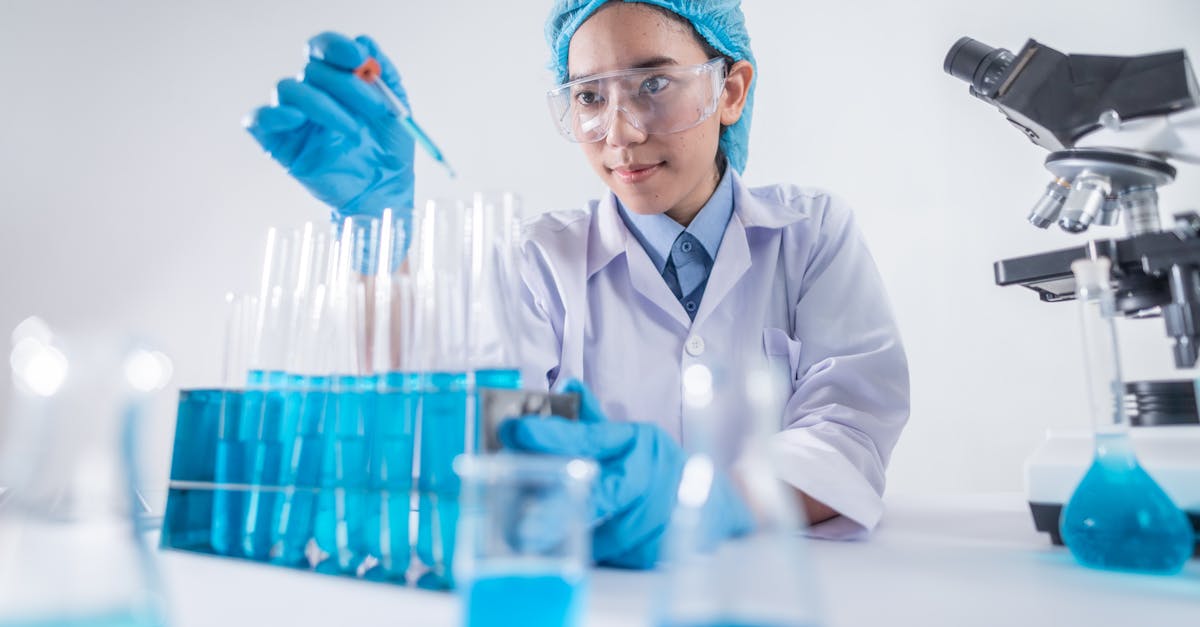
As the biotechnology landscape continues to evolve, certain sectors are showing remarkable growth, offering numerous job opportunities for qualified technicians. In 2025, where innovation plays a key role in healthcare, the environment, and even cosmetics, the demand for these profiles shows no sign of diminishing. Large companies such as Sanofi, Roche, and Novartis continue to invest in research, while collaborating with innovative startups such as Genfit and DBV Technologies. Biotechnology has successfully established itself as a cross-disciplinary sector, offering diverse opportunities, including in the food and cosmetics industries. The key to this growth? The ability to combine life sciences skills with increasingly sophisticated digital and technological tools, incorporating artificial intelligence and automation. If you’re wondering which sectors are hiring, this overview will help you understand where your career path lies in 2025, with one clear trend: demand is strong and growing. Whether working in healthcare, environmental protection, or cosmetics, there’s no shortage of opportunities for technicians looking to break into an innovative industry. This is especially true as the French sector, often portrayed as lagging behind, is seeing its innovation scene expand, with competitiveness clusters such as Lyon Biopôle and Eurobiomed attracting significant international investment. Explore the fascinating world of biotechnology, an innovative discipline that combines biology and technology to develop sustainable solutions in healthcare, agriculture, and the environment. Discover its revolutionary applications and its impact on our daily lives.Medical Biotechnology: A Hyper-Growth Sector in 2025 Unsurprisingly, the medical sector remains one of the most dynamic in biotechnology. Large, renowned companies such as Ipsen, Pierre Fabre, and AstraZeneca are continually seeking to strengthen their teams with specialized technicians. Why is this sector so promising? The answer lies in the increased demand for innovative treatments, particularly in the fields of gene therapies, biomedicines, and artificial organs. In 2025, advances in genetics, combined with robotics and automation, will accelerate the time it takes to bring new molecules or medical devices to market. Technicians play a crucial role in the manufacturing, quality, and monitoring of these products. With healthcare being a priority, medical biotechnology is constantly recruiting. The skills these companies are looking for? Mastery of cell culture techniques, knowledge of GMP standards, and the ability to adapt to a strict regulatory environment. If you want to work in this field, you also need to pursue ongoing training, with specialized courses available online or in engineering schools. The healthcare sector in 2025 is constantly changing, and technicians are more than ever the key to advancing research and production. To learn more, watch this video:.” Discover the fascinating world of biotechnology, an innovative discipline that transforms science and technology to improve health, agriculture, and the environment. Explore the latest advances, practical applications, and ethical challenges of this rapidly expanding science. Environmental biotechnology: a rapidly expanding sector to preserve the planet As environmental challenges become increasingly pressing, green biotechnology is emerging as an essential response. In 2025, companies working in this field, such as Roche or innovative startups like Genfit, will be recruiting heavily to develop solutions to combat pollution and preserve our resources. Key areas of focus include improving drought-resistant crops, remediating soil and wastewater pollution, and producing renewable energy. Green biotechnology is distinguished by its ability to use microorganisms to treat waste or produce sustainable biomaterials. Technicians play a key role, particularly in handling microbiological cultures and maintaining pollution control equipment. Demand is particularly high in sectors related to water and soil management, areas that will be critical in the face of climate change in 2025. The ideal training includes skills in microbiology, green chemistry, and knowledge of environmental regulations. The key to success in this field? Versatility, the ability to work across disciplines, and a strong environmental conscience. Environmental biotechnology, currently booming, offers sustainable and committed career opportunities. Discover, for example, how blue biotechnologies are developing to advance cosmetics by following this discussion: Bioanalysis and New Biotechnological Methods .Discover the fascinating world of biotechnology, an innovative discipline that uses living organisms and biological systems to develop sustainable solutions in health, agriculture, and the environment.

Cosmetics, a sector long considered secondary, is now experiencing spectacular growth thanks to biotechnology. Companies like L’Oreal and Genfit are now exploiting biotechnology to develop anti-aging products, sensitive skin care, and anti-aging solutions. The trend? Using natural molecules, enhanced by biotechnological processes, to achieve visible and lasting effects. Biotechnology also makes it possible to develop skincare products from carefully controlled organic cultures, reducing environmental impact. The advancement of blue biotechnology is also playing a role in cosmetics, with innovations derived from microorganisms in the formulation of creams and serums. These developments require technicians capable of mastering cell culture, extraction, and biomolecule analysis processes. Demand from major companies like L’Oreal or a group specializing in microencapsulation continues to increase, offering opportunities for those who master these techniques. Innovating in such a competitive sector requires solid training, complemented by a constant curiosity for new trends. To understand how biotechnology is optimizing cosmetics, read this article:
Spectroscopy and Molecular Analysis in Cosmetics .Agricultural and Food Biotechnology: A Key Sector for Feeding the World in 2025 Finally, it’s impossible to overlook the agricultural and food sector, which remains one of the largest recruitment opportunities for biotechnology technicians. Cultivating resistant plants, producing enriched foods, and reducing pesticide use are among the major challenges in the face of population growth and climate change. Among other advances, we find the creation of genetically modified plants that are tolerant to drought or pests, which offer higher yields with fewer resources. Agricultural biotech also promotes the development of functional foods, such as the famous “functional foods,” which combine food and medicine to prevent certain diseases. These innovations require technicians trained in plant biology, genetics, and transformation processes. Some large groups such as AstraZeneca and Sanofi are investing in these projects to ensure their sustainable growth. Demand in this field is such that it is also necessary to master European and international regulations. Working in these sectors also means participating in the global response to the food and environmental challenges of tomorrow. To better understand the challenges, explore these resources:Review of BTS in Biotechnology or Recombinant DNA in the Agri-Food Industry .
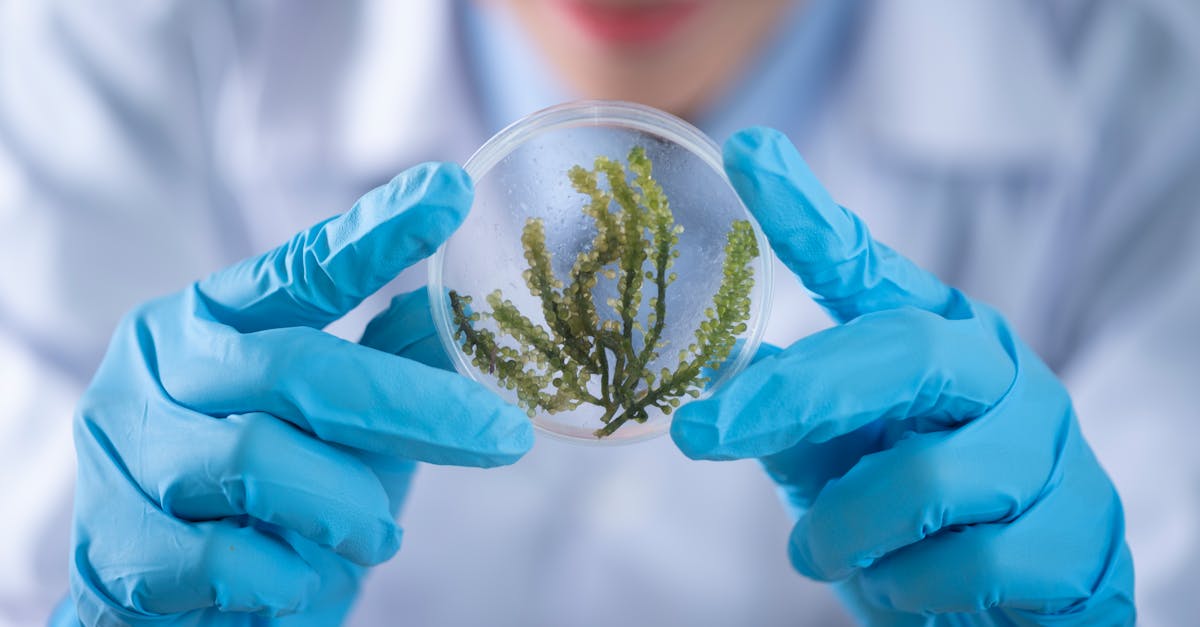
The biotechnology job market is as dynamic as the sectors it serves. The profiles sought vary, but one thing is certain: solid training remains essential. Technicians can benefit from programs ranging from BTS in Biotechnology to specialized master’s degrees. Expected skills include:
🤖 Mastery of cell culture techniques 🔬 Knowledge of regulatory standards 🌱 Ability to handle microorganisms or biomaterials 💻 Familiarity with automation and IT🌍 Fluency in technical English What training paths will lead to this? Here’s an overview: Level Available training🚀

🔑
Bac+2 BTS biotechnology, DUT biotechnology Laboratory techniques, biochemical analysis, microbiology Bac+3 Professional degree, Bachelor’s degree in biotechnology Projects, regulations, project managementBac+5 and above
Master’s degree in biotechnology, engineering schools
Advanced research, industrial development, innovation Sectors such as Biomerieux or Genfit particularly value these degrees, as well as the ability to adapt quickly to innovations. Cross-disciplinary skills in English, automation, and project management often make the difference. For more information on training programs, visit biotechnology training. The key remains motivation and a desire to continue learning throughout your career. Essential qualities for success in biotechnology in 2025 This sector is not just about technical expertise. You also need to demonstrate essential human qualities. Having a good team spirit, being adaptable, curious, and rigorous are prerequisites for surviving in these competitive environments. A culture of innovation, the ability to work in a complex regulatory environment, and the ability to quickly adapt to new methods are equally important.🧠 Initiative
👥 Ability to collaborate
🌟 Curiosity and a passion for innovation
- 🔄 Adaptability to new methods
- 📚 Willingness to continuously learn
- Strategies for landing a job in biotechnology in 2025
- Are you wondering how to stand out from the many candidates? The answer goes through specialization, network, and language mastery. Stay informed on the latest trends with resources like
- diploma news
or taking additional training in automation or recombinant DNA can make the difference. Participate in trade fairs, join professional networks or even do an internship in an innovative start-up like
| DBV Technologies | Or Genfit | remains an excellent approach to expanding your profile. Frequently Asked Questions (FAQ) |
|---|---|---|
| What are the most sought-after diplomas to work in biotechnology in 2025? | BTS, Professional License, and specialized Masters remain the most preferred, particularly those which integrate modules in automation and bioinformatics. | What technical skills should you look for in a technician? |
| Mastery of cell culture techniques, knowledge of regulations, and the ability to handle automated equipment are essential. | Which sectors are recruiting the most in biotechnology in 2025? | Health, environment, cosmetics, and agri-food are the main recruitment drivers, with an emphasis on research and development. |
| How to promote your profile to recruiters? | By cultivating constant curiosity, mastering technical English, and carrying out concrete internships in innovative companies like Roche or Pierre Fabre. |