
Discover daily life at EPLEFPA: a true concentration of exchanges and practical experiences
Stepping into the shoes of an EPLEFPA student means immersing yourself in a rich world where learning extends far beyond the classroom. Between practical outdoor activities, workshops in a variety of professions, and meetings with passionate professionals, each day reveals a total immersion in agricultural vocational training. The diversity of courses, the omnipresent agricultural culture, and the close ties with internships and work-study programs shape a dynamic and motivating daily life. In 2025, this experience has become even more essential to meet the challenges of a society where the ecological transition and technological innovations are shaking up the sector. Especially since, with the evolution of teaching, new teaching methods, such as simulation or augmented reality, make each step even more concrete and adapted to all ambitions. Discover student life through enriching experiences, practical advice, and memorable moments that make every day on campus unique. Join a vibrant community and immerse yourself in a world of learning and camaraderie.

What can an EPLEFPA student expect from their days? The answer varies depending on the chosen program, but the overall structure remains well balanced between theory and practice. The morning often begins with a theoretical course, focused on agronomy, green space management, or plant cultivation, depending on the specialty. These courses, taught by experienced instructors, combine lectures, discussions, and case studies. Then, it’s time for practical work with workshops in the field or in the workshop, where manufacturing, planting, or equipment management become the key to understanding. Theoretical courses 📝: horticulture, soil science, farm management
Practical workshops 🚜: greenhouse work, planting, crop care
- Site visits 🌳: farms, training centers, partner companies
- Sports and cultural activities 🎭: dance, soccer, nature outings
- Depending on the schedule, the afternoon can be focused on team projects, farm visits, or internships. The key to success at EPLEFPA is obviously the ability to balance these times to master skills and interpersonal skills. In addition, digital equipment and the use of mobile applications facilitate information exchange and project management. This allows students to gain autonomy while remaining connected to their professional environment.
- Discover student life: practical advice, anecdotes, and tips for navigating this dynamic world. Explore the different aspects of campus life, social activities, academic challenges, and much more to maximize your student experience.
Immersion sessions: a complete immersion into student life at EPLEFPA
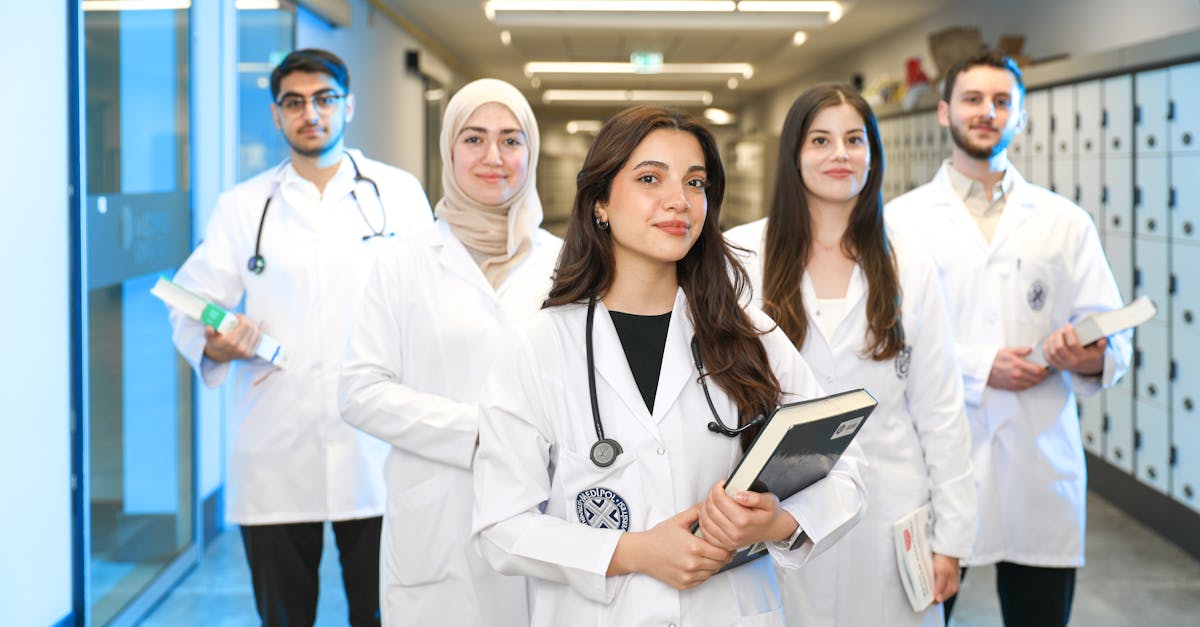
A concrete example:
During their immersion programs, some learn about the cultivation of rare plants, how livestock farming operates, or even the challenges of sustainability. Better to test than guess, right? Guided tours of the campus and educational farms 🏞️ Practical workshops in studios or outdoors 🌱Meetings with students and alumni 🎓
- Discover modern equipment, such as virtual reality for agronomy 🕶️
- These days often prove decisive for students, allowing them to confirm or refine their career path. For those who want to embark on a work-study program, these immersions are also an opportunity to understand the requirements and realities on the ground, which is essential in the agricultural or environmental sectors.
- Discover student life through advice, tips, and captivating experiences. Explore the challenges and joys of campus life, social activities, academic resources, and much more to enrich your studies.
- The programs offered by EPLEFPA: a wide range of programs to meet all ambitions
Local Public Agricultural Education and Training Institutions (EPLEFPA) offer a variety of courses adapted to vocations and market requirements. In 2025, we will see a rise in innovative training programs, combining traditional culture, digital technology, and sustainable development. Among the main programs are:

The BTS in Agriculture and Personal Services 📚: focused on farm management, applied agronomy, or plant production
The Specialization Certificates 🎯: to delve deeper into a specific field, such as agroecology or green space management
- The Work-Study Option 🔄: allowing you to combine training at a center with professional experience on a farm or in a company
- This wide range of training is part of a logic of adaptation to changes in the sector, notably by integrating Inspira (Innovation, Nature, Protection, Resources, Agriculture). Many young people find here the opportunity to combine their passion for agricultural culture with modern challenges such as the ecological transition, risk management, or the circular economy. The work-study program is highly valued because it offers hands-on experience while ensuring a salary, which is a real help in financing your studies or supporting your family.
- Interactions with professional life: the importance of internships and work-study programs in the EPLEFPA program
- What’s better than learning about the profession in a real-life setting? The EPLEFPA (Educational Training Program for Professionals) focuses heavily on internships and work-study programs. By 2025, these practical experiences are considered key to ensuring effective skills development and facilitating entry into the job market. Students often undertake internships on farms, garden centers, or personal service companies, lasting up to several months. This not only allows them to apply their knowledge, but also to build a valuable professional network for their future. Type of Experience 🚜
Objectives 🎯
Duration 🗓️
Farm Internship
| Discover the profession, learn management and technical skills | 2 to 6 months | Work-study program at a training center |
|---|---|---|
| Consolidate skills, finance studies | Full academic year | Entrepreneurial Project |
| Develop a personal or collective initiative | Varies depending on the project | In each situation, students acquire operational skills while developing their organizational skills and sense of responsibility. These practical workshops also help build their self-confidence, essential for their future success. These internships not only promote professional experience, but also an understanding of issues related to sustainability, water management, and regulatory compliance. In addition, the EPLEFPA supports students in finding internships through strong partnerships with various local and regional businesses. |
| Cultural and Craft Activities: Encourage Personal Development and Creativity | Beyond technical skills, the EPLEFPA also focuses on the personal development of its students through cultural, sports, and craft activities. By 2025, this holistic approach will foster individual growth by promoting creativity, teamwork, and artistic sensitivity. For example, some high school students participate in agricultural festivals or create web series on farm life, allowing them to combine their passion with digital and communication skills. These activities also strengthen a sense of community while raising awareness of local agricultural culture and the preservation of traditions. | Craft exhibitions and agricultural culture festivals 🎉 |
Artistic creation workshops on the theme of nature 🎨
Documentary web series projects on rural life 📹
Cultural outings to historical or natural sites 🏞️
- Sports activities are also included. Between soccer, dance, and outdoor sports, they contribute to group cohesion and stress management. All of this contributes to building a balanced profile, ready to take on both technical and personal challenges. Training at EPLEFPA is also about learning to cultivate one’s passion while thriving in a close-knit community.
- The challenges of agricultural training in 2025: innovation, sustainability, and internationalization
- How is EPLEFPA adapting to meet global challenges? The answer lies in the integration of innovative methods, the promotion of sustainability, and international openness. In 2025, the agricultural sector is undergoing rapid change, requiring new skills and a forward-looking outlook. The digitalization of practices, agroecology, and intelligent management of natural resources are becoming central to all sectors.
- Use of drones for crop monitoring 🚁
Implementation of precision agriculture solutions 📱
Training programs in partnership with universities and research centers 🌍
International mobility via Erasmus+ or internships abroad ✈️
- All of this is part of a desire to create responsible professionals capable of reconciling economic performance and the preservation of the planet. EPLEFPA encourages its students to become agents of change through concrete projects, such as designing innovative systems or participating in international agricultural festivals. The program thus becomes a vehicle for inspiration and transformation, while remaining true to its values of agricultural culture, academic support, and social commitment.
- Digital resources and tools: essential support for training the new generation of farmers and ecologists
- In this connected world, how is EPLEFPA innovating in terms of digital equipment? The answer is simple: by integrating modern tools that facilitate teaching and project management. Virtual reality simulation programs, mobile applications, interactive platforms… Everything is designed to stimulate curiosity and strengthen autonomy. In 2025, digital technology will play a central role, both in vocational training and student life.
- VR simulations to safely experiment with complex agricultural techniques 🕶️
Plot management and inventory applications 📲
Collaborative platforms for exchanges between students and teachers 🌐
Online training to supplement learning with complete flexibility 🖥️
- This digitalization also promotes the sustainability of training, with resources accessible remotely and a reduction in paper use. It helps make each student both tech-savvy and responsible, prepared to meet the challenges of tomorrow in a constantly evolving sector. The synergy between innovation and tradition remains the key to perpetuating agricultural culture by integrating modern and sustainable tools.
- Frequently asked questions about life at EPLEFPA: everything you need to know to get started
- What are the main career paths after a program at EPLEFPA?
- Many students choose a career in agronomy, food science, farm management, or marketing. The diversity of training also opens the door to careers such as agricultural advisor, environmental technician, or even nature guide.
How do I join the EPLEFPA (Educational Training Program for Professionals)?
The process involves submitting an application, often supplemented by an interview or test. Some programs may also require prior experience or an internship in the agricultural sector.
- What role does work-study training play in a career plan? It allows students to combine theory and practice, while being paid. It is often the best way to gain practical experience and facilitate entry into the labor market.
- Are cultural activities important in the program? Absolutely. They contribute to personal development, encourage creativity, and strengthen group cohesion. Agricultural culture is not just a technical discipline; it’s also a heritage to be passed on.