When a fire occurs, chaos can quickly take over. Speed and methodology in disaster management then become essential to limit damage and ensure effective repair. In 2025, with the constant evolution of risks and the emergence of new, more combustible materials, it is crucial to understand each stage of fire management, from declaration to compensation. From collaboration with specialized players such as Securitest, Groupama or Allianz, to the intervention of fire experts, each phase requires precise organization and in-depth knowledge of the issues. The key to success lies in a structured and proactive approach, combining prevention, emergency intervention and technical expertise. Whether you are a professional or an individual, it is vital to know these steps to respond effectively in the event of a disaster. Explore each step in this article, illustrated by concrete examples, in order to better understand the complexity and challenges of managing a fire in our modern society.
How to quickly detect a fire disaster
The first reaction to a fire is detection. Being able to quickly identify the origin of the fire can make all the difference between a controlled disaster and an out-of-control situation. But how can we ensure that the alert is carried out in the best conditions? First of all, visual and sensory monitoring plays a fundamental role. Smoke sensors, connected fire alarms and automatic detection systems are now integrated into many establishments. Their role is to trigger an instant alert, even if no one is on site. This device is even more vital in sensitive or rarely used premises.
Then, the transmission of this alert must be immediate, via the security center or directly to the emergency services. Companies like Wakam or Wakam offer tailored solutions for reliable fire detection, often integrating innovative technologies to reduce false positives. Staff must also be made aware and trained to quickly recognize the signs of a fire starting: burning smell, visible flames, or crackling noise. In all cases, the earlier the detection, the greater the chances of containing the fire before it gets out of control. Speed of detection therefore constitutes the first fundamental step in fire disaster management.
Modern devices for optimal detection
Many innovative systems make it possible to improve the speed of detection. Among them:
- 🔍 Intelligent smoke sensors connected to a control center
- ⚡ Sound and light alarms to immediately notify staff
- 🌐 Real-time video monitoring, with automatic anomaly recognition
- 🤖 Integration into energy management or global security systems
These systems, coupled with strict protocols and regular training, play a crucial role in disaster control. In 2025, their reliability will be reinforced by artificial intelligence which filters false alerts, thus allowing faster and more targeted intervention.

The first actions to take in the event of a fire
As soon as a fire is detected or reported, an immediate response can make all the difference. The top priority is to ensure the safety of occupants and limit the spread of the fire. To achieve this, an emergency procedure must be in place, with clearly defined roles. Generally, a series of key steps must be followed:
- 🚒 Immediately call the fire department, specifying the exact location and nature of the fire
- 📝 Implement the evacuation plan, if necessary, following the signs and instructions
- 🔥 Use, if possible, the extinguishing equipment provided on site (fire extinguishers, sprinklers)
- 🔒 Secure the area and isolate flammable or hazardous materials
- 📋 Record all useful information for subsequent actions, such as the time of the fire, the affected area, etc.
During a fire incident, every second counts. Coordination between emergency teams and on-site personnel often helps limit the spread of the fire. It’s a team effort, where training and familiarization with the emergency plan play a major role. Rapid response, combined with clear communication, is often the difference between effective management and a more serious disaster.
Essential Equipment for Immediate Safety
To ensure an effective response, certain equipment is essential:
- 🧯 Fire extinguishers suitable for all types of fires
- 🚨 Alarms and audible warning systems
- 🛡️ Safety alloys for emergency closure
- 🧰 First aid kit
- 🔑 Quick access to evacuation points
By 2025, the standard requires regular replacement of this equipment and verification of its proper functioning. Companies like AXA and Covéa offer maintenance and monitoring solutions to ensure its effectiveness during a fire.
Complicating the situation: at what points does management become critical?
The more the fire rages, the faster and more precise management must become. Certain phases, if left unchecked, can lead to an escalation of the disaster. These include:
- 🔥 The spread of the fire to other areas or neighboring buildings
- 💨 The release of toxic fumes, endangering the health of emergency responders and occupants
- ⏱️ Overloading of firefighting resources, particularly if the alert is delayed or access to the area is difficult
- 🛑 Failure of safety systems, such as automatic extinguishing or ventilation
In every critical situation, it becomes necessary to call on specialized responders, such as those from Groupe Matmut or BNP Paribas Cardif, who have the resources for a rapid and coordinated response. The ability to manage these decisive moments often determines the outcome of the disaster: controlled or disastrous. When to Involve a Crisis Team
More serious or complex incidents require the establishment of a crisis team. Specifically, this involves:
🔧 Emergency meeting with all stakeholders involved (firefighters, security, managers)
- 📊 Analysis of initial data to adapt the response
- 📞 Clear communication with the media, partners, and policyholders
- 📝 Establishment of a business continuity plan to limit impacts
- This system ensures consistent management and avoids diversion of resources. Coordination, communication, and flexibility remain the pillars of effective management in the midst of a crisis.
Discover how to effectively manage fire-related incidents with appropriate strategies and tools. Optimize your response plan, ensure the safety of your teams, and minimize impacts through proactive emergency management.
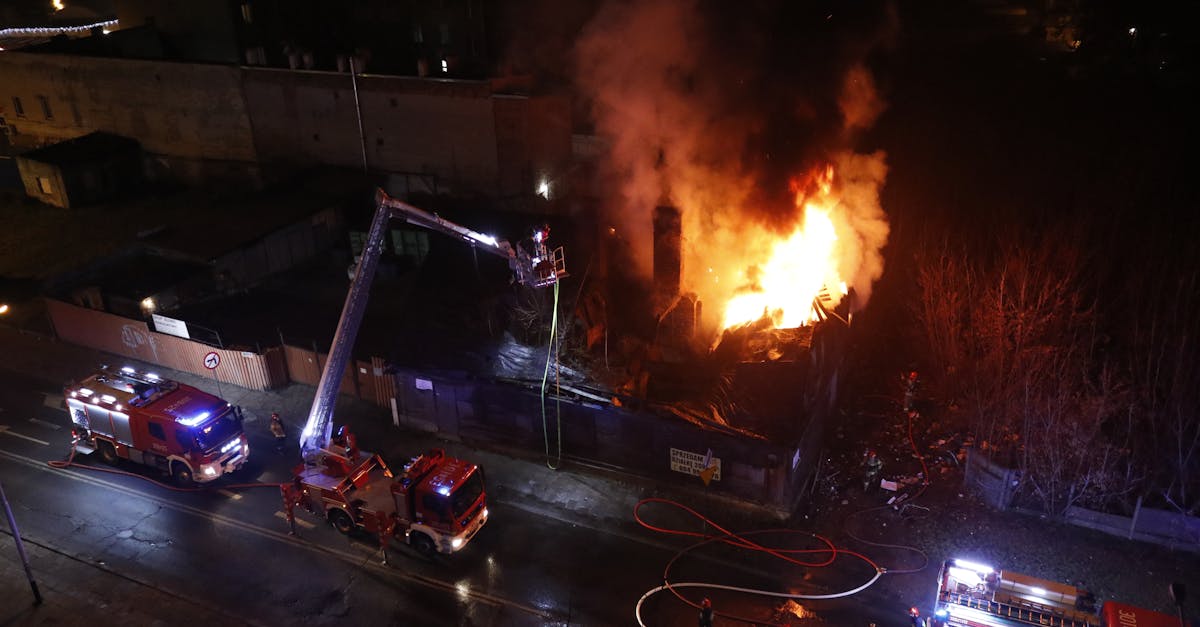
After the fire, the priority is to accurately assess the extent of the damage. This step is essential to initiate further operations, whether for repair, restoration, or compensation. The first task is to secure the premises, then call on specialists such as fire experts or insurers to conduct a comprehensive assessment.
The Steps of a Thorough Inspection
🔍 Verification of the integrity of the building’s structure
- 📝 Precise inventory of damaged elements (walls, roofs, equipment)
- 📸 Taking photographs and drafting a detailed report
- 💼 Analysis of possible causes based on the damage
- 💧 Assessment of the risks of reinfection or recurrence
- Companies such as Securitest and Wakam provide support to conduct these inspections quickly and efficiently. The goal is to obtain a clear, reliable overview to guide repair and compensation actions. All in accordance with current regulations, particularly regarding safety and insurance.
Tools available for an accurate inventory
To support this step, several technical tools are used:
🛠️ Structural deformation sensors
- 🎥 360° videos and drones for inspections at height or in difficult-to-access areas
- 📊 3D modeling software to simulate damage
- 🧪 Resilience tests of materials and foundations
- This data allows the expert or insurer to better understand the challenges related to repairs. With statistics like those for 2025, where the frequency of natural disasters has increased, these tools are becoming essential for accurate and efficient management.
Discover best practices for effective fire incident management. Prepare your team and protect your facilities with proven strategies to minimize risks and ensure safety.
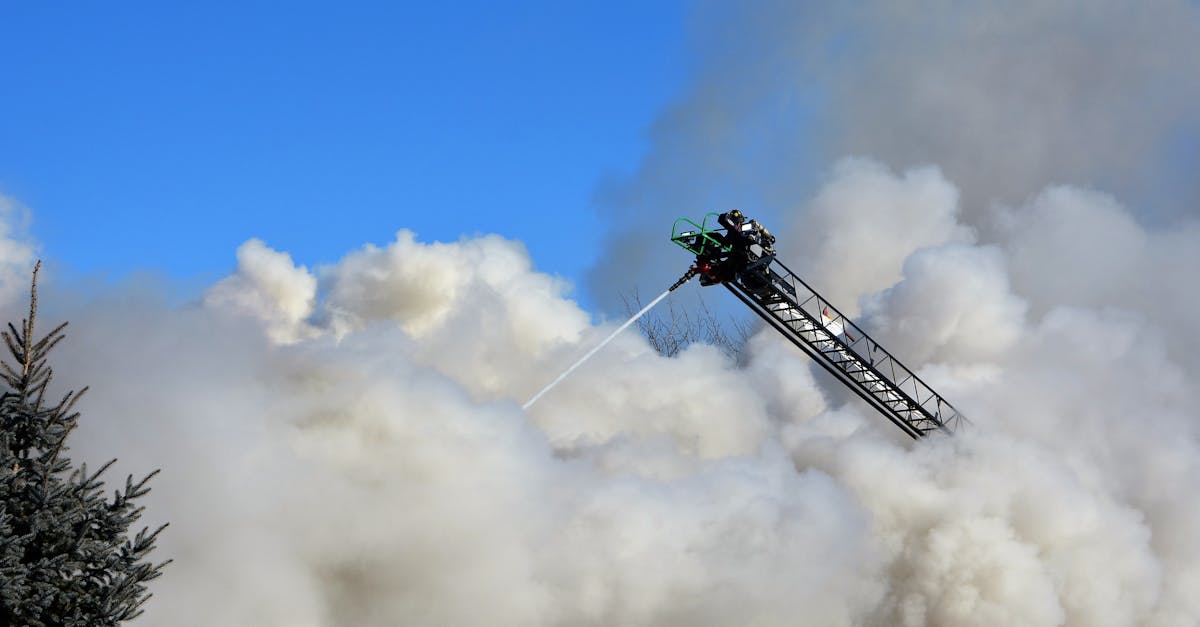
An essential and often underestimated step in managing a fire incident is the role of the fire expert. This professional possesses advanced technical skills to analyze not only the cause, but also the exact extent of the losses. Their rigor and experience are fundamental to ensuring an accurate assessment, which will directly influence the subsequent compensation process. The finesse of their work lies in their precise reconstruction of the circumstances and reliable financial estimates. Different types of fire expert interventions
📝 Field analysis to identify fire origins
🕵️♀️ Verification of safety and detection systems
- 🔧 Assessment of material, structural, and energy damage
- 💰 Estimation of repair or replacement costs
- 📄 Preparation of a detailed report for the insurer and the victim
- According to the 2025 study, the complexity of fire claims has increased with the introduction of innovative materials, making expert assessment more critically important. The accuracy of its analysis ensures compliant compensation that is also adapted to the new realities of the building industry. Essential Skills for a Fire Expert
- A good expert must master:
🏠 Construction and modern architecture
🧪 The chemistry of combustible materials
📜 Insurance and safety legislation
- 🔬 On-site investigation techniques
- 📊 Data analysis and report writing
- To meet these requirements, several companies, such as Wakam and Covéa, are specializing in combining technical knowledge and regulatory expertise to provide the most accurate assessments possible. Collaboration between these experts and insurers such as Groupama and AXA ensures reliability in the management chain.
- How insurance intervenes to provide compensation after a fire
- The role of insurance is not simply to pay compensation, but to accurately assess the extent of losses and ensure rapid repairs. In 2025, in a context where the frequency of claims is increasing (+12% compared to 2024 according to some reports), compensation management must be both precise and responsive. Collaboration with insurers such as BNP Paribas Cardif, Groupama, and AXA results in a detailed assessment, supported by the independent expertise of fire experts. The compensation calculation process
💵 Analysis of material and non-material damage
📈 Assessment of repair or replacement costs
📝 Preparation of an expert report
📞 Compensation proposal by the insurer
- 🔒 Validation and rapid payment of funds
- This virtuous cycle, facilitated by digital platforms such as those offered by Sodexo or Wakam, guarantees transparent and seamless compensation. Transparency at every stage helps maintain policyholder confidence in the face of often traumatic losses. https://www.youtube.com/watch?v=TFux8cbyr5U
- Eligibility criteria for compensation
- To receive compensation, certain criteria must be met:
- ✔️ Have a valid and compliant insurance policy
✔️ Report the claim within the time limit stipulated in the contract (often 48 hours)
✔️ Participate in appraisals and audits as instructed
In 2025, the digitalization of procedures such as with Securitest or the Groupama platform will facilitate this entire stage, reducing delays and avoiding incomplete files.
- Digital tools for modern fire disaster management
- The days when disaster management was done manually are a thing of the past. Today, digital tools play a central role in the speed and precision of each step:
- 🤖 Claims management and processing software
- 🖥️ Cloud platforms to share data in real time
🚁 Drones for inspection of debris and damaged structures
🔍 Artificial intelligence for sorting and analyzing data
💻 Interactive interfaces for live monitoring by all stakeholders
- In 2025, these solutions will consistently connect all the links, from firefighters to experts, including insurers like Wakam or Covéa. Management then becomes more efficient and less prone to error, which is essential to deal with increasingly frequent disasters.
- Frequently asked questions about managing a fire disaster
- ❓ How to react quickly in the event of a fire?
- You must immediately alert emergency services, follow the evacuation plan and use emergency equipment if possible. Speed of response is essential to limit the spread and ensure safety.
- ❓ What are the obligations of the insured after a fire?
Report the claim on time, provide all requested supporting documents, have the damage noted by an expert and comply with the instructions of the insurer or stakeholders.
❓ What role does expertise play in repair?
- The fire expert analyzes the cause, assesses the extent of the damage and provides a precise report. This document serves as the basis for compensation and repair of damaged goods.
- ❓ What technological innovations are influencing disaster management today?
- Drones, artificial intelligence, 3D modeling, and connected sensors are greatly improving the speed, accuracy, and reliability of post-fire assessments.