How Construction Transformed a School Career into a True Passion
After a general baccalaureate, many people feel a little lost about the future. Construction, with its many facets, often seems like a practical yet creative option. Yet, few really know how to integrate it into their career path or what opportunities are available to them. The transition to this field isn’t always straightforward, but it can become a truly exciting adventure if you understand its challenges. The construction sector brings together architecture, engineering, craftsmanship, and vocational training. The key to success lies in choosing the right career and the right training, based on your tastes, skills, and ambitions. So, how can you turn a simple idea into a solid and fulfilling career? The answer lies in a sound knowledge of the sector, the right training, and a precise assessment of your desires and talents.

The many facets of the construction industry: architecture, engineering, and craftsmanship
Construction isn’t just about erecting walls or installing windows. It’s a rich field that combines several skills and disciplines. For example, architecture isn’t limited to drawing up plans. It also includes design, artistic vision, and sometimes project management. Engineering, on the other hand, provides technical certification, stability, and safety, all while adhering to strict standards. Craftsmanship, on the other hand, remains the heart of manual labor: mason, plumber, electrician, carpenter… all specialists who master their skills. The diversity of professions allows everyone to find their path, according to their preferences. Vocational training plays a crucial role in acquiring these skills, whether through apprenticeships, internships, or a diploma program. This is why it’s important to explore these different facets to better target your future career. Construction Sectors
| Key Skills | Examples of Careers | Architecture |
|---|---|---|
| Creativity, Drawing, Project Management | Architect, Interior Designer | Engineering |
| Mathematics, Technology, Standards | Civil Engineer, Project Manager | Crafts |
| Manual Skills, Precision | Mason, Electrician, Plumber, Carpenter | Choosing the Training That Opens the Door to Construction: The Role of the General Baccalaureate |
After earning a general baccalaureate, many people wonder whether it’s better to continue their studies or head straight for vocational training. The answer depends largely on their goals and preferences. The general baccalaureate remains an excellent foundation for pursuing a BTS (Higher National Diploma), a DUT (University Diploma), or an architecture school, for example. But will it be possible to quickly specialize in the construction industry? The answer is yes, if the right path is chosen. The BTS (Higher National Diploma in Construction), for example, offers training that combines theory and practice, particularly with the work-study option that facilitates immersion in the workplace. Many young people begin with a baccalaureate in STI2D (Science and Technology of Industry and Sustainable Development) or a vocational baccalaureate, opening doors to technical and manual professions. Don’t hesitate to consult training information sheets, such as those available on
oeuvray.fr , to make the right choice based on their profile. Discover the latest construction trends, from innovative materials to sustainable building techniques, to complete your projects with peace of mind and efficiency.The essential qualifications and training you need to succeed in the construction industry.

Duration
Accessible Careers CAP (Certificate of Professional Qualification) in Construction2 years
| Laborer, Assistant Site Manager | Bac Pro (Professional Baccalaureate) in Construction | 3 years |
|---|---|---|
| Team Leader, Technician | BTS (Brevet de Travail) in Construction | 2 years |
| Project Manager, Junior Engineer | Learning Path and Professional Immersion in the Construction Sector | One of the keys to success in the construction industry is hands-on experience. Apprenticeships remain the best way to learn a manual or technical trade while being paid. |
| Work-study programs | allows you to combine theoretical training in a school with practical experience in a company. Some also opt for long internships, which offer immersion in the heart of the construction site. There is also the option of completing a year as a BTS (Higher National Diploma) in Construction, or joining a specialized training program to further develop your skills. Moreover, many employers favor these paths when recruiting. Regular practice, knowledge of field realities, and mastery of safety standards are essential. To better understand the process, it is often necessary to consult internship reports, such as the one available at | this link |
.
Discover the latest trends in construction, from innovative materials to ecological techniques, to carry out your projects sustainably and efficiently.Careers of the future and developments in the construction sector in 2025 The construction industry is constantly evolving, with new directions toward sustainable construction, smart buildings, and energy efficiency. Among the professions expected to grow are renewable energy specialists, ecological rehabilitation technicians, and sustainable urban planning engineers. The rise of environmental standards is also driving the emergence of new skills, particularly in the use of innovative materials and green waste management. Demand for qualified professionals remains strong, both for new projects and for the large-scale renovation of existing buildings. The sector thus offers real career potential, provided lifelong training is pursued. To learn more, visit this page: Construction professions in 2025.
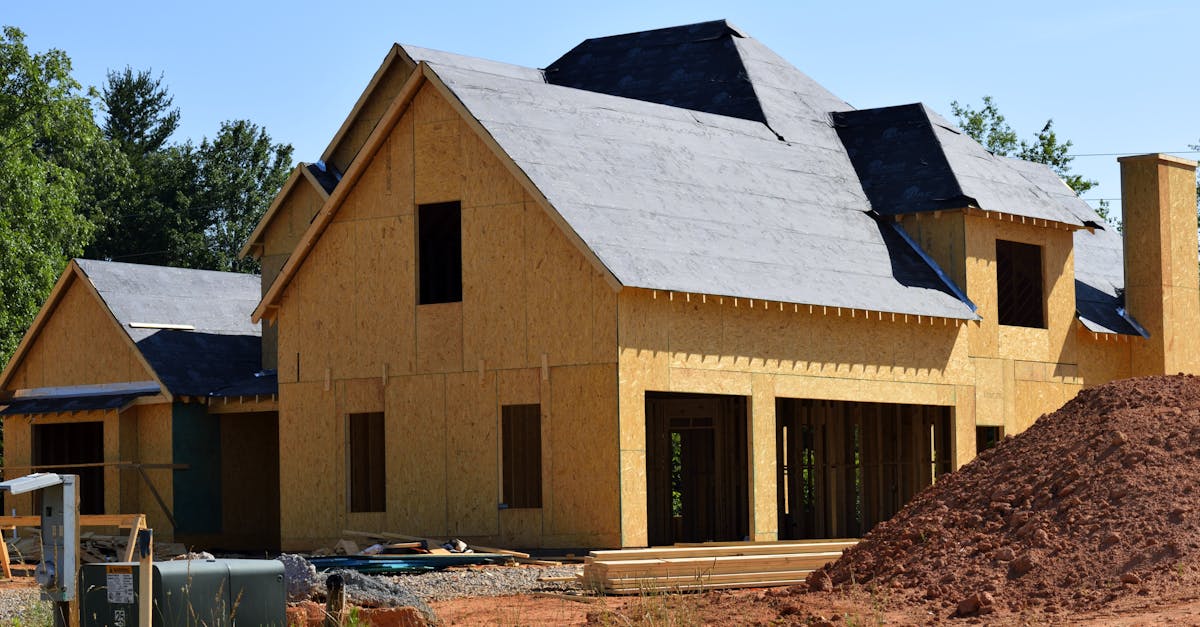
The challenges of regulations and standards in the construction sector
The construction sector is subject to numerous standards aimed at ensuring safety and quality. Fire regulations, for example, impose strict rules, updated regularly, which must be incorporated from the design stage. Mastering these regulations is essential for anyone wishing to work in this sector. Furthermore, complying with the RT 2012 standard or the new RE 2020 regarding energy and insulation is becoming a priority to meet the requirements of public and private markets. Compliance with standards is also the best way to avoid penalties or construction delays. Working in this field therefore requires staying constantly informed, through ongoing training or technical data sheets, such as those available here. Compliance with safety standards 🔥Rigorous materials management 🏗️
How to build a solid career in the construction sector: tips and tricks
In this sector, everything is a question of motivation, ongoing training, and networking. Specializing, particularly through additional training or certifications, remains the best way to advance quickly. Perseverance is also important, as the profession presents its challenges, especially in terms of working conditions and career advancement. You also need to learn to network: participate in trade shows, join professional associations, or take online training courses. All of this allows you to broaden your horizons, learn about trends, and make yourself known to employers. Curiosity and a desire to learn remain essential drivers for lasting progress in this field. Frequently Asked Questions: Everything you need to know to get started in the construction sectorWhat degree do you need to start in the construction industry?
- A vocational certificate (CAP), a vocational baccalaureate (Baccalauréat professionnel), or a higher technical diploma (BTS) are generally recommended for entry-level positions, depending on the desired position, whether in construction, architecture, or engineering.
- Do construction trades offer career prospects?
- Yes, with experience and additional training, you can advance to positions as a team leader, construction manager, or engineer.
Should you prioritize an apprenticeship or in-house training?
Apprenticeships allow for quick practical application, but this also depends on your personal preferences and theoretical needs.