Faced with the ecological, economic, and social challenges of our time, conservation agriculture is emerging as an innovative solution for preserving our farmland. Population growth, climate change, resource scarcity, and soil degradation are prompting a fundamental rethink of our agricultural practices. In 2025, this approach offers a truly new lease of life, combining respect for the environment and profitability. Yet, little known, it remains relatively uncommon in France. What does this method actually bring to farms? Why is it becoming a necessity to meet the challenges of tomorrow? One thing is certain: conservation agriculture is based on simple but powerful principles that challenge our habits of tillage, crop diversification, and sustainable cover. In this article, discover how this green revolution could sustainably transform the agricultural landscape while ensuring food security and ecological resilience. Especially since, according to recent indicators, less than 3% of French farms have fully adopted it, even though the potential is enormous. The stakes are therefore palpable: this is a real challenge for anyone who wants to combine productivity and sustainable development.
Why is conservation agriculture essential in 2025?
There’s no denying that most traditional agricultural practices have left a heavy mark on our soils. Intensive mechanization, repeated plowing, and excessive use of inputs have accelerated their degradation. Today, this poses an environmental problem, with soil erosion, declining fertility, and loss of biodiversity. Economically, these cumbersome techniques are expensive. And socially, they call into question the sustainability of our agricultural model. In 2025, the need to adopt a new vision becomes evident: we must shift our paradigm. The key lies in preserving soil capital, agriculture’s main asset.
So, what does this new approach actually propose? It is based on three main pillars:
- 🤝 🌱 Reduced or no tillage: no more intensive plowing; make way for techniques such as direct seeding or strip-till.
- 🔄 Crop diversification: to increase resilience to disease and climate hazards, while preserving biodiversity. 🌿 Permanent soil cover: using residues or cover crops to prevent erosion, store carbon, and nourish soil biodiversity.
- Moreover, according to Ceres and Terres Inovia, these principles are not just theoretical. They illustrate the daily practices of farmers committed to the ecological transition. In recent years, their adoption has led to savings of up to 30% in inputs while stabilizing or even increasing yields. Research also shows that soils treated using these methods retain moisture better, dry out less in summer, and are more resistant to extreme events. This approach, integrated into an agroecological approach, could well become the norm by 2030, with widespread adoption if aid and support policies are strengthened.
The Key Challenges of Transitioning to Conservation Agriculture
🌍 Reduce soil erosion and leaching
- 💧 Improve water retention to cope with drought
- 🌡️ Promote carbon storage and combat global warming
- 🤝 Maintain soil fertility sustainably
- 💰 Reduce input and mechanization costs
- https://www.youtube.com/watch?v=1Y_lnDKo-I4
Understanding is already a step in the right direction. By 2025, the majority of interested farmers will be turning to these three pillars to build a sustainable system. What do experts and pioneers say? The answer lies in daily practice, with a few key strategies to consider. Here is a summary table of the three pillars of conservation agriculture:
Principles
Main objectives
| Concrete actions | Minimizing tillage | 🚜 |
|---|---|---|
| Preserve soil structure and biodiversity No-till, strip-till, pseudo-till | Crop diversification | 🌸 |
| Reduce vulnerability and enrich the soil Long rotations, intercropping, low-yielding crops | Permanent soil cover | ☂️ |
| Protect against erosion and store carbon Crop residues, intercropping, green manures | How can we drastically reduce tillage while maintaining efficient production? | Knowing that plowing, an ancestral practice, can be replaced by innovative techniques is a major step forward. To answer this question, we need to understand how the soil functions and its ecological role. By 2025, many farmers are turning to direct seeding or strip-till, which limits soil disturbance while ensuring efficient crop establishment. |
A coherent organization is being established around these principles, including:
🌱 The use of specific seeders, equipped with suitable discs or tines, for direct seeding.
🤝 Careful management of plant residues to prevent the spread of weeds or diseases.
- 🔧 Timely adaptation of techniques, combined with crop diversification to limit weed competition.
- The advantages of no-till
- 🔒 Maintenance of the natural soil structure, preserving vertical and horizontal porosity.
🌾 Promotion of microbiological life and biodiversity in the surface layer.
- 🌍 Protection against water and wind erosion, with a visible impact from the first year. https://www.youtube.com/watch?v=HMuKjXszczg
- Crop rotations and associations: a key lever for resilience
- After mechanization, which favored monoculture, in 2025, research is moving toward diversification. The key is to lengthen rotations and introduce less productive crops that are beneficial for soil health. This also helps reduce the use of plant protection products, whose effectiveness is declining and whose costs are skyrocketing. A well-designed rotation is based on several criteria:
🌼 Incorporate legumes for their nitrogen-fixing capacity
🌱 Choose species adapted to the local soil conditions and economic objectives
A case study, that of Cultura or Bio3G, shows that implementing a 4- to 5-year rotation with a diversification of species increases yield stability by more than 20% while reducing the use of chemicals.
- Integrate cover crops during the intercrop period
- 🌿 Limits the risk of erosion during intercrop work
- 💧 Improves water retention and infiltration
🌱 Boosts soil biological activity
Discover conservation agriculture, a sustainable method that preserves natural resources while optimizing agricultural production. Learn how to minimize soil erosion, improve biodiversity, and promote environmentally friendly agriculture.
- The major ecological and socioeconomic benefits of conservation agriculture
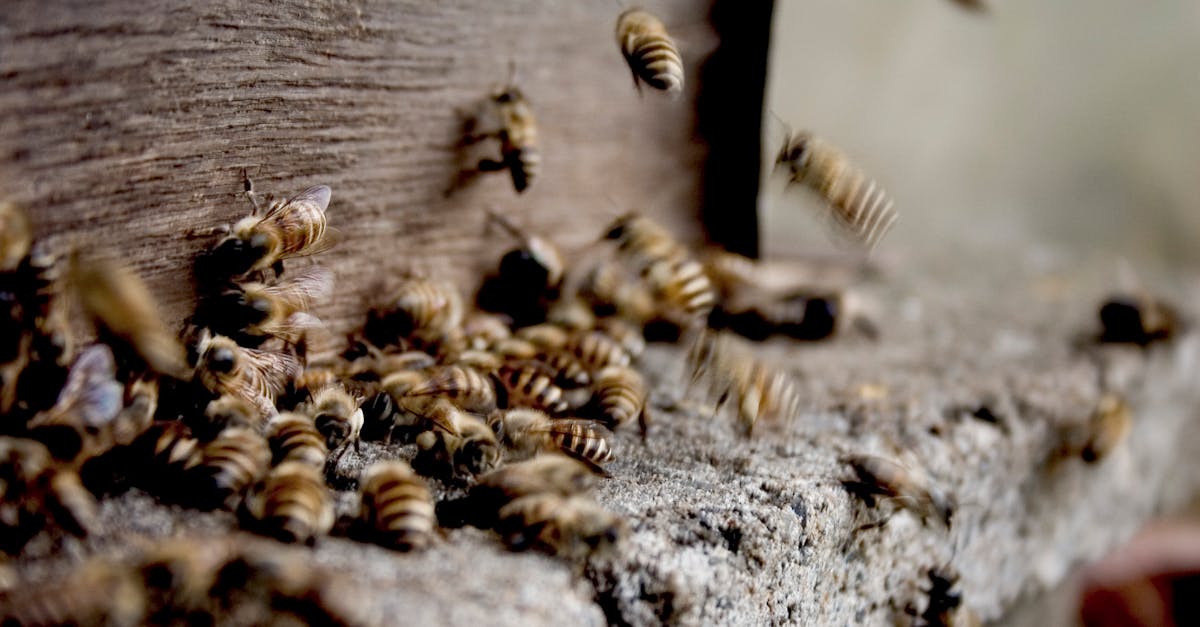
- By 2025 alone, several studies demonstrate that this practice will enable the agricultural sector to gradually achieve carbon neutrality. CO₂ sequestration, combined with reduced input use, promotes an extremely low carbon footprint. In addition, biodiversity flourishes, with a return of earthworms, bees, and birds, creating a more balanced ecosystem. Benefits in figures:
- Aspects
References
🎯 Erosion and degradation
– 50% in 3 years with regular coverage
| Ceres, Terres Inovia | 💧 Soil water storage | 15 to 20% increase in retention capacity |
|---|---|---|
| INRA studies | 🌱 Biodiversity | Visible return to local flora and fauna, particularly earthworms |
| Bio3G, Agroecology | 💰 Savings | – 25% in inputs, +20% in stabilized yield |
| WeFarm, Cultura | Adapting your tools and techniques to successfully transition to conservation agriculture | Embarking on this new approach requires support and specific training. The transition requires a profound organizational change and sometimes a material investment. By 2025, many stakeholders, such as Semailles and Etablissements Goussot, are offering tailored solutions. Key steps include: |
| 🛠️ Identify the right equipment: disc seeders, loosening tools, sensors for analyzing the soil | 📊 Conduct regular analyses to adjust your strategy | 🌱 Learn how to combine crops and choose the appropriate cover crops |
🤝 Benefit from personalized support, particularly via AgroSmart or WeFarm
To learn more, discover practical advice on
this platform dedicated to understanding soil.
- The key is to adapt according to your situation and take the time to master each step to ensure the sustainability of the change.
- https://www.youtube.com/watch?v=mA2y4APGkus
- Initiatives, labels, and commitments to promote conservation agriculture
- In 2025, the movement is gaining momentum with concrete actions. The creation of labels such as “Au Cœur des Sols” by APAD or the Bio3G label are encouraging the majority of farmers to embrace this transition. These approaches offer official recognition and enhanced economic value.
Opting for these labels also improves credibility with consumers and meets growing expectations for agroecology. Collaborations with stakeholders such as Ceres and Terres Inovia promote research and innovation. The proliferation of these initiatives proves that conservation agriculture is no longer a fad, but a real response to the agricultural and environmental crises of our century. Frequently Asked Questions (FAQ)Can all crops benefit from conservation agriculture?
What are the first steps to take to get started?
Reducing tillage, establishing cover crops, and extending rotations are essential.
What assistance is available to support the transition?
Many organizations such as Semailles and AgroSmart offer personalized support programs and financing.
- Are the initial costs high? If the resources are available, grants and partners can significantly reduce this investment.
- What results can be expected in two or three years? Stabilization or increase in yields, greater resilience to climate hazards, and a visible improvement in soil health.