
For several decades, biotechnology has continued to transform our understanding of life and push the boundaries of medicine, agriculture, and industry. At the heart of this revolution is a fascinating technique: recombinant DNA. By 2025, it has become a key to creating innovative solutions to health, food, and environmental challenges. With pharmaceutical giants like Pfizer, Roche, and Sanofi investing heavily in this technology, and biotech companies like Genentech, Amgen, and Novozymes leveraging it, recombinant DNA is establishing itself as a driver of progress. But how does this technique work in practice? And, more importantly, what role does it play in our daily lives? In this article, we will explore all its facets in detail, focusing on its concrete applications, its challenges, and its future prospects. How Recombinant DNA Is Revolutionizing Research and Modern Medicine
The power of recombinant DNA lies in its ability to allow researchers to insert, remove, or modify specific genes in a living organism. Imagine being able to manufacture a key protein, a personalized drug, or an organism modified to produce essential resources in the laboratory. It is this power that has enabled the development of innovative therapies for diseases such as cystic fibrosis and certain cancers. By 2025, we are seeing this technology become essential in the production of vaccines, particularly those against Covid-19, but also for treating other rare or complex pathologies.
Major pharmaceutical companies play a major role here. For example, Eli Lilly and Biogen use recombinant DNA to develop cutting-edge drugs. The key lies in their ability to synthesize specific genes in the laboratory and then insert them into vectors (such as viruses or plasmids) to deliver them to host cells. These vectors then replace traditional drug manufacturing, which is often costly and time-consuming to produce. Novozymes, for its part, is using this technology to create industrial enzymes for the manufacture of biofuels or more environmentally friendly laundry products. It’s also important to note that recombinant DNA offers unparalleled precision. No more guesswork or failed trials; targeted genetic manipulation allows for faster and more reliable results. Moreover, thanks to this technology, it is now possible to produce therapeutic proteins in large quantities that were previously difficult to synthesize due to their complexity. All this, not to mention the ability to design vaccines that can be manufactured quickly, which has proven vital during health crises like the one in 2020-2022.
The stakes are therefore considerable, both from a medical and economic perspective. In a sense, recombinant DNA is transforming research into a full-fledged industry, paving the way for more personalized, more effective, and faster-to-deploy medicine. But what techniques give researchers this freedom? That’s what we’ll see in the next section.
Discover the fascinating world of recombinant DNA, a revolutionary technique in molecular biology that allows DNA sequences to be manipulated and assembled. Explore its applications in medicine, agriculture, and scientific research.
The Key Techniques Behind the Success of Recombinant DNA in 2025
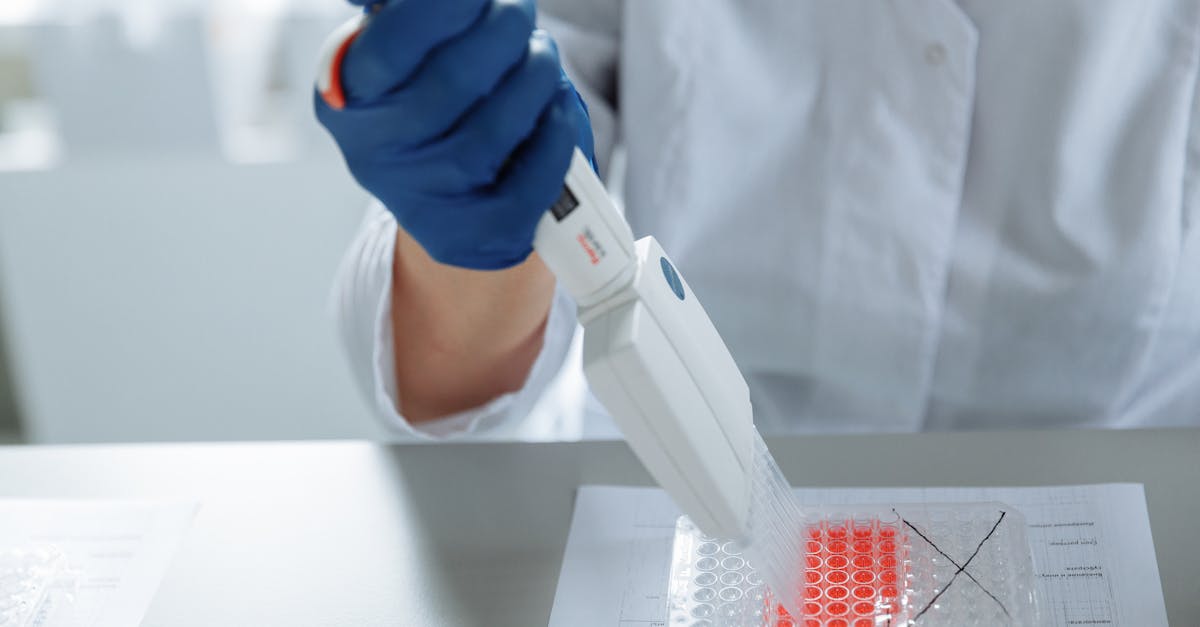
A key step is ligation, i.e., the attachment of the gene to the vector using an enzyme called ligase. This results in recombinant DNA, ready to be introduced into a cell. Transformation, the next step, involves introducing this DNA into bacteria, yeast, or even mammalian cells. At Pfizer and Roche, bacterial transformation is often used for the mass production of therapeutic proteins. Laboratory culture allows for the rapid multiplication of these modified cells, which will produce the molecule of interest in large quantities.
Precise cutting:
use of restriction enzymes
- 🧬 Controlled insertion:
ligation of the gene into the vector - 🧪 Efficient multiplication:
cultivation of transformed cells - 🔬 Selection and purification:
extraction of the final products - 🧴 There are also more recent techniques, such as PCR (polymerase chain reaction), which can amplify a specific gene in a few hours, or CRISPR-Cas9, which offers unprecedented precision for directly modifying an organism’s genome. These tools enhance the power of recombinant DNA and open new avenues for research.
For example, Cellectis and Molecular Partners have integrated CRISPR into their protocols to develop targeted gene therapies that attack diseases with previously unimaginable finesse. These advances make 2025 a year in which genetic manipulation has become more accessible, more precise, and more secure.
Discover the basics of recombinant DNA, a revolutionary technique that combines DNA segments from different sources. Explore its applications in biology, medicine, and agriculture, and understand how this technology is shaping the future of life sciences.
Concrete Applications of Recombinant DNA in Pharmaceutical Production in 2025
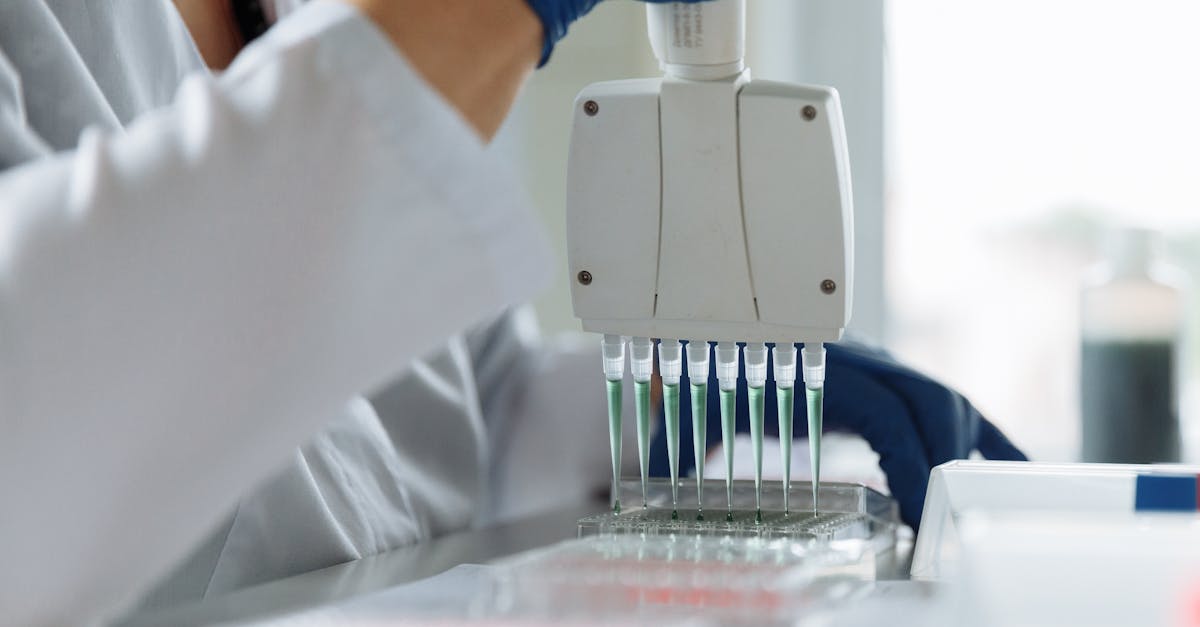
But that’s not all. The manufacturing of biotechnological drugs for rare diseases, such as certain types of leukemia or neurodegenerative disorders, also relies entirely on this technique. By 2025, companies like Amgen and Biogen, for example, will be using this technology to mass-produce monoclonal antibodies, essential for treating certain cancers or inflammatory diseases.
Here is an overview of the main applications:
Application
Description
| Example Company 🌟 | Recombinant Vaccines 💉 | Rapid Production of Viral or Bacterial Proteins |
|---|---|---|
| Pfizer, Sanofi | Gene Therapies 🧬 | Replacement or Correction of Defective Genes |
| Eli Lilly, Cellectis | Monoclonal Antibodies 🧫 | Targeted Treatment of Cancers or Inflammatory Diseases |
| Amgen, Roche | Ethical and Regulatory Challenges Facing Biotechnology in 2025 | With increased control over genetic manipulation comes a whole series of ethical concerns. The issue of human genome editing, for example, remains highly sensitive. While the CRISPR technique offers significant possibilities for treating diseases, it can also open the door to genetic modifications for “cosmetic” purposes or embryonic modification. Society must therefore ensure strict regulations are in place to prevent any misuse or dangerous use. |
Furthermore, the proliferation of GMOs (genetically modified organisms) in agriculture raises questions about biodiversity, food safety, and intellectual property. In 2025, regulations are still being adapted, with international agreements aimed at regulating these practices. Industries such as Novozymes and the agricultural biotech sector are particularly affected, allowing them to develop more resilient but also controversial crops. Respect for ethics 🌍
Safety of processing 🛡️
Protection of intellectual property 📝
- International governance 🌐
- All this shows that technological progress must be accompanied by a clear and thoughtful legal framework. Otherwise, the risk of ethical abuses or conflicts could slow or compromise these promising advances.
- Discover the basics of recombinant DNA, a revolutionary technology that allows DNA to be manipulated and analyzed for applications in biotechnology, medicine, and agriculture. Explore its advances and their impact on scientific research.
- The future outlook for recombinant DNA in 2025 and beyond
What is clear is that this technology will continue to evolve at breakneck speed. Researchers and companies in the sector, such as Molecular Partners and Sanofi, will invest in even more precise and less expensive tools. The convergence with artificial intelligence and big data makes it possible to design tailor-made genes or proteins to meet specific needs.
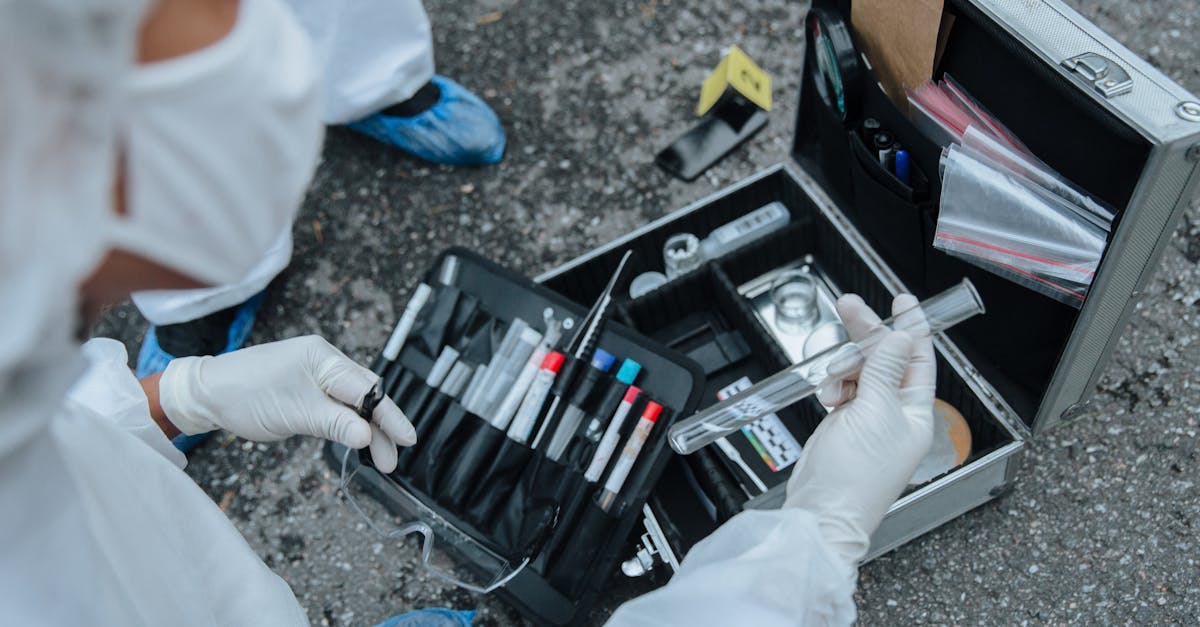
We must not forget the potential impact on agriculture. By 2025, controlled and well-regulated GMOs could produce crops resistant to extreme climates or capable of sequestering carbon more efficiently, thus helping to combat climate change. To this end, players like Novozymes are already collaborating on innovative projects in this field.
In summary, the future of recombinant DNA promises to be exciting, with applications in medicine, agriculture, and industry. The key to success will undoubtedly be integrating technical and ethical innovation to build a society where science benefits everyone.
The major companies shaping the future of recombinant DNA in 2025
More than ever, the sector is dominated by a few big names. Genentech, Amgen, Novozymes, Eli Lilly, Roche, Pfizer, Biogen, Sanofi, Molecular Partners, and Cellectis are at the forefront of innovation. Their strength? A combination of intense research, strategic partnerships, and investment in cutting-edge technologies.
For example, Genentech, a Roche subsidiary, is a leader in the production of monoclonal antibodies. Pfizer is investing heavily in personalized vaccines. Amgen and Biogen are developing gene therapies for complex diseases. Sanofi is also investing heavily in biotechnology to renew its drug portfolios.
Investments:
tens of billions of dollars in research
💰
- Partnerships: strategic alliances (e.g., Sanofi with Cellectis)
🤝 - Innovations: new molecules and treatments
🚀 - This dynamic landscape shows that in 2025, competition is fierce, but above all, it is driving innovation. The race for tomorrow’s recombinant DNA promises to be a collective adventure, with global health and well-being at stake. Frequently asked questions about the role of recombinant DNA in modern biotechnology
What is recombinant DNA? — It is a genetic manipulation technique that involves inserting, removing, or modifying specific genes in a living cell to create organisms or molecules of interest.
How is recombinant DNA used in medicine?
— Mainly to produce drugs, vaccines, gene therapies, or monoclonal antibodies, using the cells’ ability to express the inserted genes.
- What are the ethical challenges associated with this technology? — Editing the human genome raises moral questions, particularly regarding consent, use for non-medical purposes, and the risks of genetic drift.
- What is the future of recombinant DNA? — It looks promising, with advances in regenerative medicine, sustainable agriculture, and the fight against climate change.
- Which players play a major role in this field? — Companies like Genentech, Amgen, Roche, Pfizer, Sanofi, and innovative start-ups like Molecular Partners and Cellectis are at the forefront of this revolution.