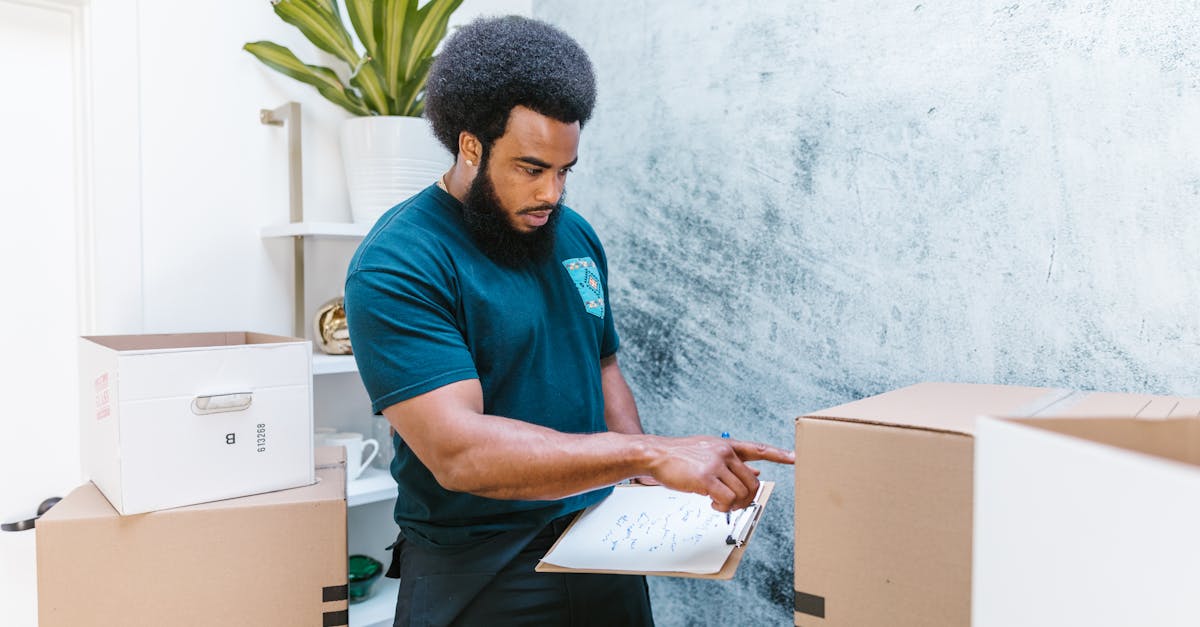
Discover how freight forwarders facilitate international logistics in 2025
In a world where global trade continues to grow, efficiently managing international shipments is becoming a major challenge for any business. Between complex regulations, tight deadlines, and the need to optimize costs, it takes true expertise to navigate this world. Here, freight forwarders play a key role, being the essential link to ensure that each shipment arrives safely, securely, and on time. These logistics professionals manage everything from customs paperwork to carrier selection, while offering solutions tailored to the specific needs of each commodity. In 2025, their role becomes even more strategic given the acceleration of flows and growing customer demands.
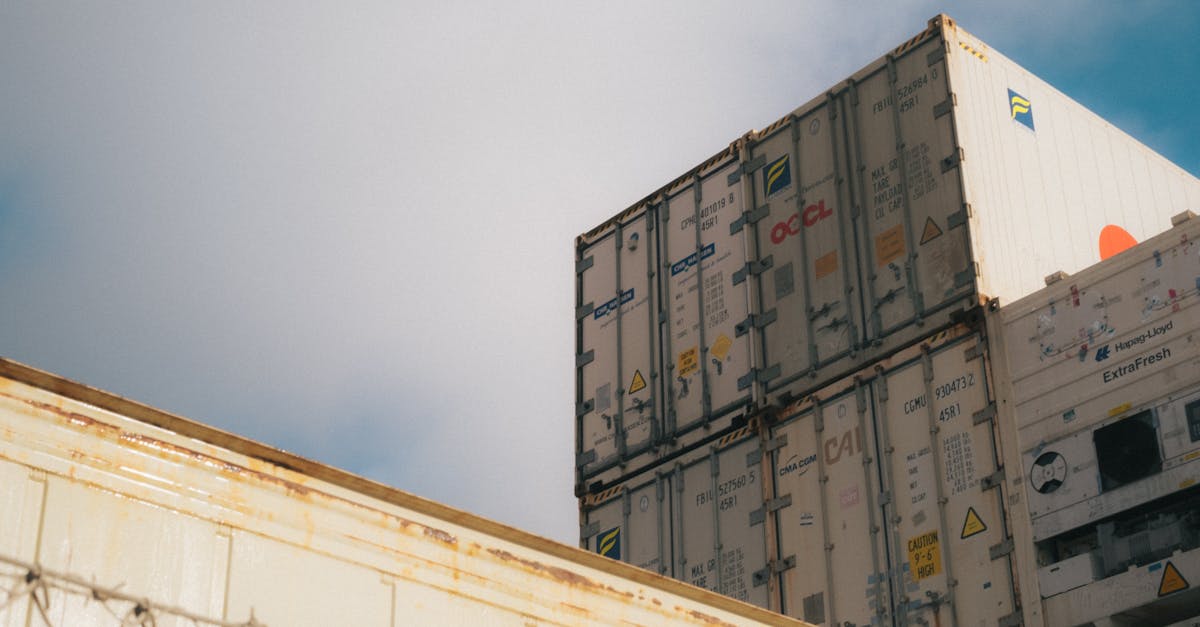
What is a freight forwarder and why is one essential? A freight forwarder, or freight agent, is a professional or company specializing in the organization and coordination of international shipments. Their primary goal is to simplify the logistics process for their clients, often businesses or online stores. The mission begins with a precise needs assessment to determine the best mode of transportation: air, sea, or land. They then handle all the often complex paperwork, such as customs documents, certificates, and commercial invoices. Essentially, they organize everything to prevent the shipment from getting delayed or lost en route.
The Essential Responsibilities of a Freight Forwarder in 2025
At a freight forwarder like DHL, Kuehne + Nagel, or Geodis, several activities are at the heart of their business:
🔍 Analysis of specific customer needs
- 📄 Preparation of all legal documents (bill of lading, commercial invoice, certificate of origin)
- 🚚 Selection of transport providers: cruise lines, airlines, or road hauliers
- 💰 Rate negotiation and cost optimization
- 📦 Consolidation and storage of goods
- 🔒 Management of customs formalities and international regulations
- 🔍 Accurate monitoring and regular communication with the customer
- Thanks to their expertise, they allow companies to focus on their core business while ensuring reliable and efficient delivery. Their role, while obvious, also relies on their ability to anticipate problems and navigate regulations that vary from one country to another. For example, compliance with the new European Union Customs Code, adopted in 2016, is an essential step in their daily operations. Mastering these formalities is now a true guarantee of security and fluidity for international trade.
What is the secret of a good freight forwarder? A range of perfectly mastered tools and documents. Among them, the bill of lading remains a pillar: it is a document legalizing the contract between the client and the carrier, while also providing proof of ownership of the goods.
Then there’s the packing list, essential for tracking the nature and quantity of the freight throughout its journey. The certificate of origin proves the product’s origin, often essential for benefiting from preferential customs tariffs. Not to mention the commercial invoice, which details the transaction and is essential for customs declarations. The Main Legal Obligations of Freight Forwarders in 2025
Obligation
Description
| Importance | Compliance with the 5CDU Code | Apply modernized customs formalities and ensure secure operations |
|---|---|---|
| 🛡️ Critical for compliance and smooth operations | Document Management | Prepare and maintain all necessary documents, from the bill of lading to the invoice |
| 🔑 Key to customs clearance and traceability | Customs Clearance and Regulation | Coordinate with authorities to ensure compliance and delivery |
| ⚖️ Essential to avoid delays or penalties | The Major Players in the Global Logistics Market in 2025 | Giants such as Bolloré Logistics, DB Schenker, Damco, Expeditors, TSE Express, and CEVA Logistics dominate the landscape. Their strength? A global network, advanced technical expertise, and a capacity for constant innovation. Integrating these players into your logistics strategy ensures you benefit from a robust organization capable of meeting future challenges. |
From their personalized shipping services to complete supply chain management, they offer door-to-door solutions, often combined with advanced technologies such as real-time tracking or artificial intelligence.
Key takeaways from these logistics leaders
🌍 Extensive global presence
🤖 Use of sophisticated technological tools
- 💼 Ability to manage all types of goods
- 📊 In-depth flow analysis and continuous optimization
- 🤝 Strong relationships with market players
- How to Choose the Right Freight Forwarder for Your Business in 2025
- Are you looking to optimize your supply chain? Choosing the right partner is not a matter of chance. Several criteria must be taken into account: reputation, experience, networks, pricing, but above all, their ability to adapt to your sector and specific requirements.
A good freight forwarder must also master Incoterms, the fundamental rules of international sales (more information on
How to Choose the Right Incoterm?
). This ensures that you clearly understand who pays what, what responsibilities you have, and how far each shipment is managed. Challenges and Trends in International Logistics in 2025The future of logistics promises to be exciting but fraught with pitfalls. In 2025, digitalization will accelerate everything, with the massive adoption of innovative solutions such as blockchain to secure transactions or artificial intelligence to optimize routes. To cope with the growth of e-commerce, the diversification of consumption patterns, and environmental challenges, freight forwarders must adapt quickly. Key trends include:
Trend
Description
Impact
| 🔗 Digitalization | Use of online platforms to track and manage all operations | 🌐 Greater transparency and efficiency |
|---|---|---|
| 🌱 Green logistics | Integration of eco-responsible practices throughout the supply chain | ♻️ Reducing carbon footprint |
| 🤖 AI and automation | Route optimization and automated management | 🧠 Saving time and reducing costs |
| How can freight forwarders adapt? | By investing in training and technology, and by building strategic partnerships, freight forwarders like those mentioned above can anticipate these changes. The key to success remains the ability to innovate while complying with environmental and regulatory standards. |


