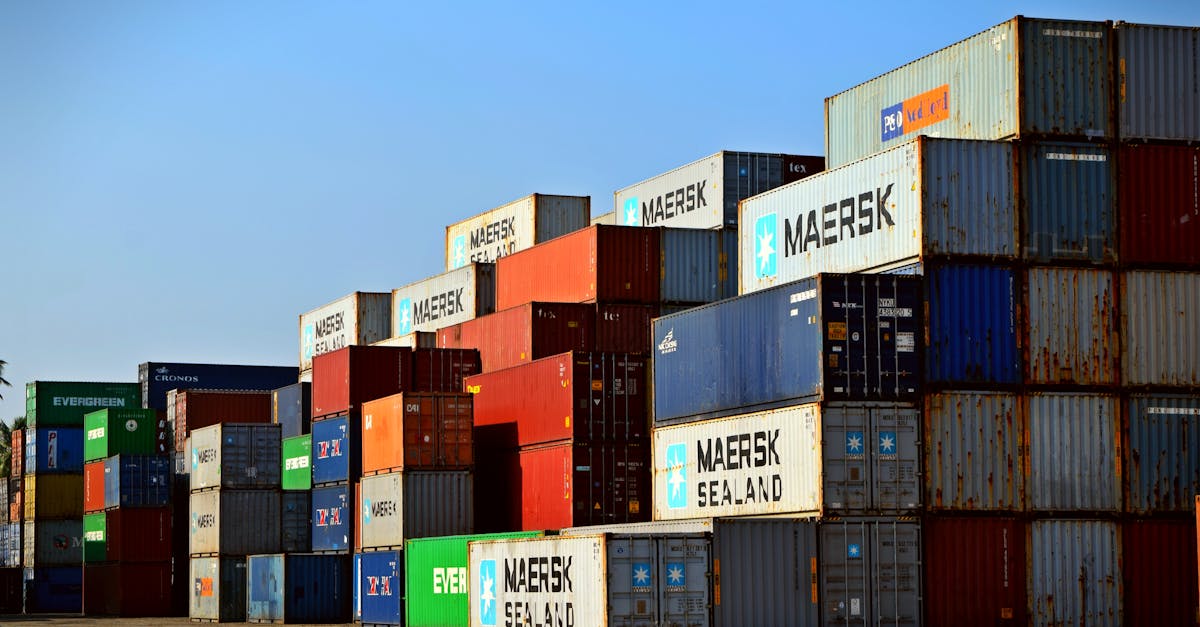
Importing goods in 2025 isn’t just about moving them from one country to another. It’s an entire regulatory, administrative, and logistical process, often complex, that must be mastered to avoid delays or additional costs. Customs clearance plays a crucial role in this process. It’s the final step, but also the most strategic, to ensure your goods enter the country legally and quickly. Whether you’re a small business or a player in international trade, knowing the key steps, essential documents, and tips for optimizing this procedure can make all the difference. Especially since, with the evolution of customs regimes and digital tools like DELTA G, 2025 marks a milestone in simplifying procedures. The importance of proper preparation and the benefits of collaborating with experts cannot be underestimated, whether they are freight forwarders like DHL, FedEx, UPS, or specialized operators like Kuehne + Nagel, Geodis, TSE Express, DB Schenker, GLS, or for LCL freight. All of this helps reduce costs, save time, and comply with regulations for successful customs clearance. So, what are the specific processes to follow and the documents you need to facilitate your imports in 2025?
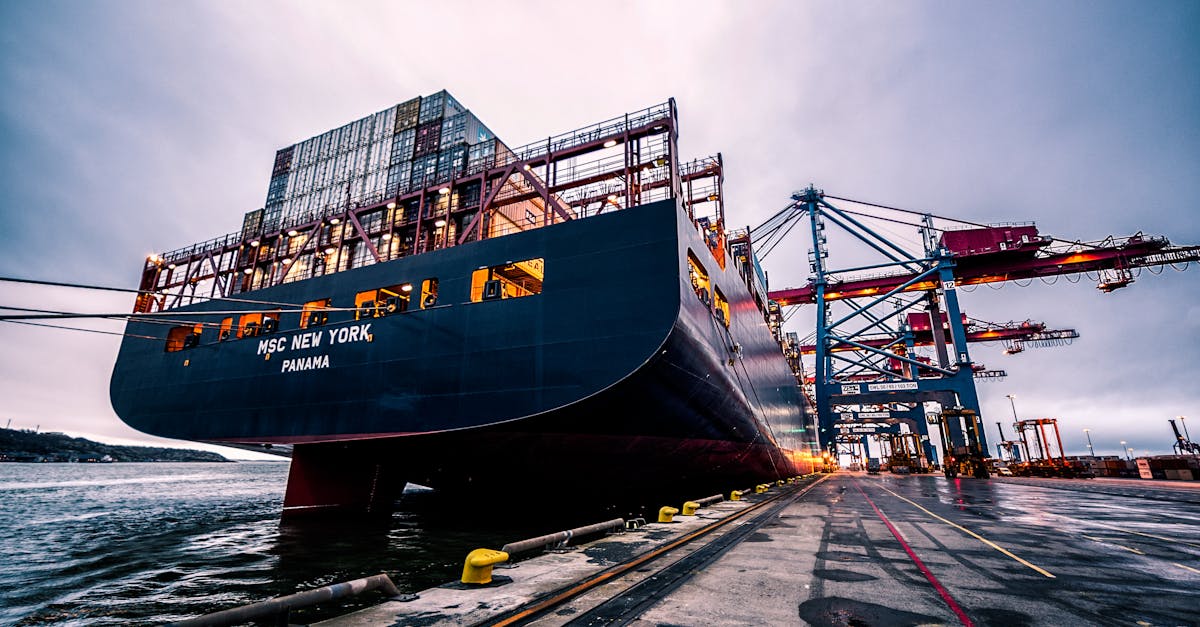
Customs procedures before shipping: why it all starts here
To ensure the importation goes smoothly, you shouldn’t wait for the goods to arrive to begin preparing your file. The preliminary part is essential. The first step is to properly classify your goods according to the Harmonized System (HS), a true global reference for identifying each product. In practice, each good is assigned a specific code; it’s a bit like a customs identity card. Incorrect classification can lead to errors in duty calculations or refusal of entry, so it’s best to seek professional help to ensure accurate classification.
But that’s not all. The customs value, which serves as the basis for customs duties and taxes, must also be established. The main rule, according to the WTO, is the transaction value, or the price paid or payable for the goods, but there are exceptions. A detailed understanding of this value, particularly in the case of transactions between related parties or special conditions, becomes a major challenge. You must gather all supporting documents: invoices, contracts, proof of payment, to be able to justify this value in the event of an inspection.
Several documents are also essential to ensure that your import complies with regulations: licenses, sanitary or phytosanitary certificates depending on the product, certificates of origin, etc. For example, if you are importing food or pharmaceutical products, this is a step that should not be overlooked. It is best to anticipate these procedures, as obtaining them can take several weeks or months, which can significantly slow down your operation if you don’t plan ahead.
- Accurate tariff classification ✅
- Accurate value determination 💰
- Obtaining licenses and certificates 📝
- Anticipating regulatory controls 🚨
Tools and references to get you started
To help you with this step, the platform Obtaining an EORI number is essential. This is the identification certificate required for all customs procedures. Furthermore, the support of a freight forwarder, such as the role of a freight forwarder, can save you valuable time. Finally, consulting the operations of the supply chain will allow you to better understand the entire process involved in your transaction. Discover our import and customs clearance services to facilitate your international trade operations. Benefit from recognized expertise in import clearance to ensure the compliance of your products while optimizing your time and costs. Formalities upon arrival of goods: a crucial step for stress-free customs clearance
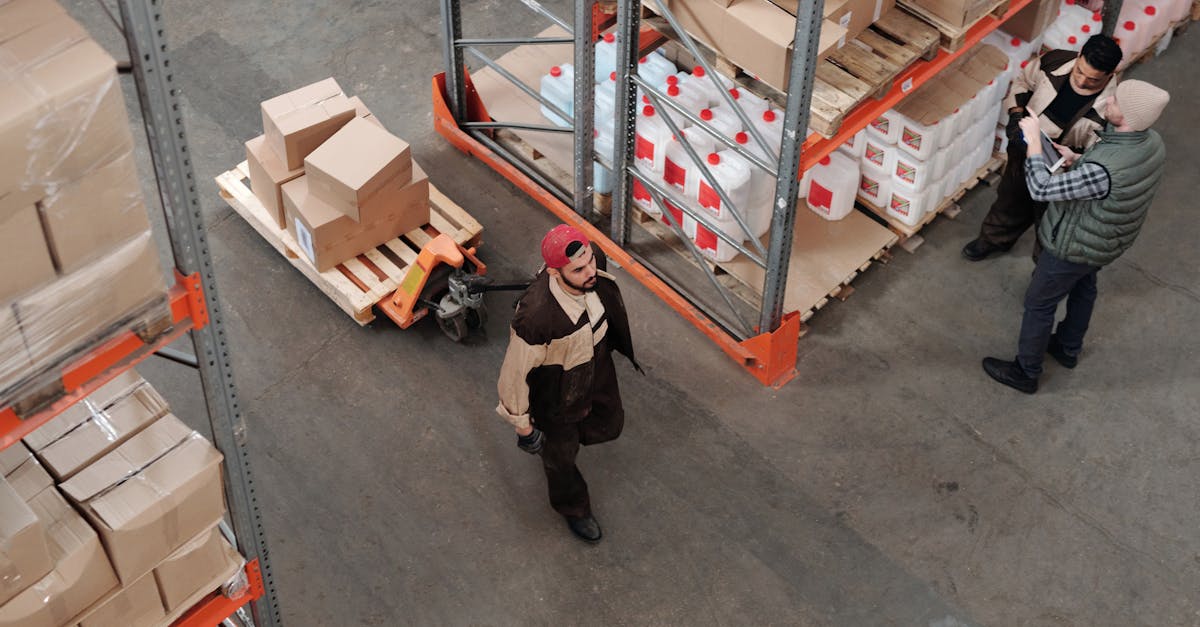
But the declaration isn’t the only step. Customs agents sometimes have the option of conducting a physical inspection. Cooperation is essential here. Random or targeted inspections are used to verify compliance between the declared and the actual goods. If a problem arises, you must be prepared to quickly provide all supporting documentation, such as invoices or certificates. It’s best to have a rigorous organization or use freight forwarders like Kuehne + Nagel, Geodis, or DB Schenker, to ensure this critical step runs smoothly.
Mandatory Payments to Finalize Customs Clearance
Once the inspection is complete, the SOPRANO system automatically calculates the applicable duties and taxes. These amounts must be paid to obtain final release of the goods. Depending on the payment method chosen, you can pay by bank transfer or direct debit. Most operators opt for facilities such as the ability to defer payment for 30 days, which is useful for ensuring cash flow. This demonstrates how effective declaration management and effective administrative follow-up are key to avoiding penalties or delays.
Key Steps
Description
| Online declaration via DELTA G 🖥️ | Detailed electronic registration of goods |
|---|---|
| Physical customs inspection 👀 | Verification of conformity and physical inspection |
| Payment of duties and taxes 💸 | Automatic calculation and settlement to release the goods |
| Specific customs regimes for tailored operations | Depending on the nature of your import, special regimes can be much more advantageous. The temporary admission regime, for example, authorizes the importation of goods for a specific period without immediate payment of duties, ideal for samples or professional equipment. |
For more complex operations, inward processing allows raw materials to be processed while suspending duties and taxes before re-exporting the finished products. This solution is particularly appreciated by exporting manufacturers and industrialists. Transit, often under a TIR carnet, facilitates the transport of goods under customs control across several countries without having to stop at each border.
Temporary admission 🕒
: samples, trade fair equipment
- Inward processing ⚙️ : on-site processing
- TIR transit 🚛 : fast and secure international transport
- Other regimes ⚖️ : customs warehousing, among others
- The benefits of familiarizing yourself with these regimes Using the procedures adapted to your project can significantly reduce your costs and save time. These regimes require good management and often the support of an experienced freight forwarder such as GLS or UPS to comply with all conditions and optimize your operations. Discover our import and customs clearance services to facilitate your international trade. We support you through every step of the clearance process, ensuring fast and compliant delivery.
Solutions in the event of a customs dispute or litigation: avoiding a crisis
Despite careful preparation, disputes with customs can still arise. The key to limiting their impact is knowing your options. The first step is to file a complaint within two months with the DGDDI (Directorate General for International Trade and Development) if you believe a decision is incorrect or unfair. This step must be accompanied by all supporting documents.
Written complaint to the DGDDI 📝
Settlement procedure 💼
Referral to the administrative court ⚖️
- Tips to reduce the likelihood of litigation
- Maintaining impeccable documentation, scrupulously complying with all regulations, and calling on experts such as Geodis or DB Schenker are all actions that minimize risks. Transparency and dialogue with customs also facilitate the amicable resolution of disputes.
- Certifications and tools to secure and optimize customs clearance in 2025
Increasing efficiency requires certification processes and digital tools. Authorized Economic Operator (AEO) status is a trump card. Obtaining this recognition, after an audit, gives you access to simplified controls, reduced processing times, and accelerated procedures. More than just an advantage, it’s a necessity for companies engaged in international trade.
The National Single Window (NSW) centralizes all your procedures, from customs clearance to health certificates and financial settlements. It avoids the need for multiple files and saves time. Special mention also goes to the advanced customs risk management systems, which automate the detection of potential issues. By combining these tools with efficient logistics provided by UPS or Geodis, you secure every step of your import process.
Best practices to stay ahead of the curve
Obtaining AEO status 🛡️
: certification for optimal compliance
Use the GUN 🔑
- : a single platform to simplify formalities Adopt proactive risk management 📊
- : tools to anticipate and correct Collaborate with reliable partners 🚀
- : FedEx, GLS, Kuehne + Nagel, for seamless logistics Frequently Asked Questions (FAQ) about import customs clearance
- What documents are essential for successful customs clearance?The commercial invoice, certificate of origin, bill of lading, customs declaration, and, depending on the product, licenses or health certificates.
How can you avoid delays during customs clearance?
- By preparing the classification and customs value in advance, and by collaborating with an experienced freight forwarder or customs broker such as TSE Express or DB Schenker. What are the advantages of AEO status?
- Simplified procedures, reduced inspections, shorter delays, and greater security during customs clearance. How to handle a customs dispute?
- By filing a claim, attempting a settlement, or by taking the matter to the administrative court if necessary.


