
In 2025, the debate between organic and conventional agriculture remains more relevant than ever. On the one hand, organic agriculture attracts attention with its supposed benefits for health, the environment, and animal welfare. On the other, conventional agriculture is often criticized for its higher yields and intensive practices. Yet, what does science really say about these two approaches? Is organic a miracle solution or simply an ecological fad? Given the economic, environmental, and health challenges, it is crucial to accurately analyze the truths, myths, and limitations of each model.
The fundamental differences between organic and conventional agriculture: intervention methods and impacts
The main distinction is evident in the approach adopted by each system. In practice, this translates into the use or absence of chemicals, soil management, bird life, and animal welfare. In addition to these technical differences, each model has its own specific impacts on biodiversity, water quality, and human health. To better understand, we must examine the regulatory contexts, practices, and, above all, scientific results.
| Aspect | Organic Agriculture | Conventional Agriculture |
|---|---|---|
| Chemical Interventions | Ban on pesticides, chemical fertilizers, GMOs | Regular use of pesticides, chemical fertilizers, and GMOs is often authorized |
| Cultivation Practices | Respect for the soil, rotation, composting | Optimization for yield, sometimes with little respect for biodiversity |
| Environmental Impacts | Promotes biodiversity, reduces pollution, more stable fertility | Increased pollution, risk of soil degradation, water pollution |
| Animal Welfare | Access to the outdoors, low stocking densities, feed mainly from the farm | Variable conditions, sometimes total lockdown, industrial food production |
| Yields | On average 85% of conventional production, but with room for improvement | Often higher, depending on the crops and techniques used |
The organic market in 2025: a changing sector, but at what cost?
For several years, growth in the biodynamic sector has not been what it used to be, partly due to recent stagnation. In 2024, we are seeing moderate growth of +0.8%, which reflects a certain caution on the part of consumers. In some regions such as Occitanie, growth is slightly more dynamic (+2%), but the majority of producers remain vigilant, worried about a fragile market and profitability issues. Large-scale retailers play a central role, with the gradual integration of organic products into chains such as Carrefour, Leclerc, Biocoop, and Naturalia, which offer a wide range of organically grown products. To understand this evolution, it’s important to understand the challenges related to yields. Studies, such as those from the “DOC” trial in Switzerland, show that, even after nearly 50 years, organic farming does not always achieve the same productivity as conventional agriculture. However, there are sectors where the gap remains small or almost nonexistent, such as in the case of soybeans used for animal feed. The key may lie in innovation, plant breeding, or the sustainable management of natural resources.
Discover organic farming: a sustainable farming method that preserves the environment, promotes biodiversity, and produces healthy food without the use of chemicals. Learn the benefits and practices of this nature-friendly approach.
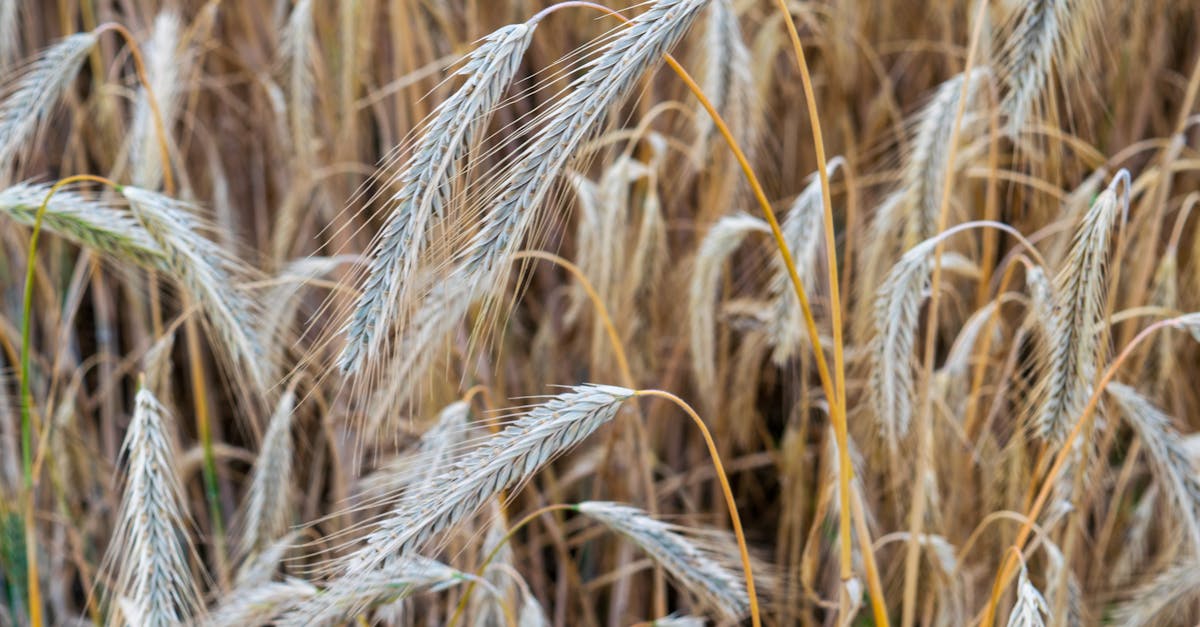
An argument often put forward against organic farming concerns its low yields. Indeed, many believe it is impossible to feed a growing global population with this production method, due to productivity losses of 0% to 50% depending on the crop. However, the reality is more nuanced. According to the Swiss study, average organic yields reach 85% of those obtained with conventional farming. This remains high, especially considering that these systems promote soil fertility and biodiversity in the long term.
But in reality, certain crops such as potatoes and wheat experience greater differences. The question therefore is: can we really ignore these differences if we want to ensure global food security? The answer could lie in diversification, agroecological techniques, or the reappropriation of farmland by local stakeholders. Research in plant breeding and soil management could also significantly improve these yields. Crop
Organic yield (t/ha)
| Conventional yield (t/ha) | Wheat | 3.0 |
|---|---|---|
| 3.5 | Potatoes | 20 |
| 23 | Soybeans | 3.2 (adapted variety equivalent) |
| 3.2 | Environmental issues: Is eco-responsibility a double-edged sword? | Some criticize conventional agriculture for its environmental impact. Pollution, soil depletion, water pollution, and loss of biodiversity are integral parts of this. The intensive use of pesticides or chemical fertilizers increases the risk of contamination, often denounced by NGOs and environmental agencies. |
On the other hand, organic farming offers a solution for the future with its diversified systems that preserve soils, promote biodiversity, and limit pollution. But here again, nothing is perfect: for certain treatments such as copper sulfate, used to combat diseases, soil or water pollution can remain a concern.
🌱 Promotes biodiversity and soil health
🚱 Significantly reduces the risk of groundwater pollution
- 🌍 Limits the use of synthetic chemicals
- The deployment of innovations such as nutrient recycling or sustainable soil management could improve these results. The Water Management in Agriculture platform shows that simple but effective techniques could reduce dependence on chemical inputs.
- Discover the benefits of organic farming, an environmentally friendly method that prioritizes sustainability, biodiversity, and product quality. Learn how it positively impacts our health and our planet. Animal Welfare, a Key Criterion in Organic Farming
Consumers are increasingly sensitive to how animals are treated in agricultural systems. Organic certification requires access to the outdoors, low stocking densities, and feed primarily sourced from the farm, which often creates living conditions that are closer to natural conditions. But here again, there is controversy: some cautious farmers fear that these formal requirements will impact profitability. However, scientific consensus tends to show that animal welfare also promotes product quality—eggs, meat, or milk. This is a key point in promoting more responsible agriculture, particularly in the context of the platform “Reducing Pesticides, Sustainable Solutions.” 🌸 Access to the outdoors and a natural space
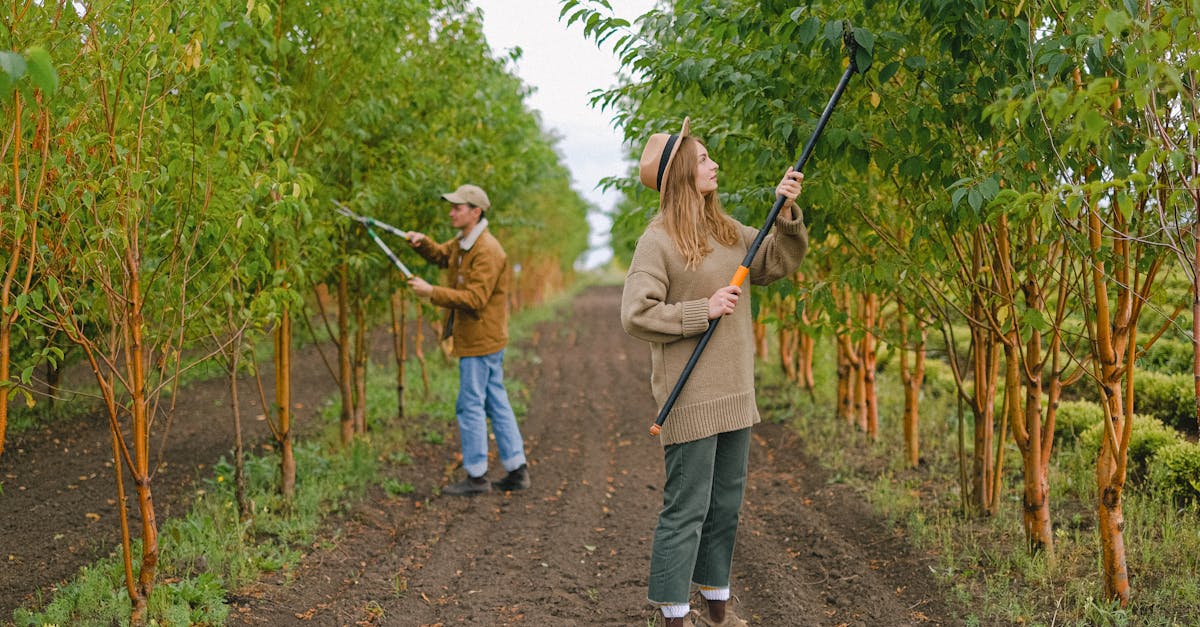
🍃 Healthy and Local Food
Innovative Practices to Strengthen the Future of Organic Farming
What if the rise of organic farming could benefit from innovation? Plant breeding, nutrient recycling, crop rotation, and strip cropping are all strategies that could increase productivity while respecting the environment. The Agroecology and Soil Conservation platform details these innovative approaches. Experiments in controlled environments or in open fields, such as those at the Terre de Liens estate, show that integrating perennial crops or techniques such as underseeding can make a difference. Research on phosphorus recycling, particularly from wastewater or food waste, also opens up prospects for a more sustainable production method.Discover organic farming: an environmentally friendly farming method that promotes biodiversity and soil health. Learn how it contributes to sustainable food and the preservation of our planet.
- How can we support young farmers in the ecological transition? The rising generation faces a crucial challenge: reassuring and supporting those who want to engage in sustainable agriculture. The “Start a Young Farmer” platform offers concrete avenues: tailored training, microcredit, technical support, and promoting short supply chains with organizations such as AMAP (Community-Based Agriculture and Rural Development) and Terre de Liens (Terre de Liens). To successfully achieve this transition, it is also necessary to promote the revaluation of farms, make the sector more attractive, and encourage the adoption of agronomic practices that respect biodiversity and the climate. This shift can also involve retraining, as proposed by the “BTS ACSE” (Higher National Diploma in Agricultural Studies) and retraining in agriculture.
- 🤝 Technical training and support
- 🌿 Financial incentives and microcredit
🌱 Promoting short supply chains
The limits and prospects of sustainable agriculture research in 2025 While the potential is immense, research faces historical and financial constraints. Efforts over the past 70 years have still primarily favored conventional agriculture, leaving organic farming in a position of adaptation. However, significant advances have been made in plant breeding, nutrient recycling, and innovative cultivation techniques to meet the challenges of tomorrow. And to go further, many institutes such as FiBL and Agroscope are promoting an approach based on open science, collaboration with local stakeholders, and applied research. The goal? To make agriculture more resilient to climate change, while ensuring global food security.
Frequently Asked Questions (FAQ): Everything you need to know about organic and conventional agriculture in 2025

2. What are the main levers for reducing the environmental impact of agriculture?
Adopting agroecological techniques, recycling nutrients, limiting pesticide use, promoting biodiversity, and recycling water. The Water Management in Agriculture platform shows that these options are concrete and accessible. 3. Is animal welfare truly improved with organic farming? Yes, animal living conditions are generally superior in organic farming. Access to the outdoors, low density, and quality feed play a fundamental role in the health and happiness of these animals, also contributing to the quality of production.