The fundamentals of manufacturing a vaccine in a controlled environment
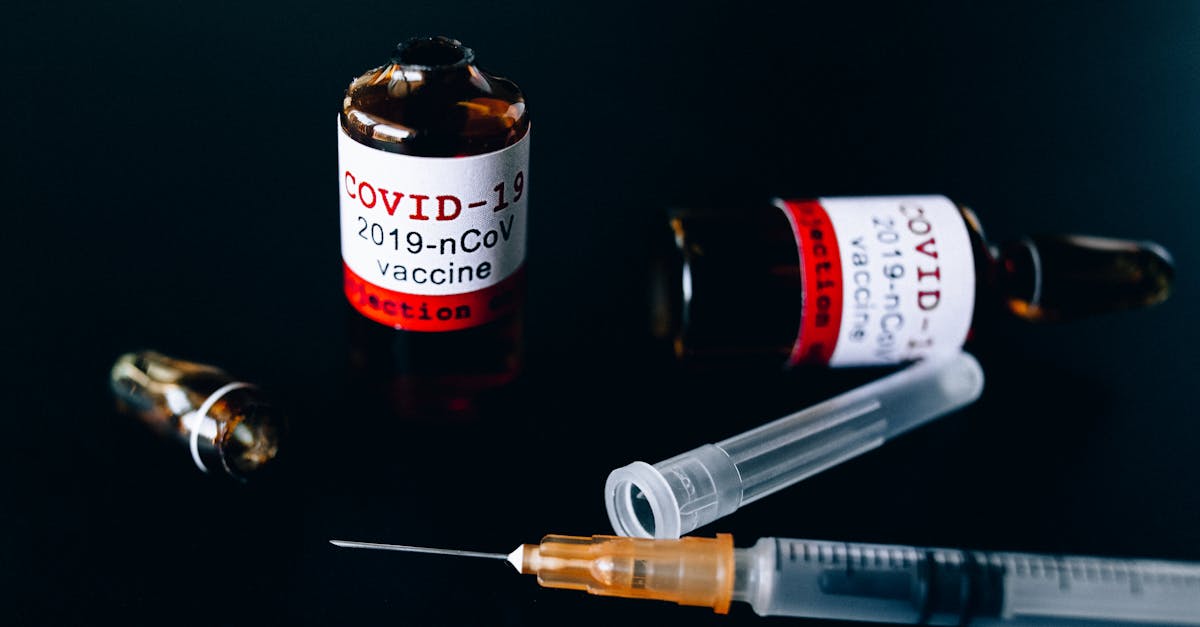
The production of a vaccine is a complex process that requires rigor, precision and a perfectly controlled environment. From initial research to availability in pharmacies, each step must meet strict standards to guarantee the safety and effectiveness of the final product. In 2025, with the rise of pharmaceutical giants like Sanofi, Pfizer, Moderna and even AstraZeneca, the ability to control each phase is more critical than ever, especially in the face of the global pandemic and the need for innovative vaccines. The manufacturing journey integrates various key stages, including the creation of a germ bank, microbial culture, inactivation or attenuation of the virus, without forgetting the quality controls surrounding each stage.
How research defines vaccine composition
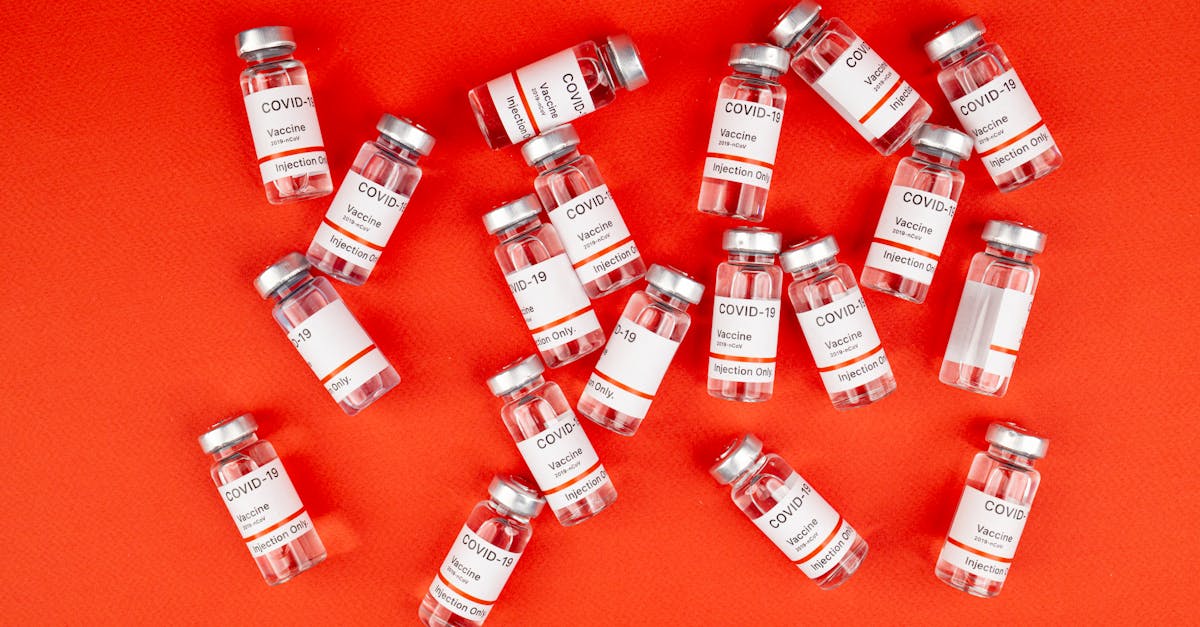
Before starting manufacturing, we must understand what we want to build as a vaccine. Scientific research, in specialized centers or in partnership with large companies such as GSK Or Rockplays a decisive role. It determines whether the vaccine will be based on an attenuated virus, a protein, or a synthetic antigen. The key lies in a crucial step: the precise identification of the antigens that will stimulate our immune system. We cannot afford to make mistakes, as an ill-chosen antigen could compromise its effectiveness. This requires in-depth study of the original viruses or bacteria, often using modern biotechnology. Genetic engineering techniques, such as those available at BTS Biotech, are emerging as innovative levers for producing specific and safe antigens. This research thus makes it possible to define the molecular basis of the future vaccine, a crucial step before initiating manufacturing. Discover the latest advances in vaccine production, a crucial step in strengthening public health. Explore innovative technologies, manufacturing processes, and the importance of vaccines in the fight against infectious diseases. Examples of concrete case studiesThe hepatitis B vaccine, based on a surface antigen synthesized by yeast (source: BPL Biotechnologie)
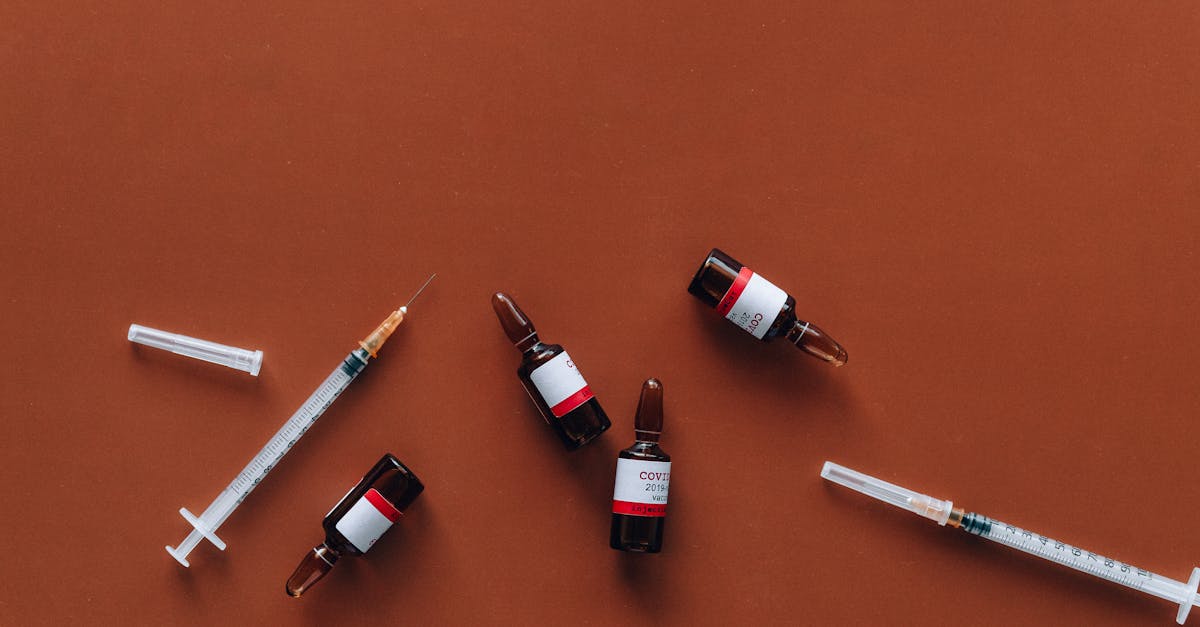
The pneumococcal vaccine, using purified polysaccharide antigens produced using advanced biotechnology techniques.
- How to build a germ bank for vaccine manufacturing An essential step is to gather a collection of germs—viruses, bacteria, or yeast—that will serve as a basis for manufacturing. Building a germ bankmust follow very strict aseptic rules, particularly to avoid contamination. Strain selection depends on the type of vaccine being considered. For example, for a live attenuated vaccine like the one against smallpox, the strain must be non-pathogenic to humans, yet immunogenic. Vaccine production follows several methods, including successive passages in culture or chemical techniques to limit virulence. The stability of this library is fundamental and must be regularly checked, as any failure could compromise the quality of the resulting vaccine. In development, some laboratories, such as Pfizer and Moderna, are exploring the production of strains through genetic engineering, aiming to reduce costs and improve safety. The stability of the strains must guarantee their identity, safety, and ability to produce a consistent immune response.
- Discover the fascinating process of vaccine production, from initial research to large-scale manufacturing. Explore modern technologies and the importance of vaccines in the fight against infectious diseases. List of key steps in preparing a germ bank:
- Selection of the optimal strain
🎯
Culture in a sterile, temperature-controlled environment 🔥 Verification of genetic and immunogenic stability 🔬 Low-temperature storage for preservation ❄️Contamination and identity control
Step
- Description
Objective - Selection
Choice of the most effective and stable strain - Ensure vaccine reliability
Culture - Propagation in a controlled environment
Obtain sufficient numbers of germs - Verification
Stability and identity control
| Ensure compliance | The precise steps in the biological manufacture of the vaccine | Once the germ bank is established, the actual manufacturing process begins. The first step involves cultivating the germs in a controlled environment. This step may vary depending on the type of vaccine. Live attenuated vaccines, such as those against yellow fever or measles, require additional attenuation to reduce their virulence. For others, such as the injectable polio vaccine, the viruses must be inactivated using chemical or thermal processes. Germ purification is a crucial step. It removes all cellular debris, retaining only the antigenic portion needed to activate the immune system. These operations must be carried out in sterile facilities, under extreme vigilance in terms of quality control. The use of modern techniques, such as filtration or centrifugation, allows for the production of highly pure products. Biological manufacturing also involves the addition of substances such as adjuvants or stabilizers, which are essential for strengthening the immune response. At this stage, purity, efficacy, and safety tests are systematically performed. Main processes in biological manufacturing: |
|---|---|---|
| Cultivation of the virus or bacteria in a specific nutrient medium | 🌱 | Inactivation or attenuation depending on the type |
| 🧪 | Purification by filtration or centrifugation | 🔎 |
| Adding adjuvants, stabilizers, or other excipients | 🧴 | Systematic quality controls |
✅
Strict controls throughout the manufacturing chain The manufacturing process doesn’t end with biological production. Everything must be checked, monitored, and validated multiple times.Quality
The quality of each batch is subject to very strict controls. Safety, efficacy, and purity tests must be validated before distribution. Quality controls are carried out in laboratories under certified conditions, with personnel trained in strict sterility rules. This approach prevents contamination, deterioration, or the production of an inadequate vaccine. In Europe, regulations require a release procedure by the ANSM (French Agency for Medical Devices and Health Products), ensuring that each batch is compliant. Traceability of each step is essential, particularly for vaccines produced by major players, such as good manufacturing practices. For example, during the manufacture of the seasonal flu vaccine, each new batch must follow strict specifications and undergo extensive laboratory testing. Safety is paramount to avoid any unexpected adverse reactions. Key steps in quality control:
- Verification of raw materials
🔍 - Contamination detection test
🦠 - Immunogenic efficacy analysis
🧪 - Validation of the manufacturing process
✅ - Final inspection of the finished product
🎯
Control
Objective Frequency Sterility test Ensure the absence of contaminationAt each critical step
Efficacy test
- Verify the immune response
Before release - Purity test
Eliminate any parasitic or bacterial contamination - On each batch
International quality control and marketing - By 2025, the marketing of vaccines requires standardized controls internationally. After laboratory validation, each batch must follow a regulatory release procedure, notably by the ANSM (French Agency for the Safety and Health) or the EMA (European Medicines Agency) in Europe. Major players such as Pfizer, Moderna, Sanofi, and AstraZeneca
, must produce a large number of batches to meet increased global demand. European regulations require certification for each batch, including rigorous testing, including stability, purity, and efficacy. This strict control prevents the distribution of contaminated or ineffective vaccines and ensures confidence in vaccination. The complexity increases with the development of combination or mRNA vaccines such as those from the Moderna or Pfizer platforms, which require highly advanced production equipment. Traceability and transparency in production are essential to meet global public health challenges. - The challenges of final control:
Verification of regulatory compliance
| ⚖️ | Long-term stability testing | 🕰️ |
|---|---|---|
| Ensuring efficacy and safety | 💉 | Traceability of the entire process |
| 🔗 | The specific features of the seasonal flu vaccine | The flu vaccine is a particular example. The need to renew it annually is due to the high variability of circulating viral strains. The vaccine’s composition is determined by global reference centers, which analyze the virulence and antigenic variability of viruses. Upon receiving recommendations from the World Health Organization, laboratories such as BTS Biotech |
| or the Novartis R&D division, must produce a new vaccine within a very short timeframe—generally less than 6 months. Manufacturing must therefore call upon all technological expertise to achieve an optimal immune response. Furthermore, production must follow very strict controls, as an incorrect choice of strains can lead to inefficiency. The ability to quickly produce several million doses while meeting these criteria is key to coping with an epidemic season. Logistics and inventory management also play a strategic role in ensuring maximum availability. | Major challenges related to seasonal influenza: | Matching the composition with viral circulation |
🦠
Speed of manufacturing and distribution 🚚 Globally coordinated organizations 🌐Enhanced quality controls 🔬Risks and precautions during manufacturing in a sterile environment Producing vaccines in ultra-sterile facilities is a delicate task. The slightest contamination can render the entire batch unfit for consumption, or even dangerous. Managing health risks requires ISO 5 or ISO 7 clean rooms, a specially trained team equipped with sterile clothing. Process control must be complete to avoid any errors, particularly during filtration, centrifugation, and storage operations. Continuous staff training, equipment validation, and process validation at each stage are essential pillars. For example, during the manufacture of the measles vaccine, the slightest contamination could compromise a large quantity of vaccines intended for global immunization. Prevention is essential, particularly through visual inspection, microbiological testing, and continuous monitoring of environmental conditions. Regulatory compliance, particularly with Good Manufacturing Practices (GMP), is key to limiting these risks. Fundamental principles of safety in manufacturing:Regular equipment validation 🛠️Constant monitoring of environmental parameters 📊 Extreme staff hygiene
🧴
- Strict maintenance and disinfection protocols
🧹 - Complete traceability system
🔎 - FAQs on vaccine manufacturing in a controlled environment
What are the main challenges in vaccine production? - Controlling sterility, strain stability, and compliance with regulatory standards remain the major issues to ensure a safe and effective vaccine.
How long does it take to manufacture a vaccine?
Generally, it can vary from 6 months for the seasonal flu vaccine to up to 3 years for a complex vaccine such as those against diphtheria or pneumococcus.
How can quality be guaranteed throughout the manufacturing process? Through rigorous monitoring, regular testing, process validation, and exemplary traceability, while adhering to Good Manufacturing Practices (GMP). Do new techniques such as genetic engineering facilitate production?
Yes, they reduce costs, improve safety, and accelerate manufacturing, particularly for recombinant vaccines such as those against hepatitis B.
- Why are controls so important?
Because vaccines are directly linked to public health, an error can cause serious effects, hence the need for constant controls at every stage.