Why pursuing additional training in microbiology can make all the difference
Discovering microbiology isn’t just about mastering a few basic concepts or obtaining an initial degree. With the rapid development of life sciences and the emergence of new health threats, it’s becoming essential for professionals in the field to continue expanding their knowledge. 🧬
Additional training offers a unique opportunity to deepen your knowledge, integrate specialized skills, and access positions of responsibility. From academia to applied research or the pharmaceutical industry, it allows you to stay at the forefront of innovation. 🔬
In this dynamic world, what options are really available to you? How do you choose the training that matches your ambitions? And above all, how can these paths make all the difference in your career? Ready to explore this fascinating universe? Let’s go! 🚀
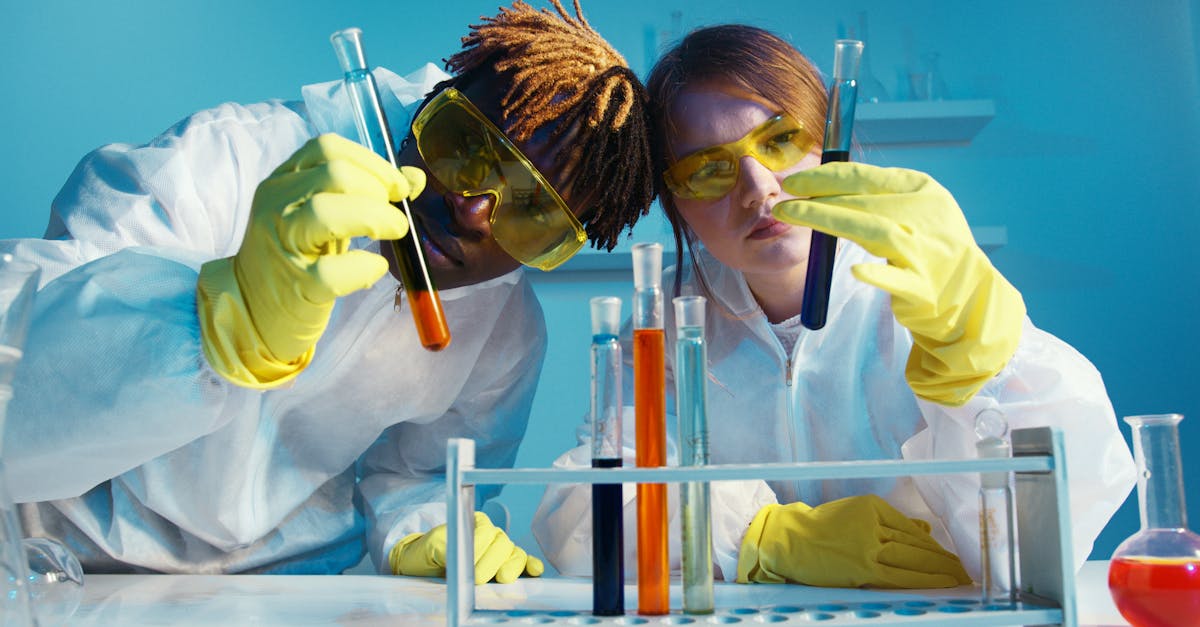
What microbiology training courses are available to deepen your fundamental skills?
If you really want to master the basics of microbiology, there are several specialized programs that go beyond a simple beginner’s certificate. Here, the goal is not only to understand the difference between bacteria and viruses, but also to learn how to intervene in research, production, or diagnostics. 🧫
This type of training provides concrete skills that are highly sought after in the professional world. For example, one can pursue a Master’s degree in Biotechnology with a specialization in microbiology, offered by institutions such as the University of Montpellier or AgroParisTech. These programs often include modules on culture, genetic manipulation, or environmental microbiology. 🌱
Popular options include:
- Specialized university diplomas (D.U.) in applied microbiology
- Short professional training courses focused on laboratory techniques
- Specialization certificates offered by the École Normale Supérieure or the Institut Pasteur
The benefits are numerous: access to modern techniques, mastery of diagnostic tools, and the opportunity to contribute to innovative research projects. For those who wish to work in disease diagnosis or vaccine research, these programs are essential. 📈
| Type of training | Duration | Main objectives | Institutional examples |
|---|---|---|---|
| Master’s degree in microbiology | 2 years 🎓 | Research, development, diagnostics | University of Strasbourg, AgroParisTech |
| Professional certificate | 3 to 6 months ⏳ | Laboratory techniques, rapid diagnostics | Institut Pasteur, INRAE |
| Continuing education | Variable | Updating skills, new techniques | École Nationale Supérieure de Biotechnologie |
How to choose the best training program for you?
You must start by clearly defining your objectives. If you are aiming for a career in research, it makes sense to pursue a master’s or doctorate from a prestigious university. However, for rapid entry into industry, a short program may be sufficient, while remaining highly practical. 💡
It’s also important to consider the course content, the institution’s reputation, and its compatibility with your schedule. For example, the Université Paris-Saclay often offers hybrid programs, allowing you to combine practical and theoretical work without compromise. 📚
Another crucial point is the professional network associated with the program. Participating in seminars, conferences, or internships with partners such as the Institut Pasteur or the Research Institute for Protein Biology and Chemistry can be decisive for your future. 🌟
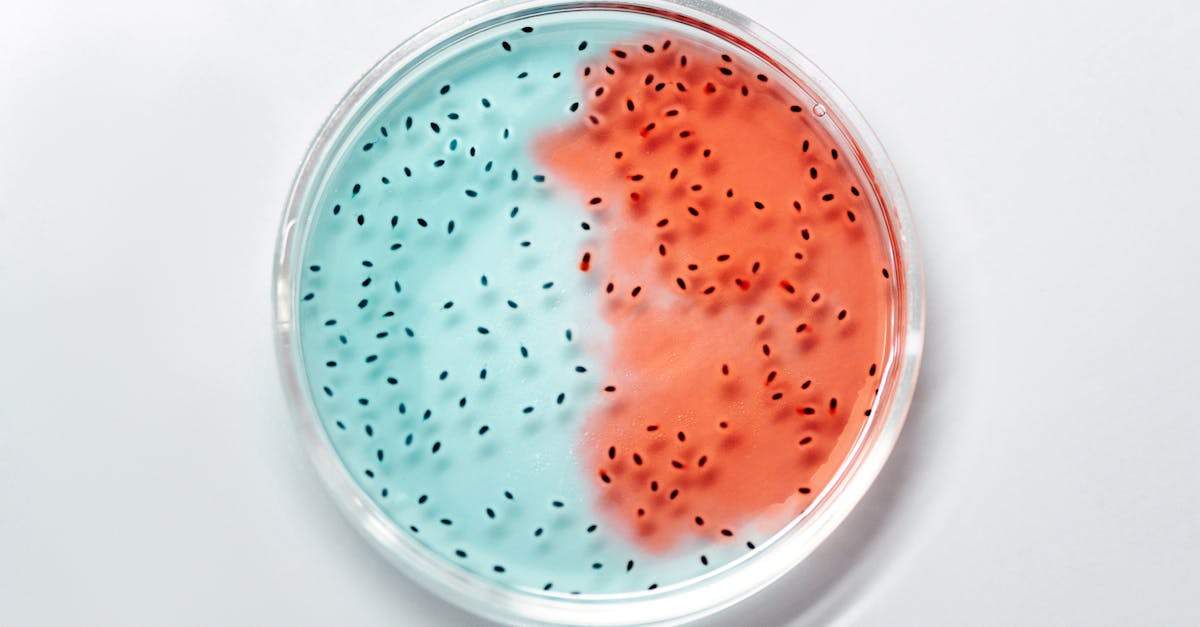
The health and research sectors need specialists capable of addressing current challenges, such as the emergence of new infectious diseases or antibiotic resistance. 🦠 Thus, pursuing specialized training can open the door to numerous career opportunities.
These programs include:
Diplomas in medical microbiology, often offered by the Institut Pasteur or the Université Claude Bernard Lyon 1
- Programs in environmental microbiology, key to combating pollution or managing biomonitoring
- Training in industrial microbiology to improve vaccine or drug production
- These programs provide advanced skills, such as handling pathogens, molecular diagnostics, or developing new therapies. Let’s not forget that in the current context, mastering these skills is essential for public health. 💉
Specialization
| Main Institutions | Typical Duration | Fields of Application | Medical Microbiology |
|---|---|---|---|
| Institut Pasteur, University of Montpellier | 1 to 2 years 🎓 | Clinical, diagnostics, biomedical research | Environmental Microbiology |
| University of Strasbourg, AgroParisTech | Variable | Pollution, bioremediation, biomonitoring | Industrial Microbiology |
| École Nationale Supérieure de Biotechnologie | 1 year | Vaccine production, biotechnology | Entering Research or the Medical Sector: Which Pathways Should You Choose? |
For those who want to pursue research or work in a hospital setting, it is essential to target programs recognized for their quality. For example, the University of Montpellier offers a specialized Master’s degree in Medical Microbiology, ideally suited for a career in biomedical research or clinical laboratories. 🔍
Degrees in microbiology applied to health often also offer internships in partnership with hospitals or research centers, which is a real added value. The key is to enroll in programs that also lead to international certifications or participation in European or global projects. 🌍
Discover the fascinating world of microbiology, the study of microorganisms that influence our health, the environment, and industry. Learn how these invisible organisms play a crucial role in biodiversity and biotechnological applications.
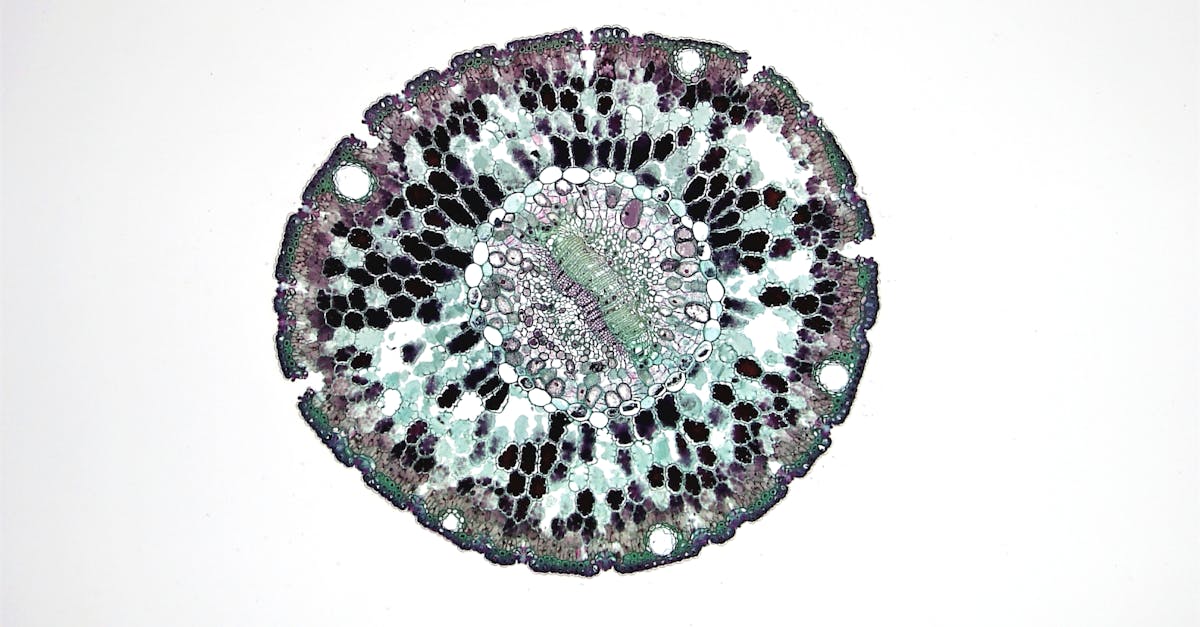
In a world where biotechnology is advancing at a breakneck pace, microbiology occupies a central place. Whether for the development of new vaccines, the development of biofuels, or the manufacturing of drugs, companies are seeking increasingly specialized profiles.
To prepare for these challenges, it is necessary to consider very concrete training:
Programs in industrial microbiology or biotechnology. The École Normale Supérieure and INRAE often offer advanced programs, integrating genetic manipulation, fermentation, and bioinformatics. ⚙️What’s very practical is the opportunity to do long-term internships at partner companies, to put your skills into practice in a real-world setting. For example, Vendre Assurance Santé Client can offer internships in the field of biotechnology, combining medical and technical skills. 🏭
Key Areas
| Institutions | Duration | Career Objectives | Industrial Biotechnology |
|---|---|---|---|
| École Normale Supérieure, INRAE | 1-2 years 🎓 | Strain development, innovative processes | Microbiology applied to pharmacy |
| Institut Pasteur | 1 year | Vaccine creation, quality control | Bioinformatics and genomics |
| University of Strasbourg | Variable | Data analysis, molecular modeling | Skills to develop to succeed in industry? You need to master genetic manipulation, controlled fermentation, and industrial project development. The ability to work in a multidisciplinary team and understand the market is also very important. ⏩ |
And regardless of the training, you must stay abreast of innovations and continue to learn throughout your career. The BTS in Biotechnology platform is a good example for those looking for a shorter but more effective path.
Additional training in microbiology and sustainable development
Increasingly, microbiology is not limited to pure research. It is also becoming a vector for sustainable development. From waste management, pollution, and organic farming, skills in this field are becoming essential to meet the challenges of tomorrow. 🌿 Here are some training programs that combine microbiology and sustainable development: Modules in environmental microbiology
Biological Waste Management Programs
Bioremediation Programs Incorporating Microbiology
This type of program not only allows students to understand natural mechanisms but also to design concrete solutions to ecological issues. The University of Strasbourg or AgroParisTech often offer these specializations.
- Topic
- Institutions
- Duration
Practical Applications
| Bioremediation | University of Strasbourg, AgroParisTech | 1 to 2 years 🎯 | Decontamination, Ecological Restoration |
|---|---|---|---|
| Sustainable Management of Biosources | INRAE, École Normale Supérieure | Variable | Organic Agriculture, Circular Economy |
| Microbiological Ecology | University of Paris-Saclay | 1 year | Ecosystem Protection, Pollution Prevention |
| How to Make an Informed Choice in Sustainable Development? | It’s important to prioritize programs that combine technical skills with an ecological approach. Check if the institution collaborates with stakeholders in the field, such as environmental associations or companies committed to the ecological transition. 🌍 | The offerings of the Claude Bernard Lyon 1 University and INRAE are not to be overlooked: programs highly focused on implementing concrete and sustainable solutions. The important thing is to have a global vision, from the ecosystem to the local level. 🌱 | How to access these consultable and always up-to-date training programs? |
To respond to the multitude of offers, you need to know where to look. Institutional websites such as those of universities, INRAE, or major biotechnology schools are reliable and up-to-date sources. You can also consult portals specializing in science training, or platforms like
Oeuvray
, which list all these options in detail. 🔍
It is strongly recommended to regularly check the dates, content, and registration procedures, as the training landscape is evolving rapidly. Digitalization greatly facilitates access, with online modules available at any time. 💻
Frequently asked questions about additional training in microbiology Which training is best for beginners in microbiology?Bachelor’s and DUT (university technology diploma) degrees offer a good introduction, but to specialize quickly, a master’s or continuing education program is recommended.
How do you choose between a short and long-term program?
It all depends on your goals: to get started quickly, a short program may be sufficient; for a career in research or teaching, opt for a longer program.
- Which institutions are recognized in this field? The Institut Pasteur, AgroParisTech, the University of Montpellier, and INRAE are among the institutions renowned for their microbiology training.
- Can these programs be completed remotely? Yes, several platforms now offer online modules, including practical workshops in person or via videoconference. What key skills do you need to develop?
- Laboratory skills, data analysis, critical thinking, and innovation are essential in this growing field.