After two years of intensive training, the BTS (Higher National Diploma) often proves to be the ideal springboard for quickly entering the professional world. However, some students wonder whether they should continue in a technical field or focus on specializing in biotechnology or the environment. Between the race for innovation at giants like Genfit, Innate Pharma, or Novartis, and the growing demand for careers related to protecting the planet, the choice is not easy. The key lies in reflecting on one’s aspirations, skills, and desired career path. Today, many young people want to combine passion with concrete opportunities. Whether it’s to join companies like Sanofi, Biomerieux, or TotalEnergies, or to work in green tech startups like Algenol or water management companies like Veolia, the BTS diploma should be a step toward deeper expertise.
Why choose to specialize in biotechnology after completing your BTS?
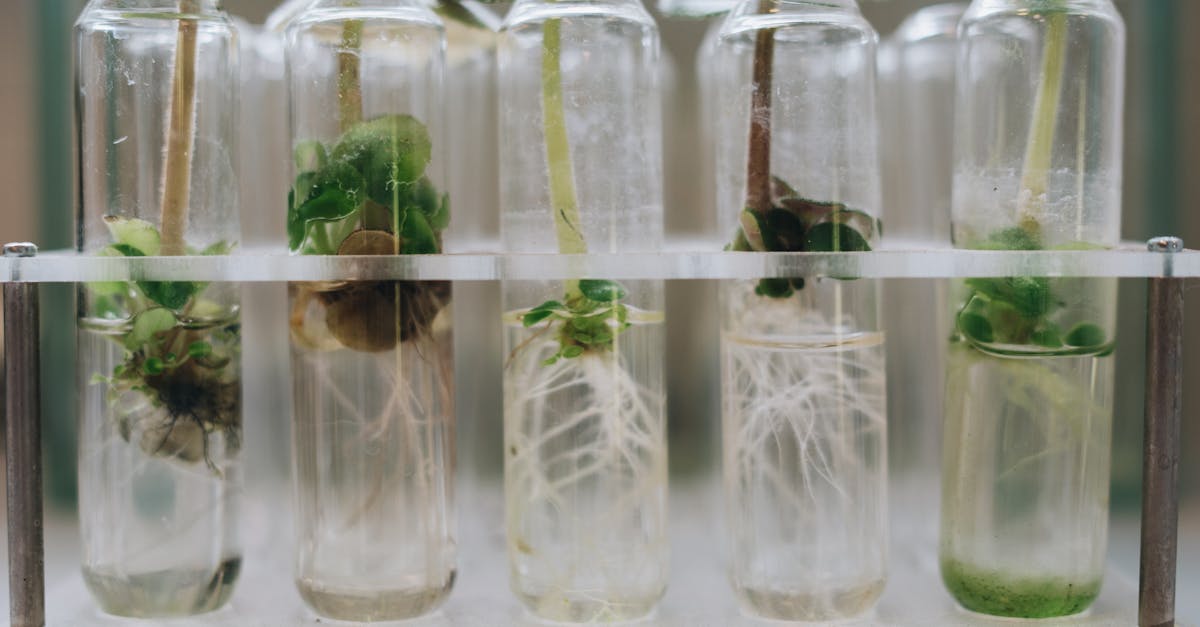
Specializing in biotechnology after a BTS (Higher National Diploma) aims to deepen the scientific and technical skills crucial to meeting the sector’s challenges. Looking ahead to 2025, the biotechnology market continues to grow, particularly in medicine, the food industry, and the pharmaceutical industry. Companies such as Sanofi, Novartis, and Innate Pharma are constantly seeking professionals capable of manipulating DNA, cells, or bacteria to develop new drugs or vaccines. There is also strong demand for research into gene therapy or bioprocesses to produce innovative drugs. Specialization also allows you to differentiate yourself in an increasingly competitive job market. It is a dynamic sector that requires highly qualified technicians, particularly in companies such as Genfit and Biomerieux, which are pioneers in innovative solutions. Essential Accessories for a Career in Biotechnology
👩🔬 Mastery of Cell Culture Techniques
- 🔬 Advanced Handling of Laboratory Equipment
- 📊 Biological Data Analysis
- 🧪 Knowledge of Biochemistry and Genetics
- Specializing also allows you to participate in applied research projects, for example, in the creation of biomaterials or vaccines against rare diseases. This is especially true as private and public research collaborate closely to develop sustainable or medical solutions. This evolution is visible in sectors such as cosmetics at L’Oréal or in pollution control with TotalEnergies and Veolia. The ability to innovate and master modern technological tools is therefore becoming an essential skill, in demand in renowned companies and innovative startups.
Additional Training to Specialize
BTS Biotechnology
- : to develop in-depth laboratory skills. Quality control certifications
- : crucial to ensure the compliance of finished products. Biotechnology engineering schools
- : to access positions of responsibility. This formal extension offers a real differentiation from the competition. And since many young people also aspire to contribute to medicine or public research, continuing education is often the best way to ensure a rich and diverse career.
Advantages of choosing the environmental sector after a BTS
For their part, those who focus their careers on the environment are finding that demand is also booming. The need to preserve our ecosystems, combat pollution, and recycle is driving large companies and local authorities to recruit technicians and engineers specializing in environmental management. Companies such as Ecovadis, Veolia, and TotalEnergies are investing heavily in the search for sustainable solutions. Concrete opportunities in the environmental sector
🌱 Pollution analysis and remediation of soil and water
🌍 Project management related to ecology and biodiversity
- 🔋 Development of new renewable energies
- 🚰 Wastewater monitoring and management
- This sector also offers opportunities in waste management or the design of green technologies. One of the major advantages is the opportunity to work in innovative organizations like Algenol, which develops solutions based on photosynthesis or the conversion of CO2 into biofuels. Leveraging these skills can lead to positions at Veolia or government agencies. The growth of the environmental sector also depends on European regulations, which require technicians and engineers to constantly adapt.
- Training for careers in the environment
Courses
Duration
| Ideal for | Professional Bachelor’s degree in Environmental Management | 1 year |
|---|---|---|
| Technicians with the ability to manage ecological projects | Bachelor’s degree in Ecological Engineering | 3 years |
| Sustainable development project managers | This type of training is based on concrete skills: impact studies, environmental monitoring, ecological audits, etc. Demand in this sector guarantees case studies, particularly for companies like Sanofi or in the context of the energy transition. The flexibility of the profiles is a real advantage for integrating into a rapidly changing economy. | Sectors recruiting the most after these specializations |
Whether you choose biotechnology or the environment, it is reassuring to see that demand is constantly growing. According to a 2025 study, the biotechnology industry represents a global market valued at over €700 billion. Large companies like Genfit are focusing on innovation, but it’s often SMEs and startups that offer the most creative opportunities, particularly in green tech and personalized health.
Key careers in these sectors
🧬 Biomedical research technician
🌿 Sustainable development engineer
- 🧫 Quality control specialist
- 🧪 Environmental analyst
- Profiles graduating from a biotechnology or environmental specialization can apply for positions at TotalEnergies, in pollution control, or at leaders like L’Oréal for the development of more responsible products. The rise of sectors like phytotechnology or bioenergy ensures a sustainable career, especially if you give yourself the means to continue learning.
- Opportunities for the future
Continue at an engineering school or a master’s degree
Work internationally in research
- Embarking on an Entrepreneurship or Startup Journey
- With the ongoing ecological transition and the digitalization of the sector, hybrid profiles combining biotechnology and ecology will be even more sought-after. The shift toward a circular economy and sustainable resource management offers lifelong career opportunities.
- FAQ: Frequently Asked Questions about Specializing After the BTS
1. What are the best options for continuing my studies?
Professional licenses, bachelor’s degrees, or engineering schools offer solid paths, with a specialization tailored to your ambitions. Continuing education is also an excellent path to advancement in promising sectors.
2. Is it better to specialize in biotech or the environment?
It all depends on your initial interest. Biotech often leads to medical or pharmaceutical research, while the environment offers a broader range of applications, from pollution control to sustainable management. Both sectors recruit several thousand candidates each year.
3. What skills are essential for success in these fields? Mastery of analytical techniques, scientific rigor, the ability to quickly adapt to technological innovations, and a strong aptitude for teamwork are essential.
4. Does the sector offer career prospects?
Absolutely, with experience and continuing education. Many engineers and managers started as technicians and then progressed to management or advanced research positions.
Specializing in biotechnology or the environment after a BTS (Higher National Diploma) offers a promising path to meet future challenges.
Innovative companies like Veolia, Sanofi, and TotalEnergies are constantly looking for new talent.
The choice often depends on your passion for science or environmental protection.