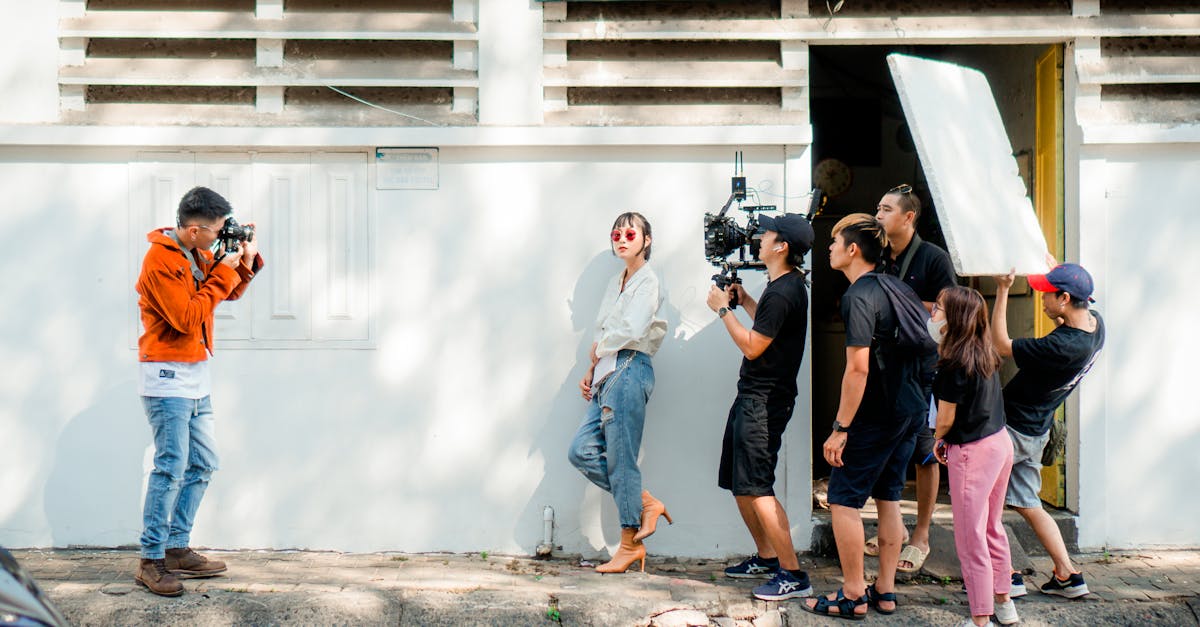
Organizing a video shoot isn’t just about filming scenes; it’s an entire strategic process that requires time, planning, and a thorough understanding of the tools. From equipment selection to team management, rigorous scheduling, and meeting deadlines, each step must be meticulously planned to avoid unforeseen events. The key to success lies in solid preparation, effective resource management, and flexibility in the face of unforeseen circumstances. In 2025, with the advent of new technologies and powerful digital tools like Adobe Premiere or Final Cut Pro, it’s easier than ever to coordinate all the elements of a shoot, provided you follow a clear and structured method. Whether you’re a professional or a passionate amateur, following best organizational practices will ensure you achieve a cohesive, professional, and budget-friendly result.
How to effectively plan a shoot to meet all deadlines
Good organization always begins with precise planning. From defining objectives to the details of each scene, everything must be anticipated to avoid delays and ensure smooth production. In 2025, having a dynamic digital schedule becomes essential, allowing for adjustments to unforeseen events and tracking progress in real time. The key is to break the project down into several phases and create a realistic schedule. For example, plan one day for location scouting, another for equipment setup, and then days dedicated to each scene, while respecting the availability of actors and technicians. With tools like Trello or Celtx, schedule management becomes more intuitive and collaborative, facilitating communication and responsiveness. Thorough preparation prevents wasted time during filming and allows for more effective handling of unforeseen events. In short, rigorous and tailored planning is the foundation of a successful shoot.
What elements must absolutely be included in a well-structured filming plan? The shooting schedule is the reference document that guides the entire team during production. To be effective, it must contain several key elements:
✅ The precise date of each shooting day
- 🎬 The number of each scene to be filmed, with a clear correspondence to the script
- 🌆 The exact location, possibly with site maps or GPS coordinates
- 🕒 The time of day, indicating whether it is day or night
- 🏷️ A brief description of the scene, for quick understanding
- 🛠️ A list of necessary equipment: cameras (Canon, Sony, Panasonic), lighting, microphones (RØDE, Sennheiser), etc.
- 👥 The allocation of roles and participants for each scene
- It’s recommended to use tables to make this data more readable, for example by including the estimated durations for each scene or the logistics related to each location or equipment. This prevents oversights and facilitates coordination, especially if the project involves multiple shoots in parallel or on different sites.
How to Choose the Right Equipment for a Professional Filming
Choosing the right equipment is essential for a successful filming, especially in 2025 when technology is constantly evolving. Here are some criteria for making the right choice:
🎥 The camera: depending on your budget and needs, opt for a
- Canon for high-quality video or a Sony for excellent low-light performance. Panasonic cameras are highly regarded for their stability and ergonomics. 🎙️ Sound quality: Choose microphones like those from the
- RØDE or Sennheiser range for clear and precise recording, essential in professional video. 🎬 Accessories: Manfrotto tripods, DJI stabilizers, and LED lights for optimal results on set and in the field. 🚁 Mobility: For drone shots, choose a suitable, practical, and high-performance DJI model to capture breathtaking aerial footage.
- 💻 Editing software: Adobe Premiere, Final Cut Pro, or DaVinci Resolve allow you to work in high definition while offering advanced features for color grading and color correction. Investing in quality equipment is often the best way to ensure a smooth production, with a sharp image and impeccable sound. Compatibility between devices (for example, between cameras and microphones) is also very important to avoid technical issues.How to effectively manage the crew and equipment on set
- Being an organizer and conductor also means knowing how to manage your team and equipment. Communication must be clear and fluid, especially in productions with multiple contributors. The first rule is to have a clear technical sheet, indicating the equipment used for each scene, each person’s role, and deadlines. Use a task management table, as in this example:
- Role
Responsibilities
Main Equipment
Availability
| Production | Art Direction, Storyboard Management | Camera, Storyboard, Scripts | 24/7, according to schedule |
|---|---|---|---|
| Director of Photography | Camera, Lighting | Canon, Sony, LED Lights | Depending on the scene |
| Sound Technicians | Microphones, Recorders | RØDE, Sennheiser | 24/7 if necessary |
| Equipment Assistants | Editing, Equipment Storage | Manfrotto, DJI | As needed |
| Regular communication, through meetings or collaborative tools like Trello or StudioBinder, keeps everyone in sync. It’s also important to anticipate constraints such as location availability or the weather, especially if you’re shooting outdoors in 2025. Managing unforeseen events, particularly with equipment backup or contingency plans, must be an integral part of the strategy. | How to optimize filming with modern digital tools | Digital tools are essential today for improving efficiency. For example, Adobe offers a powerful suite for editing, sound design, and color grading. Project management software like Celtx or Monday.com allows you to track each step in real time, assign tasks, and maintain a schedule. In the field, dedicated mobile apps for note-taking or resource management make life easier for directors and assistants. Reading and understanding shots and sequences | become faster, with a precise summary in just a few clicks. In 2025, it’s also common to use DJI drones for smooth, high-quality aerial shots, or robust stabilizers for the benefit of mobile filmmakers. |
How to ensure post-production after a controlled shoot
Once filming is complete, the post-production phase begins. It involves bringing your project to life by assembling all the images and sound. Here, mastery of the equipment and familiarity with software like Adobe Premiere Pro or Final Cut Pro will be crucial. Color processing, sound mixing, and image correction are all steps that require precision and patience. Moreover, the use of quality microphones like those from Sennheiser facilitates clear sound, avoiding lengthy retouching. The online release or delivery of the film must also meet precise technical standards, particularly in terms of format or codecs, so that everything is perfect in 2025, a year of technological consolidation. Color management, essential for a successful cinematic rendering, also relies on powerful tools that guarantee perfect visual consistency. Post-production, if properly framed, is the final step to ensure a final result that lives up to your ambitions.
FAQ – Frequently Asked Questions About Organizing a Film Shoot How do I choose the best camera for my budget? You must first define your needs in terms of resolution, mobility, and compatibility with other equipment. Canon and Sony models remain popular for their reliability. Consult this dedicated article to make the right choice.
Which editing software should you choose in 2025?
Depending on your profile, Adobe Premiere or Final Cut Pro remain the professional standards. To master all their secrets, discover our tips.
specific to optimize your workflow.
- How to plan in the event of unforeseen weather events?
Back-up dates and alternative locations must be planned. Flexibility and responsiveness are essential to quickly cope with the vagaries of the weather. What equipment is essential in 2025? A robust camera (e.g. Panasonic GH6), a quality microphone (Sennheiser or RØDE), and a DJI stabilizer are essential today. See our complete guide for more details.