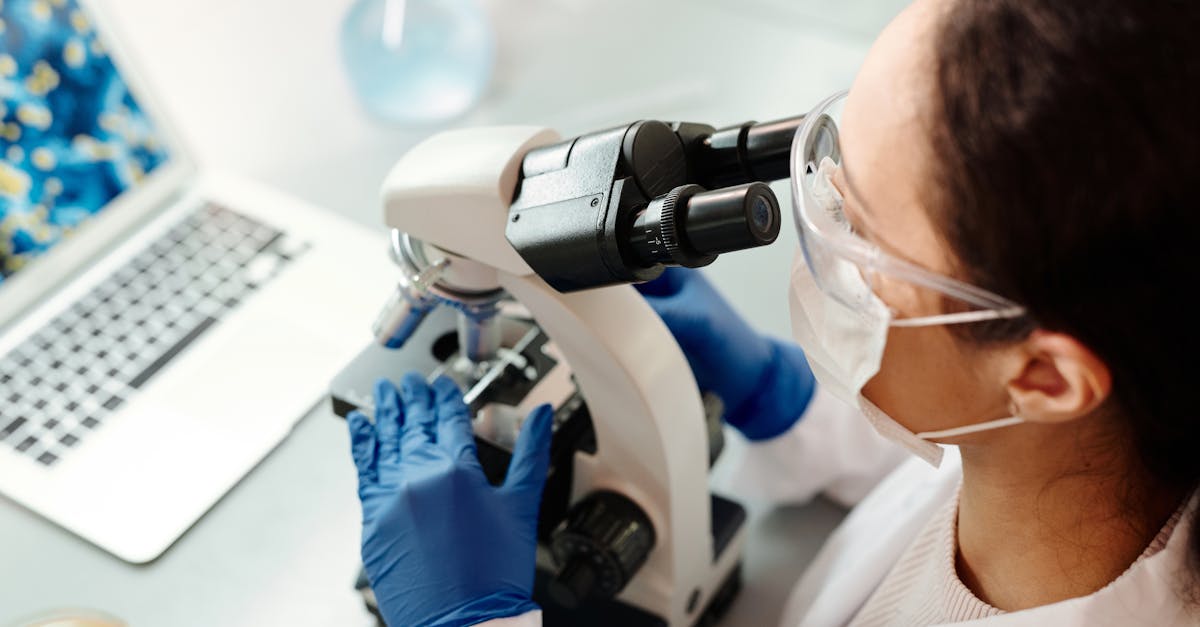
The Critical Challenges of Laboratory Hygiene and Safety Rules in 2025
In a world where science is advancing at breakneck speed, laboratory safety has never been more essential. The increasing number of incidents related to negligence or lack of precaution highlights the absolute necessity of establishing, following, and maintaining strict hygiene and safety rules. Whether in biology, chemistry, or biochemistry, these protocols play a fundamental role in protecting researchers, the environment, and also the quality of the results obtained.
In 2025, with the emergence of new sophisticated techniques and equipment, the challenges are becoming more complex, requiring every professional to adopt a responsible and vigilant attitude. Digitalization, robotization, and the need for enhanced regulatory compliance require that every step, from storage to handling, be perfectly controlled.
This context is all the more important as international standards are rapidly evolving to meet new challenges, such as biological risk management during vaccine manufacturing or the security of sensitive data. The key to success lies in a safety culture ingrained in each individual, reinforced by regular training, rigorous adherence to procedures, and impeccable equipment.
To meet these challenges, major companies like Thermo Fisher Scientific, Sartorius, and Merck offer innovative solutions that facilitate compliance. But beyond equipment, a true mentality must be established to make the laboratory a safe and responsible place.

The essential basics for optimal laboratory hygiene
For safety to become second nature, you must first master the basic principles of hygiene. And this starts upon entering the laboratory: wearing appropriate clothing, such as lab coats, gloves, and safety goggles, is the first barrier against contamination. But that’s not all. Clean surfaces, proper storage of products, and rigorous waste management are essential elements.
According to a recent report, a common mistake is to neglect the importance of regular cleaning of equipment and work environments. Yet, this can make all the difference in preventing the spread of bacteria or hazardous chemicals. Here are some fundamental rules to follow every day:
🧤 Always wear appropriate personal protective equipment (PPE), such as gloves and masks.
- 🧴 Clean and disinfect surfaces after each handling.
- 🚮 Manage and dispose of hazardous waste according to specific protocols.
- 🌬️ Ensure adequate ventilation in the laboratory.
- 💧 Wash your hands regularly, especially before touching sensitive equipment or products.
- Common mistakes such as leaving samples open or not storing products properly can lead to cross-contamination or serious accidents. To ensure optimal hygiene, it is recommended to follow daily checklists and conduct regular internal audits.
Element
| Recommended Practice | Importance | Protective Clothing 🧥 |
|---|---|---|
| Gowns, Gloves, Goggles | Reduces Contamination Risks | Cleaning Surfaces 🧽 |
| After Each Use | Minimizes the Spread of Germs | Waste Management 🗑️ |
| Follow Specific Procedures | Prevent Accidents and Poisoning | Ventilation 💨 |
| Ensure Effective Extraction | Reduces Exposure to Harmful Substances | Hand Hygiene 🧼 |
| Frequent and Thorough Washing | Enhanced Personal Protection | https://www.youtube.com/watch?v=MycsKMf7Dxk |
Implementing appropriate safety devices is essential to limit the severity of accidents. Safety equipment is not just an accessory, but the first line of defense against chemical, biological, or electrical hazards. Moreover, their technical characteristics have evolved significantly since the dawn of 2025, with innovations from Fisher Scientific and Sigma-Aldrich, facilitating their use and reliability.
But what are the key devices that should not be overlooked? First of all, fire extinguishers and emergency showers must be present and regularly checked. Second, safety hoods, often equipped with a HEPA filter or a suction system, offer protection against the accidental release of toxic substances. Monitoring the devices, with alarms and sensors, ensures rapid detection of anomalies.
Here is a set of essential equipment:
🧯 Fire extinguishers and fire hoses
- 🚿 Eyewash stations and emergency showers
- 🛡️ Safety hoods and filtering respirators
- ⚠️ Gas or chemical detection sensors
- 📋 Regular inspection protocols
- A clear organization must also include evacuation plans, regular training for all staff, and rigorous equipment maintenance. Risk prevention, with the implementation of these systems, can transform a potentially dangerous location into a safe environment, essential for research in 2025.
System
| Main role | Check frequency | Fire extinguishers🚒 |
|---|---|---|
| Quickly extinguish a fire | Annual + monthly check | Fire showers🚿 |
| Protection against chemicals | Monthly inspections | Safety hoods🧪 |
| Protection against toxic substances | Quarterly check | Gas sensors🔧 |
| Instant leak detection | Monthly check | Alarms and alarm systems⚠️ |
| Warning in case of danger | Regular checks, at least biannually | Training and awareness: the pillars of laboratory safety |
No physical system can replace good training and ongoing awareness. Upskilling staff is a crucial step in ensuring proper compliance with laboratory health and safety regulations. Training must cover all aspects: risk management, equipment use, and emergency protocols.
With regulations evolving rapidly, as demonstrated by the training offered by the CNFCE (French National Centre for Safety and Health) or workshops organized by organizations like Avantor, it is important that everyone involved is constantly up to date. Raising awareness also helps develop a true safety culture, where each individual feels responsible and vigilant.
Here are some essential practices:
✅ Attend regular training sessions
- 📝 Follow written procedures at every step
- 🧠 Be aware of biological, chemical, and electrical risks
- 🤝 Foster clear communication within the team
- 🎯 Implement the recommendations in all your daily actions.
- A concrete example? Implementing an emergency plan and training in its application, as seen in the management of biosafety containment levels.
Here. Prevention begins with a good dose of information, combined with constant vigilance, which often prevents serious incidents from occurring.Discover our tips and best practices for ensuring laboratory safety. Protect your team and your work environment from chemical, biological, and physical risks with effective safety protocols.
A serious organization cannot do without strict standards. For several years, European and national regulations have precisely regulated each stage of research and the handling of substances. In 2025, these standards were strengthened to meet new challenges, particularly in vaccine manufacturing, waste management, and the export of sensitive materials. Establishments must comply with standards such as GMP (Good Manufacturing Practices) or INRS guidelines. These regulations guarantee traceability, safety, and process compliance, while ensuring the protection of personnel.
Here are some key elements to follow:
Relationship between regulations and good practices
🔍 Compliance with local and international requirements
📃 Implementation of documented and adhered to procedures
- 🧪 Regular checks and internal audits
- 🛠️ Periodic maintenance of safety equipment
- 🤝 Commitment of all stakeholders to compliance
- An essential observation: regulatory monitoring must be constant, because in 2025, many changes will be adopted to strengthen safety, particularly in the management of biochemical risks or containment. Major players such as Eppendorf and Carl Roth now offer equipment that is fully compliant with the standards established by organizations such as ISO and DEQ.
- It is also important to encourage transparency through regular external audits. Let’s not forget that safety is not an option, but a legal obligation to ensure reliable and responsible research.
For more information on regulations in biology or chemistry, also see the article on UHT quality and parameters. Norm / Standard
Main objective
Reference body ISO 9001 / ISO 17025 🔧Quality, reliability of results
| ISO, IEC | GMP (Good Manufacturing Practices) 🧫 | Product safety and compliance |
|---|---|---|
| ANSM, EMA | CE and RoHS standards ⚖️ | Environmental protection and electrical safety |
| CE, EU | Biological and Health Directive 📋 | Monitoring biosafety and biological management |
| EU, ANSM | Audit and inspection standards 🕵️♂️ | Continuously verifying compliance |
| Certifying bodies | Towards a sustainable safety culture with individual responsibility | Laboratory safety cannot be limited to implementing regulations or installing devices. It relies above all on increased individual responsibility. Everyone, whether a researcher or technician, must demonstrate a keen sense of observation and behave responsibly in the face of risks. Forgetting your PPE or neglecting a protocol isn’t enough to make everything dangerous. On the contrary, the key to a safe environment lies in daily vigilance, discipline, and constant self-reflection. |
| How can we encourage this responsibility? By establishing a culture of “care” where every action counts. This involves awareness campaigns, regular training, and clear communication between all stakeholders. Individual accountability helps avoid unfortunate errors that can be costly, not only in health but also in time and money. | Key Elements | Concrete Actions |
Impact
👉 Constant vigilance
Attention to risky behaviors
Reduction of incidents
| 🤝 Personal commitment | Compliance with instructions | Improved overall safety |
|---|---|---|
| 📢 Clear communication | Information sharing | Increased responsiveness in the event of a problem |
| 🎯 Continuous training | Reminders and updates | Better risk management |
| 📝 Regular self-assessment | Review of own practices | Continuous improvement |
| Discover our complete guide to laboratory safety, including essential practices, accident prevention tips, and protocols to ensure a safe and efficient work environment. Protect your health and that of your colleagues with appropriate safety measures. | Adopt innovative solutions for laboratory safety in 2025 | In a rapidly evolving technology environment, many companies are innovating to make safety more effective and easier to use. For example, Sigma-Aldrich and Avantor now offer connected equipment, such as smart gas detectors or automated monitoring systems that anticipate risks. |
| Manufacturers such as VWR International and Carl Roth are also innovating in protective devices, using more robust and lighter materials, making them easier to wear and store. Digitalization now makes it possible to monitor the status of equipment or samples in real time, increasing responsiveness. | A major trend in 2025 is the networking of these devices to cover the entire laboratory space. The rise of these technologies, combined with staff training, ensures a working environment that is not only safer, but also smarter. | Here are some concrete solutions adopted in modern laboratories: |
🤖 Robots and automated handling systems
🛡️ High-tech protective equipment
📱 Mobile applications for risk management
🧬 Advanced containment technologies
These innovations do not replace human vigilance, but they effectively complement it. Safety thus becomes a combination of technological intelligence and individual awareness, a fundamental element for ensuring responsible research in 2025.
- Best practices for maintaining renewed safety in laboratories
- Enforcing rules once is not enough to ensure lasting safety. The key is consistency and a commitment to continually improving practices. Continuously updating protocols, incorporating feedback, and participating in specific training are essential.
- Best practice also includes implementing regular internal audits, which allow for the identification of potential flaws and addressing them before they become crises. Continuous improvement must be integrated into the laboratory’s culture.
- Here are some concrete strategies:
- 🔄 Periodic reviews of procedures
📝 Keeping logs and incident records
🎯 Setting improvement targets
🤝 Sharing experiences and best practices
📚 Ongoing staff training
Adopting these habits also helps ensure compliance with regulatory changes. For example, by following regulatory trends via sites like
- UHT milk quality analysis
- or biosecurity risk management. Individual and collective responsibility must go hand in hand to ensure the research environment remains healthy, safe, and reliable.
- FAQ – Frequently Asked Questions about Laboratory Hygiene and Safety Rules
- How can we ensure that all personnel comply with the rules?
- It is essential to organize regular training, establish a safety culture, and conduct audits to monitor their implementation.
What safety equipment is essential? Key elements include suction systems, emergency showers, fire extinguishers, and the latest generation of personal protective equipment (PPE), often supplied by leading companies such as Merck or Sigma-Aldrich. How should we handle a laboratory emergency?
It is important to know the evacuation protocols precisely, use safety devices quickly, and alert the appropriate services. Training in these procedures must be renewed regularly.
- Are the standards constantly evolving? Yes, regulations are becoming more stringent every year, particularly with the inclusion of new requirements for biosecurity and waste management. Staying informed through official sources is essential.
How can we effectively integrate individual responsibility? - By developing a culture of vigilance, sharing best practices, and empowering each stakeholder through ongoing training and regular self-assessments.

