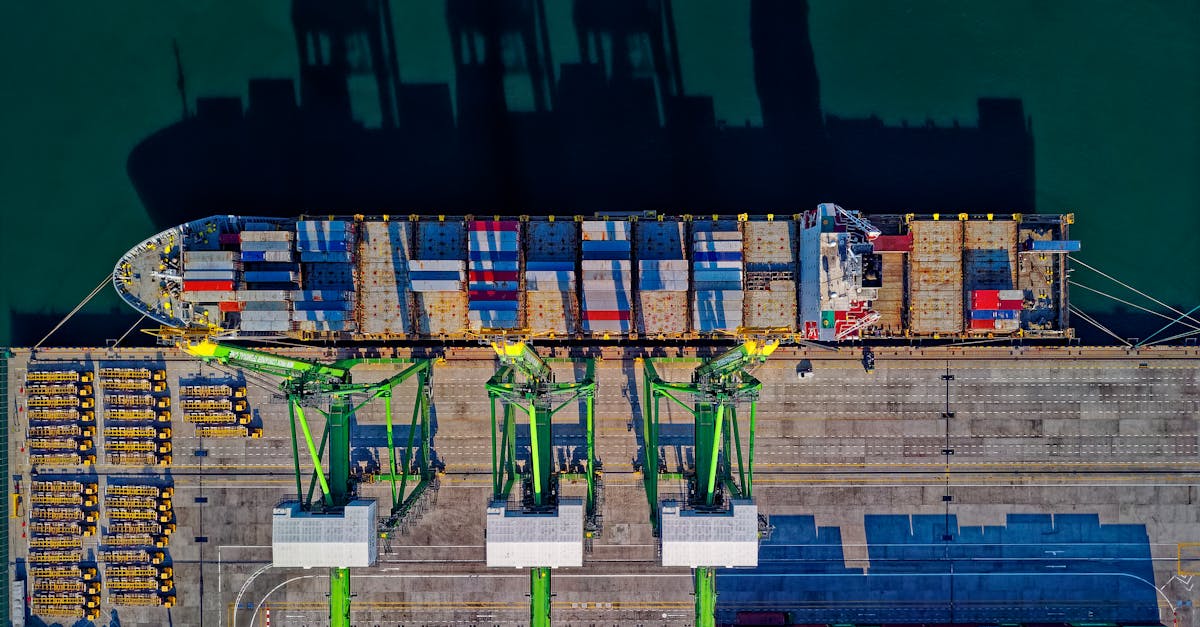
In a world where international trade continues to grow, the role of an import-export assistant is essential for the flow of goods, documents, and information between countries. In 2025, this profession is more strategic than ever, combining logistics expertise, mastery of customs regulations, and negotiation skills. Are you wondering what the true responsibilities of this expert are, what qualities they should possess, or how to train in this dynamic field? The answer is all around you, because becoming an import-export assistant means embarking on a career that is both stimulating and secure, offering concrete career prospects and competitive compensation. Whether you are already in logistics or considering a career change, there are plenty of opportunities to thrive in this profession.
What are the main responsibilities of an import-export assistant in the current context?
The tasks of an import-export assistant are as diverse as they are essential to ensuring the smooth flow of international trade. In 2025, faced with the increasing complexity of customs regulations, they must master a multitude of skills to avoid delays and additional costs.
The essential missions can be summarized in several key areas:
- 📋 Document Management : Preparation, verification, and compliance of customs documents, invoices, certificates of origin, and import and export declarations.
- 🚢 Logistics Coordination : Precise organization of shipments, strategic choice of transportation modes (sea, air, road), and real-time monitoring to ensure deadlines.
- 🤝 Communication and Negotiation : Regular exchanges with suppliers, freight forwarders, customs agents, and clients to ensure mutual understanding and the rapid resolution of disputes.
- 🔍 Regulatory Monitoring : Monitoring local and international regulatory developments to ensure compliance and avoid any legislative impulses that could slow down transit.
- 🛠️ Problem Solving : Proactively managing unforeseen issues related to formalities or transportation, minimizing errors and costly delays.
- 💰 Cost Optimization : Finding solutions to reduce logistics costs, optimizing routes, and negotiating rates.
- 💼 Payment and Invoicing Monitoring : Managing payments and accounting documents to ensure healthy post-transaction cash flow.
Each task is a piece of the essential puzzle to maintain a fluid supply chain, especially in a context where inventory management and secure import procedures are becoming major challenges for businesses.
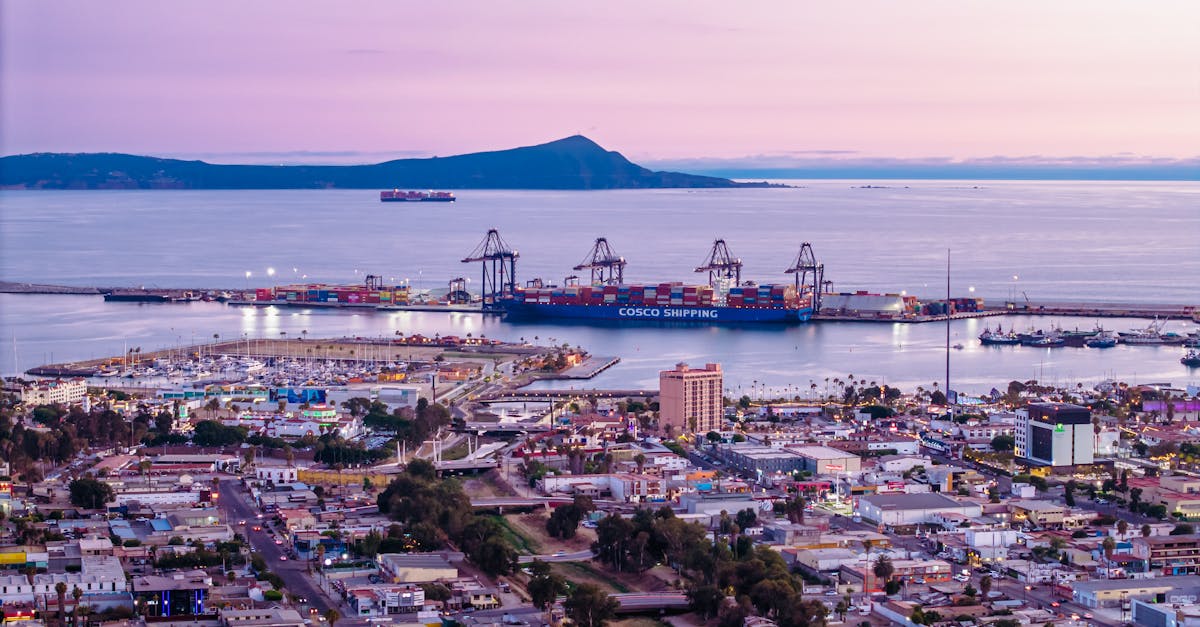
In 2025, import-export assistants will operate in an ultra-connected environment, whether within SMEs, SMIs, or large multinationals. Their responsibilities and tools vary little depending on the sector, but technical expertise and versatility remain essential.
Preferred sectors include:
🌍
- Logistics and Maritime Transportation : Movement of goods by ocean or river, container management, compliance with Incoterms and safety standards. 🏭
- Manufacturing Industry : Import of raw materials, export of finished products, inventory management, and supply chain integration. 🧾
- International Trade : Creation of supplier networks, sourcing, tariff negotiation, and monitoring of customs regulations. 📦
- Distribution and Retail : Importing finished products, managing flows, and receiving them at points of sale. 🚚
- Multimodal Transportation : Optimizing routes combining sea, air, and road to reduce costs and lead times. Essential skills for careers in these sectors include:
🔹 Mastery of import and export procedures
- 🔹 In-depth knowledge of international customs regulations
- 🔹 Ability to coordinate maritime and land transportation
- 🔹 Ability to manage complex documentation
- 🔹 Proficiency in IT tools dedicated to logistics management
- 🔹 Good negotiation and strategic sourcing skills
- 🔹 Knowledge of foreign markets and Incoterms
- 🔹 Ability to analyze the global supply chain
- Developing these skills often involves specialized training, but also through field experience. With globalization constantly evolving, this profession also requires remarkable adaptability to meet new regulations and challenges related to maritime transport or customs constraints.
Discover the world of import-export: a complete guide to business opportunities, regulations, and strategies for success in international trade. Maximize your profits and expand your global network.
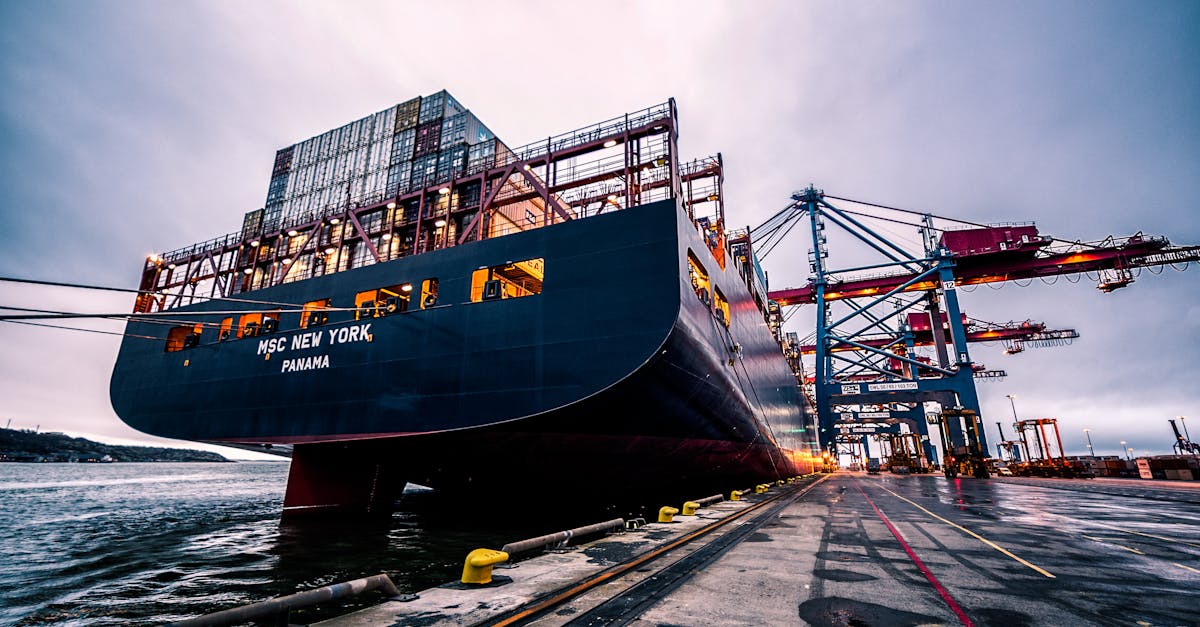
Embarking on this path requires acquiring a solid foundation of skills, often validated by a diploma. In 2025, numerous paths exist to meet the diversity of profiles and ambitions.
Education levels range from Bac+2 to Bac+5. First and foremost, a diploma such as the
BTS International Trade represents the preferred entry point. It covers all the challenges related to international trade management: sourcing, logistics, regulations, inventory management, and customs procedures. For those aiming for a position of responsibility or wishing to advance quickly, a master’s degree in international trade or a business school specializing in international trade management is a natural step. Fluency in English, or even a strategic language such as Chinese or Russian, then becomes almost essential.
Teaching methods have also evolved, with significant emphasis on work-study programs. These programs allow for the combination of practical on-the-job training and theoretical learning, a real advantage for quickly entering the profession.
Professional Certifications and Validation of Experience
For those who already have experience in logistics or trade, the Validation of Acquired Experience (VAE) offers a fast track to obtaining a recognized certification. The Professional Title of Import-Export Assistant certification is registered in the National Directory of Professional Certifications (RNCP) and guarantees recognition of your skills. To learn more, check out the available courses at this link.
Discover the challenges and opportunities of international trade with our comprehensive import-export guide. Learn about best practices, regulations, and market trends to optimize your global business. What are the fundamental technical and soft skills required for success?
To work in this field, simply having a degree is not enough. The reality on the ground requires the development of a number of technical and soft skills to cope with the complexity of logistics and import-export operations. Key technical skills🔹 In-depth knowledge of customs regulations and their evolution
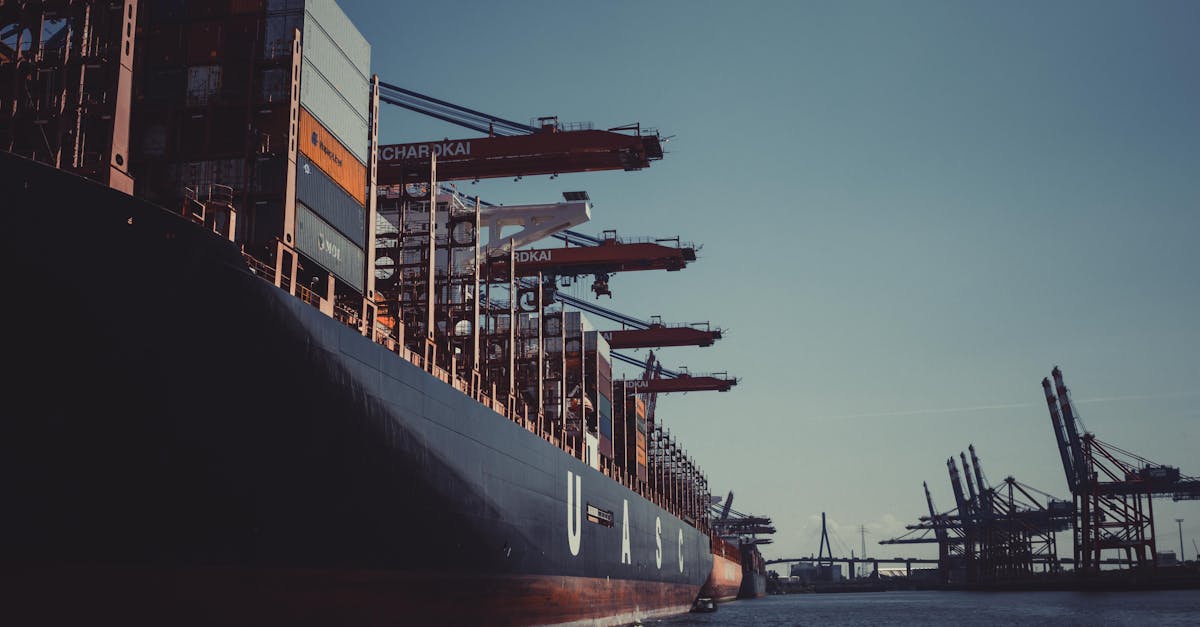
🔹 Efficient management of inventory and international flows
🔹 Ability to use logistics and customs management software
🔹 Market analysis and strategic sourcing
- 🔹 Good knowledge of Incoterms and international contracts
- Essential human qualities
- 💡 Organization: manage multiple files without compromising accuracy
- 🌟 Rigor and precision: strictly adhere to each regulation
- 🤝 Diplomacy and team spirit: maintain good relationships with all partners
- 🔥 Responsiveness and the ability to quickly resolve unforeseen events
🧩 Flexibility and adaptability in the face of rapid changes
- ✨ Perseverance in negotiations to obtain the best conditions
- What career paths are possible for an import-export assistant? Working in import-export in 2025 opens the door to greater responsibilities. After several years of experience, it’s entirely possible to move up the ladder to positions of responsibility.
- Prospects include:
- 🌱
- Sales Representative or Import-Export Manager
- : Project management, negotiation with key accounts, international business development.
🏢
Department Head or Manager
: Team leadership, definition of logistics strategies, process optimization.
- 🚀 Logistics Manager or Director : Overall management of the supply chain within the company or group.
- Additional training and the development of skills in project management or international strategy are also opportunities for advancement. Compensation is therefore aligned with responsibility: the larger the assignment, the greater the earnings. What is the average salary of an import-export assistant as of 2025? In France, the salary of an import-export assistant remains attractive, especially for those who have mastered their profession. The median salary is around €2,300 to €2,600 per month.
- For recent graduates or beginners, salaries can start around €2,000 at the beginning of their career. Experienced professionals with several years of experience or rare language skills often earn more than €2,700 per month. Bonuses, bonuses, and other benefits related to negotiation or responsibility further increase the overall compensation. In a context where managing customs formalities and import procedures is becoming increasingly critical, this profession is not only essential, but also very well-paid. Experience Monthly Salary 📈
Examples
Beginner / Junior
€2,000 – €2,300 Logistics Assistant in an SMEConfirmed / Experienced
€2,300 – €2,700 Import-Export Manager Senior / Expert €2,700+ Senior Logistics Manager
To learn more about your project, don’t hesitate to consult
| this article | which details how to choose the right training program in international trade. | https://www.youtube.com/watch?v=KJLgRTdT5Ng |
|---|---|---|
| https://www.youtube.com/watch?v=t7S3f99JHw4 | A job description rich in opportunities to explore and build an international future | Given the constant growth of global trade, the import-export assistant profession is positioning itself as a strategic step for entering the key sectors of logistics and international trade management. Demand is high, and technical skills are increasingly becoming a differentiating factor. If you enjoy navigating a world where every day brings its own challenges, this career is for you. |
| By cultivating your expertise in customs regulations, inventory management, and market analysis, you’ll build a solid career, ready to advance to positions of responsibility. With the right training and perseverance, you can become a key player in international trade in 2025 and beyond. | FAQ: Frequently Asked Questions about Becoming an Import-Export Assistant in 2025 | Which degree is best suited to start in import-export? |
| A BTS (Higher National Diploma) in International Trade remains the most common entry-level qualification, but a three-year post-secondary degree or a master’s degree allows you to pursue more senior responsibilities. | How much can you earn at the beginning of your career? | Salaries start at around €2,000 gross per month for a beginner, with rapid progression depending on experience and language skills. |
What are the essential skills for success? A sound knowledge of customs procedures, logistics tools, negotiation skills, and a strong ability to adapt to constantly changing regulations. How does a career evolve in this sector? After a few years, it’s possible to advance to roles as a manager, department manager, or even logistics director.


