Software for Farmers: Transforming Agriculture with Technology in 2025
Over the years, agriculture has evolved from simple manual labor to a precision industry, driven by Technological Innovation and AgriTech. In 2025, digital agriculture is no longer an option, but a necessity to remain competitive and sustainable. Modern farmers see these tools as true partners, optimizing every step, from seed to sale. Faced with the diversity of crops, land, and techniques, choosing the right software becomes a real challenge. They facilitate management, planning, and even strategic decision-making.
These solutions are designed to cover all agricultural needs, with options for financial management, field monitoring, weather, and marketing. Thanks to platforms like FarmWise, Cropio, FieldAware, and others, modern agriculture integrates total transparency into its operations. In addition to simplifying tasks, these tools also save resources, improve harvest quality, and, above all, better anticipate risks related to climate or economic hazards. By adopting these solutions, farmers can face the challenges of climate change while maximizing their profitability.
So, what software programs can be considered essential for farmers in 2025? What are their major advantages, and how do you choose the one that’s perfectly suited to your operation? This article guides you through these essential questions, helping you take a decisive step toward more modern and efficient agriculture. Let’s explore these essential tools in detail, offering you a clear and concrete overview of their features and benefits.
Farm management software: the key to optimizing productivity in 2025
Farm management software has revolutionized the way every farm is run. Its goal? To simplify farmers’ daily lives by consolidating all operations—whether planning, monitoring, or financial management—in a single digital space. With better data management, it becomes possible to make faster and more informed decisions.
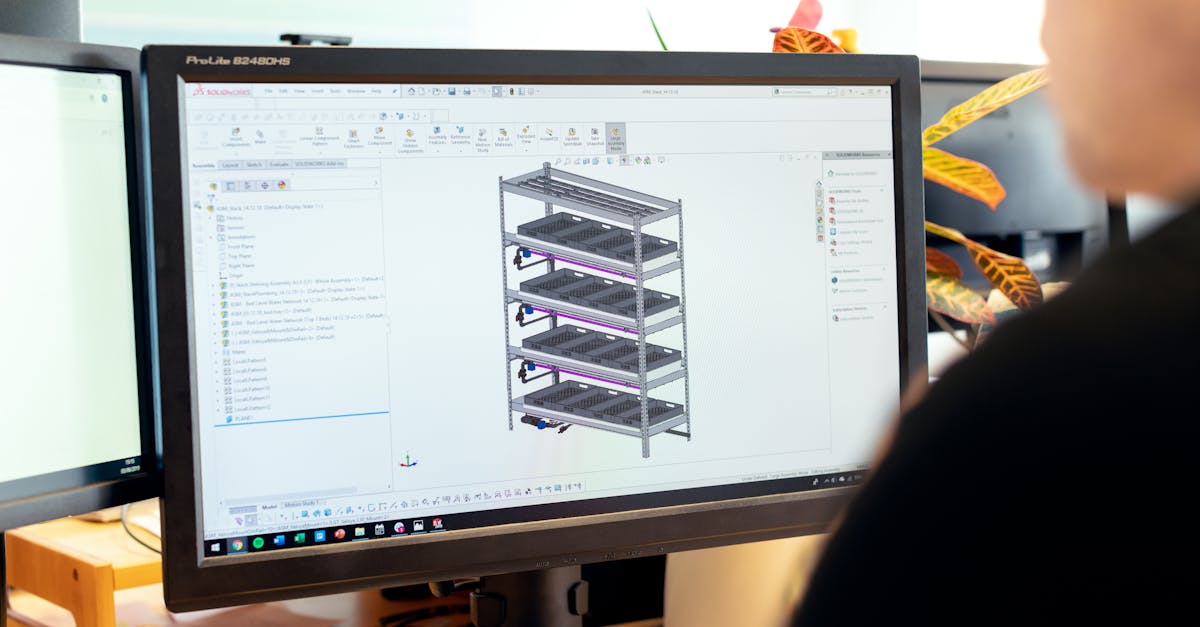
These tools allow you to monitor crop conditions in real time, automate recordkeeping, and forecast resource needs for the coming season. The range of features is impressive, ranging from inventory management to environmental planning to employee management. For example, FarmLogs facilitates seed planning, fertilizer management, and harvesting, while providing a clear view of costs and profits. In addition, integrated weather databases allow users to anticipate any climate fluctuations. Precision is entering agriculture with digital mapping options, GPS tracking, and data analysis using advanced algorithms. Some software, such as Taranis, even offers early detection of diseases or pests to minimize the use of plant protection products and protect the environment.
To make the right choice, the key is to consider the size of your farm, your technical profile, and its compatibility with your existing equipment. Proper farm management then becomes a true profitability strategy, ensuring long-term sustainability. Here is a summary table of the key features of the main farm management software in 2025.
Software
| Main Features | Target Audience | Approximate Price | Accessibility | FarmWise |
|---|---|---|---|---|
| 🚜 Field monitoring, weather forecasting, financial management | Medium to large farms | Variable, often quoted | Web, mobile (iOS, Android) | Cropio |
| 🌱 Satellite imagery, mapping, AI for detection | Large farms, viticulture, arboriculture | Monthly subscription | Web | FieldAware |
| 📍 Field monitoring, intervention management, reporting | Small to medium farms | Quoted | Mobile, tablet | Specialized software for precision and sustainability in 2025 |
In 2025, the approach to sustainable agriculture and precision is more strategic than ever. The key? Use software that integrates geospatial data, analyzes field conditions in depth, and offers targeted intervention solutions. This is where tools like AgriPlan, Taranis, and Agreena come in, perfectly integrating this vision of more environmentally friendly agriculture. This type of software doesn’t just automate: it advises, prevents, and optimizes. A typical example: thanks to AgriPlan, you can plan your spraying with pinpoint accuracy, reduce pesticide use, and limit your carbon footprint. For its part, Taranis uses artificial intelligence to monitor each plot in real time, detecting diseases or infestations as soon as they appear, thus limiting losses.
These tools are also highly practical and offer perfect compatibility with drones and satellites. Gathering high-resolution information allows for rapid, and sometimes even preventive, crop intervention. These technological choices contribute to a virtuous strategy, where productivity doesn’t mean overexploitation or pollution. The ecological transition is therefore just a click away. Discover our innovative agricultural software, designed to optimize your farm management. Improve production, track resources, and make informed decisions with powerful tools adapted to the needs of modern farmers.Field monitoring software: the next step in precision agriculture in 2025
Farmers can no longer afford to settle for basic practices. Field management must now rely on ultra-precise monitoring tools. In 2025, software like FarmWise and FieldAware will enable detailed visualization, with interactive maps and precise intervention planning. These solutions offer a multitude of elements to consider: fertilization, irrigation, phytosanitary treatment, and even harvesting. All with full integration with field sensors or drones, for in-depth data collection. Real-time monitoring allows for rapid action if a stress indicator appears. These tools are impossible to ignore in a context where every hectare must be managed intelligently. For example, Cropio and Taranis have proven themselves in the early detection of diseases, thus reducing crop losses and optimizing the use of phytosanitary products. The key to success lies in an integrated approach, where each data is analyzed to adapt the fertilization or irrigation strategy. Real-time management also avoids waste, benefiting both productivity and the planet.Functionality Concrete examples Impact
Digital mapping
Optimization of interventions 🌾
Satellite monitoring Early detection of diseases, infestations Loss reduction 🚜 Connected sensors Soil moisture, targeted fertilization
Efficiency gains 💧
How to choose the ideal agricultural software for your farm in 2025?
| Selecting the right software in 2025 may seem like a challenge given this wide range of options. The main criterion remains compatibility with your type of farm: whether it is a farm specializing in market gardening or a large grain farm, the software must meet your requirements. You must also assess ease of use, compatibility with existing equipment, and the ability to evolve with your business. | Another crucial step is to test the tools in demo version or take advantage of free trial plans. Some software like | Cropio |
|---|---|---|
| also offer training to quickly familiarize you with advanced features. The proximity of customer support or the user community can also make a difference. | Finally, the financial aspect must not be neglected. In 2025, with the digitalization of all sectors, there are solutions adapted to all sizes and budgets. The key is to synthesize your real needs, your adaptability, and your sustainable development project. | Identify your priorities: management, weather, traceability, or others |
| Compare essential features based on your profile | Consult reviews from other farmers and feedback | Take advantage of available training or demonstrations |
| Trends to watch for 2025 in digital agriculture | Innovations, such as the integration of machine learning or blockchain technologies, herald a new era for agriculture. The modularity of software now makes it possible to add features on demand, based on evolving needs. The rise of tools like AgriTech and FarmWise demonstrates that artificial intelligence is playing a vital role in smart, environmentally friendly, and economically profitable agriculture. | In short, the choice of software must also consider compatibility with these new trends to prepare the farm for the challenges of the coming years. The digitalization of farms is becoming a true strategy for differentiation and sustainable development, in line with the ecological transition of 2025. |
Collaborative tools and their role in modern agriculture in 2025
Collaboration between farmers, advisors, and service providers is becoming an essential component of the agriculture of tomorrow. Software like AgriPlan and FarmLogs
allow all stakeholders to access the same data, track work progress, share reports, and anticipate challenges together. This approach, sometimes referred to as AgriWeb, retaining the term participatory management, promotes transparency and efficiency. These platforms facilitate collaborative efforts, particularly through integrated messaging, document sharing, and task management features. This also promotes better risk management, such as climate hazards or market fluctuations, especially since real-time communication limits errors and accelerates decision-making. In this context, successfully pooling resources, such as equipment or advice, becomes a winning strategy. Sometimes, a specific platform as a farm management tool can also strengthen this collaborative dynamic.
Discover our innovative agricultural software, designed to improve your crop management, optimize production, and facilitate decision-making. Take advantage of powerful tools to maximize your yields and simplify your daily tasks. The tangible benefits of agricultural software in 2025: cost savings, efficiency, and sustainability
- Adopting good agricultural software in 2025 isn’t just about modernization: it’s about an entire production philosophy. Faster decision-making saves time and resources. Precise input management, for example using tools like FarmWise, significantly reduces waste while improving production quality.
- In terms of efficiency, these tools also make it possible to monitor the progress of each crop, anticipate potential problems, and reduce the use of chemicals. As a result, a significant reduction in environmental impact is possible, while maintaining or increasing profitability.
- This technological approach is part of a sustainable approach. The use of sensors and drones, coupled with software such as financial solutions or modeling, enables the precise and responsible management of natural resources. And in 2025, the digitalization of agriculture also becomes an opportunity to strengthen biodiversity and preserve ecological balance.
- Frequently Asked Questions about Agricultural Software in 2025
What criteria should be prioritized when choosing agricultural software?
🧐 Is agricultural software accessible to all types of farms? 🌍 What is the major innovation for 2025? 🚀
How can training and familiarization with this software be ensured?
💡