As we approach 2025, the thermal renovation of older buildings is becoming a priority to preserve their heritage while complying with new environmental standards. Faced with a context where housing energy consumption represents a significant portion of the carbon footprint, homeowners are seeking to transform their homes into more energy-efficient and comfortable spaces. The trend is clear: Sustainable Renovation, with innovative solutions such as Verte Maison or EcoReno, now makes it possible to combine energy performance and ecology. This case study highlights an exemplary thermal renovation of a 1970s-era house in the Bordeaux region, illustrating how traditional techniques and modern technologies can be combined to achieve ambitious goals. By 2025, the majority of projects are moving toward complete renovations, incorporating heat recovery, enhanced thermal insulation, and the installation of solar panels such as Solaire Plus. In a context where the RE2020 regulations impose strict criteria on new buildings, renovation also allows you to achieve high-level energy performance while enhancing your property assets. Discover innovative solutions for thermal renovation of your home. Optimize your comfort and reduce your energy bills with ecological and sustainable techniques. Find out about the financial assistance available to make your renovation project a reality. Why is thermal renovation crucial for the ecological transition? As the fight against climate change intensifies, it’s becoming clear that every building must evolve. The majority of detached houses built in the 1970s, for example, suffer from insufficient insulation, outdated ventilation, and high energy consumption. These homes, often poorly insulated and inefficient, require special attention to meet the 2025 requirements. Renovating these homes not only improves their comfort, but also contributes to reducing their overall carbon footprint. The trend is clearly toward Energy Renovation, an approach that favors the integration of bio-sourced materials, the use of renewable energy, and the implementation of heat recovery systems. The key, in my opinion, is to favor an integrated approach, where each component works together to increase energy performance. The benefits are not only ecological, but also economic, since an efficient renovation increases the property’s value and sustainably reduces energy bills, a double benefit for the owner and the planet. https://www.youtube.com/watch?v=rkyG646WVvM Key steps for a successful thermal renovation: from diagnosis to implementation Beginning a thermal renovation begins with assessing the building’s actual condition. The diagnostic phase is essential for identifying weak points: cold walls, thermal bridges, outdated ventilation, or insufficient insulation. Each step must then be carefully planned: this is where the use of tools such as digital models or BIM software becomes essential. The design must comply with recent standards (RE2020 ), and favor sustainable materials such as rock wool or cellulose wadding. Renovation also involves the integration of innovative heat recovery and high-performance insulation systems, often combined with solar panels. The implementation phase must follow a precise schedule, combining skilled craftsmen and cutting-edge technologies. The building’s energy performance must be tested before and after work to concretely measure the gains, particularly through the measurement of U-values and thermal resistance. The key is to ensure rigorous monitoring so that each step results in a renovation that is both eco-responsible and efficient.Discover the benefits of thermal renovation to improve the energy efficiency of your home. Optimize your comfort while reducing your energy bill with innovative and sustainable solutions.Sustainable techniques to optimize the energy performance of houses In 2025, one of the major challenges remains optimizing thermal insulation. Whether it’s walls, roofs, or floors, each component must meet strict criteria. For example, the use of eco-friendly materials such as hemp wool or cellulose wadding, compliant with the RE2020 Standard, reduces energy consumption while being environmentally friendly. Heat recovery via dual-flow ventilation systems with heat exchangers maximizes the return of energy produced by ventilation. In addition to insulation, consider: 🔋 Integrating Solaire Plus solar panels to power electricity consumption 🌱 Implementing renewable energy sources to reduce dependence on fossil fuels ⚡ Mono- or hybrid energy systems for greater autonomy In addition, as part of Sustainable Renovation , some inventors are developing innovative solutions such as green walls or dynamic facades. The combination of these techniques not only improves energy performance, but also contributes to comfort and indoor air quality.Discover the benefits of thermal renovation to improve the comfort of your home while reducing your energy consumption. Opt for ecological and efficient solutions that enhance the value of your property. Technological innovations to advance renovation using BIM technology
smart materials
In the current context, Energy Renovationcannot ignore technological innovations. With the BIMplatform, it becomes possible to precisely model the interior and exterior of the building, thus planning all interventions. Furthermore, the integration of smart materialssuch as heated paving stones, phase-change walls, or IoT sensors facilitates remote management of energy performance. These sensors, deployed throughout the building, monitor temperature, humidity, and airflow in real time, and automatically adjust consumption for maximum efficiency. For example, the Green House often relies on these solutions to optimize energy management. Mastering the transition to Heat Recovery in the form of modern heat exchangers is also a key factor. All of this promotes the energy performance and sustainability of buildings through proactive and precise management.
The Principles
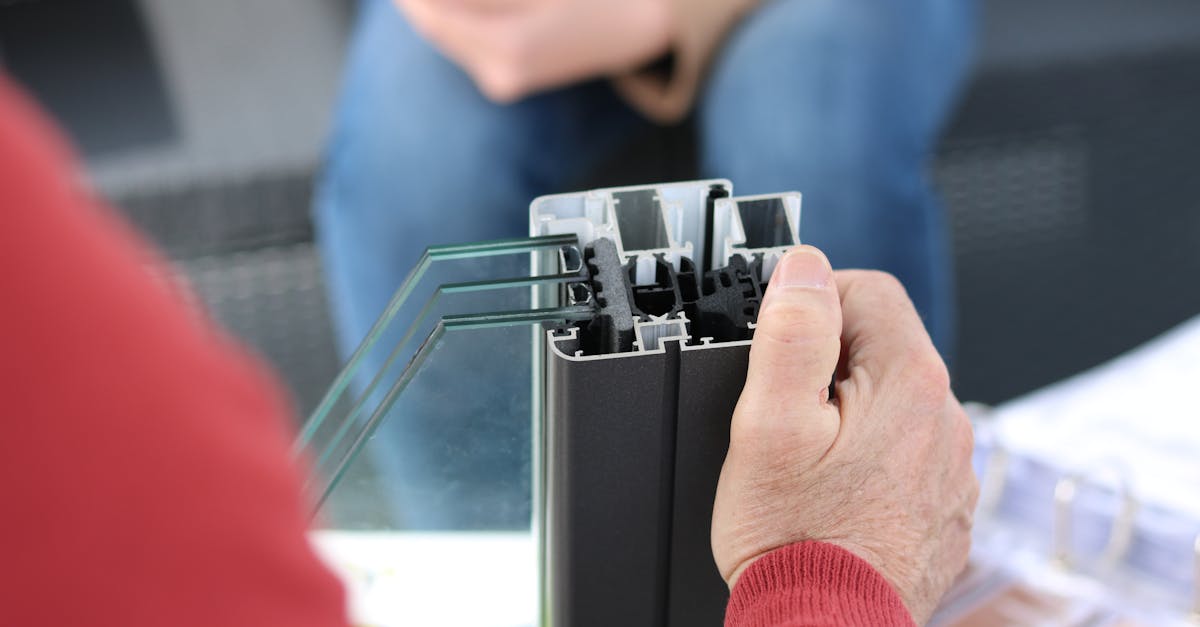
The fundamentals of renovation engineering remain unchanged: sustainability, efficiency, and respect for heritage. These translate concretely into the choice of bio-sourced materials, compliance with regulations such as RE2020, and particular attention to thermal performance. For example, when renovating a house, structural reinforcement techniques with lightweight, high-performance materials are often favored. Thermal Recovery also helps limit energy loss through ventilation, a key factor in older homes. It’s important to remember that Energy Renovation must always be part of an eco-design approach, where each step—from design to completion—respects the principle of resource optimization. Mastering these principles ensures that the final result is sustainable, with maximum energy performance, and incorporating innovative solutions such as smart materials. Innovative solutions for efficient and sustainable renovations: concrete examples To make the end of a house a benchmark in Green Homes or EcoReno, some sellers and craftsmen offer methods that were still relatively uncommon a few years ago. For example, the renovation of a Bordeaux house opted for ThermoHabitat insulation using bio-sourced materials combined with an innovative heat recovery system. Among other solutions, some neighborhoods are also installing triple-glazed windows, which reduce heat loss by 50% to 75% while also providing aesthetic added value. The installation of solar panels coupled with energy storage batteries facilitates greater energy autonomy. The Solar Plus approach guarantees the supply of renewable energy even during peak consumption periods. In addition, the installation of a Heat recoverycoupled with controlled ventilation is eligible for financial assistance, increasing the profitability of this approach. These are all concrete solutions that help address the complexity of Sustainable Renovation.The long-term benefits of optimized thermal renovation In a world where every euro invested must count, thermal renovation offers an immediate and lasting return on investment. Reducing electricity and heating consumption not only saves energy but also minimizes environmental impact. More than just providing comfort, the renovated building becomes a source of energy performance and a driver of attractiveness. By enhancing the Energy Performance of a house, it also facilitates its future resale, especially in a real estate market with increasingly demanding ecological standards. Heat recovery combined with sustainable materials ensures increased longevity. Ultimately, renovating a house is not only a regulatory requirement but also a civic-minded act. By investing in a sustainable approach, we contribute to the ecological transition while improving our living comfort. https://www.youtube.com/watch?v=ojetJTHc9D0FAQ – Frequently Asked Questions about the Thermal Renovation of Houses How can you effectively reduce your heating bill through renovation? Installing high-performance insulation, combined with heat recovery and modern heating systems, can reduce energy consumption by up to 50%.What materials should you choose for a sustainable renovation? Opt for bio-sourced materials such as hemp wool, cellulose wadding, or wood, which comply with RE2020 regulations. What financial assistance is available for energy renovations? Several programs exist, including MaPrimeRénov’, the 5.5% VAT rate, and the EcoEnergy Bonus, which encourages the implementation of Green Home or EcoReno projects. Can you do some of the work yourself? This depends on your skill level, but some simple projects, such as insulation or window installation, can be completed DIY, provided you comply with current electrical and thermal standards.