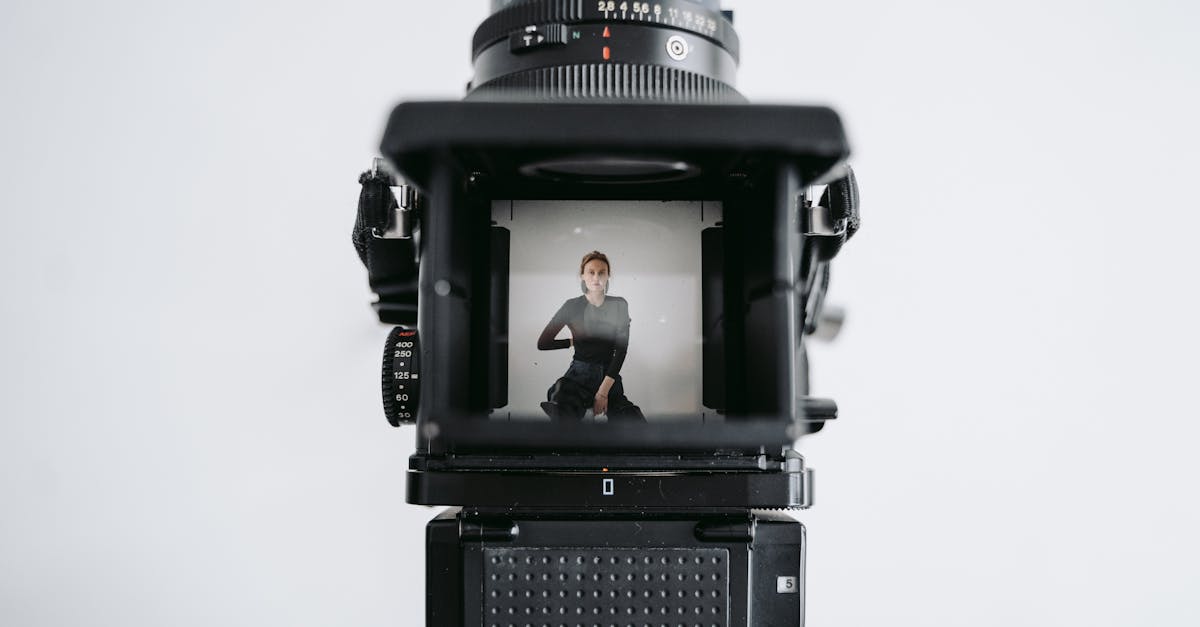
Photographic Equipment Fundamentals: Understanding Basic Equipment and Optional Image Options
Getting started in photography means first and foremost knowing the essential equipment that will allow you to capture sharp and expressive images. The first step is to distinguish between the different types of cameras available on the market in 2025, while keeping in mind that good equipment doesn’t necessarily mean the most expensive. To succeed in this field, you must master not only the operation of your camera body, but also the accessories that enhance it.
Whether you’re an amateur or aspiring professional, understanding the difference between a compact camera, a mirrorless camera, and a DSLR is essential. Each has its advantages, disadvantages, and, above all, its specific uses. The key to success lies in choosing equipment that suits your style, your budget, and your artistic ambitions. Understanding the main technical specifications—including resolution, sensor size, and lens compatibility—lays the foundation for progressing and capturing photos worth capturing. Discover our wide selection of high-quality imaging equipment, tailored to all your photography and video needs. Take advantage of the latest innovations to capture unforgettable moments with precision and creativity.

The choice of camera type depends largely on your frequency of use, your mobility, and the complexity of your photography. DSLRs, such as the Nikon D3500 or the Canon EOS 850D, offer advanced control over settings, with ergonomics appreciated by those who want to delve deeper into their technique. However, they are often heavier and bulkier. Their advantage: excellent image quality and compatibility with a wide range of lenses, including those from Sigma, Tamron, or Leica, for exceptional results.
Mirrorless cameras, such as those from Fujifilm or Sony, offer a compact size, fast autofocus, and the ability to change lenses, while remaining very lightweight. They are ideal for travel or for those who are just starting out but want to upgrade to professional equipment. Finally, compact cameras, such as the Canon PowerShot G7 X Mark III, may be sufficient for learning the basics, exploring street photography, or shooting videos with ease.
DSLRs: more control, appreciated robustness. Hybrid: lightweight, fast, versatile.
- Compact: portability, simplicity, plug-and-play efficiency.
- On this link, you’ll find more information to help you make the right choice based on your profile:
- Succeed in the BTS Biotech Baccalaureate (related to the precision of the equipment for specific uses). Because what’s essential is to put your equipment at the service of your creativity, not the other way around.
Lenses: the secret weapon for remarkable images (optional image) Lenses play a central role in the technical quality of your photos. A good lens can transform an ordinary scene into an impressive photograph. In 2025, there’s no shortage of variety: wide-angle, prime, telephoto, macro… depending on the subject, choosing your lens requires careful consideration. Most beginners start with prime lenses like the 50mm f/1.8, known for its beautiful definition and background blur. For landscape photography, choose a wide-angle lens, such as the 16-35mm. If you want to capture even more expressive portraits, a fast lens like the 85mm f/1.4 is perfect. Compatibility with brands like Sigma and Tamron also facilitates access to innovative lenses at attractive prices. Lens Type
Primary Use
Popular Examples
Wide Angle
| Landscapes, Architecture | Canon RF 15-35mm, Nikon Z 14-24mm | Prime Lens |
|---|---|---|
| Portraits, Street | Sony FE 50mm f/1.8, Fujifilm XF 35mm f/2 | Fast Zoom |
| Events, Nature | Sigma 24-70mm f/2.8, Tamron 17-28mm F/2.8 | Mastering quality lenses, from leading and lesser-known brands, remains essential for rapid progress. Technical mastery allows you to play with light and depth of field, and to produce images that are as beautiful as they are evocative. |
| Discover our wide selection of imaging equipment, from cameras to accessories, to capture every moment with exceptional quality. Whether you’re an amateur or a professional, find the ideal gear for your photography and video projects. | Essential optional imaging equipment and accessories: the little extra for your photos | Once you’ve selected your camera and lenses, you need to consider adding accessories. These often make the difference between an average photo and a high-quality image. Essential accessories include a tripod, a lighting system, filters, and a remote control. Their usefulness is often underestimated in the digital age, but they allow you to manage light, stabilize your shot, or play with graphic effects. |
Tripod: stabilization for long shots or macro shots 📷

Reflectors: management of natural or artificial light ☀️
Remote shutter releases: avoid camera shake 🎥
- For a smart purchase, prioritize compatibility with your equipment, especially if you rely on brands like Olympus or Panasonic. The availability of professional parts and accessories also ensures you won’t be stuck in the middle of a photo shoot. Discover our range of high-quality imaging equipment, designed to capture every moment with precision. Whether you’re a professional or an enthusiast, our products guarantee stunning results and exceptional visual rendering.
- The importance of lighting: the real challenge of photography in the image option
- Lighting is half the battle. Without it, even the best camera won’t achieve the desired effect. Understanding different light sources, whether natural or artificial, is essential to mastering the quality of your photos. In 2025, technological advances offer a range of tools such as external flashes, reflectors, and LED lights to enhance every scene.
- For example, in portrait photography, a light diffuser or softbox provides soft, even light, creating a very flattering result. Outdoors, controlling sunlight or low-light conditions is often a challenge. The key lies in the ability to adjust shutter speed, ISO, or white balance.
Use reflectors to direct natural light ☀️

Harness available light for creativity 🎨
Modern cameras also incorporate features like image stabilization, essential for avoiding camera shake, even without heavy equipment. Mastering lighting remains the key to achieving a professional result regardless of the shooting location.
Practice and experiment: the best method for mastering your optional image equipment
- Once all your equipment is in place, the only way to progress is to practice. Nothing replaces regular hands-on experience with your cameras, testing different configurations, and carefully observing the results. Photography relies as much on technique as it does on an artistic eye. Experimenting with a variety of subjects, both indoors and outdoors, will quickly allow you to appreciate the subtleties of your equipment.
- Remember that mastery comes with time and patience. In 2025, numerous online resources, tutorials, and forums help improve your skills. The key is to dedicate a little time to it regularly. The more you use your equipment, the faster you’ll understand its strengths and limitations, allowing you to create images that tell a story or capture the perfect moment.
- https://www.youtube.com/watch?v=emiKdhuXgxs
How to avoid common mistakes when choosing your optional equipment
The market is full of manufacturers and models, and it’s not always easy to sort through them. Many people make the mistake of buying a camera that’s too complex or, on the contrary, too simplistic, without taking their real needs into account. Going too fast can also lead to unnecessary spending, especially if you get carried away with brands like Leica or Panasonic without knowing their specific uses.
To avoid this, here are some recommendations:
Analyze your needs based on your photography style 🎯
Test them in-store if possible before purchasing 🛒
Check compatibility with the lenses and accessories you want to use 🛠️
Don’t give in to trends, prioritize ease of use 😊
- The more information you have, the more you’ll avoid regrets or unnecessary investments. Continuous learning and curiosity remain the best allies for progressing in this exciting field. Key points to check
- Practical advice
- Lens compatibility
- Check compatibility with your existing or future lenses 📸
- Suitable resolution
Between 20 and 24 MP, which is sufficient for most uses 👌
| Weight & ergonomics | Choose a lightweight camera if you move around a lot 🚶♂️ |
|---|---|
| Budget | Set a realistic limit so you don’t get carried away 💰 |
| Resources to consult to refine your choice | To deepen your knowledge, specialized sites offer detailed comparisons, including |
| Photography Equipment Buying Guide 2025 | . Consulting user reviews, forums, or explanatory videos will also be very useful in making an informed choice. |