
How can pressure impact the BTS Audiovisual program?
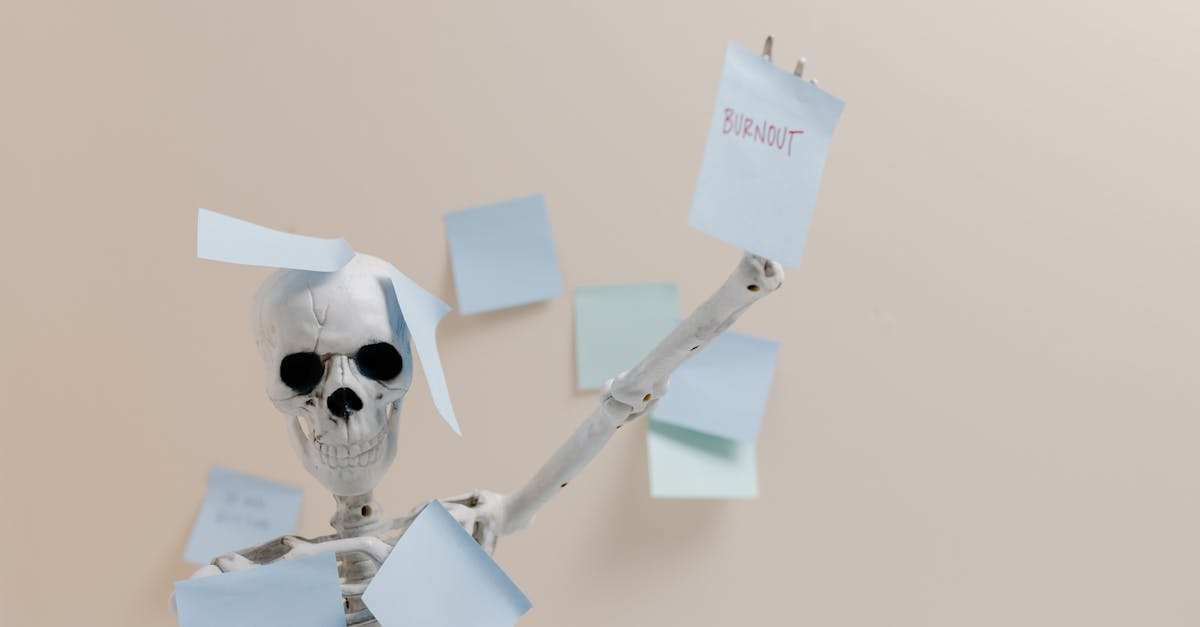
The BTS Audiovisual program is often a crucial step for those who want to get started in content creation, whether in video, sound, or post-production. But let’s face it, the pressure that comes with numerous projects, strict deadlines, and high expectations can quickly become overwhelming. The profession or training in this highly creative field requires careful emotional management. We often wonder: how can we manage all this without losing motivation or ending up burned out?
What is certain is that in a fiercely competitive environment, you must learn to stay calm to cope with potential crises, whether during a shoot or a crucial edit. The secret lies in solid organization, mental preparation, and mastery of technological tools like Adobe, DaVinci Resolve, or Final Cut Pro. The reality is that some students, despite their talent, end up overwhelmed by stress if no management strategies are put in place.
It’s also important to remember that this pressure is also a learning opportunity. It pushes you to excel, refine your adaptability, and develop skills that will be valuable in the professional world. Yet, where does this source of anxiety really come from? How can you keep it contained without it becoming overwhelming? The ability to manage these tensions is often the key to success in this exciting but demanding field.

The Main Sources of Stress in a BTS Audiovisual Program and How to Identify Them
We often wonder what the real culprits are for this pressure in the Audiovisual BTS program. Is it just the deadlines? The expected quality? Or even the fierce competition between students? The answer is that all of these reasons are combined. First, the workload is often similar. In one year, you must master several software programs such as Adobe Premiere, DaVinci Resolve, or Avid, while being able to manage several projects simultaneously.
Then there’s the pressure of deadlines. Projects have very strict deadlines, even when inspiration is lacking or other personal constraints arise. The sometimes overwhelming responsibility of delivering perfect work can become a real burden. The fear of not being up to the task, of finishing last, or of having your efforts rejected adds an additional layer of tension.
It’s also important to identify how this pressure manifests itself. It can take the form of insomnia, irritability, or a constant sense of urgency. Some people also feel this stress in their bodies: headaches, muscle tension, or chronic fatigue. Ultimately, the key is to identify these signs as early as possible so that appropriate strategies can be adopted. Being aware of these sources often allows you to address them with tools. For example, using software like Panasonic or Canon to enhance creativity or adopting a time management routine.
What’s reassuring is that there are concrete methods to reduce this stress, whether by structuring your schedule or asking for help when it becomes too much. The question is: how can we differentiate between healthy pressure and pressure that becomes unbearable?

Effective Techniques for Staying Calm in the Face of the Challenges of the Audiovisual BTS
Once you’ve identified where this pressure is coming from, the real challenge is to apply strategies to transform it into a positive motivator. So, what are these techniques that can make all the difference? The first is time management. It’s not just about making lists, but also establishing a realistic schedule, with rest periods. This often prevents finishing the night before or pulling all-nighters.
Then there’s mastery of the tools. Using the right versions of software like DaVinci Resolve or Final Cut Pro, and mastering your Sony or Nikon equipment, allows you to be more efficient. Familiarity with your hardware and software often gives you added confidence that can reduce anxiety.
The mental approach also plays an important role. Meditation or even a few deep breathing exercises, like those suggested in this article, help calm the mind during tense moments. It’s also important to learn to put things into perspective and accept that not everything will be perfect. Perfection is an illusion, especially in a program as technical as a BTS (Higher National Diploma).
Exchanging with loved ones or classmates is another key. Sharing doubts, asking for advice, or simply letting off steam builds collective resilience. Sometimes, a simple break or a genuine conversation can make all the difference. Finally, regularly engaging in outdoor activities, such as gardening or a hobby, helps reduce the stress endemic to the sector.
But how do you establish this routine in a busy schedule? The answer often lies in thoughtful organization and using management tools like those mentioned here. Plan your days by incorporating regular breaks 🌿Master your software and hardware 🖥️
- Use relaxation techniques 🧘
- Share your worries and seek support 🤝
- Practice an activity outside of audiovisual work 🎨
- Discover effective stress management techniques to improve your daily well-being. Learn to recognize sources of stress and manage them with practical tools and advice tailored to your lifestyle.
- Professional tools to anticipate and manage pressure in audiovisual creation
Editing software also plays a major role. Final Cut Pro or DaVinci Resolve, in addition to being powerful, offer automation or auto-correction features, saving time. These tools also allow for better project planning, thanks to integrated management features.
Project management tools are also very useful for anticipating overload. Microsoft Planner or alternatives like Trello or Notion—which integrate seamlessly with the Adobe ecosystem—facilitate task allocation, deadline setting, and progress tracking, reducing the stress associated with confusion or forgetfulness.
It’s also advisable to establish benchmarks or checklists to avoid oversights or errors. Finally, in a production context, good support from a mentor or organizational professional, as can be offered during studio or post-production internships, helps you approach challenges with confidence.
We might then ask ourselves, what specific tools do professionals actually use to limit the risk of mental overload? Tool
Type
Main Function
| Example | DaVinci Resolve | Software | Editing, color correction |
|---|---|---|---|
| Powerful and free tool | Microsoft Teams / Planner | Project management | Planning and tracking |
| Team coordination | Sony / Canon / Nikon | Hardware | High-quality image/sound capture |
| Professional cameras | Adobe Creative Suite | Software | Editing, effects, animation |
| A complete suite for creation | “Trello” | Online tool | Organization, task tracking |
| Very user-friendly interface | The role of training and internships in learning to manage stress | It’s easy to think that training isn’t limited to acquiring technical skills. Managing pressure is also an integral part of learning. The reality is that during internships in studios, post-production, or production, students often encounter situations that can be unsettling. Internships, for example, allow students to put into practice what they’ve learned in class while also experiencing the realities of life on the ground. It’s often at this point that students realize that anticipating the unexpected or putting the importance of certain details into perspective is the key to staying calm. | Training programs generally offer workshops or specific modules to address stress management. Sometimes, a trainer specializing in occupational psychology or stress management is involved to provide concrete tips or practical exercises. |
Internships also provide personalized support to learn how to manage pressure in a real-life and often unpredictable environment. In addition, they provide an opportunity to develop social and interpersonal skills, essential in the audiovisual sector where teamwork is omnipresent.
Question: What should you do if the pressure becomes too much during an internship? The answer is knowing how to rely on your acquired skills, daring to ask for help, or even taking a step back. Ultimately, training is the best preparation for facing these situations with confidence.
The Challenge of Balancing Work and Personal Life in a BTS Audiovisual Program
Make no mistake, in a sector where passion often takes precedence, maintaining a balance is crucial. Pressure doesn’t just come from projects; it can also seep into your personal life if you’re not careful. In a demanding program like a BTS (Higher National Diploma), the temptation is great to sacrifice your hobbies, sleep, or relationships.
But if you give yourself the means, it’s entirely possible to establish a balanced routine, even in a busy schedule. The key is learning to delineate spaces: in the evening, for example, prioritize complete disconnection to recharge your batteries.
Don’t hesitate to take advantage of digital tools to optimize your organization. Applications like Outlook or Google Calendar allow you to have a clear overview of your deadlines, availability, and relaxation time. Why not also schedule time for gardening or other calming activities?
This famous balance also means knowing how to say no when overload arises or when a new project threatens to throw everything off course. Learning to prioritize and set your limits, while remaining flexible, is the best way to avoid burnout. Because ultimately, we mustn’t forget that success in a BTS program also depends on the ability to manage your stress so as not to lose yourself. The question: how can we ensure that our passion doesn’t become a burden? Plan your breaks and personal activities 🤳
Use organizational tools to save time ⏰
Know how to say no when the overload becomes too much 🙅
Maintain a relaxation or hobby routine 🎶
Seek support if necessary 🧑⚕️
- The key to overcoming pressure: prepare effectively at each stage
- It’s clear that preparation is often the best response to stress. Whether it’s for a video project or an oral presentation, anticipation allows you to anticipate the unexpected. It also builds self-confidence, which is essential for dealing with pressure.
- How do you go about it? First, by using digital tools like
- Adobe
- to plan your tasks or by visualizing your progress on platforms like Trello or Notion. By also integrating intermediate deadlines, we avoid the accumulation of stress at the last minute. Also surrounding yourself with mentors or professionals, during internships or workshops, is a real plus. Their experience often allows them to better manage pressure by providing concrete solutions.
Finally, preparation should not only focus on technique, but also on emotional management. Positive visualization, self-suggestion or even some deep breathing techniques can make all the difference on the big day. We must also remember that everyone, even great professionals, have experienced moments of weakness or doubt. The key is to anticipate, set realistic goals and keep in mind that each step is a learning opportunity.
Do you want to improve your stress management? Consult
This item to learn more about organizing and planning. Preparation is the best weapon to face the storm with serenity! FAQ – Frequently asked questions about pressure management in the BTS Audiovisual
How to avoid procrastinating on projects?
You need to establish a realistic schedule, use tools like Trello or Notion, and set small steps to avoid the accumulation of stress. The key is to act little by little to move forward calmly. What role do internships play in stress management? Internships offer concrete experience that allows you to apply your knowledge in a real situation, while learning to put the unexpected into perspective and better manage pressure in a professional environment.
How to mentally prepare for an oral defense?
- It’s recommended to rehearse several times, visualize success, and use breathing techniques to calm stage fright. Regular mental preparation is often as important as mastering the content.
- What tools can you use to effectively organize your audiovisual projects?
- Software like Adobe, DaVinci Resolve, and Final Cut Pro, as well as management tools like Trello, Microsoft Planner, or Notion, facilitate planning and task allocation, reducing overload.
- How can you maintain a balance between your personal and professional life?
- You must set clear boundaries, schedule relaxation time, respect your rest periods, and don’t hesitate to ask for support when you feel overwhelmed. Balance is the lasting key to success in this exciting field.