Embarking on a BTS (Higher National Diploma) in audiovisual studies today offers several options, ranging from private schools to public high schools. When considering audiovisual training, it’s easy to wonder whether choosing a private school, often more expensive, is really worth it over a public institution, which is more affordable. The reality is that each path has its advantages and disadvantages, depending on what you’re looking for: networking, technical equipment, atmosphere, and even tuition costs. In 2025, the question is no longer simply one of choice, but of making a selection tailored to your professional ambitions. In this comparison, we’ll unpack all these aspects to better help you navigate the vast world of BTS (Higher National Diploma) programs in audiovisual studies, based on your budget, the quality of teaching, and the environment that’s convenient for your future career. So, private school or public school, which is the best option for success in this dynamic sector? The Fundamental Differences Between a BTS in Audiovisual in a Private School and a Public High School
Choosing between a private school and a public high school for a BTS in audiovisual training often raises questions: what justifies the difference in costs, and above all, what guarantees the best quality of teaching? The first notable difference lies in the cost of tuition. Generally, private schools charge higher fees, which can reach several thousand euros per year, while public high schools are virtually free, except for living and material expenses. But does this price difference imply a difference in terms of skills or equipment? It all depends on what you expect from your training.
Private schools often boast state-of-the-art technical equipment, privileged access to professional networks, and sometimes more organized internships. For public high schools, the main asset remains their historical reputation and their location in major cities, with solid teaching methods. The quality of teaching is generally comparable, especially in reputable institutions, but budgets and available resources can influence the diversity of facilities.
Finally, the difference in atmosphere and teaching methods can also play a role. In a private school, the teaching approach is often more personalized and flexible, adapted to a motivated student profile. In contrast, in a public high school, support remains collective, but the teaching method can benefit from a highly experienced teaching staff.
Discover the BTS audiovisual program, an exciting program that immerses you in the world of audiovisual creation. Learn filming, editing, and sound techniques while developing your creativity. Prepare for a dynamic career in the media and entertainment industry. Selection criteria: budget, equipment, network, and internship
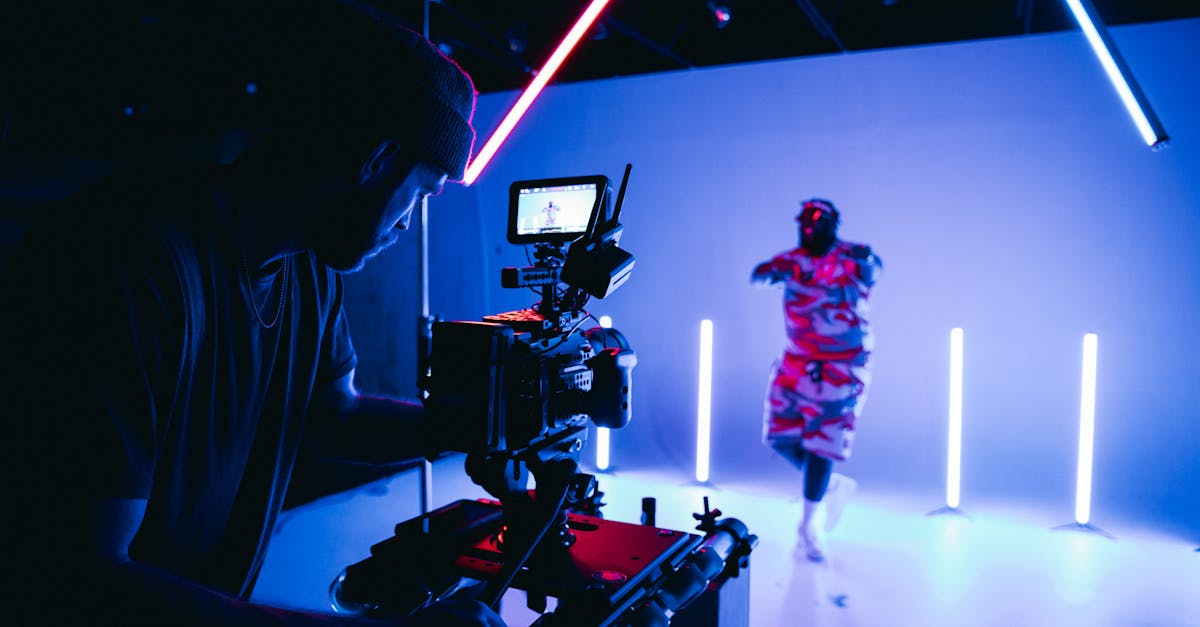
Next, the professional network. Private schools often offer immediate access to a network of artists, producers, and technicians, which can facilitate the search for internships or jobs. Public high schools, for their part, sometimes have strong partnerships in the community or public sector, but their network often remains more limited. Visibility in the audiovisual sector therefore becomes a factor not to be overlooked to boost one’s career.
Finally, internships are a real challenge in the audiovisual BTS program. In this field, practical experience is extremely important. Some private schools regularly organize internships abroad or in major studios, taking advantage of their network. Public high schools also offer excellent opportunities, especially if the institution has well-established local relationships. The key to success will then depend on your ability to take advantage of these experiences and the contacts you make.
Discover the audiovisual BTS, a comprehensive program that immerses you in the world of image and sound. Learn production, post-production, and broadcasting techniques while developing your creativity and technical skills. Prepare for an exciting career in the audiovisual industry!
Programs and teaching methods: combining theory, practice, and innovation
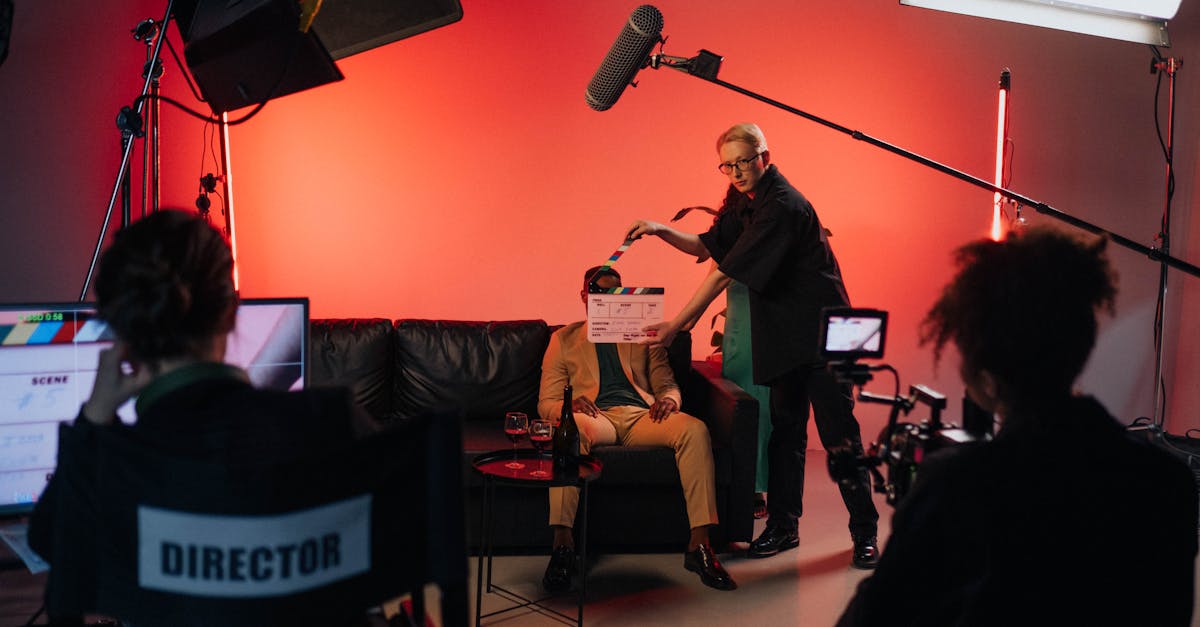
Private schools often emphasize practical training, with numerous workshops, real-life projects, and sometimes the participation of professionals during classes. Innovative teaching methods, using new virtual reality or augmented reality technologies, are becoming a real plus. The program can also better adapt to rapid changes in the sector by offering modern modules.
Public high schools, especially those specializing in audiovisual, offer a solid curriculum, balancing theory and practice. Their strength lies in the transmission of fundamental knowledge, essential for starting a career. The difference sometimes lies in the provision of equipment, or in the opportunity to carry out one’s own projects under the supervision of experienced teachers. Criteria
Private School
Public High School
| 💰 Tuition Cost | High, often several thousand euros/year | Free or very inexpensive |
|---|---|---|
| 🎥 Technical Equipment | Latest generation, modern labs + studios | Solid equipment, sometimes older |
| 🤝 Professional Network | Extensive networks, partnerships with professionals | Local connections, often less extensive |
| 💼 Company Internship | Partnerships with international studios and artists | Local or community partnerships |
| Career Opportunities and Recognition of the Audiovisual BTS | Once the program is completed, the real challenge is entering the audiovisual sector, which is often highly competitive. Recognition of the BTS, whether from a private or public school, generally remains the same, provided the training is well-focused and modern. But beware: some employers value internships and experience more than the name of the institution. | There are numerous career opportunities: assistant director, director of photography, editor, sound technician, production manager, or even creative in post-production. Work-study programs often accelerate this integration. The opportunity to complete internships in renowned companies or on innovative projects is a major advantage. |
To increase your chances, many people consult
this article on careers related to the BTS audiovisual program
or rely on the sector’s trends in 2025 to adapt their curriculum. Diploma recognition also depends on up-to-date coursework, the relevance of completed projects, and, above all, the ability to build a solid portfolio.
Discover our BTS audiovisual program, where you will learn production, direction, and post-production techniques in the audiovisual field. Prepare for an exciting career at the heart of media and visual creation. The Advantages of a Work-Study Program in a BTS Audiovisual Program: Focus on Practice The work-study option is often considered a real added value in a BTS audiovisual program. It allows students to directly compare their academic achievements with the professional world, whether in a private school or a public high school. Practical experience and hands-on experience are key to quickly entering the sector. Private schools often opt for a series of contracts, sometimes even in international studios or production agencies. The compensation and exposure to different work environments can then make all the difference. For public high schools, work-study programs also become an asset for building a network, especially if the institution has strong local or national partnerships.

this article dedicated to work-study
. Success also depends on your motivation to multiply experiences, internships, and professional contacts.
What are the criteria for choosing the best audiovisual BTS training in 2025?
Choosing your education, between private school or public high school, requires asking the right questions. Geographic proximity, do we have a professional studio or state-of-the-art equipment? Is the limited cost in the public compensated by access to networks or interesting internships? The reputation of the establishment also plays an important role. To make an informed choice, here is the list of priority criteria:🌟 The quality of the
education
and
technical equipment
- 💼 The proximity ofprofessional networks 🎓 The reputation of the establishment 💰 The cost of training
- 🤝 The wealth of business internships
- proposed
- FAQ: understand everything about the audiovisual BTS in private or public schools
- What is the main difference between private school and public high school for an audiovisual BTS? The main difference lies in the cost of education, with private schools significantly more expensive, but also access to more modern equipment and a more extensive network. Does choosing a private school increase my chances of entering the sector?
Not necessarily, but it can give an advantage with more prestigious internships and a developed professional network, provided you exploit these assets well.
- What training should be favored for rapid integration?
Work-study training often remains the best way to gain experience and networks, essential in the audiovisual sector in 2025. - Does the diploma have the same value depending on the establishment?
Generally, yes, provided the training is recognized and up-to-date, but reputation and practical experience make a difference. - Is there a difference in terms of opportunities depending on the region?
Absolutely. Large cities offer more opportunities, both in the public and private sectors, with more extensive studios, festivals, and networks.