
For audio professionals or passionate amateurs, choosing the right sound production software can be like finding the best plant in a garden. Between Pro Tools, Ableton, Logic Pro, FL Studio, Cubase, Studio One, Reason, Reaper, GarageBand, and Audacity, it’s not just a simple tool, but a true ally for harnessing the full potential of sound. In 2025, the market is full of sophisticated options, each with its own strengths and particularities. Whether for recording, mixing, or mastering, each software has its own specific features that can make all the difference depending on your project. The choice should not be made lightly, as the interface, compatibility, ease of use, and also budget all come into play. Just as in a garden where you select the plant according to your specific needs, the user must choose according to their expectations, skills, and technical environment. Exploring these tools in depth not only helps you improve your efficiency but also develops genuine expertise. That’s why it’s essential to understand their features, strengths, and limitations before making your choice.
Why professional sound software is crucial in audio creation
Sound processing software is a bit like the soil in a garden: it must be rich, suitable, and allow each element to grow harmoniously. In the studio, the difference between a well-polished sound and a rough recording can simply lie in the choice of software. In 2025, we can clearly see that certain programs have become essential in the industry, notably because they offer broad hardware compatibility, a range of advanced effects and processing, or an intuitive interface. For example, Pro Tools remains the benchmark in the majority of professional studios for mixing and mastering, thanks to its stability and advanced features. But others, like Ableton or Logic Pro, also appeal for their flexibility and creative potential. The key to success in an audio project is precisely mastering these tools, knowing how they work, and being able to adapt quickly to each situation. Especially since the (re)broadcasting of audio content will become essential in 2025, whether for music, podcasts, post-production, or synchronization with other media. It’s the sophistication of the software that allows you to elevate a simple project to a professional-level production, without compromising on quality.
The key criteria for choosing professional audio software
What should you really consider when investing in audio software? The answer isn’t that simple. The first step is to analyze your working style. If you prefer to mix live or multitrack, software like Pro Tools or Studio One will be ideal. If you need to quickly create beats, then FL Studio or Ableton will be more suitable. Compatibility with your hardware (sound card, MIDI controllers, interfaces) should also be taken into account. Next, ease of use is essential: overly complicated software can quickly become a source of frustration. The trend today is to opt for streamlined interfaces with intuitive shortcuts and excellent stability. Finally, budget should not be overlooked: some software, like GarageBand or Audacity, is free, while others, like Pro Tools or Cubase, require a significant investment. The length of training and the availability of educational resources also play a role in the decision. The best thing to do is to take advantage of the trial versions offered by many of these programs to form an opinion and avoid disappointment.
The different versions and options of these audio software programs in 2025
In the world of sound production, the same platform can exist in several editions. For example, Ableton offers a low-cost introductory version, a standard version, and then a complete suite for demanding professionals. The main differences lie in the number of tracks, effects, and virtual instruments available. Similarly, Pro Tools offers a monthly subscription or a one-time purchase for its ultimate version, with additional features, access to exclusive plugins, and cloud options. With PreSonus’ Studio One, the range extends from lightweight software, perfect for beginners, to a professional version suitable for studios. Cross-platform compatibility also plays a role: Reaper, for example, works on Windows, Mac, and Linux, offering a flexible, low-cost solution. These options allow each user to choose a plan that suits their needs and can be scaled over time. The best strategy is to start with a version suited to their level, then progress to richer editions as projects progress or become more complex. Detailed Analysis of the Main Pro Sound Software Options
If we were to create a simplified comparison table of the most widely used software in 2025, here’s what it might look like:
Software
| Operating Systems | Strengths | Primary Use | Approximate Price | Pro Tools |
|---|---|---|---|---|
| PC / Mac | Stability, broad compatibility, professional processing | Mixing, mastering, multitrack recording | Subscription starting at €30/month or one-time purchase (~€2,000) | Ableton Live |
| PC / Mac | Live creativity, intuitive interface, loop management | Electronic production, live performances | ~€349 to €749 depending on version | Logic Pro |
| Mac only | Rich VST features, optimized for Mac, intuitiveness | Composition, arrangement, MIDI editing | ~€229 (single license) | FL Studio |
| PC / Mac | Step sequencer, rich library, ease of use | Electronic music, beatmaking | From €99 to €899 depending on the version | Reaper |
| PC / Mac / Linux | Lightweight, customizable, affordable | Mixing, recording, post-pro | Approximately €60 for the license | Discover the world of DAWs (digital audio workstations): essential tools for music production, recording, and mixing. Explore the different options available, their features, and how to choose the one that best suits your musical needs. |
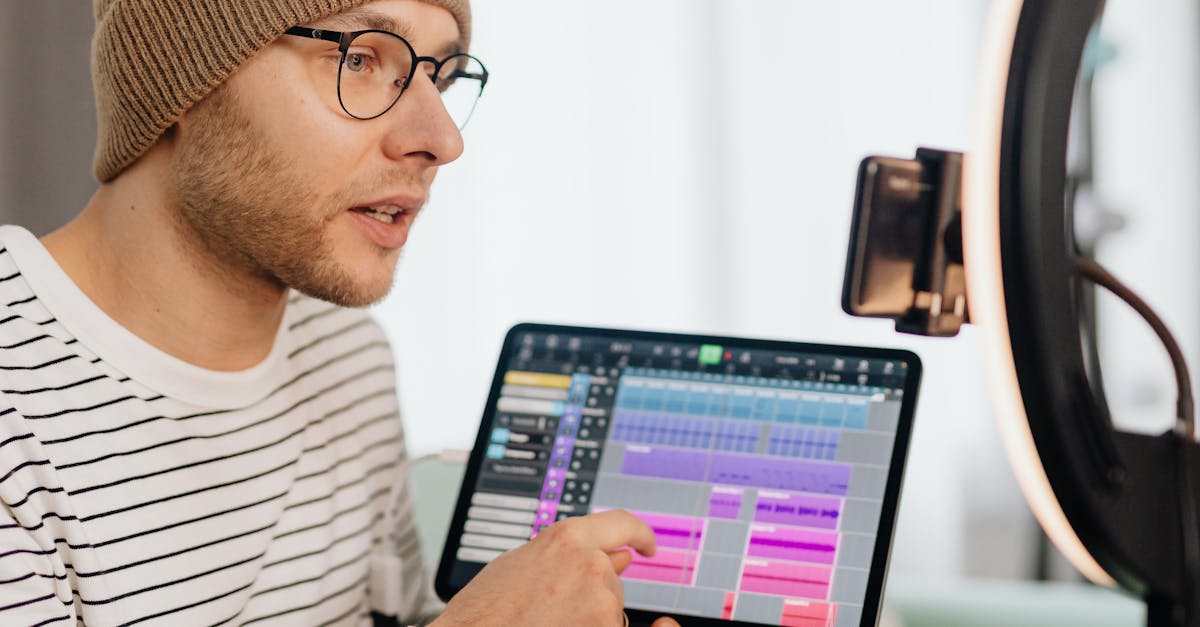
The audio industry is constantly evolving, and 2025 is no exception. The trend is toward the integration of artificial intelligence for automatic note generation or pitch correction. Software like Ableton or Logic Pro now includes tools to improve workflow, via mix or arrangement suggestions. Compatibility with virtual reality also makes it possible to create an immersive sound space, where the user can manipulate sound in a 3D environment. Add to this the growing power of processors and the increased sophistication of plugins, which make it possible to produce sound that is simultaneously clear, rich, and complex. Some software is even moving toward remote collaboration via the cloud, facilitating teamwork, particularly for film scoring or post-production. The convergence of audio and video, with integrated tools for synchronization and visualization, is also opening new horizons. In short, by 2025, software like Pro Tools or Ableton will become intelligent, adaptive, and, above all, more accessible platforms, even for experienced amateurs.
Frequently asked questions about professional audio software
Which software should I choose if I’m new to audio production?
- Should I choose subscription-based or one-time software?
- What are the most widely used software programs in the industry in 2025?
- Are all these programs compatible with my hardware?