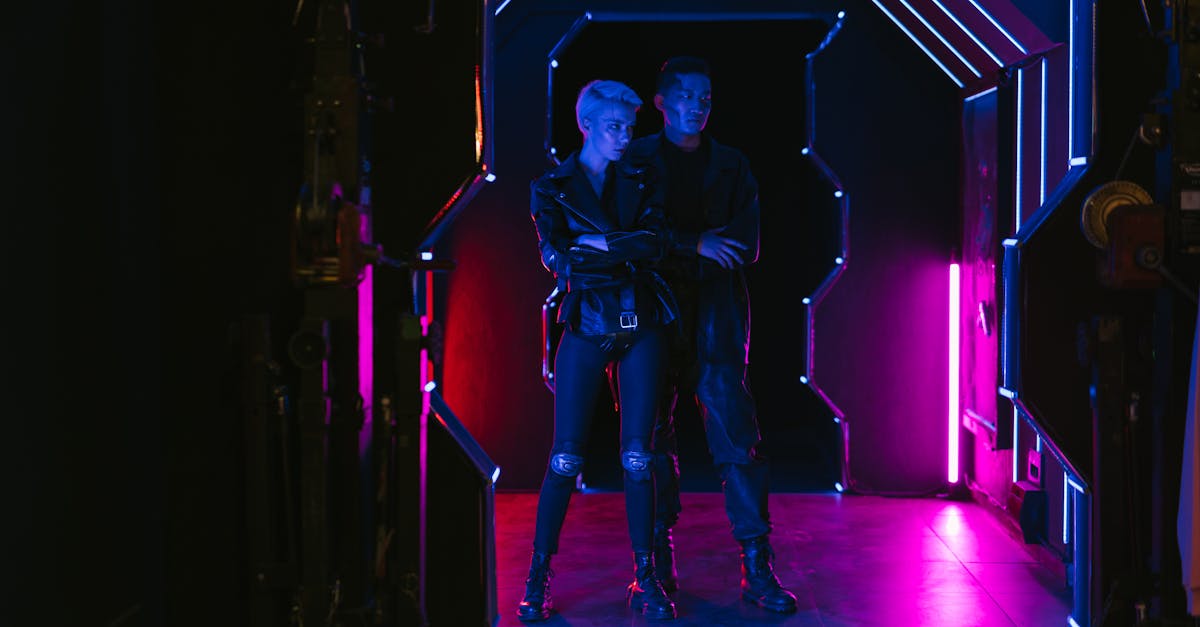
With the rise of digital platforms and the rise of independent artists in 2025, making a successful music video independently has never been more accessible. Today, any artist can make their music shine without depending on a large production team or an exorbitant budget. What makes the difference is, above all, creativity, mastery of modern tools, and good organization. Whether it’s to promote a single or develop a strong visual identity, making a music video alone or with a small team is becoming an essential step in capturing the attention of an increasingly demanding audience. Once a well-defined idea is in place, filming can be done quickly, and editing through to broadcast doesn’t require significant resources either. The key is knowing the tricks, being bold while remaining pragmatic. In this article, we’ll explore how to get started in music video creation, step by step, so that your video becomes a true vector of your artistic universe. Whether you’re a beginner or already experienced, you don’t need a big budget or professional equipment to stand out. With a little preparation, some good ideas, and a few simple techniques, your music video can go viral and make a lasting impression. In 2025, mastering certain software and understanding distribution strategies can really make the difference. Come on, let’s break it down so you can become the director of your own success. 💥
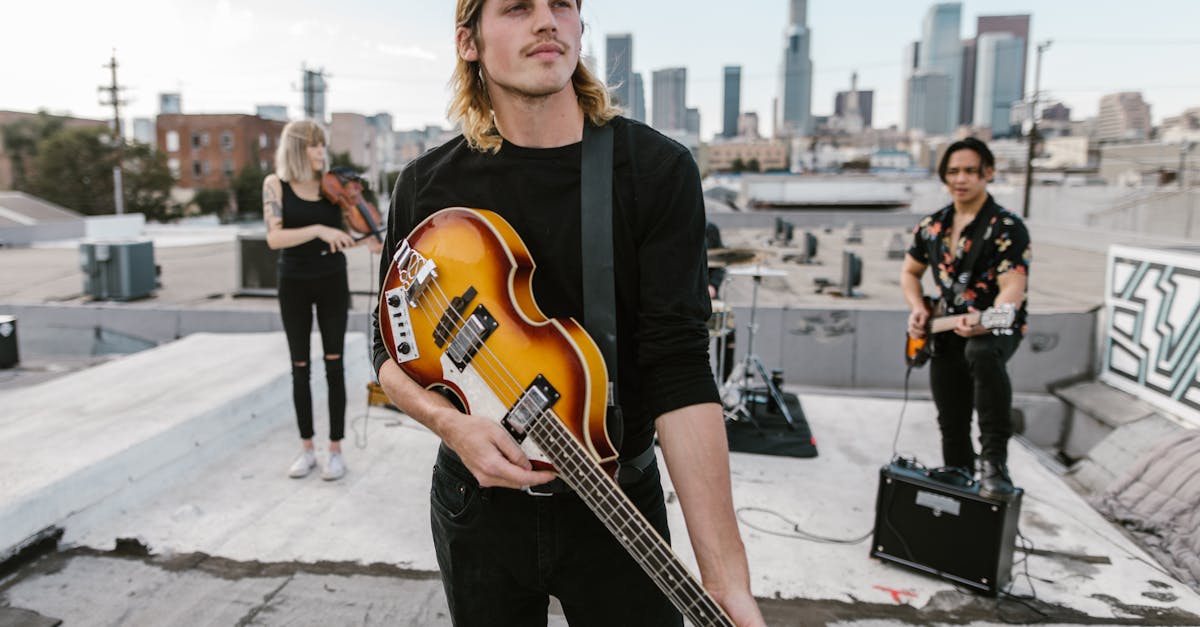
Why the music video is the main tool for standing out in 2025
The music video is now the essential showcase for any musician looking to quickly attract attention. According to recent studies, around 80% of Internet users watch at least one video every day, and the majority favor visual content to discover new music. A picture is often worth a thousand words, especially in a world where video can capture the essence of a universe in a few seconds. The majority of viewers generally stop watching after a minute or two if the beginning doesn’t grab them. It is therefore crucial to put together an impactful clip from the very first images to retain the audience. The video doesn’t just serve to illustrate the song; it’s a way to embody it, bring it to life and create a strong emotional experience. At a time when virality often happens in a few hours, it is more vital than ever to use the power of images to convey a clear, authentic, and above all, visually captivating message. For example, the success of some music videos isn’t just due to the artist’s popularity, but also to the quality of their visual storytelling, as current trends demonstrate. Video has become the primary gateway to unveiling one’s musical universe independently, especially in a context where 99% of the information reaching the brain is visual. 🖼️
Choosing the Right Concept for a Standalone Music Video
It all starts with the concept. How do you create a powerful idea that captures attention from the first second? The key often lies in introspection: starting with what you love, your passions, or your worlds. It’s not necessarily a revolutionary idea that will make the difference, but an authentic idea, adapted to you. For example, a nature enthusiast might consider a music video shot outdoors, in a place they love, playing with natural light. If you give yourself the means, you can even embark on simple storytelling: recounting a day, a transformation, or simply capturing moments of life in harmony with the music. Simplicity can also be a strength, especially when using a unique location or a minimalist setting to highlight emotion. Having a clear, structured idea saves time during filming and guides the editing. The goal is to amaze, surprise, but above all, to be consistent with the visual and sound universe. And to avoid routine, you have to dare to think outside the box: play with simple visual effects, use contrasting lighting, or incorporate humorous or choreographic elements. By being true to yourself, it becomes easier to be convincing and convey a real emotion. Planning is essential to transform this idea into a concrete reality. Here is an example of a simple storyboard that can easily be created in a unique location.
| Step | Description | Example |
|---|---|---|
| Basic Idea | Personal inspiration, passions, or world | Dance film in an urban park |
| Visual Style | Minimalist, colorful, vintage, etc. | Retro filters with pastel lighting |
| Set | Choice of Location | An old abandoned subway station |
| Effects | Visual or special effects | Slow-motion effect on the choreography |
| Emotion to convey | What the video should convey | Joy, nostalgia, anger |
Optimizing preparation for an efficient, independent shoot
The success of a music video also depends on meticulous preparation. From choosing the location, managing the equipment, and planning the scenes, each step must be mastered to avoid stress. What are some tips to keep things from going haywire on the big day? The first rule is to know your equipment well. Today, with applications like rhythmic editing, or software such as Final Cut Pro, Adobe Premiere Pro, or DaVinci Resolve, it’s possible to fine-tune shots and adjust the rhythm so that everything fits perfectly with the music. Your smartphone camera or a compact camera can be sufficient, provided you master the lighting and framing. Also, consider a checklist to avoid forgetting the microphone, batteries, or any other essential accessories. Natural light is often your best ally, but consider including artificial light sources like LED lamps, especially if filming extends into the late afternoon. ✅ Prepare a precise script with key scenes✅ Check all equipment the day before ✅ Plan filming times based on the light (the golden hour)✅ Scout locations in advance, with permits if necessary ✅ Plan simple effects (filters, colored lights)Good timing and efficient organization often avoid wasted time and help maintain a pleasant atmosphere on set. With the right tools, a simple and realistic plan is often enough to produce a quality music video. Coordination with lighting, equipment, and staging is a fundamental step. To simplify things even further, software like Logic Pro or Pro Tools can also make sound adjustments in post-production. Ultimately, the key is to stay focused, while remaining flexible in the face of unforeseen circumstances that inevitably arise at one point or another.https://www.youtube.com/watch?v=sjF5f2mOUF4
- Creating an Intuitive Film: Tips and Techniques for a Successful Music Video
- When it comes time to film, what’s better than letting your instincts guide you? Technicality, yes, but above all, emotion. How can you ensure each shot is natural, dynamic, and in sync with the music? The first step is to adopt a fluid approach, playing with different angles and movements. Camera placement should be carefully considered to give rhythm to the video. For example, using a stabilized grip or a simple tripod allows for static shots or gentle tracking shots, which are very popular. For a more immersive effect, moving shots should follow the dynamics of the song. Also consider using natural light, especially outdoors, or supplementing it with LED lights to enhance the atmosphere. The best technique for a successful music video is not to plan everything in advance, but to experiment live, capturing the essence of the moment.
- 🎥 Vary the shots: close-ups, medium shots, long shots
- 🎬 Use the natural movement of the body or the environment
- ✨ Play with light and contrasts
🎭 Don’t hesitate to improvise to capture authenticity 🔥 Practice beforehand to improve the flow of the performance Another tip is to film multiple takes to choose the best parts during editing, which leaves room for maneuver. Spontaneity will bring out the full potential of your music video. The camera should become an extension of yourself, a tool to express your world. With good equipment, such as a high-end smartphone or a lightweight camera with additional lenses (e.g., Splice), you can achieve professional-looking footage. Don’t be afraid to experiment with different framing styles, play with slow-motion or fast-forward effects, or even include sequences shot in reverse. The key is to be bold while remaining faithful to the emotion you want to convey. https://www.youtube.com/watch?v=Mg5veuU8E9Q Post-production: Edit your music video with creativity and professionalism
Editing Step
Description
- Recommended Tool
- Sorting and Selection
- Choosing the Best Shots
- Adobe Premiere Pro / DaVinci Resolve
- Effects and Transitions
Add Visual and Transitional Effects Final Cut Pro / Wondershare FilmoraAudio-Video Synchronization
Pro Tools / Logic Pro
Color Correction Harmonize the Visual PaletteWaves / Adobe Lightroom ExportHigh Definition Output MP4, 1080p+ Format For professional results, don’t hesitate to explore free or accessible tools like rhythmic editing, which allows you to perfectly synchronize the rhythm of the video with that of the music. Creativity in editing makes all the difference. Add simple visual effects, play with speed, or insert graphic elements to add style. For amateurs, GarageBand or even Splice on mobile can be enough to fine-tune the sound. Remember that consistency between the visual and musical worlds must remain a priority. Editing is often the final step in transforming a simple video into a powerful clip, ready to captivate and create a buzz.
| https://www.youtube.com/watch?v=UtP2Bii-toY | Sharing Your Clip: Strategies for a Successful Self-Launch | Once the music video is finalized, you need to know how to share it to maximize its reach. The majority of views today come through YouTube, but TikTok or Instagram can also play a major role in virality. Before posting, prepare a catchy thumbnail, featuring a strong image or a key moment from the video. Also, consider writing a precise description, including the lyrics or context. Use relevant hashtags like #IndieMusic, #MusicVideo, or #DIY to best target your audience. The teaser strategy also works very well: post preview clips, behind-the-scenes footage, or anecdotes to create excitement. Timing is essential: according to studies in 2025, a midweek release optimizes visibility, especially if you’re launching it alongside a live stream, a Q&A, or a challenge on TikTok. 🚀 Publish on YouTube, the main music video platform |
|---|---|---|
| 🎬 Share clips on Instagram and TikTok | 👥 Engage with your community via comments | ✨ Offer behind-the-scenes or behind-the-scenes footage to generate interest |
| 📅 Plan the release date to maximize impact | By adopting a coherent and engaging distribution strategy, you can turn your music video into a real phenomenon, even if you’re working alone. Don’t forget to continue uploading regularly, respond to your audience, and vary the formats to maintain interest. The power of digital technology lies in the ability to create a real community around your music. Also consider integrating links to your other networks or collaborating with other artists to increase your visibility. | https://twitter.com/PhCosentino/status/1830292910874501267 |
| Essential software for creating and editing a music video independently | In 2025, certain software tools have reached such maturity that they greatly facilitate music and video creation. For composing or producing music, platforms like Ableton, FL Studio, or GarageBand remain essential, offering a wide range of effects and samples. For video editing, Final Cut Pro or Adobe Premiere Pro remain the standards, but free alternatives such as DaVinci Resolve have also proven their effectiveness. Mastering can be done with Waves or other plugins to give music a professional finish. During filming, a high-end smartphone camera or, if possible, a small camera with an additional lens, are sufficient to capture quality footage. Mastering these tools, combined with good organization, allows an artist to do everything themselves: compose, film, edit, and broadcast. Software / Hardware | Primary Use |
| Example | Ableton | Music production, mixing, remixing |
| Rhythm editing | Final Cut Pro / Adobe Premiere Pro | Video editing and post-production |
Professional editing, special effects WavesMastering and sound processing
Splice
Mobile sampling and effects
- Music loop manipulation
- Smartphone + additional lens
- Video capture
- Outdoor or indoor footage
- The secret lies in mastery and creativity, but also in the ability to use these tools in a complementary way. Producing your music with Ableton or FL Studio, filming with a high-quality smartphone, and editing with DaVinci Resolve or Final Cut is possible even without a professional studio. All this while paying particular attention to consistency between visual and audio. Mastering these techniques, combined with a well-thought-out distribution strategy, allows you to reach an audience independently. To learn more about this, feel free to check out this article:
Rhythmic Editing: Impact and Stage
https://www.youtube.com/watch?v=L8VrxNNaX2Y
Frequently Asked Questions About Making Music Videos Yourself 1. Is it really possible to make a professional music video on your own?Absolutely. With good organization, modern tools like Ableton, Final Cut Pro, or DaVinci Resolve, and a clear idea, you can create a quality video without hiring a large team. 2. What budget do you need to start filming a music video at home? With a very limited budget, you can get by with a high-end smartphone, a few DIY accessories, and good planning. The key is creativity and ingenuity.3. How can you effectively distribute your music video without a studio platform? Mainly using YouTube, TikTok, and Instagram, paying attention to the thumbnail, description, and communication strategy. Regular sharing with your community is also essential. 4. What are the essential tools for editing in 2025? DaVinci Resolve, Adobe Premiere Pro, and Waves plugins for audio. On mobile, Splice or GarageBand may be sufficient for some projects. 5. How can I make my music video go viral? Be authentic, choose a strong idea, focus on visual quality, and use an appropriate distribution strategy. Virality also depends on timing and engagement with the community.