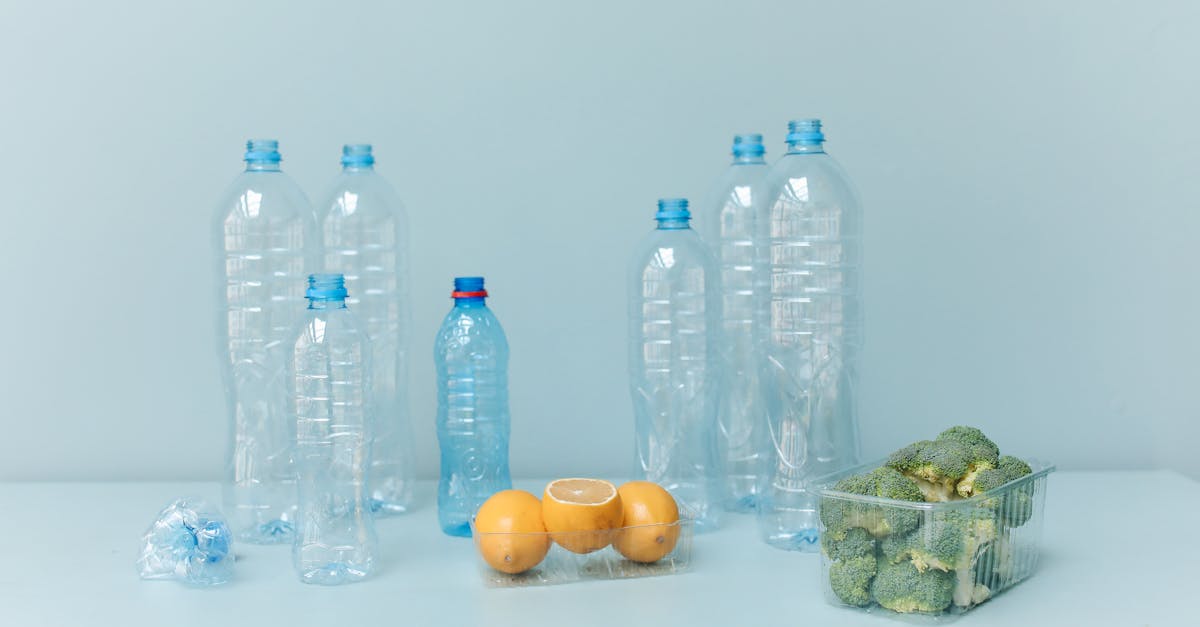
In 2025, biological and chemical waste management will become a crucial issue for laboratories, industries, and our environment. With nearly 400 million tons of waste produced each year, a significant portion of which is toxic or infectious, it is vital to adopt responsible and innovative practices. Pollution, human health, and safety are directly threatened by inadequate management. How can we tackle this mountain of waste while complying with strict regulations? The answer lies in proactive management, supported by modern technologies and increased awareness. Companies like Veolia, SUEZ, and TerraCycle offer tailored solutions to optimize recycling, reduce waste production, and ensure its environmentally friendly disposal. In this article, we will explore how to turn this necessity into an opportunity, how to reduce the amount of hazardous waste generated in our laboratories while safeguarding our planet and complying with current regulations.
The Importance of Regulatory Compliance in Waste Management
Managing biological and chemical waste is not a simple maintenance task. It is a regulatory responsibility that requires precise knowledge of current laws and standards. In 2025, French and European legislation is stricter than ever, imposing stringent obligations on waste producers. According to the regulations, each step, from generation to disposal, must follow a rigorous process to avoid the risk of contamination or sanctions. For example, the ISO 14001 standard now guides all organizations toward effective environmental management. Why are these standards essential? Because they guarantee a controlled, traceable, and transparent system. The key lies in precise monitoring, rigorous documentation, and the integration of digital tools such as laboratory management software, facilitating compliance and safety. Standard
| Main Objective | Application | ISO 14001 |
|---|---|---|
| Sustainable Environmental Management | Management Systems, Traceability | European REACH Regulation |
| Control of Chemical Substances | Risk Reduction, Reporting | Decree of June 16, 2006 |
| Disposal of Hazardous Waste | Regulated Disposal Procedures | WEEE Directive |
| Recycling of Electrical and Electronic Equipment | Sorting, Specific Collection | Basel Convention |
| International Transfer of Hazardous Waste | Traceability, Documentation | Major Challenges in Biological and Chemical Waste |
Globally, waste management poses a dual challenge: technical and ethical. Toxic or infectious products require specific treatment, which is often costly and complex. Their handling must comply with a flawless safety chain to prevent contamination or accidents within laboratories or in the environment. Contamination of groundwater, accidental release of effluent, or hazardous waste fires are all risks. Furthermore, biological waste management also poses ethical challenges, particularly the preservation of biodiversity and the fight against pollution. According to our data, more than 60 kg of hazardous waste are generated by each person each year. In response, innovative solutions are needed, such as recycling or transformation into eco-materials. The key is to minimize waste production, improve sorting, and promote recycling, particularly through partners like Ecovia or Green Waste Solution, which offer more environmentally friendly processes. 💡 Adoption of precise and systematic sorting
🚮 Enhanced recycling and recovery of organic waste
- 🧪 Elimination or substitution of hazardous substances
- 🔬 Innovation in biological treatment
- 💧 Continuous monitoring of storage sites
- Techniques and tools to effectively reduce waste in the laboratory
- Reducing the amount of biological and chemical waste requires the use of precise techniques and modern tools. Implementing a digital management system, such as LIMS software, facilitates this mission. Beyond simple traceability, these tools enable precise monitoring of each step: storage, use, and disposal. Why is this crucial? Because careful management allows us to anticipate and avoid overproduction or excessive storage of waste. We can also optimize the use of resources, such as reagents or consumables, to limit waste. Reducing single-use plastic is also a major challenge. For example, especially in laboratories, it is preferable to use reusable or biodegradable containers, with the help of companies like BioCollecte or Ecovia, which offer eco-friendly material solutions. Tools
Main Features
Benefits
| LIMS Software | Traceability, Inventory Management | Error Reduction, Resource Optimization |
|---|---|---|
| Automated Equipment | Decantation, Sterilization | Time Savings, Increased Safety |
| Biologically Degradable Materials | Plastic Reduction | Less Environmental Impact |
| Biomechanical Composting Systems | Organic Waste Transformation | Recovery, Volume Reduction |
| Smart Sorting with QR Codes | Identification and Tracking | Better Control, Reduced Errors |
| Sustainable Solutions for Waste Treatment and Recovery | Faced with the ecological emergency, several stakeholders have developed innovative solutions for the sustainable management of biological and chemical waste. Biodesign and biological recycling are among the major trends. For example, companies like TerraCycle now offer dedicated recycling channels for laboratory items, which are often overlooked in traditional recycling channels. Furthermore, concrete initiatives, such as those of Green Waste Solution and Ecovia, process organic waste to produce compost or biogas, contributing to a circular economy. Recycling is not only a way to reduce waste volume; it is also becoming an economic opportunity. Some industries have even invested in the production of biodegradable or compostable equipment to limit the use of traditional plastics. The key to a sustainable future lies in collaboration between laboratories, industries, and recycling stakeholders to create environmentally friendly recycling channels. 🌱 Increased use of biodegradable materials | 🔄 Recovery of organic waste into biogas or compost |
🧪 Development of innovative biological processes
💼 Partnerships between laboratories and recycling stakeholders (TerraCycle, Green Waste Solution)
- 🚀 Investment in research for greener alternatives
- Key stakeholders and their role in responsible waste management
- To ensure effective management, several stakeholders play a complementary role. Specialized companies like Veolia and SUEZ offer comprehensive collection, treatment, and recycling services. Institutions like Papeteries de Gennevilliers and Ecovia offer eco-design solutions with biodegradable materials, often to reduce the impact of items used in laboratories. Organizations like BioCollecte and Recyclage Paris organize sorting and recovery circuits. The key to their effectiveness? Close collaboration, traceability, and continuous innovation. For example, a laboratory can implement a strict sorting policy, while adopting a digital platform to track its waste and contracting with sustainable partners for collection. These stakeholders enable true systemic change in the face of current challenges.
- Discover the importance of waste management in our modern society. Learn effective strategies to reduce, recycle, and reuse waste to protect the environment and optimize resources. Explore innovative solutions for a sustainable future. Actor
- Role
Examples
Veolia, SUEZ
| Recyclage Paris, Green Waste Solution | Ecological SMEs | Biodegradable materials suppliers |
|---|---|---|
| BioCollecte, Ecovia, Papeteries de Gennevilliers | Public institutions | Organization of circuits and regulations |
| Ministry of Ecology, ADEME | Laboratories, industries | Producers, management stakeholders |
| Hospitals, universities, research centers | Innovative actors | Research and development |
| TerraCycle, Green Waste Solution | Adopting an eco-responsible approach: testimonials and best practices | Many laboratories and companies are demonstrating that it is possible to take concrete action to reduce their environmental impact. For example, a pharmaceutical laboratory in the Île-de-France region has implemented a strict policy to reduce the use of single-use plastics. They replaced 80% of their containers with biodegradable alternatives, in collaboration with Ecovia. The result? A significant reduction in waste, while still complying with their safety requirements. These initiatives also highlight the importance of staff training. Awareness programs can change habits and establish a culture of sorting, prevention, and reuse. Collective involvement is essential, as everyone, from technicians to managers, has a role to play. Integrating digital tools such as waste management apps also helps optimize these efforts while complying with national and European legislation. 💪 Raise staff awareness |
| 🌿 Promote recycling and reuse | 📈 Implement environmental performance indicators | 🔍 Regularly study waste flows |
🤝 Collaborate with environmental partners
Frequently asked questions (FAQ) on the environmentally friendly management of biological and chemical waste
- How can we reduce the production of hazardous waste in laboratories?
- By favoring the substitution of toxic products with greener alternatives, optimizing the use of reagents, and adopting rigorous sorting procedures.
- What are the specific challenges of bio-organic recycling?
- Transformation into compost or biogas must comply with strict regulations to avoid contamination while ensuring efficient recovery.
- How can we ensure regulatory compliance in waste management?
By integrating precise monitoring via digital tools, training staff, and collaborating with certified partners like Veolia or SUEZ.
- What are the environmental and economic benefits of sustainable management? Less pollution, conservation of natural resources, reduced disposal costs, and a stronger eco-responsible image.

