Getting Started as an Assistant Director or Camera Operator: A Complete Guide for 2025
The world of audiovisual production is constantly evolving, as are the techniques and technologies that shape it. Whether for a film, a series, or a program, the roles of assistant director or camera operator are essential to ensuring the smooth running and quality of a shoot. Yet, these professions still remain a mystery to many. How can you get started? What training should you choose? Before diving into this adventure, it is essential to understand the precise world of these professions, their missions, their required qualities, and the opportunities they offer as we look toward 2025.
The Key Duties of the Assistant Director: Supporting the Entire Creative Process
This professional acts as the director’s right-hand man throughout all stages of the project. Their main mission is to organize, coordinate, and monitor the progress of a shoot. Pre-production is a crucial stage during which they develop the work plan, prepare the schedule, and write technical specifications. During filming, they ensure the smooth organization of the set by controlling the equipment, adhering to the schedule, and supervising the technical crew.
They serve as a link between the director, the technical crew, and the cast. During location scouting or on set, they are responsible for managing unforeseen events, schedules, and specific needs related to each scene. In some cases, they are also involved in budget management or communication with production.
To better visualize this role, here are some concrete examples:
- Organizing the filming schedule based on the availability of actors and sets 🗓️
- Coordination with the cinematographer to ensure the lighting and framing match the director’s vision 💡
- Management of unforeseen events, such as technical issues or last-minute changes to the script 🎬
This job therefore requires constant adaptability and flawless organization, especially since the pressure during a shoot can be intense.
Essential tools and skills for success
To master all these tasks, an assistant director must develop several technical and interpersonal skills. Mastery of planning, communication, and project management tools is essential. Knowledge of the audiovisual industry is also an asset, particularly for understanding how studios, sets, and different filming techniques work.
Project management software like Trello or Final Draft facilitates the creation of scripts or schedules. Furthermore, listening skills, diplomacy, and the ability to unite are all essential human qualities for managing a team with tact and efficiency. This profession also requires in-depth knowledge of the film industry, particularly through specialized training programs such as those offered by AFPA, La Fémis, and Les Gobelins. These schools offer practical programs to better understand the workflow on set and familiarize yourself with the creative and technical challenges.
The role of the camera operator: bringing a project’s visual vision to life
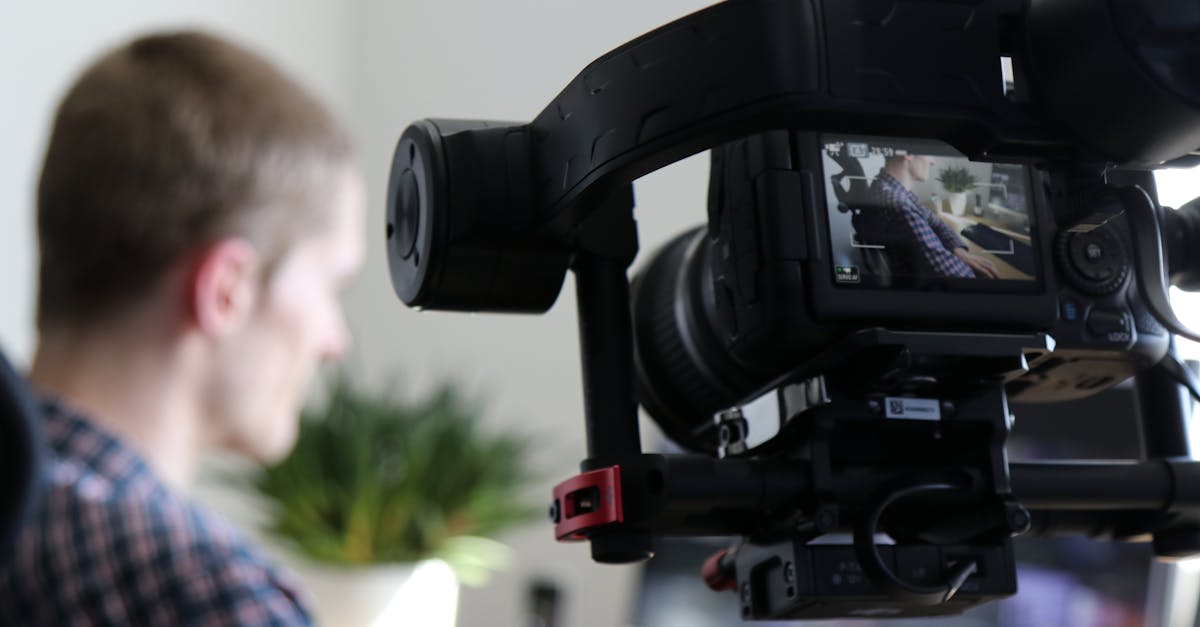
The camera operator, also known as a camera operator, is responsible for capturing the image according to the vision of the director and the director of photography. Their role is not limited to simply operating the camera. They must consider each shot, the angle, the lighting, and the framing, while respecting technical and artistic constraints.
This professional works closely with the director from the preparation phase, studying the script and storyboard. During filming, they set up and adjust the equipment, choose camera angles and movements, while ensuring the technical quality of each shot. They must also anticipate changes, demonstrate creativity under pressure, and strictly adhere to artistic guidelines. Here’s an overview of the main tasks:
Prepare equipment (cameras, stabilizers, accessories, etc.) 🎥
Study the storyboard to determine movements and camera angles 🖼️
- Adjust focus, lighting, and framing according to instructions 🎬
- Film according to the art director’s instructions, while contributing innovative ideas 💡
- Participate in editing to ensure continuity and consistency of shots 📽️
- The technical and artistic qualities to excel
- Being a camera operator requires excellent technical mastery, particularly with the latest equipment such as steady cams, drones, and stabilized cameras. An understanding of image principles, such as composition, light, and color, is also essential.
But creativity should not be overlooked. The ability to interpret the artistic vision of the project, while adding a personal touch, distinguishes the best in this field. Patience, perfectionism, and technical curiosity are also qualities that should be valued for advancing in this career.
Renowned schools such as ESRA, École des Gobelins, and Supinfocom offer specialized training for those who wish to become managers or even advance to positions as a cinematographer or director of photography in the future.
Training required to become an audiovisual professional in 2025
To access these careers, it is recommended to obtain a diploma recognized by the industry. Numerous paths exist depending on the background and chosen direction. The most traditional and recognized path is a BTS (Higher National Diploma) in Image and Sound, accessible after a baccalaureate, particularly in science or technology.
This program allows students to acquire skills in camera management, lighting, post-production, and sound techniques. After completing the BTS, students can complete their training at a specialized film school or university, such as La Fémis or Gobelins, which offer advanced training in film and audiovisual.
Private schools such as ISART Digital or Ateliers de la Côte also offer programs to specialize in filmmaking or directing. There are also work-study programs that combine study with work experience, such as those offered by the BTS (Work-Study BTS). Criteria for Choosing the Right Program
Several factors should guide your decision: the school’s reputation, the quality of the internships offered, the professional network it offers, and compatibility with your personal and financial goals. Schools like La Fémis, Gobelins, or Supinfocom have a strong network in the sector, facilitating access to the job market.
It’s also worth considering the CNC (Centre for the French National Center for Cinema and Television), which supports numerous projects and training programs in the film and audiovisual industries.The Professional Context and Market Reality in 2025The film and television sector is experiencing a new dynamic. With the rise of streaming and platforms like Netflix, Amazon, and Disney+, the demand for qualified professionals is exploding. Studios are constantly seeking to renew their teams to meet the artistic and technical challenges of new productions.
For executives and assistant directors or camera operators, the opportunities are more numerous, but so is the competition. The profession often remains freelance, with daily or weekly contracts. Remuneration varies depending on experience, project, and notoriety.
In 2025, it is expected that the average gross salary of a beginner will be around €1,600 per month, but with strong progression possible after a few years of practice and specialization 📈. The key to success lies in the ability to get noticed, enrich your portfolio, and stay at the forefront of technical innovations.
Prospects for advancement in these professions
After a few years of experience, an assistant director can progress to higher responsibilities as cinematographer or producer. As for the camera operator, progression can lead to the direction of photography or the realization of personal projects. Continuing education and networking play a central role in this evolution.
Job
Qualifications
Gross monthly salary in 2025 🤑
Beginner assistant director
BTS, specialized school or field experience
| €1,600 – €2,200 | Cameraman / Camera operator | Technical training, schools like Gobelins or Supinfocom |
|---|---|---|
| €1,500 – €2,700 | Director of photography | Experience, advanced training, artisticity |
| €4,000 and more | FAQs on how to become an assistant director or camera operator in 2025 | Which training is most recommended to start with? |
| The BTS Image and Sound Professions, supplemented by internships or schools like La Fémis, remains a reliable path to integrating these professions. Work-study training is also very popular to obtain concrete experience quickly 💼. | What is the average salary for a beginner? | In 2025, it’s expected to be around €1,600 gross per month, but with the potential for rapid advancement based on skill and reputation 🌟. |
How can you stand out in this competitive sector?
- By developing a solid portfolio, mastering new technologies like 4K or virtual reality, and actively networking at trade shows or through renowned schools. What are the essential qualities for success?
- Patience, technical and artistic curiosity, the ability to work in a team, and responsiveness to the unexpected.